Nutrition for Athletes: What to Eat Before Competition
Optimize pre-competition nutrition to enhance athletic performance and endurance.
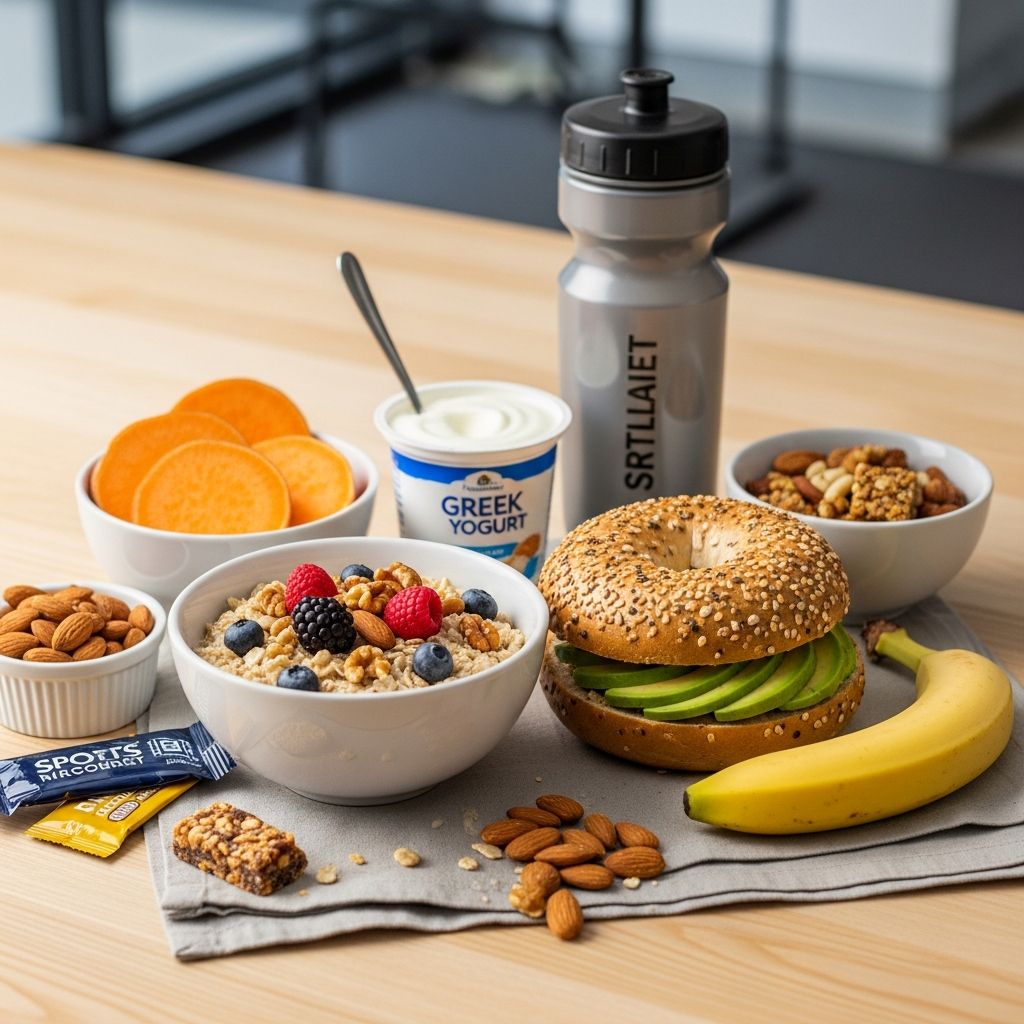
Proper nutrition is a critical yet often overlooked component of athletic performance. While training, strength, and technique receive significant attention, the fuel an athlete consumes directly impacts energy levels, endurance, mental focus, and overall competitive results. For athletes at all levels—from high school to collegiate to elite competition—understanding pre-competition nutrition can mean the difference between peak performance and suboptimal results on the field, court, or track.
The timing and composition of pre-competition meals play essential roles in optimizing athletic performance. Student athletes, in particular, often lack comprehensive knowledge about proper fueling strategies. Research indicates that teen athletes frequently underestimate their carbohydrate and calorie needs while overestimating their protein and fat requirements, demonstrating a critical gap in nutrition education. This article explores evidence-based pre-competition nutrition strategies to help athletes maximize their potential.
Understanding Pre-Competition Nutrition
Pre-competition nutrition serves multiple physiological purposes. It provides the energy necessary for sustained athletic effort, maintains stable blood glucose levels, optimizes hydration status, and prepares the digestive system for competition. A well-planned pre-competition meal should balance macronutrients—carbohydrates, proteins, and fats—while avoiding foods that might cause gastrointestinal distress during performance.
The goal of pre-competition eating is not simply to fill the stomach, but to strategically fuel the body with nutrients that will be readily available for energy production during competition. Athletes should consume meals that are familiar, well-tolerated, and composed of foods they have tested during training sessions.
Timing Your Pre-Competition Meal
The timing of pre-competition nutrition is as important as the content. Athletes should plan their eating schedule based on the type and timing of their competition, allowing adequate digestion time while maintaining optimal energy levels at competition start.
Three to Four Hours Before Competition
This is the ideal window for a substantial pre-competition meal. Consuming a full meal three to four hours before competition provides adequate time for digestion while ensuring that nutrients are available when needed. This meal should include adequate carbohydrates, moderate protein, and minimal fat and fiber to facilitate digestion.
One to Two Hours Before Competition
If competition timing necessitates eating closer to performance, athletes should consume a lighter snack or meal. This timeframe requires careful food selection to minimize digestive discomfort. Easily digestible carbohydrates with minimal fat and fiber are optimal choices.
30 to 60 Minutes Before Competition
This is the time for light carbohydrate snacking if needed. Small amounts of easily digestible carbohydrates can provide an energy boost without causing gastrointestinal distress. Athletes should be cautious about fluid intake at this stage to avoid discomfort during competition.
Optimal Pre-Competition Meal Composition
A balanced pre-competition meal should emphasize carbohydrates while including adequate protein and minimizing fat and fiber. Carbohydrates serve as the primary fuel source for high-intensity exercise and should comprise the foundation of pre-competition nutrition.
Related Stories



Carbohydrates: The Primary Fuel Source
Carbohydrates are the preferred fuel for athletic performance, particularly during high-intensity exercise. Student athletes should consume more than half their daily calories as carbohydrates to meet their athletic demands. In the hours before competition, emphasis should be placed on carbohydrate-rich foods that provide sustained energy while being easily digestible.
Optimal pre-competition carbohydrate sources include:
- Whole grain breads and cereals
- Pasta and rice
- Oatmeal
- Fruits and fruit juices
- Low-fat yogurt
- Energy bars
- Bagels with jam
Protein: Supporting Muscle Function
While carbohydrates provide immediate energy, protein supports muscle function and recovery. Pre-competition meals should include moderate amounts of protein from easily digestible sources. High protein intake is not necessary before competition; research shows that athletes often overestimate their protein needs while underestimating carbohydrate requirements.
Appropriate pre-competition protein sources include:
- Lean poultry and fish
- Eggs
- Low-fat yogurt
- Nut butters in moderation
- Legumes
- Low-fat cheese
Fat and Fiber: Careful Consideration
Both fat and fiber should be minimized in the hours immediately before competition. These nutrients slow digestion and may cause gastrointestinal discomfort during physical performance. However, small amounts of fat can be included if consumed three to four hours before competition, as it provides satiety and sustained energy.
Hydration Before Competition
Proper hydration status significantly impacts athletic performance, thermoregulation, and endurance. Athletes should begin competitions fully hydrated, which requires strategic fluid consumption in the hours before performance.
Hydration Strategy
Athletes should drink fluids throughout the day leading up to competition, not just immediately before performance. In the two to three hours before competition, athletes should consume approximately 16 to 20 ounces of fluid. During the 30 to 60 minutes immediately before competition, smaller amounts—8 to 10 ounces—are appropriate to avoid excessive fullness during performance.
Water is appropriate for most pre-competition hydration; however, sports drinks containing carbohydrates and electrolytes may provide additional benefits, particularly if the athlete has not consumed adequate pre-competition nutrition or if competition duration will exceed 60 minutes.
Sample Pre-Competition Meals
Three to Four Hours Before Competition
At this time, athletes can consume complete meals with all macronutrient components:
- Skinless chicken breast with rice and steamed vegetables plus fruit
- Pasta with lean ground turkey and marinara sauce, side salad with oil-based dressing
- Grilled fish with sweet potato and green beans
- Lean beef with whole grain bread and vegetable soup
- Oatmeal with banana, honey, and low-fat milk
One to Two Hours Before Competition
Choose lighter options that are primarily carbohydrate-based:
- Toast with honey or jam and a glass of orange juice
- Bagel with low-fat cream cheese
- Banana with a handful of crackers
- Cup of applesauce with toast
- Low-fat yogurt with granola
30 to 60 Minutes Before Competition
Select easily digestible carbohydrates only:
- Banana
- Energy bar
- Sports drink
- Apple slices
- Crackers
- Fruit juice
Foods to Avoid Before Competition
Certain foods can negatively impact athletic performance and should be avoided in the hours before competition:
- High-fat foods that slow digestion
- High-fiber foods that may cause gastrointestinal distress
- Spicy foods that may cause discomfort or heartburn
- Unfamiliar foods not previously tested during training
- Large quantities of sugar that may cause energy crashes
- Excessive caffeine that may increase anxiety or cause dehydration
- Alcohol which impairs hydration and performance
Special Considerations for Athletes
Individual Variability
While general guidelines provide a foundation for pre-competition nutrition, individual responses to specific foods vary considerably. Athletes should work with registered dietitians to develop personalized nutrition strategies based on their sport, position, body composition goals, and individual tolerances. This individualized approach, emphasizing behavior and lifestyle changes, ensures optimal results.
Sport-Specific Nutrition
Different sports have different nutritional demands. Endurance athletes competing for extended periods require different fueling strategies than power athletes competing for short bursts. Team sport athletes may face unique challenges including travel and limited preparation time between competitions.
Environmental Factors
Heat, altitude, and humidity all affect hydration needs and nutritional requirements. Athletes competing in warm environments require increased fluid intake and may benefit from electrolyte-containing beverages. High-altitude competitions increase overall caloric and fluid needs.
Frequently Asked Questions
Q: How much should I eat before competition?
Portion size depends on timing. Three to four hours before competition, consume a complete meal appropriate for your body size and sport. For a substantial meal, include 3 to 4 ounces of protein, 1.5 cups of carbohydrate-rich foods, and vegetables. Closer to competition, reduce portions to lighter snacks.
Q: Should I eat if I feel nervous before competition?
Yes, proper nutrition is especially important before competition when anxiety may be elevated. However, choose easily digestible foods that have been previously tested. If nervousness prevents eating solid foods, sports drinks or liquid nutrition supplements can provide necessary carbohydrates and hydration.
Q: Is it better to eat carbohydrates or protein before competition?
Carbohydrates are the primary fuel source for athletic performance and should form the foundation of pre-competition nutrition. While protein is important, athletes often overestimate their protein needs. The emphasis should be on adequate carbohydrates with moderate protein.
Q: Can I have caffeine before competition?
Moderate caffeine intake before competition may provide performance benefits for some athletes; however, excessive caffeine can increase anxiety, promote dehydration, and cause gastrointestinal distress. Athletes should test caffeine-containing products during training before using them before competition.
Q: What if I don’t have time for a full meal before competition?
Select easily digestible carbohydrate sources like bananas, energy bars, or sports drinks. Focus on providing quick carbohydrates rather than waiting for digestion of complex meals. However, ideally, begin competition preparation the evening before through proper hydration and nutrition.
Q: Should I use supplements for pre-competition nutrition?
Whole foods should be the foundation of pre-competition nutrition. Before considering supplements, ensure your diet is adequate in carbohydrates, protein, fat, and micronutrients. If supplements are considered, select products that have been third-party tested for quality and safety, and ensure they comply with athletic organizations’ regulations.
Working with Sports Nutrition Professionals
Many athletes benefit from consulting with registered dietitian nutritionists specializing in sports nutrition. These professionals can conduct thorough assessments of current nutrition practices, develop individualized meal plans aligned with athletic goals, and provide ongoing support and education. Many collegiate athletic programs, including Johns Hopkins Athletics, offer nutrition services free of charge to student athletes, recognizing that proper nutrition significantly impacts both performance and long-term health.
Conclusion
Pre-competition nutrition is a modifiable factor that significantly impacts athletic performance. By understanding optimal meal timing, macronutrient composition, hydration strategies, and individual responses to specific foods, athletes can fuel their bodies for peak performance. Strategic pre-competition eating provides the energy, hydration, and nutrients necessary for sustained athletic effort while minimizing gastrointestinal discomfort. Combined with proper training, technique development, and adequate recovery, optimized pre-competition nutrition helps athletes achieve their competitive goals. Remember that nutrition is individualized; what works for one athlete may not work for another. Testing nutrition strategies during training and consulting with sports nutrition professionals ensures that your pre-competition fueling supports your specific athletic demands and personal tolerances.
References
- Student Athletes Don’t Know How To Fuel With Food, Study Says — HealthDay News. 2025-02-18. https://www.powershealth.org/about-us/newsroom/health-library/2025/02/18/student-athletes-dont-know-how-to-fuel-with-food-study-says
- The Sports Nutrition Program for Johns Hopkins Athletics — Johns Hopkins University Athletics. 2023-07-25. https://hopkinssports.com/sports/2023/7/25/about-jhu-athletics-sports-nutrition-program.aspx
- Selected In-Season Nutritional Strategies to Enhance Recovery — National Center for Biotechnology Information (NCBI). https://pmc.ncbi.nlm.nih.gov/articles/PMC5633631/
Similar Articles








Read full bio of medha deb