Nutrition During Pregnancy: Essential Guidelines
Comprehensive nutrition guide for healthy pregnancy and fetal development.
Nutrition During Pregnancy: Essential Guidelines for a Healthy Pregnancy
Proper nutrition during pregnancy is one of the most important factors in ensuring a healthy pregnancy and supporting optimal fetal development. A well-balanced diet provides essential nutrients that support the growth and development of your baby while maintaining your own health and well-being. The Academy of Nutrition and Dietetics recommends several key components of a healthy lifestyle during pregnancy, including a balanced diet, appropriate weight gain, regular exercise, and timely vitamin and mineral supplementation.
Dietary and Caloric Recommendations
During pregnancy, your nutritional needs increase significantly to support both your health and your baby’s development. To maintain a healthy pregnancy, approximately 300 extra calories are needed each day, particularly beginning in the second trimester. These additional calories should come from a balanced diet that includes protein, fruits, vegetables, and whole grains. Sweets and fats should be kept to a minimum to ensure that your caloric intake is nutrient-dense rather than empty calories.
A healthy, well-balanced diet can also help reduce some common pregnancy symptoms, such as nausea and constipation. By focusing on nutrient-rich foods rather than processed options, you can maximize the nutritional value of every meal while managing bothersome pregnancy side effects.
Building a Balanced Pregnancy Diet
A balanced pregnancy diet should include the following components:
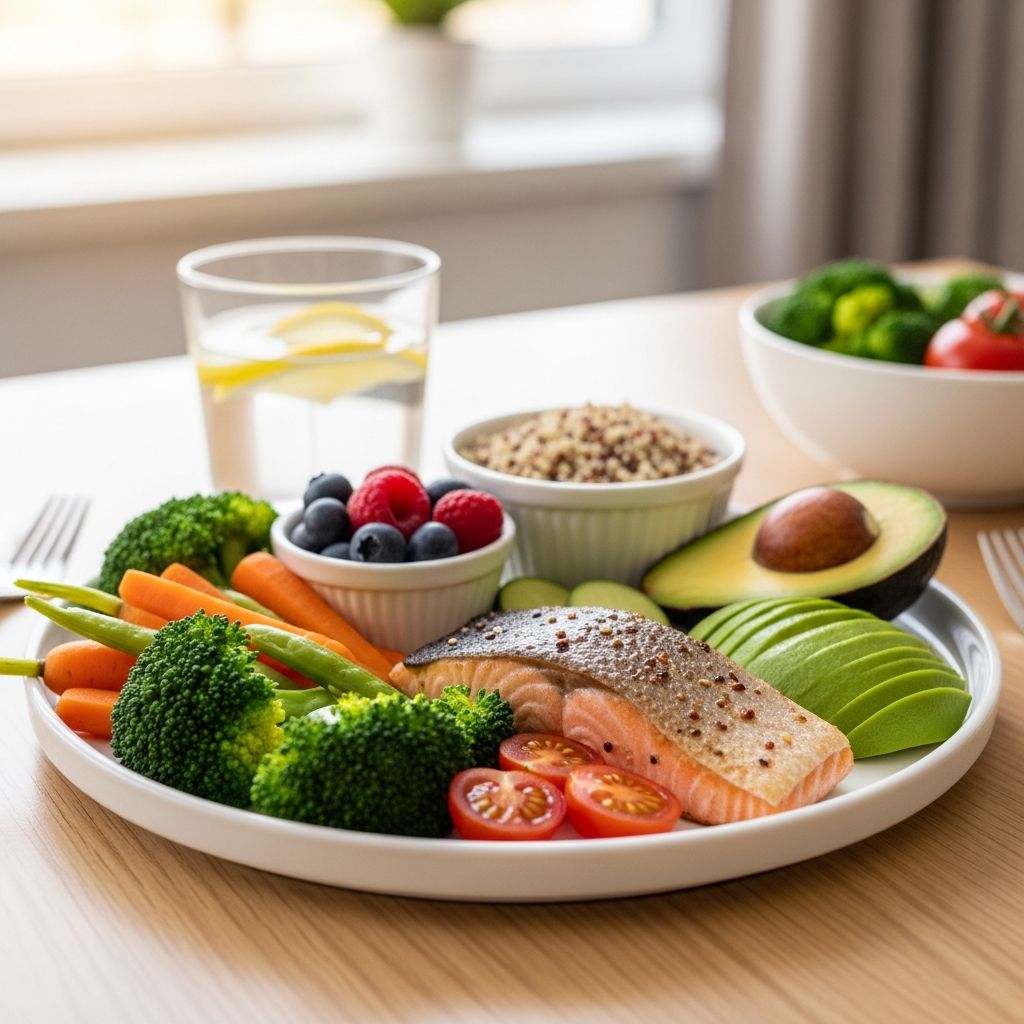
- Protein-rich foods such as lean meats, poultry, fish, eggs, beans, nuts, and dairy products
- Whole grains including whole-wheat bread, brown rice, and whole-grain cereals
- Plenty of fresh fruits and vegetables, both fresh and frozen
- Low-fat or fat-free dairy products for calcium intake
- Healthy fats from sources like avocados, nuts, and olive oil
- Limited amounts of sweets, sugary beverages, and processed foods
Key Micronutrients During Pregnancy
Most pregnant women in the United States face the risk of inadequate intake of several critical micronutrients from foods alone. Research has identified six key nutrients that require special attention during pregnancy: vitamin A, vitamin D, folic acid, calcium, iron, and omega-3 fatty acids. While dietary supplements are often necessary to meet recommended intake levels, incorporating nutrient-dense foods can significantly contribute to meeting these requirements.
Folic Acid
Folic acid is essential for preventing neural tube defects and supporting proper fetal development. Pregnant women need 600 mg of folic acid per day. Good food sources of folic acid include dark leafy greens, legumes, asparagus, and fortified grains. However, because it is difficult to obtain adequate folic acid from diet alone, prenatal vitamin supplementation is strongly recommended.
Iron
Iron is crucial for developing the placenta and supporting increased blood volume during pregnancy. Pregnant women need approximately 27 mg of iron daily. Iron deficiency during pregnancy can lead to anemia, fatigue, and complications during labor and delivery. Red meat, poultry, fish, dried beans, and fortified cereals are good dietary sources of iron. Consuming iron-rich foods with vitamin C-rich foods like citrus fruits enhances iron absorption.
Calcium
Calcium supports bone development in your baby and helps maintain your own bone health during pregnancy and lactation. Pregnant women need 1,000 mg of calcium daily. Excellent sources include dairy products such as milk, yogurt, and cheese, as well as calcium-fortified plant-based beverages, leafy greens, and canned fish with bones.
Related Stories



Vitamin D
Vitamin D works with calcium to support fetal bone development and maternal health. Few foods naturally contain adequate vitamin D, making supplementation important for most pregnant women. Research indicates that very few dietary supplements provide sufficient doses of vitamin D without exceeding safe intake levels. Sunlight exposure, fortified milk, fatty fish, and egg yolks are dietary sources, but supplementation is typically necessary.
Vitamin A and Omega-3 Fatty Acids
Vitamin A supports fetal eye development and immune function, while omega-3 fatty acids contribute to brain and eye development. Seaweed, fish, and leafy greens can provide these nutrients, though omega-3 intake for individuals who do not consume fish products may require supplementation.
Fluid Intake During Pregnancy
Fluid intake is an essential component of pregnancy nutrition. Adequate hydration supports increased blood volume, helps prevent constipation, and aids in nutrient transport to your baby. You can obtain sufficient fluids by drinking several glasses of water each day, in addition to the fluids in juices and soups.
During pregnancy, it is important to discuss with your healthcare provider or midwife about restricting your intake of caffeine and artificial sweeteners, as their effects during pregnancy require individualized assessment. Avoiding all forms of alcohol is strongly recommended, as even small amounts can pose risks to fetal development.
Managing Common Pregnancy Symptoms Through Diet
Addressing Morning Sickness
Morning sickness affects many pregnant women, particularly in the first trimester. If you experience nausea or morning sickness, try eating smaller meals more frequently rather than three large meals. Don’t skip breakfast, as this can worsen morning sickness. If you feel sick to your stomach when you first wake up, choose dry whole-wheat or whole-grain toast before getting out of bed, then eat the rest of breakfast (fruit, oatmeal, cereal, milk, yogurt, or other foods) later in the morning.
If you have severe morning sickness, known as hyperemesis gravidarum, talk with your healthcare provider. You may need to adjust the way you eat and drink, and your provider can help you maintain healthy eating habits while managing this condition.
Preventing and Managing Constipation
Constipation is a common complaint during pregnancy due to hormonal changes and the pressure of the growing uterus. Eating high-fiber foods is an excellent strategy to prevent constipation. Incorporate whole-grain cereals, vegetables, fruits, beans, whole-wheat bread, and brown rice into your daily diet. Drinking plenty of water and engaging in daily physical activity also help prevent constipation and support overall digestive health.
Managing Heartburn
If you experience heartburn during pregnancy, eat small meals more frequently instead of large meals. Eat slowly, avoid spicy and fatty foods such as hot peppers or fried chicken, drink beverages between meals rather than with meals, and do not lie down immediately after eating. These strategies can significantly reduce heartburn discomfort while maintaining adequate nutrition.
Practical Strategies for Healthy Eating During Pregnancy
Eat Breakfast Every Day
Starting your day with a nutritious breakfast sets the tone for healthy eating throughout the day. Breakfast provides energy and nutrients needed for you and your developing baby. If morning sickness is an issue, start with something simple and bland, then add other components later in the morning.
Keep Healthy Foods on Hand
Preparation and accessibility are key to maintaining a healthy diet throughout pregnancy. Keep a bowl of fresh apples, bananas, peaches, oranges, and grapes easily accessible for quick, healthy snacks. Fresh, frozen, and canned fruits and vegetables make healthy and quick additions to meals, as do canned beans. When healthy options are readily available, you’re more likely to make nutritious choices.
Choose Nutrient-Dense Foods
Focus on foods that provide maximum nutritional value within your caloric recommendations. Research has identified 2,358 candidate foods that meet target intake ranges for key pregnancy nutrients. While no single food provides all necessary nutrients, incorporating a variety of nutrient-dense foods helps you meet your nutritional goals without exceeding recommended caloric intake.
Foods and Nutrients to Consider
Research examining foods that optimize nutrient intake during pregnancy identified several options that provide multiple key nutrients. Twenty-one foods and beverages, mainly fish, vegetables, and fortified beverages, provided target amounts of four of the six critical nutrients. However, few foods naturally contain adequate vitamin D or achieve target iron levels, reinforcing the importance of supplementation.
A Mediterranean-style diet has been shown to provide significant health benefits during pregnancy. A study of more than 8,000 women found that following a Mediterranean-style diet during pregnancy lowered the risk of preeclampsia by at least 20%. This diet emphasizes vegetables, fruits, fish, nuts, olive oil, whole grains, and significantly limited amounts of red meats and processed foods. Higher adherence to a Mediterranean diet correlated with greater risk reduction, with women in the highest adherence group showing 22-28% lower preeclampsia risk compared to those in the lowest group.
Foods and Substances to Avoid During Pregnancy
For your and your baby’s health and safety, avoid the following during pregnancy:
- Alcohol in all forms
- Raw or undercooked meat, poultry, and seafood
- High-mercury fish such as shark, swordfish, and king mackerel
- Unpasteurized dairy products and soft cheeses
- Deli meats and hot dogs unless heated until steaming
- Raw eggs or foods containing raw eggs
- Excessive caffeine
- Artificial sweeteners should be discussed with your healthcare provider
Vitamin and Mineral Supplementation
While a healthy diet is foundational to pregnancy nutrition, prenatal vitamin and mineral supplementation is recommended for all pregnant women. If you don’t already take vitamin and nutrient supplements, start taking them as soon as you know you’re pregnant or are planning to become pregnant. You need extra calcium, iron, and folic acid to help your baby develop normally.
Research has shown that very few United States dietary supplements provide sufficient doses of all six critical nutrients without inducing excess intake. This underscores the importance of working with your healthcare provider to choose supplements that meet your individual needs and discussing which nutrients require particular attention based on your diet and health status.
Working With Your Healthcare Provider
Throughout your pregnancy, communicate regularly with your healthcare provider or midwife about your nutrition. They can assess your individual dietary needs, recommend appropriate supplements, help you manage pregnancy-related symptoms through dietary modifications, and address any concerns about your weight gain or nutritional status. Personalized guidance ensures that you receive recommendations tailored to your specific health circumstances, dietary preferences, and cultural food practices.
Exercise and Overall Wellness
Nutrition is just one component of a healthy pregnancy. The Academy of Nutrition and Dietetics recommends combining a balanced diet with regular exercise, appropriate weight gain, and timely vitamin and mineral supplementation for optimal pregnancy outcomes. Even before pregnancy, exercise and good nutrition are important to your well-being, but pregnancy requires adjustments to accommodate the physical changes and increased nutritional demands. Talk to your doctor to ensure you are getting everything you need for a healthy pregnancy.
Frequently Asked Questions
Q: How many extra calories do I need during pregnancy?
A: You need approximately 300 extra calories per day, particularly beginning in the second trimester. These calories should come from a balanced diet of protein, fruits, vegetables, and whole grains rather than empty calories from sweets and fats.
Q: What if I have difficulty meeting nutritional needs through diet alone?
A: Prenatal vitamin and mineral supplementation is recommended for all pregnant women. Dietary supplements help ensure you meet targets for vitamin D, iron, and omega-3 fatty acids, which are particularly difficult to obtain in adequate amounts from food alone.
Q: Can diet really help prevent pregnancy complications?
A: Yes. Research shows that following a Mediterranean-style diet during pregnancy can reduce the risk of preeclampsia by 20% or more. A healthy diet, combined with regular physical activity and not smoking, can significantly impact pregnancy outcomes.
Q: What should I do if morning sickness prevents me from eating well?
A: Eat smaller meals more frequently throughout the day, start with bland foods like whole-grain toast, and drink plenty of fluids. If morning sickness is severe, consult your healthcare provider for additional strategies and support.
Q: Which nutrients are most critical during pregnancy?
A: Six key nutrients require special attention: folic acid (600 mg daily), iron (27 mg daily), calcium (1,000 mg daily), vitamin D, vitamin A, and omega-3 fatty acids. Your healthcare provider can assess your individual needs and recommend appropriate sources and supplements.
Q: Is caffeine safe during pregnancy?
A: Discuss caffeine intake with your healthcare provider or midwife, as individual recommendations may vary based on your health circumstances and pregnancy specifics.
References
- Identifying Foods That Optimize Intake of Key Micronutrients During Pregnancy — Johns Hopkins Medicine, Journal of Nutrition. October 2023. https://pure.johnshopkins.edu/en/publications/identifying-foods-that-optimize-intake-of-key-micronutrients-duri
- Nutrition During Pregnancy: Recommendations and Guidelines — Johns Hopkins Medicine. https://www.hopkinsmedicine.org/health/wellness-and-prevention/nutrition-during-pregnancy
- Your Health during Pregnancy — Johns Hopkins Aramco Healthcare. https://www.jhah.com/en/news-events/in-focus/your-health-during-pregnancy/
- Mediterranean Diet Reduces Preeclampsia Risk, Study Shows — Johns Hopkins Medicine, Journal of the American Heart Association. April 2022. https://hub.jhu.edu/2022/04/21/mediterranean-diet-lowers-preeclampsia/
Similar Articles








Read full bio of Sneha Tete