Nutrition For Eye Health: 5-Step Vision Plan
Unlock the power of diet to safeguard your vision with nutrient-packed foods that combat age-related eye diseases and promote long-term ocular wellness.
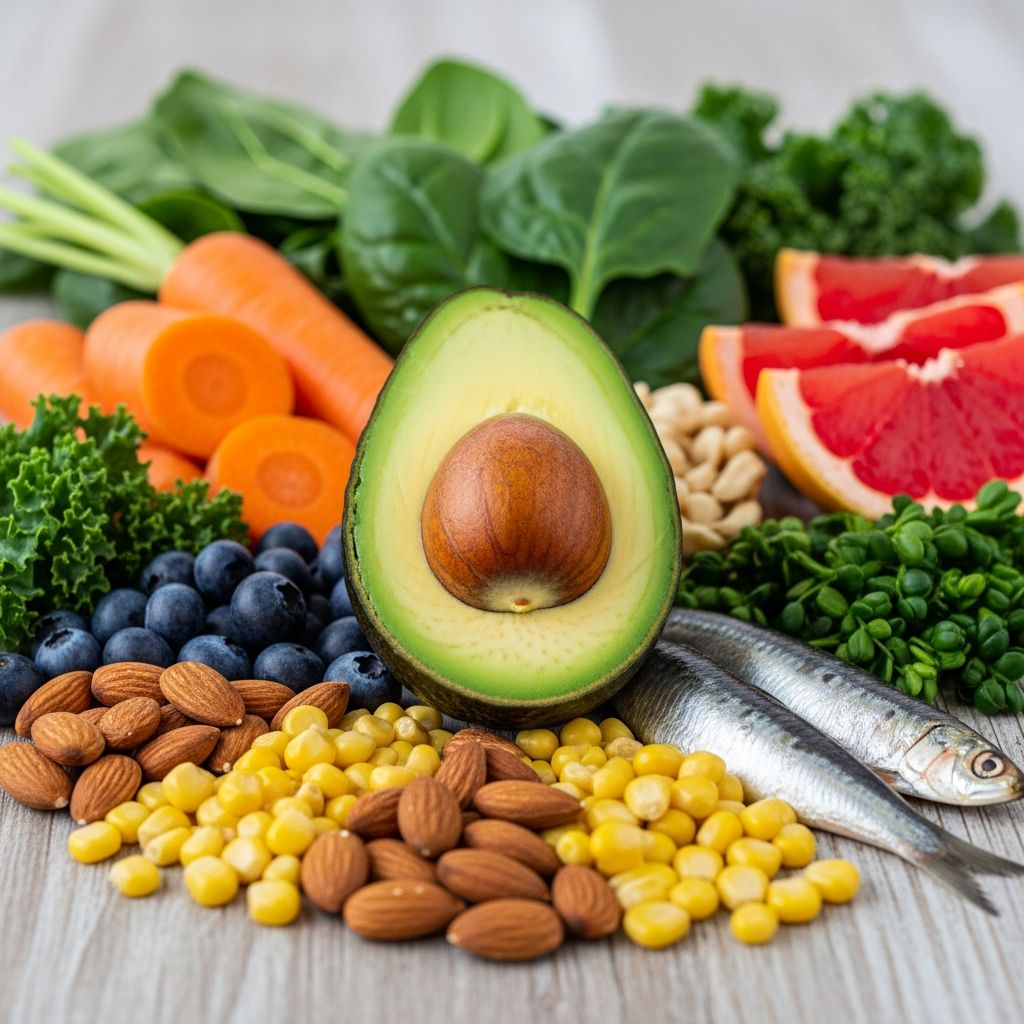
Proper nutrition plays a pivotal role in preserving vision and preventing common eye conditions like age-related macular degeneration (AMD), cataracts, and dry eye syndrome. Research highlights that diets rich in specific antioxidants, vitamins, and fatty acids can significantly lower disease risks by supporting retinal health and reducing oxidative stress.
Essential Nutrients That Protect Your Eyes
The eyes require a targeted blend of nutrients to function optimally. These compounds act as shields against free radical damage, inflammation, and structural degeneration in ocular tissues.
Lutein and Zeaxanthin: Macula Protectors
These carotenoids accumulate in the macula, filtering harmful blue light and neutralizing oxidative damage. Studies recommend 10mg daily of lutein for optimal macular pigment density, far exceeding typical Western intakes of around 3mg. Observational data links higher consumption to reduced AMD progression.
- Key benefits: Enhances visual performance, lowers AMD risk
- Absorption tip: Pair with healthy fats for better uptake
Omega-3 Fatty Acids: Anti-Inflammatory Power
EPA and DHA from fatty fish maintain retinal cell membranes and combat inflammation. Clinical data shows diets with regular fish intake inversely correlate with AMD risk, with potential reductions up to 30% from consistent omega-3 sources.
- Recommended intake: 1000-3000mg EPA/DHA daily
- Conversion note: Plant ALA converts poorly (<5%) to active forms
Vitamin A and Beta-Carotene: Night Vision Guardians
Vitamin A, often from beta-carotene precursors, is vital for rhodopsin production in low-light vision. Average U.S. intakes hover at 2.6-2.7mg/day, but 3-6mg from food supports chronic disease prevention.
Vitamins C and E: Antioxidant Defense Duo
Vitamin C preserves blood vessels, while E protects cell membranes. Together with zinc, they form the backbone of formulas like AREDS2 for intermediate AMD.
Zinc and Copper: Transport and Balance
Zinc aids vitamin A delivery to the retina; copper prevents imbalance. AREDS2 uses high-dose zinc (80mg) safely for at-risk patients.
Top Food Sources for Vision-Supporting Nutrients
Incorporate these into meals for natural, bioavailable nutrient delivery. Whole foods outperform most supplements due to synergistic compounds.
| Nutrient | Food Examples | Serving Size & Amount |
|---|---|---|
| Lutein/Zeaxanthin | Kale (cooked), Spinach (cooked/raw) | 1/2 cup kale: 10.3mg; 1/2 cup spinach: 6.7mg |
| Omega-3s (EPA/DHA) | Salmon, Mackerel, Sardines | 100g salmon: 1.8g; 100g mackerel: 2.6g |
| Beta-Carotene | Carrots (raw/cooked), Sweet Potatoes | 1 medium carrot: 5.3mg; 1/2 cup cooked carrots: 6.3mg |
| Vitamin E | Almonds, Sunflower Seeds, Avocado | 1 oz seeds: ~15mg (RDA) |
| Zinc | Lean Beef, Pumpkin Seeds, Chickpeas | 3 oz beef: 8-11mg RDA; 1/2 cup chickpeas: 1.3mg |
| Anthocyanins | Blueberries, Blackberries, Purple Grapes | 1 cup berries: Potent antioxidant dose |
Building an Eye-Healthy Eating Pattern
Adopt a Mediterranean-inspired approach emphasizing fish, greens, nuts, and colorful produce. This pattern consistently shows lower rates of eye diseases.
Sample Daily Meal Plan
Related Stories



- Breakfast: Kale smoothie with blueberries, chia seeds, and Greek yogurt (lutein, omega-3s, antioxidants)
- Lunch: Grilled sardine salad with romaine, carrots, avocado, and pumpkin seeds (carotenoids, vitamin E, zinc)
- Dinner: Baked salmon with steamed spinach, sweet potato, and broccoli (DHA, lutein, beta-carotene)
- Snacks: Handful of almonds and orange slices; tart cherries (vitamin E, C, anthocyanins)
Aim for 5+ servings of fruits/vegetables daily, prioritizing dark greens, reds, and oranges for carotenoids.
Nutrition Across Life Stages
Children and Adolescents
DHA drives visual cortex development; lutein counters rising screen exposure. Family meals like salmon fish sticks or spinach smoothies build habits.
Adults and Aging Eyes
Antioxidant focus prevents AMD/cataracts. For intermediate AMD, AREDS2 supplements (high-dose C, E, zinc, copper, lutein/zeaxanthin) slow progression.
Special Cases: Diabetes and Dry Eyes
Omega-3s alleviate dry eye inflammation; balanced diets control blood sugar to protect retinal vessels.
Supplements: When Diet Isn’t Enough
Whole foods are ideal, but evidence supports targeted supplements for high-risk individuals. AREDS2 is proven for AMD, not general prevention. Consult professionals before starting.
- Pros: High doses for specific needs
- Cons: Potential interactions; inferior absorption vs. food
Common Myths and Facts
| Myth | Fact |
|---|---|
| Carrots alone boost vision dramatically | Beta-carotene helps, but needs full nutrient spectrum |
| Supplements replace healthy eating | Foods provide synergies supplements lack |
| Eye health nutrition only for seniors | Benefits all ages, especially kids with screens |
Frequently Asked Questions (FAQs)
How much fish should I eat weekly for eye health?
2-3 servings of fatty fish like salmon or mackerel provide optimal omega-3s.
Can vegetarians get enough eye nutrients?
Yes, via algae omega-3s, nuts, seeds, and fortified foods, though fish offers superior DHA.
Do supplements prevent cataracts?
High-antioxidant diets may help, but no supplement matches food variety for broad protection.
What’s the best diet for AMD prevention?
Mediterranean-style with leafy greens, fish, and nuts shows strongest evidence.
How does screen time affect nutrition needs?
Increases demand for lutein/zeaxanthin to filter blue light; add more greens.
Your Vision Protection Action Plan
Start small for lasting impact:
- Add one leafy green serving daily
- Incorporate fatty fish twice weekly
- Snack on nuts/seeds for vitamin E/zinc
- Schedule annual eye exams
- Pair diet with UV protection and blood sugar control
Consistent habits yield cumulative benefits, emphasizing prevention over cure.
References
- Eye Health Nutrition: Best Foods for Vision (2026 Guide) — West Broward Eyecare Associates. 2026. https://www.westbrowardeyecare.com/eye-health-nutrition-best-foods-for-vision-2025/
- Nutrients for the aging eye — PMC – NIH. 2013-07-10. https://pmc.ncbi.nlm.nih.gov/articles/PMC3693724/
- Nutrients that Support Eye Health — Academy of Nutrition and Dietetics (eatrightPRO.org). Accessed 2026. https://www.eatrightpro.org/news-center/practice-trends/nutrients-that-support-eye-health
- Diet, Age & Macular Degeneration — Brigham and Women’s Hospital. Accessed 2026. https://www.brighamandwomens.org/patients-and-families/meals-and-nutrition/bwh-nutrition-and-wellness-hub/special-topics/macular-degeneration
- Nutrition for eye health and macular disease — Macular Society. Accessed 2026. https://www.macularsociety.org/support/daily-life/practical-guides/healthy-living/nutrition/
Similar Articles








Read full bio of medha deb