Nutrition For Growing Bodies: A Practical Guide For Parents
Fuel your child's growth with nutrient-rich foods from every food group for optimal health and development.
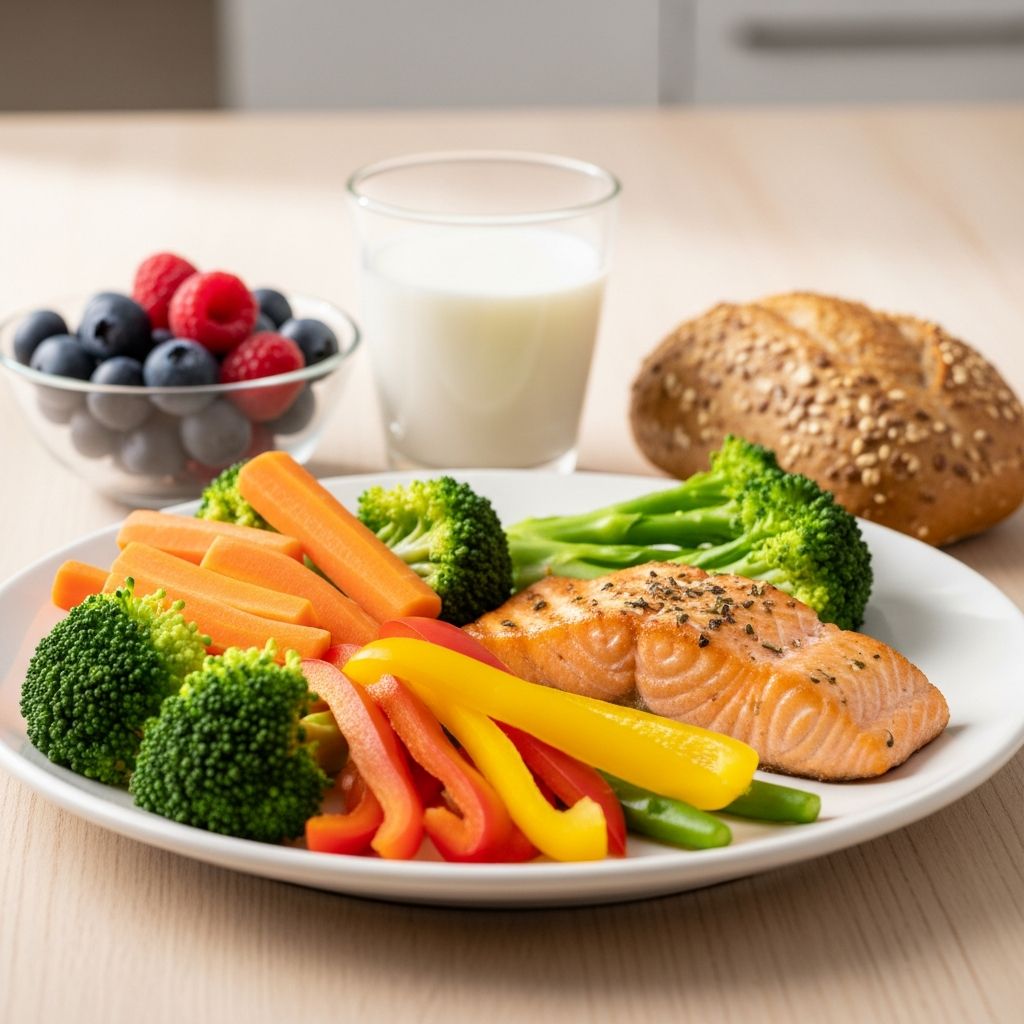
Nutrition for Growing Bodies
Children and teens require the right fuel to support their rapid growth, learning, and overall development. This means prioritizing plenty of vegetables, fruits, whole grains, nonfat or low-fat dairy, and lean protein foods to deliver the essential nutrients they need. The key to nurturing a healthy family lies in serving delicious, nutrient-dense foods at every meal and snack, making nutrition both enjoyable and effective.
During childhood and adolescence, bodies undergo significant changes, demanding higher intakes of key nutrients like calcium, iron, protein, and vitamins to build strong bones, muscles, and immune systems. According to the Academy of Nutrition and Dietetics, a balanced approach incorporating all major food groups ensures children meet these demands without excessive calories or unhealthy additives. Parents play a crucial role by modeling healthy eating habits and offering variety to prevent picky eating and promote lifelong wellness.
Whole-Grain Foods
Whole grains are powerhouse foods packed with dietary fiber, B-vitamins, and complex carbohydrates that provide sustained energy for active young bodies. Unlike refined grains, whole grains retain their bran, germ, and endosperm, offering superior nutrition that supports digestion, heart health, and stable blood sugar levels essential for concentration at school.
In recent years, grocery shelves have exploded with new grain products, making selection challenging. To choose wisely, look for items listing whole grains as the first ingredient on the label. Offer children whole-grain hot or cold cereals for breakfast, kid-friendly “white” whole-wheat bread for sandwiches, crunchy whole-grain crackers for snacks, and whole-grain pastas for dinner.
For added variety and quick preparation, incorporate quick-fix options like quinoa, whole-wheat couscous, and quick-cooking brown rice. These can stand alone or mix into salads, stir-fries, or pilafs. A simple quinoa salad with diced vegetables and a light vinaigrette makes a nutritious lunchbox staple, while brown rice pairs perfectly with lean proteins for dinner.
- Breakfast: Oatmeal topped with fresh fruit and nuts.
- Lunch: Whole-grain wrap with turkey and veggies.
- Snack: Whole-grain pretzels or popcorn.
- Dinner: Quinoa-stuffed bell peppers.
Aim for at least half of your child’s grains to be whole grains daily, as recommended by dietary guidelines, to maximize health benefits.
Fruits and Vegetables
Fruits and vegetables are nutritional superstars, delivering vitamins A and C, potassium, dietary fiber, and antioxidants that bolster immunity and growth. No matter the form—fresh, frozen, canned, dried, or 100% juice—they contribute vital phytonutrients that protect against chronic diseases later in life.
Health experts emphasize increasing fruits and vegetables at every meal for children and adults alike. Start breakfast with fresh or frozen berries on cereal, in smoothies, melon slices, a glass of 100% juice, or veggies scrambled into eggs. For lunch, pack crunchy baby carrots, sliced apples, or cherry tomatoes. Dinner should feature brightly colored vegetables like broccoli, corn, sliced peppers, frozen peas, or leafy green salads at the plate’s center.
While juice offers valuable nutrients, it lacks the fiber of whole fruits and vegetables, so opt for whole produce at least half the time. Creative presentations encourage consumption: make fruit kebabs, veggie pizzas on whole-grain crusts, or smoothies with spinach hidden in berry blends. Frozen grapes or apple slices with nut butter turn snacks into treats.
| Meal | Fruit Ideas | Vegetable Ideas |
|---|---|---|
| Breakfast | Berries in yogurt, banana slices | Tomatoes in omelet, spinach smoothie |
| Lunch | Apple slices, grapes | Carrot sticks, cucumber |
| Dinner | Mandarin oranges | Broccoli, green beans |
| Snack | Dried apricots | Bell pepper strips |
Children over age 4 typically need 1 to 2 cups of fruit and 1½ to 2½ cups of vegetables daily, adjusting for age and activity level. Involving kids in shopping and preparation fosters appreciation and intake.
Low-fat Dairy Foods
Dairy foods supply protein, calcium, potassium, magnesium, and phosphorus—nutrients critical for building strong bones and teeth during growth spurts. Unfortunately, many American youth fall short on calcium and potassium, increasing risks for osteoporosis later. Meeting three daily dairy servings is straightforward and delicious.
Choose from nutrient-rich, low-fat options: an 8-ounce glass of low-fat milk at breakfast, lunch, and dinner; fat-free or low-fat yogurt parfaits for breakfast or after-school snacks; or string cheese for on-the-go energy. Layer yogurt with granola and fruit for a parfait that doubles as dessert. Chocolate or strawberry milk (low-fat) can entice reluctant drinkers without excess sugar.
Non-dairy alternatives include fortified soy milk, soy yogurt, and calcium-set tofu, ideal for lactose-intolerant or plant-based diets. These provide comparable nutrients when fortified. Kefir, a fermented dairy drink, offers probiotics for gut health alongside calcium.
- Milk with cereal or in smoothies.
- Yogurt dips for fruits and veggies.
- Cheese cubes or slices in salads.
- Cottage cheese with pineapple chunks.
Pairing dairy with vitamin D sources like sunlight or fortified foods enhances calcium absorption, supporting peak bone mass accrual in childhood.
Lean Meat, Poultry, Fish, Eggs, Beans or Nuts
This protein-rich group fuels muscle growth, brain function, and immunity with iron, zinc, B-vitamins, and high-quality protein that promotes satiety. Protein at every meal and snack helps children feel full longer, curbing overeating and supporting steady energy.
While kids often get ample protein at lunch and dinner, breakfast and snacks may lack it. Kickstart mornings with eggs, yogurt, or breakfast burritos filled with beans and cheese. Snacks shine with nuts, peanut butter, hummus, or bean dips served with veggies or crackers.
Fish like salmon provides omega-3s for brain health; poultry and lean beef offer iron to prevent anemia; plant options like lentils and chickpeas deliver fiber too. Rotate sources weekly for nutrient diversity: turkey meatballs, tuna salads, black bean quesadillas, or almond butter on toast.
| Protein Source | Key Nutrients | Meal Ideas |
|---|---|---|
| Lean meats/poultry | Iron, zinc, B12 | Grilled chicken skewers, beef stir-fry |
| Fish/eggs | Omega-3s, choline | Baked salmon, egg muffins |
| Beans/nuts | Fiber, plant protein | Hummus platter, nut trail mix |
Ensuring 5-6 ounces daily (adjusted by age) meets needs without excess.
Practical Tips for Busy Families
Feeding children high-quality nutrition doesn’t need to be stressful; aim to include variety from most food groups at every meal. Plan weekly menus, prep snacks ahead, and involve kids in cooking to build skills and excitement.
“Feeding children high-quality nutrition for a growing body doesn’t need to be stressful; aim to include a variety of choices from most food groups at breakfast, lunch and dinner.”
– Kristen Smith, MS, RD, LD, Academy of Nutrition and Dietetics Spokesperson
Combine with physical activity, adequate sleep, and mindful eating—no screens at meals—to optimize health. Child care meals also boost food security and wellness.
Frequently Asked Questions (FAQs)
What if my child is a picky eater?
Introduce new foods repeatedly without pressure, pair with favorites, and let them explore textures. Involve them in meal prep to spark interest.
How much dairy does my child need?
Three servings daily: 8 oz milk, 6 oz yogurt, or 1.5 oz cheese per serving, or equivalents.
Are plant-based proteins sufficient?
Yes, combining beans, nuts, grains, and fortified foods meets all needs.
Can snacks be healthy?
Absolutely—yogurt with fruit, veggie sticks with hummus, or nuts provide balanced nutrition.
What about juice limits?
Limit to 4-6 oz daily for young kids; prioritize whole fruits.
Find a Nutrition Expert: For personalized advice, consult credentialed practitioners via the Academy of Nutrition and Dietetics network.
References
- Nutrition for Growing Bodies — Academy of Nutrition and Dietetics. 2023. https://www.eatright.org/food/planning/meals-and-snacks/nutrition-for-growing-bodies
- Helping Kids Maintain a Healthy Body Weight: A Cheat Sheet for Success — Academy of Nutrition and Dietetics. 2023. https://www.eatright.org/health/wellness/weight-and-body-positivity/helping-kids-maintain-a-healthy-body-weight-a-cheat-sheet-for-success
- Child Care-provided Meals Associated with Improved Child and Family Health — Academy of Nutrition and Dietetics. 2023. https://www.eatrightpro.org/about-us/for-media/press-releases/child-care-provided-meals-associated-with-improved-child-and-family-health
- Sustainable Eating — Academy of Nutrition and Dietetics. 2023. https://www.eatright.org/food/planning/food-security-and-sustainability/sustainable-eating-1
Similar Articles






Read full bio of medha deb