Nutrition Info About Beverages: Expert Tips For Healthy Drinks
Make smarter beverage choices for better health across all ages with expert nutrition guidance.
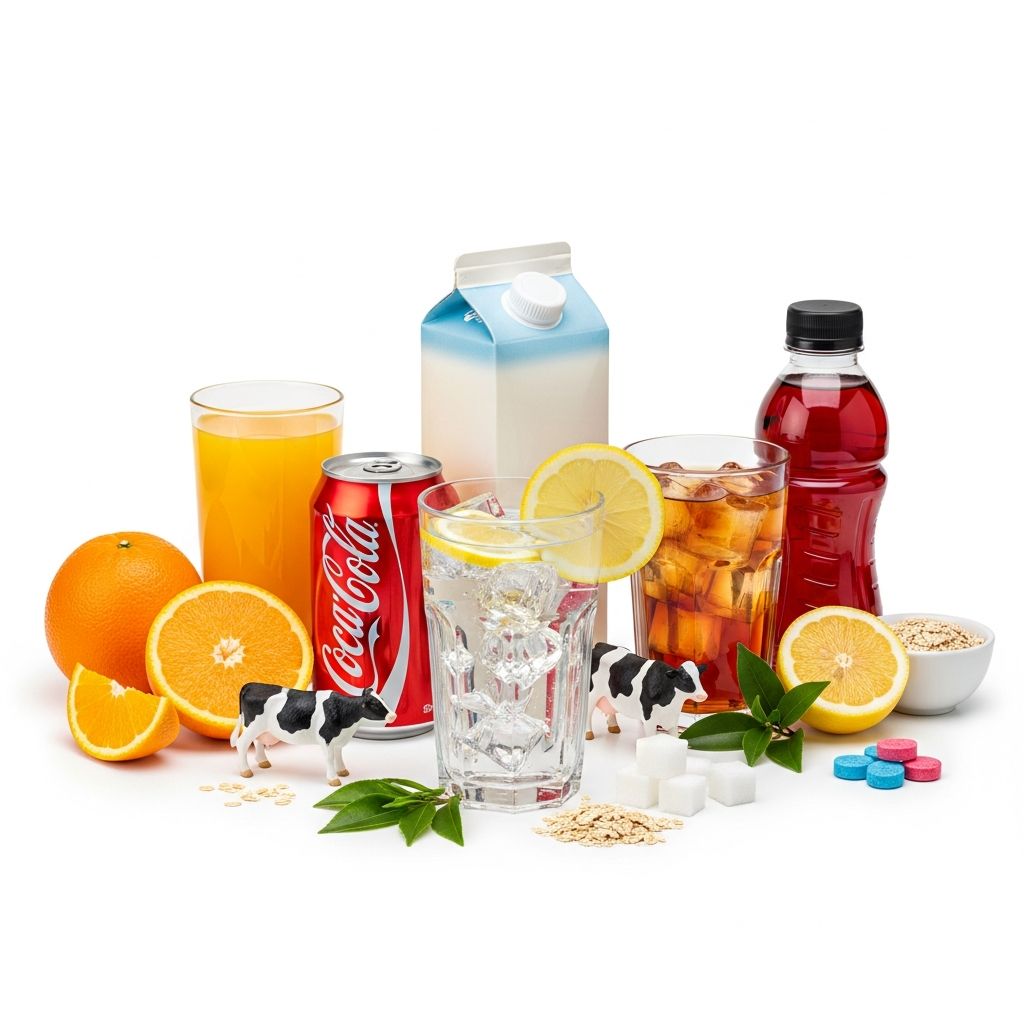
Nutrition Info about Beverages
When it comes to making healthful choices, beverages are just as important as the foods we eat. Many beverages can contribute unnecessary nutrients like added sugars and calories, and may be inappropriate for certain age groups, such as children and adolescents. Promote good health by selecting the best choices with these evidence-based tips.
Drink Nutrient-Rich Dairy and Fortified Beverages
The calcium in dairy foods helps build and maintain healthy bones, teeth, and muscles. It also may help lower the risk of high blood pressure. When choosing dairy or plant-based beverages, the best options vary by age group.
For children between 1 and 2 years of age, unflavored, pasteurized whole milk is recommended. There is no need for special beverages like “toddler milk” or “growing up milk,” as plain whole milk provides all necessary nutrients.
For most children over 2 years of age, as well as adolescents and adults, fat-free or low-fat dairy options are recommended to limit saturated fat intake while maintaining calcium and vitamin D benefits.
Plant-based beverages have surged in popularity, but fortified soy milk is the only option nutritionally similar to cow’s milk, offering comparable protein, calcium, and vitamin content when fortified. Almond, rice, and oat milks are not recommended for children and adolescents due to lower protein and nutrient density, and potential risks like high sugar or additives. For adults choosing plant-based options, select unsweetened varieties to limit added sugars.
Recent guidelines from the Academy of Nutrition and Dietetics, American Academy of Pediatrics, and others emphasize plain pasteurized milk as a top choice for kids and teens, with plant-based alternatives limited to fortified soy for those with allergies or vegan diets.
Drink a Maximum of 4 to 6 Ounces of Juice Per Day
While 100% fruit juice can provide vitamins like vitamin C and potassium, whole fruits and vegetables are superior due to their fiber, phytonutrients from peels and pulp, and greater satiety. Juice lacks this fiber, leading to quicker sugar absorption and potential blood sugar spikes.
Limit 100% juice to 4-6 ounces daily for children, as recommended by health experts. Avoid or strictly limit “fruit drinks,” which often contain added sugars, non-nutritive sweeteners, or less than 100% juice, offering little nutritional value.
Excess juice consumption is linked to overweight, dental caries, and reduced intake of milk or water in children. Opt for whole fruits to get the full benefits without the calorie-dense liquid form.
Drink Other Beverages with Care
Soft drinks, sweetened teas, sports drinks, and “energy” drinks are often high in added sugars, calories, and sometimes caffeine—none of which are recommended, especially for children and adolescents. Adults should choose these sparingly.
Soft Drinks and Sweetened Beverages
Sweetened soft drinks are about 90% carbonated water but provide no key nutrients. They contain sugar or high-fructose corn syrup, contributing empty calories. While debate continues on high-fructose corn syrup’s unique metabolic effects, limiting all added sugars is a key healthy diet strategy.
Other ingredients include acids like phosphoric or citric acid (which can erode tooth enamel), artificial flavors, colors, and often caffeine. Caffeine, a stimulant, can cause anxiety, jitteriness, sleep disruption, or headaches in children, though amounts aren’t always listed on labels.
Children and teens frequently choose these over milk or water, displacing nutrient-rich options and contributing to obesity, type 2 diabetes, and dental issues.
Energy Drinks
Energy drinks contain high caffeine, added sugars, and stimulants like taurine or herbs. Marketed for energy or focus, they pose risks: a 2024 systematic review linked them to headaches, insomnia, anxiety, heart palpitations, weight gain, obesity, type 2 diabetes, and dental erosion. Children should avoid them entirely.
Sports Drinks
Sports drinks are designed for athletes in prolonged, intense activity. For most people, they add unnecessary sugars and electrolytes. Plain water suffices for hydration during everyday activities or moderate exercise.
Alcoholic Beverages
For adults of legal drinking age, alcoholic drinks provide empty calories and are not nutrient-dense. Consume responsibly: drink slowly, with food to slow absorption, and limit intake to avoid health risks.
Prioritize Water for Hydration
Plain water is the best beverage for hydration across all ages. It has zero calories, no sugars, and is essential for bodily functions. The National Academies recommend about 11.5 cups (2.7 liters) total water daily for women and 15.5 cups (3.7 liters) for men, including from food.
Sources of hydration include:
- 90-100% water content: Water, sparkling water, fat-free milk, fruits (cantaloupe, strawberries, watermelon), vegetables (lettuce, celery, spinach).
- 70-89% water content: Bananas, oranges, carrots, broccoli, yogurt.
Focus on unsweetened beverages to limit added sugars. Infuse water with fruits for flavor without calories.
New Recommendations for Kids and Teens
In January 2025, experts from the Academy of Nutrition and Dietetics, AAP, AAPD, and AHA released updated guidelines via Healthy Eating Research:
- Drink mostly: Plain water, plain pasteurized milk, 100% fruit/vegetable juice (limited).
- Limit: Flavored milks, plant-based alternatives (fortified soy only).
- Avoid: Sugar-sweetened beverages, non-sugar sweetened drinks, caffeinated/stimulant beverages.
These address rising diet-related diseases, with infographics available in multiple languages for families.
Age-Specific Beverage Guidelines
| Age Group | Recommended | Limit/Avoid |
|---|---|---|
| 1-2 years | Whole milk, water | Juice (<4 oz), plant milks, sweetened drinks |
| 2+ years to teens | Low-fat milk, water, 4-6 oz 100% juice | Sodas, energy drinks, sports drinks, alcohol |
| Adults | Water, low-fat dairy/soy, limited juice/alcohol | Sugary drinks, excessive caffeine |
This table summarizes key choices for clarity.
Frequently Asked Questions (FAQs)
Is 100% fruit juice healthy for kids?
Limit to 4-6 ounces daily; whole fruit is better due to fiber.
Can plant milks replace dairy for children?
Only fortified soy; others lack protein and nutrients for growing kids.
Are diet sodas safe?
Avoid; non-sugar sweeteners may not aid weight control and link to chronic diseases.
How much water should I drink?
About 11.5 cups (women) or 15.5 cups (men) total water daily from all sources.
Why avoid energy drinks for kids?
High caffeine/sugars cause anxiety, heart issues, obesity risks.
Choosing beverages wisely supports weight management, bone health, dental care, and disease prevention. Consult a registered dietitian for personalized advice.
References
- Nutrition Info about Beverages — Academy of Nutrition and Dietetics. 2025. https://www.eatright.org/health/wellness/healthful-habits/nutrition-info-about-beverages
- Top Health Experts Release New Drink Recommendations for Kids and Teens — Academy of Nutrition and Dietetics. 2025-01-29. https://www.eatrightpro.org/about-us/for-media/press-releases/top-health-experts-release-new-drink-recommendations-for-kids-and-teens-overall-health
- Hard Facts about Soft Drinks — Academy of Nutrition and Dietetics. 2025. https://www.eatright.org/health/wellness/nutrition-panels-and-food-labels/hard-facts-about-soft-drinks
- How Much Water Do You Need? — Academy of Nutrition and Dietetics. 2025. https://www.eatright.org/health/essential-nutrients/water/how-much-water-do-you-need
- Academy of Nutrition and Dietetics — Academy of Nutrition and Dietetics. 2025. https://www.eatright.org
Similar Articles








Read full bio of medha deb