Nutrition Strategies For Parkinson’s: Essential Diet Tips
Discover evidence-based dietary approaches to manage Parkinson's symptoms, optimize medications, and enhance quality of life through balanced nutrition.
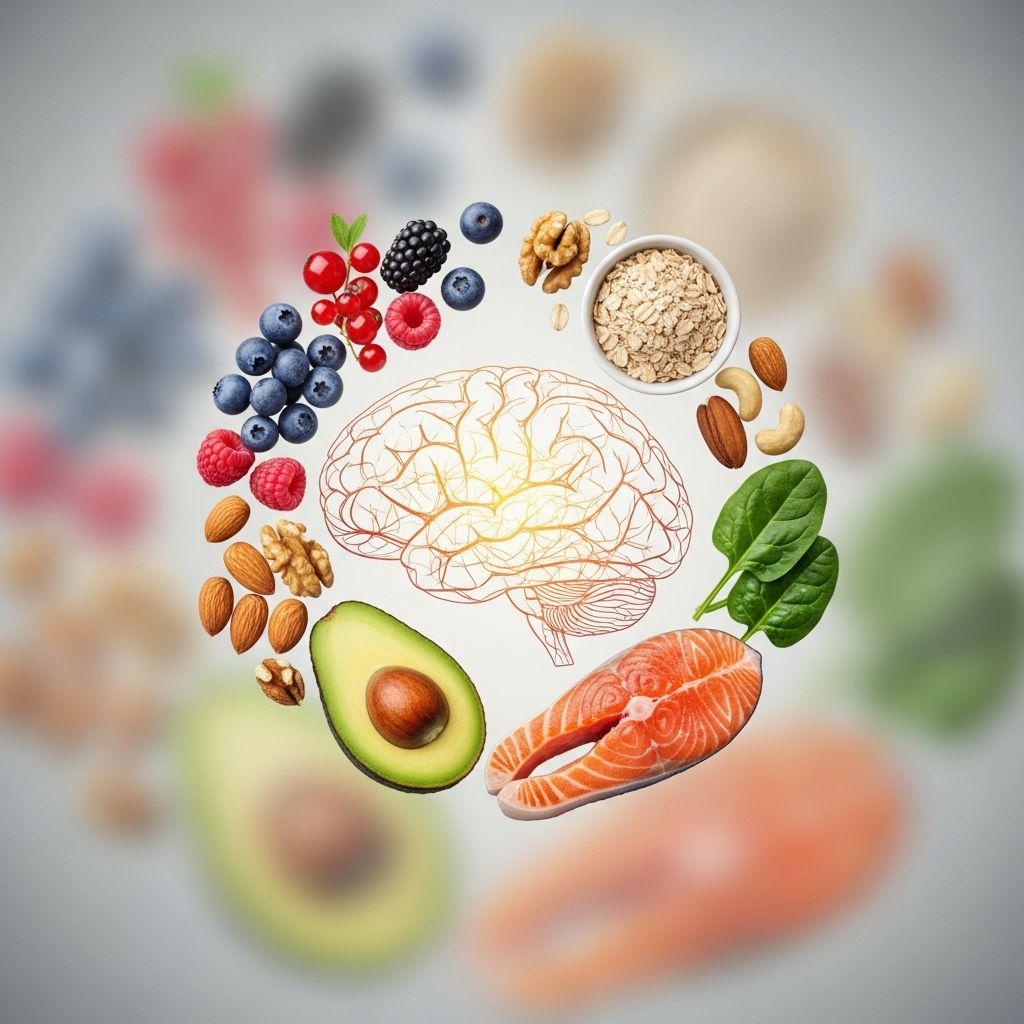
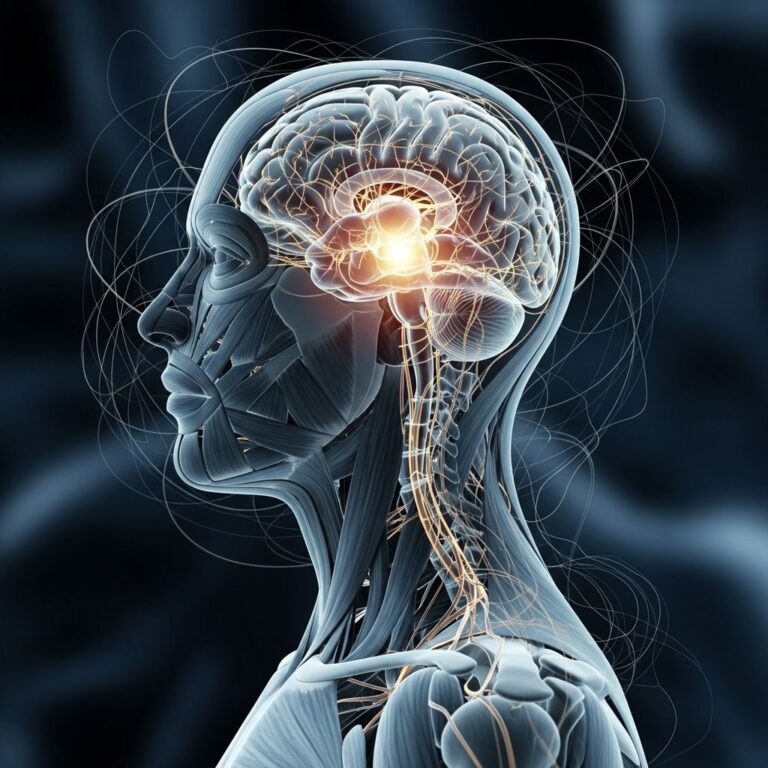
Proper nutrition plays a pivotal role in managing Parkinson’s disease (PD), helping to alleviate symptoms, improve medication absorption, and support overall health. A well-planned diet can address common challenges like constipation, weight fluctuations, and motor symptom fluctuations while promoting long-term brain health.
Why Diet Matters in Parkinson’s Management
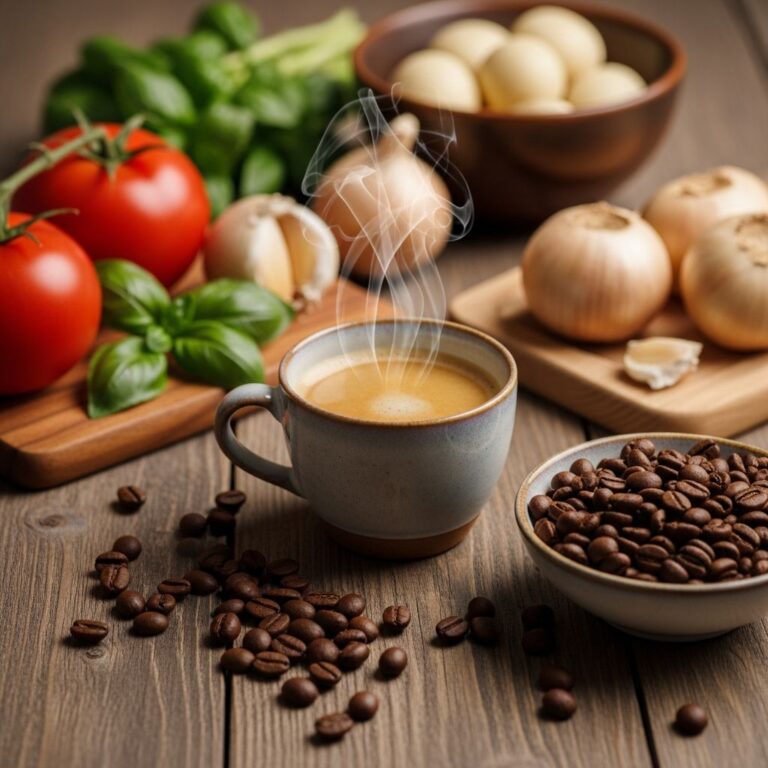
Parkinson’s affects not only movement but also appetite, swallowing, and digestion, making targeted nutrition essential. Research indicates that diets rich in plant-based foods, antioxidants, and adequate proteins can slow symptom progression and enhance quality of life. For instance, higher intake of fruits, vegetables, nuts, and olive oil correlates with reduced PD advancement.
Nutritional strategies focus on optimizing levodopa—a key PD medication—by managing protein intake, ensuring hydration, and incorporating fiber to combat gastrointestinal issues. Collaborating with dietitians ensures personalized plans that account for individual symptoms and medication regimens.
Core Dietary Patterns for PD Protection
Several evidence-based diets show promise for PD patients. The Mediterranean diet, emphasizing vegetables, fruits, whole grains, legumes, nuts, fish, and olive oil, supports brain health and may delay symptom onset. Similarly, the MIND diet, blending Mediterranean and DASH principles, prioritizes berries, leafy greens, and minimal red meat, linking to slower PD progression when adopted pre-diagnosis.
| Diet Type | Key Components | PD Benefits |
|---|---|---|
| Mediterranean | Vegetables, fruits, fish, olive oil, nuts | Reduces inflammation, supports neuroprotection |
| MIND | Berries, greens, whole grains, poultry | Delays motor symptoms, improves cognition |
| Plant-Based | High-fiber plants, low saturated fats | Manages constipation, aids weight stability |
Avoid Western-style diets high in beef, fried foods, and processed items, as they accelerate symptoms. Instead, prioritize whole foods for antioxidants that shield neurons from oxidative stress.
Protein Management and Levodopa Optimization
Levodopa absorption competes with dietary proteins, potentially causing “off” periods. Experts recommend protein redistribution: consuming most protein at dinner and distributing smaller amounts evenly during the day. Aim for 0.8 grams of protein per kilogram of body weight daily, calculated as body weight in pounds multiplied by 0.36.
- Breakfast: Low-protein, e.g., oatmeal with berries.
- Midday: Small protein portions like yogurt or nuts.
- Evening: Higher protein from lean sources like fish or tofu.
Studies show this approach reduces levodopa doses and motor fluctuations by up to 82% in responsive patients. Plant proteins (beans, lentils) offer anti-inflammatory benefits without hindering absorption as much as animal sources. Iron supplements and high vitamin B6 should be timed separately from levodopa.
Combating Constipation and Ensuring Hydration
Constipation affects up to 70% of PD patients due to slowed gut motility. Increase dietary fiber to 25-40 grams daily from sources like whole grains, fruits, and vegetables, paired with 1.5-2 liters of fluid.
- Soluble fibers: Oats, apples, psyllium (if needed).
- Insoluble fibers: Bran, leafy greens.
- Probiotic-rich foods: Yogurt, kefir, sauerkraut for gut health.
Regular meals, including breakfast, prevent skipping and maintain energy. If fiber intake is insufficient, consider supplements like psyllium under medical guidance.
Essential Nutrients and Supplementation
PD increases needs for certain vitamins. Vitamin D (from sunlight, fortified foods, or supplements) supports bone health, while B12 addresses potential deficiencies from medications. Antioxidants in berries, nuts, and green tea combat oxidative damage.
Limit iron and manganese supplements to avoid excess, and consult providers before adding coenzyme Q10 or creatine, as evidence is mixed. A study of over 1,000 PD patients found fresh produce and non-fried fish protective against progression.
Related Stories



Addressing Weight, Appetite, and Swallowing Challenges
Weight loss is common in PD due to increased energy expenditure and reduced intake. High-calorie snacks from nuts, avocados, and whole grains help maintain balance. For swallowing difficulties (dysphagia), opt for soft textures like smoothies or purees enriched with proteins and fibers.
Appetite changes may stem from medications or depression; small, frequent meals with appealing flavors encourage eating. Families can assist by preparing nutrient-dense options.
Sample Daily Meal Plan for PD
| Meal | Suggestions | Key Nutrients |
|---|---|---|
| Breakfast | Oatmeal with berries, almond milk | Fiber, antioxidants |
| Mid-morning Snack | Apple with a few nuts | Fiber, healthy fats |
| Lunch | Quinoa salad with veggies, small tofu portion | Plant protein, vitamins |
| Afternoon Snack | Yogurt with chia seeds | Probiotics, omega-3s |
| Dinner | Grilled fish, sweet potatoes, greens | Protein, fiber |
| Evening | Herbal tea, fruit | Hydration, low-protein |
This plan totals ~0.8g/kg protein, 30g fiber, and emphasizes whole foods. Adjust based on needs.
FAQs
Can diet slow Parkinson’s progression?
Yes, patterns like MIND and Mediterranean diets, rich in plants and healthy fats, associate with delayed symptoms.
Should I avoid protein with levodopa?
Time proteins away from doses; redistribute intake for better efficacy.
What if I have swallowing issues?
Choose soft, moist foods and work with speech therapists.
Are supplements necessary?
Vitamin D and B12 may help; others require professional advice.
How much water daily?
1.5-2 liters, more if active.
Lifestyle Integration
Combine diet with exercise for optimal results. Active lifestyles minimize deconditioning, while nutrition fuels mobility. Regular check-ins with healthcare teams refine strategies as PD evolves.
References
- Dietetic guideline for Parkinson’s disease — ParkinsonNet. 2019-11. https://www.parkinsonnet.nl/app/uploads/sites/3/2019/11/PARKINSON1614-Guideline-Nutrition-A4-ENG.pdf
- Diet & Nutrition In Parkinson’s Disease — APDA. Accessed 2026. https://www.apdaparkinson.org/living-with-parkinsons-disease/diet-nutrition/
- Diet & Nutrition — Parkinson’s Foundation. Accessed 2026. https://www.parkinson.org/living-with-parkinsons/management/diet-nutrition
- Parkinson’s Disease – Nutrition Guide for Clinicians — PCRM. Accessed 2026. https://nutritionguide.pcrm.org/nutritionguide/view/Nutrition_Guide_for_Clinicians/1342007/all/Parkinson_s_Disease
- Primary Nutritional Issues with Parkinson’s Disease — eatrightPRO.org. Accessed 2026. https://www.eatrightpro.org/news-center/practice-trends/primary-nutritional-issues-with-parkinsons-disease
- Parkinson’s Disease Diet — Mass General Brigham. Accessed 2026. https://www.massgeneralbrigham.org/en/about/newsroom/articles/parkinsons-disease-diet
- The Role of Diet and Dietary Patterns in Parkinson’s Disease — PMC. 2022-11-10. https://pmc.ncbi.nlm.nih.gov/articles/PMC9654624/
Similar Articles








Read full bio of medha deb