Wound Healing Nutrition: Expert Tips For Faster Recovery
Essential dietary strategies for people with diabetes to accelerate wound recovery and prevent complications through balanced nutrition.
People with diabetes are prone to slow-healing wounds, particularly foot ulcers, due to impaired circulation, high blood sugar, and nutrient deficiencies. Proper nutrition plays a critical role in supporting the body’s natural healing processes by providing essential proteins, vitamins, minerals, and adequate calories. This article outlines key dietary strategies to enhance wound healing, emphasizing balanced meals, targeted nutrients, hydration, and blood sugar control. Consulting a registered dietitian nutritionist (RDN) is recommended for personalized plans.
Support Wound Healing with Good Nutrition
Wound healing is a complex process involving inflammation, tissue formation, and remodeling, which demands increased nutritional support. For individuals with diabetes, malnutrition is common and exacerbates delayed healing. Studies show that nutritional interventions, including higher protein and specific supplements, can significantly improve diabetic foot ulcer (DFU) outcomes.
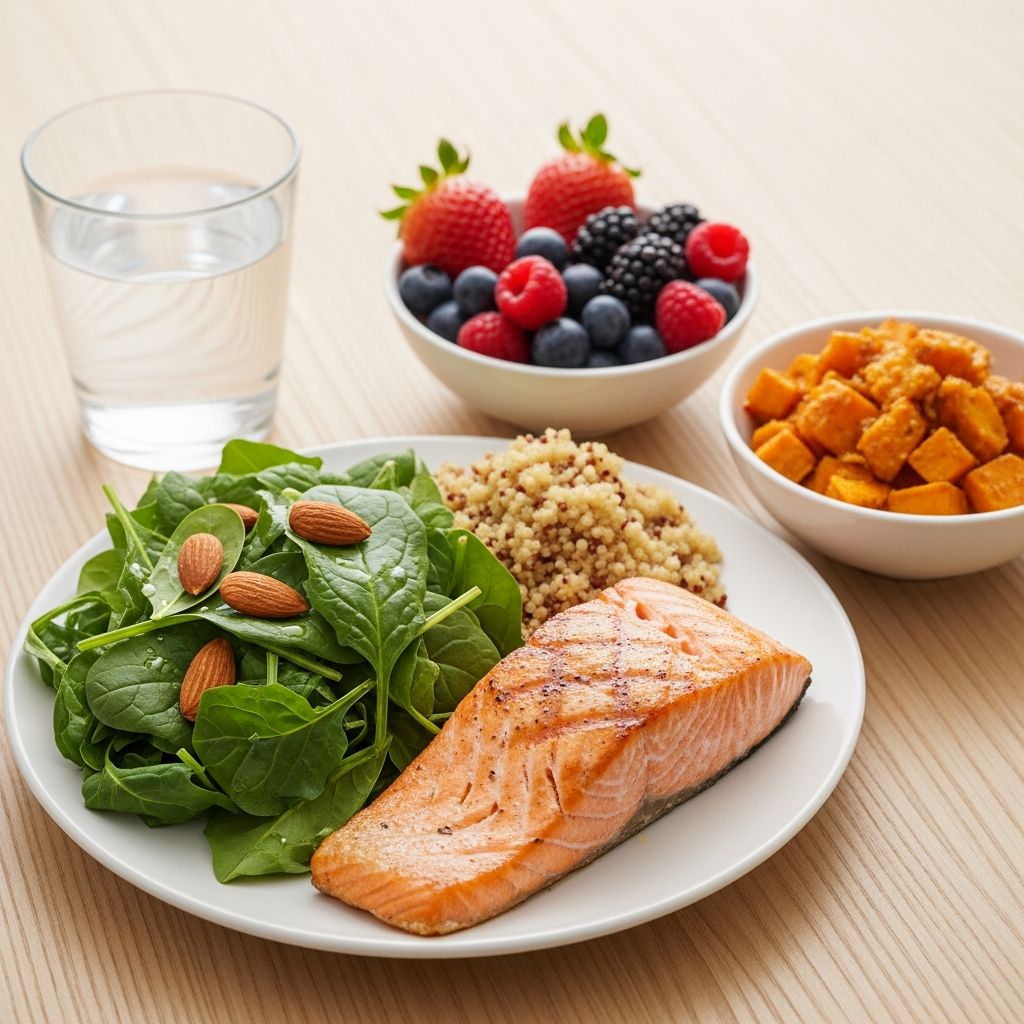
Adequate calorie intake from whole foods is foundational, as healing wounds increase energy needs by 30-50% or more, depending on wound size. Follow MyPlate guidelines: fill half your plate with fruits and vegetables, a quarter with whole grains, and a quarter with lean proteins, plus dairy or alternatives.
Plan Healthy, Balanced Meals and Snacks
Design meals incorporating all food groups to ensure comprehensive nutrient coverage. Aim for three meals and 1-2 snacks daily, with protein at each to maintain steady amino acid supply for tissue repair.
- Breakfast: Scrambled eggs with spinach and whole-grain toast (provides protein, vitamin C, and fiber).
- Lunch: Black bean tacos with salsa, avocado, and a side salad (plant-based protein, zinc from beans, antioxidants).
- Snack: Greek yogurt with berries (probiotics, vitamin C, calcium).
- Dinner: Grilled chicken, broccoli, quinoa, and a glass of low-fat milk (lean protein, vitamin C, zinc, whole grains).
This sample day delivers balanced macros: approximately 20-30g protein per meal, aligning with recommendations for 10-20g per eating occasion in wound patients.
Include Adequate Protein Throughout the Day
**Protein** is vital for collagen synthesis, immune function, and new tissue growth. Diabetic wound patients often need 1.25-1.5g protein per kg body weight daily, or higher (up to 2g/kg) for severe cases. Distribute intake evenly: 20-30g per meal/snack prevents muscle breakdown and supports sustained healing.
| Protein Source | Serving Size | Protein (g) | Additional Benefits |
|---|---|---|---|
| Chicken breast (grilled) | 3 oz | 25 | Zinc for immune support |
| Black beans (cooked) | 1/2 cup | 8 | Fiber for blood sugar control |
| Greek yogurt (plain, low-fat) | 6 oz | 17 | Probiotics, calcium |
| Salmon (baked) | 3 oz | 22 | Omega-3s reduce inflammation |
| Almonds | 1 oz (23 nuts) | 6 | Healthy fats, vitamin E |
Incorporate varied sources: animal (eggs, fish, poultry, dairy) for complete amino acids; plant (beans, lentils, nuts, tofu) for fiber. Zinc-rich options like beef, oysters, and fortified cereals enhance efficacy. Research confirms protein/amino acid supplements (e.g., arginine, glutamine, HMB) accelerate DFU closure in malnourished patients, with one RCT showing 13x faster area reduction.
Choose Foods Rich in Key Vitamins and Minerals
Related Stories



Certain micronutrients are depleted via wound exudate, necessitating dietary emphasis.
- Vitamin C: Essential for collagen cross-linking. RDA: 75-90mg/day, but wounds may require 100-200mg. Sources: strawberries (1 cup = 98mg), broccoli (1 cup = 81mg), bell peppers. Deficiency worsens DFU severity; supplementation prompts healing in deficient cases.
- Zinc: Supports cell proliferation and immunity. RDA: 8-11mg/day; higher for wounds. Sources: beef, chicken, beans, fortified grains, seafood. Oysters provide exceptional levels.
- Vitamin A: Promotes epithelialization. Sources: carrots, sweet potatoes, liver.
- Vitamin D: RCTs show 60,000 IU weekly reduces DFU size/depth vs. placebo.
- Omega-3 Fatty Acids: Modulate inflammation. Sources: fatty fish (salmon), flaxseeds, walnuts.
Avoid self-supplementing; consult providers, as excess can interact with diabetes meds.
Stay Well-Hydrated
Hydration maintains skin elasticity, transports nutrients, and flushes waste. Aim for 8-10 cups (64-80 oz) daily, more if active or feverish. Choose water, unsweetened tea, or infused water; limit sugary drinks that spike glucose.
Control Blood Sugar Levels
Hyperglycemia impairs immune response, collagen synthesis, and angiogenesis. Target A1C <7%; monitor carbs (45-60g/meal), pair with protein/fiber. Stable glucose halves infection risk and doubles healing rates.
Special Considerations for Diabetic Foot Ulcers
DFUs affect 15-25% of diabetes patients, risking amputation. Nutrition optimizes standard care (debridement, offloading). Australian guidelines recommend screening nutrition status if stalled; oral supplements if diet insufficient.
Probiotics may aid via gut-skin axis; more research needed. Herbs like turmeric combat inflammation.
Sample 3-Day Meal Plan for Wound Healing
| Day | Breakfast | Lunch | Snack | Dinner |
|---|---|---|---|---|
| 1 | Oatmeal w/ chia seeds, berries, yogurt (25g prot) | Turkey salad wrap w/ veggies (28g prot) | Cottage cheese & pineapple (15g prot) | Baked salmon, quinoa, broccoli (35g prot) |
| 2 | Eggs w/ spinach, whole-grain toast (22g prot) | Lentil soup, side salad (20g prot) | Apple w/ peanut butter (10g prot) | Chicken stir-fry w/ bell peppers, brown rice (30g prot) |
| 3 | Smoothie: yogurt, banana, spinach, flax (20g prot) | Tuna salad on greens (25g prot) | Handful almonds & cheese stick (12g prot) | Beef stir-fry w/ carrots, sweet potato (32g prot) |
Total daily: ~1.5g/kg protein, vitamin-rich, ~1800-2200 cal (adjust per needs).
Frequently Asked Questions (FAQs)
Why is protein crucial for wound healing in diabetes?
Protein supplies amino acids for collagen and tissue repair; diabetes increases needs due to losses from wounds. Aim 20-30g/meal.
Can supplements replace food for nutrients?
Food-first; supplements for deficiencies only, per provider. RCTs support targeted ones like HMB/arginine in select cases.
How does hydration affect healing?
It optimizes circulation and nutrient delivery; dehydration thickens blood, slowing recovery.
What role does blood sugar play?
High levels damage vessels/immune cells; control via diet enhances healing 2x.
When to see a dietitian?
If wounds stall, weight loss, or poor appetite; they tailor plans.
A registered dietitian nutritionist can work with you to develop an individualized eating plan that meets your specific needs, optimizing recovery and preventing recurrence.
References
- Nutrition Tips to Promote Wound Healing — Academy of Nutrition and Dietetics. 2023. https://www.eatright.org/health/health-conditions/diabetes/nutrition-tips-to-promote-wound-healing
- Nutrition tips to promote wound healing — Diabetes Education Services. 2023. https://diabetesed.net/nutrition-tips-to-promotes-wound-healing/
- Nutritional supplementation on wound healing in diabetic foot — National Institutes of Health (PMC). 2022-11-01. https://pmc.ncbi.nlm.nih.gov/articles/PMC9693742/
- Eating Well for Wound Healing — Alberta Health Services. 2023. https://www.albertahealthservices.ca/assets/info/nutrition/if-nfs-eating-well-for-wound-healing.pdf
Similar Articles








Read full bio of medha deb