Nutritional Psychiatry: Your Brain on Food
Discover how diet influences mental health and emotional well-being through nutritional psychiatry science.
Understanding Nutritional Psychiatry: Your Brain on Food
The relationship between what we eat and how we feel has long been recognized in folk wisdom, but only recently has the scientific community begun systematically studying this connection. Nutritional psychiatry represents an emerging field that bridges nutrition science and psychiatric medicine, examining how dietary patterns and specific nutrients influence mental health, emotional regulation, and cognitive function. This growing discipline recognizes that food is far more than fuel—it is information that communicates directly with our brain, affecting neurotransmitter production, inflammation levels, and overall neurological health.
The gut-brain axis has become central to understanding nutritional psychiatry. The gastrointestinal tract maintains constant communication with the brain through neural, hormonal, and immune pathways, creating a bidirectional relationship where diet influences mental state and mental state influences digestive function. Approximately 90% of the body’s serotonin—the neurotransmitter critical for mood regulation—is produced in the gastrointestinal tract rather than the brain itself, making digestive health foundational to mental wellness.
The Science Behind Food and Mental Health
Modern neuroscience has established that nutritional deficiencies directly impair brain function. Essential vitamins, minerals, amino acids, and fatty acids are required for neurotransmitter synthesis, myelin formation, and synaptic plasticity. When the diet lacks these critical nutrients, the brain cannot produce adequate quantities of chemicals necessary for mood regulation, stress response, and cognitive processing. Conversely, excessive consumption of processed foods, refined sugars, and unhealthy fats creates chronic inflammation that damages neural tissues and impairs the blood-brain barrier.
Research demonstrates that dietary patterns significantly predict mental health outcomes. The Mediterranean diet, characterized by abundant vegetables, fruits, whole grains, legumes, nuts, and olive oil, shows consistent associations with reduced depression and anxiety symptoms. Plant-based whole foods provide polyphenols, antioxidants, and other bioactive compounds that protect neuronal tissue from oxidative stress and support healthy inflammatory responses.
Key Nutritional Factors for Brain Health
Omega-3 Fatty Acids
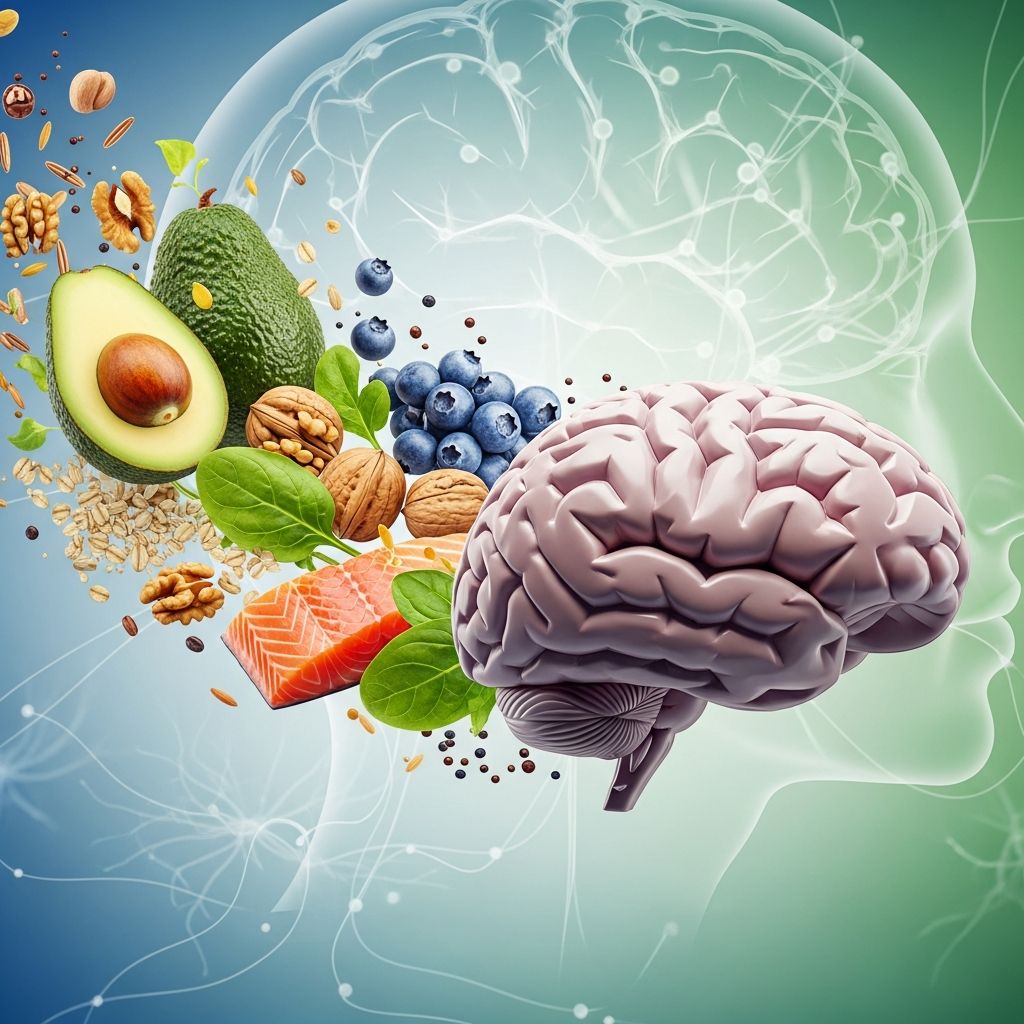
Omega-3 polyunsaturated fatty acids, particularly EPA and DHA, are structural components of neuronal cell membranes and are essential for synaptic transmission. These fatty acids reduce neuroinflammation and support the production of brain-derived neurotrophic factor (BDNF), a protein critical for neuroplasticity and mood regulation. Sources include fatty fish, flaxseeds, chia seeds, and walnuts.
B Vitamins
B vitamins function as cofactors in neurotransmitter synthesis and myelin formation. Deficiencies in B6, B12, and folate are associated with depression, anxiety, and cognitive decline. These vitamins are found in whole grains, legumes, leafy greens, and animal products, making dietary diversity essential for adequate intake.
Antioxidants and Polyphenols
Compounds such as curcumin from turmeric, anthocyanins from berries, and catechins from green tea protect brain cells from oxidative damage and support anti-inflammatory pathways. While these compounds alone are not treatments for psychiatric conditions, they contribute to overall neurological resilience when part of a comprehensive dietary approach.
Minerals and Trace Elements
Related Stories



Magnesium regulates neurotransmitter function and supports stress response; zinc is critical for immune function and neuroplasticity; iron facilitates oxygen transport to brain tissues. Deficiencies in these minerals impair cognitive function and mood regulation, making mineral-rich foods fundamental to mental health nutrition.
Dietary Patterns That Support Mental Health
The Mediterranean Diet
The Mediterranean dietary pattern emphasizes vegetables, fruits, whole grains, legumes, nuts, and olive oil, with moderate fish consumption and limited red meat. Clinical trials, including the SMILES study conducted at the Food and Mood Centre in Australia, demonstrate that this pattern significantly reduces depression symptoms and improves psychological well-being. The diet’s emphasis on whole foods, minimal processing, and abundant plant matter provides comprehensive micronutrient support while minimizing pro-inflammatory processed foods.
Plant-Based Whole Foods
Growing evidence supports plant-based, whole food-focused diets for optimizing mental and physical health. These diets provide diverse polyphenol compounds, fiber for healthy gut microbiota, and complete amino acid profiles when properly planned with varied legumes, grains, nuts, and seeds. Plant-based approaches minimize environmental impact while supporting neurological health through reduced saturated fat and increased antioxidant intake.
Emerging Research on Ketogenic Diets
Preliminary research suggests that ketogenic diets—characterized by high fat, moderate protein, and very low carbohydrate intake—may offer therapeutic benefits for certain psychiatric conditions, particularly bipolar disorder and schizophrenia. These diets alter brain energy metabolism and may reduce neuroinflammation, though long-term safety and efficacy require further investigation. Such dietary interventions should only be pursued under medical supervision.
Five Core Areas of Nutritional Psychiatry
Nutritional psychiatry encompasses five primary intervention strategies, each targeting different aspects of the diet-brain relationship:
1. Dietary Addition
Adding specific nutrients or whole foods to support brain function. This includes increasing consumption of omega-3 rich foods, antioxidant-rich vegetables and fruits, and nutrient-dense whole grains to provide essential cofactors for neurotransmitter synthesis and neuronal protection.
2. Dietary Elimination
Removing foods that may exacerbate psychiatric symptoms. This includes reducing processed foods, refined sugars, excessive sodium, and other pro-inflammatory ingredients that may impair brain function and trigger mood instability in susceptible individuals.
3. Nutritional Supplementation
Using targeted vitamin and mineral supplementation when dietary intake is insufficient. However, supplements should complement rather than replace whole food nutrition, as food provides nutrient synergies and phytochemical compounds that isolated supplements cannot replicate.
4. Fasting and Metabolic Interventions
Employing time-restricted eating, intermittent fasting, or ketogenic approaches to modulate brain metabolism and potentially enhance mental health outcomes. These interventions alter neurotransmitter production and inflammatory markers, though individual responses vary considerably.
5. Microbiome Optimization
Supporting a healthy gut microbiota through diverse plant foods, fermented foods, and prebiotics. The gut microbiota produces neurotransmitters, regulates immune function, and influences the permeability of the blood-brain barrier, making microbial health essential to psychiatric well-being.
Foods That Support Mental Resilience
Certain foods consistently demonstrate associations with improved mental health outcomes and should feature prominently in a brain-supportive diet:
Leafy Greens
Spinach, kale, and other dark leafy greens are rich in folate, magnesium, and antioxidants. These nutrients support neurotransmitter synthesis and protect against neurodegeneration.
Fatty Fish
Salmon, mackerel, and sardines provide EPA and DHA omega-3 fatty acids essential for neuronal membrane structure and synaptic function. For those avoiding fish, algae-based supplements offer plant-derived omega-3s.
Berries
Blueberries, blackberries, and raspberries contain anthocyanins and other polyphenols that cross the blood-brain barrier and exert neuroprotective effects through antioxidant and anti-inflammatory mechanisms.
Legumes
Beans, lentils, and chickpeas provide complete proteins, fiber for microbial health, and minerals including magnesium and zinc. Their low glycemic impact supports stable blood sugar and mood regulation.
Nuts and Seeds
Almonds, walnuts, flaxseeds, and chia seeds provide omega-3 fatty acids, mineral-rich compounds, and vitamin E that support neuronal protection and synaptic plasticity.
Turmeric and Spices
Curcumin from turmeric demonstrates anti-inflammatory and antioxidant properties that may support cognitive function. Other spices including ginger, cinnamon, and oregano contain bioactive compounds supporting neurological health.
Foods to Limit for Optimal Mental Health
Conversely, certain dietary components may exacerbate psychiatric symptoms and should be minimized or eliminated:
Processed and Ultra-Processed Foods
These products are typically high in added sugars, unhealthy fats, artificial additives, and sodium while lacking essential nutrients. They promote chronic inflammation and dysbiosis (microbial imbalance) that impair mental health.
Refined Carbohydrates
White bread, pastries, and sugary cereals cause rapid blood glucose spikes followed by crashes, creating mood instability, anxiety, and fatigue. Whole grain alternatives provide sustained energy and fiber for healthy microbial populations.
Excessive Sugar
High sugar consumption is associated with depression, anxiety, and cognitive impairment. Sugar promotes neuroinflammation, dysbiosis, and dysregulation of reward pathways in the brain.
Trans Fats
Partially hydrogenated oils impair neuronal membrane function and promote systemic inflammation. These should be eliminated entirely from the diet.
The Gut Microbiome: Your Second Brain
The gut microbiota—the collection of trillions of microorganisms inhabiting the digestive tract—profoundly influences mental health through multiple mechanisms. The microbiota synthesizes neurotransmitters, produces short-chain fatty acids that nourish the intestinal barrier, and modulates immune function that impacts neuroinflammation. Dysbiosis (microbial imbalance) is increasingly recognized as contributing to depression, anxiety, and other psychiatric conditions.
Dietary diversity is fundamental to microbiota health. Consuming 30 or more different plant species weekly supports a diverse microbial community capable of producing a full spectrum of beneficial metabolites. Fermented foods including sauerkraut, kimchi, and yogurt introduce beneficial bacteria, while prebiotic foods including asparagus, onions, and garlic provide fuel for these microorganisms.
Nutritional Psychiatry as Complementary Treatment
It is essential to clarify that nutritional psychiatry complements rather than replaces psychiatric medications and psychotherapy. For moderate to severe conditions including bipolar disorder, schizophrenia, major depression, and anxiety disorders, medication management remains essential. However, optimizing nutrition may allow some patients to achieve symptom control at lower medication doses or with fewer medications when combined with pharmaceutical interventions.
Nutritional psychiatry is best conceptualized as part of a comprehensive treatment approach that includes medication when indicated, psychotherapy, physical activity, sleep hygiene, and stress management. Working with healthcare providers including psychiatrists, therapists, and registered dietitians ensures that dietary modifications are appropriate for individual circumstances and do not interfere with necessary medical treatment.
Implementing Nutritional Psychiatry in Daily Life
Practical Steps for Mental Health Nutrition
Begin by assessing current dietary patterns and gradually increasing whole food consumption while reducing processed products. Focus on adding colorful vegetables and fruits rather than eliminating foods, which creates a positive psychological framework. Aim for dietary diversity, consuming varied plant foods across different colors and types to maximize micronutrient and phytochemical intake.
Plan meals intentionally, dedicating time to shopping and preparation. Meal planning reduces reliance on convenient processed foods and ensures regular nutrient intake. Consider consulting a registered dietitian experienced in nutritional psychiatry to develop an individualized plan addressing specific mental health goals and medical considerations.
Future Directions in Nutritional Psychiatry
The field of nutritional psychiatry continues to expand with ongoing clinical trials investigating dietary interventions for specific psychiatric conditions. Research examining the gut microbiota’s role in mental health promises to yield more targeted dietary recommendations. Personalized nutrition approaches considering individual genetic profiles, microbiota composition, and metabolism may eventually allow clinicians to prescribe specific diets as precisely as pharmaceutical interventions.
However, the field must remain grounded in rigorous science, carefully distinguishing between preliminary findings and established treatments. Claims that specific foods cure psychiatric conditions or can replace medications lack scientific support and may discourage necessary medical treatment. The evidence base continues developing, requiring ongoing research to clarify which populations benefit from which dietary interventions.
Frequently Asked Questions
Q: Can diet alone treat mental illness?
A: No. While dietary optimization supports mental health, moderate to severe psychiatric conditions require medication and psychotherapy. Nutritional psychiatry complements these treatments but does not replace them.
Q: How long does it take to notice mental health improvements from dietary changes?
A: Individual responses vary, but many people notice mood and energy improvements within 2-4 weeks of adopting a nutrient-dense diet. More significant psychiatric symptom changes may require several months.
Q: Are supplements necessary for mental health nutrition?
A: Whole foods should be the foundation of nutritional psychiatry. Supplements are appropriate when dietary intake is insufficient, but should complement rather than replace whole food nutrition.
Q: Is a vegetarian diet sufficient for mental health?
A: Yes, when properly planned to include complete proteins, omega-3 sources, and adequate minerals, a plant-based diet can fully support mental health with appropriate supplementation.
Q: How does the gut microbiome affect mental health?
A: The microbiota produces neurotransmitters, regulates immune function affecting neuroinflammation, and produces short-chain fatty acids that nourish the intestinal barrier and influence the brain.
References
- Nutritional Psychiatry: Where to Next? — Felice Jacka, Food and Mood Centre. 2017. Research article on establishing nutritional psychiatry as an emerging field.
- Nutritional Psychiatry: Emerging Field Reveals that Dietary Habits Impact Mental Health — Journal of Integrative and Complementary Medicine. 2024. https://www.liebertpub.com/doi/10.1089/ict.2024.29117.jha
- Brief Introduction to Nutritional Psychiatry — Lindner Center of HOPE. 2024. https://lindnercenterofhope.org/blog/brief-introduction-to-nutritional-psychiatry/
- Diets and Disorders: Can Foods or Fasting Be Considered Psychopharmacological Therapies? — Christopher Palmer, MD, Harvard Medical School. 2019. Research on dietary interventions in psychiatry.
- The SMILES Trial: Diet and Depression Study — Food and Mood Centre, University of Melbourne. 2017. Clinical trial demonstrating Mediterranean diet benefits for depression.
Similar Articles








Read full bio of medha deb