Nutritional Strategies To Ease Anxiety: 4 Key Nutrients
Discover how diet and nutrition can naturally reduce anxiety and improve mental health.
Nutritional Strategies to Ease Anxiety: A Comprehensive Guide
Anxiety affects millions of people worldwide, and while there are various treatment approaches available, research increasingly shows that what we eat can significantly impact our mental health and anxiety levels. Harvard Health Publishing has highlighted numerous dietary and nutritional strategies that can help ease anxiety symptoms. Understanding the connection between nutrition and mental wellness is essential for anyone seeking to manage anxiety naturally and effectively.
The relationship between food and mental health is not merely anecdotal; scientific research demonstrates that certain nutrients and dietary patterns can influence brain chemistry, stress hormone levels, and overall emotional resilience. By incorporating specific foods and nutritional strategies into your daily diet, you can support your body’s natural mechanisms for managing stress and anxiety.
The Gut-Brain Connection and Anxiety
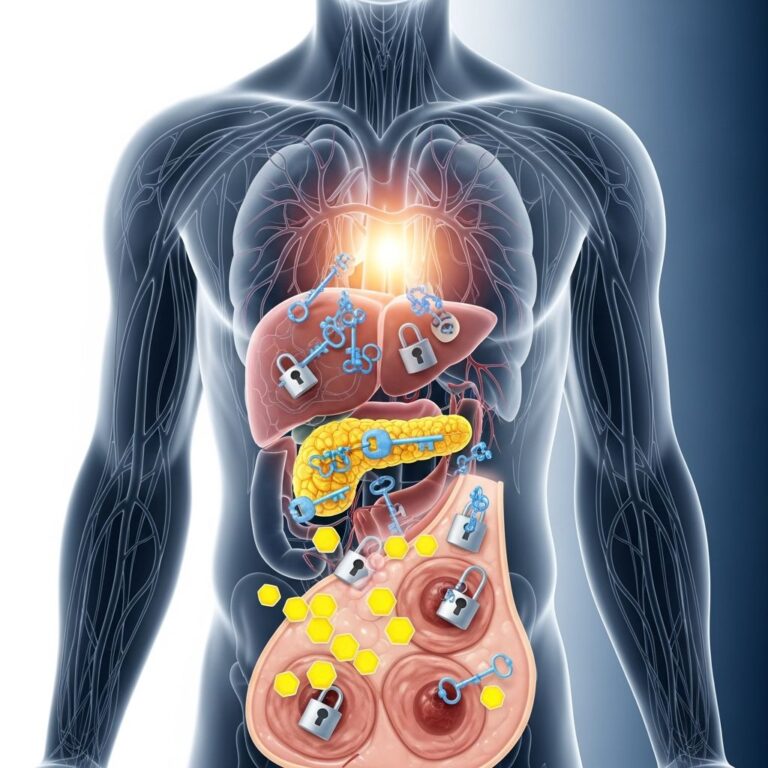
Recent research has illuminated the profound connection between gut health and mental well-being, often referred to as the gut-brain axis. The digestive system is lined with nerve cells that communicate directly with the brain, and the bacteria in your gut produce neurotransmitters that influence mood and anxiety levels. When you consume nutrient-rich foods that support healthy gut bacteria, you are essentially supporting your mental health from the inside out.
A balanced diet that includes fiber-rich foods, fermented products, and prebiotic foods can enhance gut health and, consequently, reduce anxiety symptoms. The intestinal microbiome plays a crucial role in producing serotonin, a neurotransmitter essential for mood regulation. Approximately 90% of the body’s serotonin is produced in the gut, making digestive health a cornerstone of anxiety management.
Key Nutrients That Combat Anxiety
Several specific nutrients have been identified as particularly effective in reducing anxiety symptoms. Understanding which nutrients to prioritize can help you make more informed dietary choices.
Omega-3 Fatty Acids
Omega-3 polyunsaturated fats are among the most thoroughly researched nutrients for anxiety management. These essential fats are crucial for brain function and have been shown to reduce inflammation and support neurotransmitter production. Fish such as salmon, sardines, and mackerel are excellent sources of omega-3 fatty acids. For vegetarians and vegans, flaxseeds, chia seeds, walnuts, and algae supplements provide plant-based alternatives.
Studies have demonstrated that individuals with adequate omega-3 intake experience lower anxiety levels and improved mood stability. The recommended approach is to consume omega-3 rich foods several times per week or consider supplementation after consulting with a healthcare provider.
Zinc and Anxiety Reduction
Zinc is a mineral essential for brain function and has been linked to lowered anxiety levels. This trace element plays a vital role in neurotransmitter synthesis and immune function. Foods rich in zinc include oysters, cashews, liver, beef, pumpkin seeds, and egg yolks. For vegetarians, legumes, nuts, and seeds provide adequate zinc content, though plant-based zinc is less readily absorbed than animal sources.
Research indicates that zinc deficiency may contribute to anxiety and depression, making it important to ensure adequate intake through dietary sources or supplementation when necessary.
B Vitamins and Stress Response
B vitamins, particularly B6, B12, and folate, are essential cofactors in neurotransmitter synthesis and stress hormone regulation. These vitamins help convert amino acids into serotonin and dopamine, neurotransmitters that promote mood stability. Whole grains, leafy greens, legumes, eggs, and dairy products are excellent sources of B vitamins.
Related Stories



When stress depletes B vitamin stores, supplementation or increased dietary intake can help restore balance and reduce anxiety symptoms.
Magnesium for Nervous System Calming
Magnesium is a mineral that acts as a natural relaxant for the nervous system. It regulates neurotransmitters and reduces the stress response by blocking the binding of adrenaline to nerve cells. Dark leafy greens like spinach and kale, nuts, seeds, legumes, and whole grains are rich in magnesium.
Many people with anxiety are magnesium deficient, and increasing intake through food or supplementation can provide significant relief from anxiety symptoms.
Foods That Reduce Anxiety
Beyond individual nutrients, certain whole foods have been identified as particularly beneficial for anxiety management due to their comprehensive nutrient profiles.
Leafy Greens and Vegetables
Dark leafy greens such as spinach, kale, and lettuce are nutritional powerhouses for anxiety management. These vegetables contain magnesium, folate, and other B vitamins essential for stress regulation. Incorporating steamed or sautéed leafy greens into your meals provides a simple way to boost your nutrient intake.
Fatty Fish
Fatty fish like salmon, mackerel, and sardines are rich in omega-3 fatty acids and vitamin D, both crucial for mental health. These foods provide complete protein and stable blood sugar, which helps prevent anxiety fluctuations triggered by blood sugar crashes.
Berries and Antioxidant-Rich Foods
Blueberries, strawberries, and other berries are loaded with antioxidants that combat oxidative stress associated with anxiety and depression. These fruits also contain polyphenols that support gut health and neurotransmitter production.
Nuts and Seeds
Almonds, walnuts, flaxseeds, and pumpkin seeds provide magnesium, zinc, and omega-3 fatty acids. These nutrient-dense snacks offer a convenient way to support anxiety management throughout the day.
Fermented Foods
Fermented foods such as yogurt, kefir, sauerkraut, and kombucha contain probiotics that support healthy gut bacteria. A healthy microbiome is essential for optimal neurotransmitter production and reduced anxiety.
Foods and Substances to Limit or Avoid
While certain foods help ease anxiety, others can worsen symptoms. Chronic stress already creates a chain reaction of behaviors that negatively affects eating habits. Understanding which foods to minimize can be as important as knowing which ones to emphasize.
Caffeine and High-Sugar Foods
Caffeine is a stimulant that can trigger or exacerbate anxiety symptoms by increasing heart rate and activating the fight-or-flight response. High-sugar foods and refined carbohydrates cause blood sugar spikes and crashes that destabilize mood and anxiety levels. Instead of reaching for energy drinks or sugary snacks, opt for whole foods that provide sustained energy.
Alcohol and Processed Foods
While alcohol may temporarily reduce anxiety, it disrupts sleep quality and neurotransmitter balance, ultimately worsening anxiety over time. Processed foods high in trans fats, sodium, and artificial additives can promote inflammation and negatively impact brain health.
Excessive Salt
Diets high in sodium can increase stress hormones and blood pressure, exacerbating anxiety. Reducing processed food intake naturally lowers sodium consumption.
Practical Dietary Strategies for Anxiety Management
Meal Planning and Preparation
Chronic stress often leads to poor eating choices because people lack time or motivation to prepare nutritious meals. Planning meals in advance ensures you have healthy options available and reduces the temptation to rely on fast food or processed snacks. Dedicating a few hours each week to meal preparation can significantly improve your dietary consistency and anxiety management.
Mindful Eating Practices
Mindful eating counteracts stress by encouraging deep breaths, thoughtful food choices, and focused attention on meals. When we “stress-eat,” we consume food quickly without noticing quantity, leading to overeating and guilt. Mindful eating involves chewing slowly, savoring flavors, and paying attention to hunger and fullness cues. This practice helps distinguish between physical hunger and emotional eating triggered by anxiety.
Regular Meal Timing
Eating at consistent times maintains stable blood sugar levels and supports steady energy and mood throughout the day. Skipping meals or eating irregularly can trigger anxiety symptoms and poor food choices.
Hydration
Dehydration can exacerbate anxiety and stress symptoms. Drinking adequate water throughout the day supports optimal brain function and nervous system regulation. Aim for at least eight glasses of water daily, adjusting for activity level and climate.
Complementary Lifestyle Factors
While nutrition is crucial, anxiety management requires a holistic approach incorporating multiple lifestyle factors. Using diet and lifestyle strategies such as exercise, spending time outdoors, managing sleep, and maintaining hydration can help manage anxiety and improve mental health.
Regular Physical Activity
Physical activity lowers blood pressure and stress hormone levels significantly. Aerobic exercise like walking and dancing increases breathing and heart rate, allowing more oxygen to reach cells throughout the body and reducing muscular tension.
Quality Sleep
Stress can cause heightened alertness and disrupted sleep patterns. Chronic sleep restriction increases cortisol levels, perpetuating anxiety. Aim for 7-9 hours of quality sleep nightly by establishing a consistent bedtime routine and limiting screen time before bed.
Meditation and Deep Breathing
Fast, shallow breathing and erratic thoughts occur in response to stress. Practicing slow, deep breathing reduces muscular tension, lowers heart rate, and calms the mind. Regular meditation supports anxiety management by training the nervous system to respond more calmly to stressors.
Social Support
Feeling alone intensifies stress, while talking through concerns with trusted individuals reduces anxiety. Recognizing that your feelings are shared by others normalizes the experience and lowers stress levels.
Creating Your Anxiety-Reducing Meal Plan
Implementing nutritional strategies requires a practical, personalized approach. Begin by assessing your current diet and identifying which anxiety-reducing foods you already enjoy. Gradually incorporate additional nutrient-dense foods rather than making drastic dietary changes. Consider consulting with a registered dietitian who can provide individualized recommendations based on your specific health status and preferences.
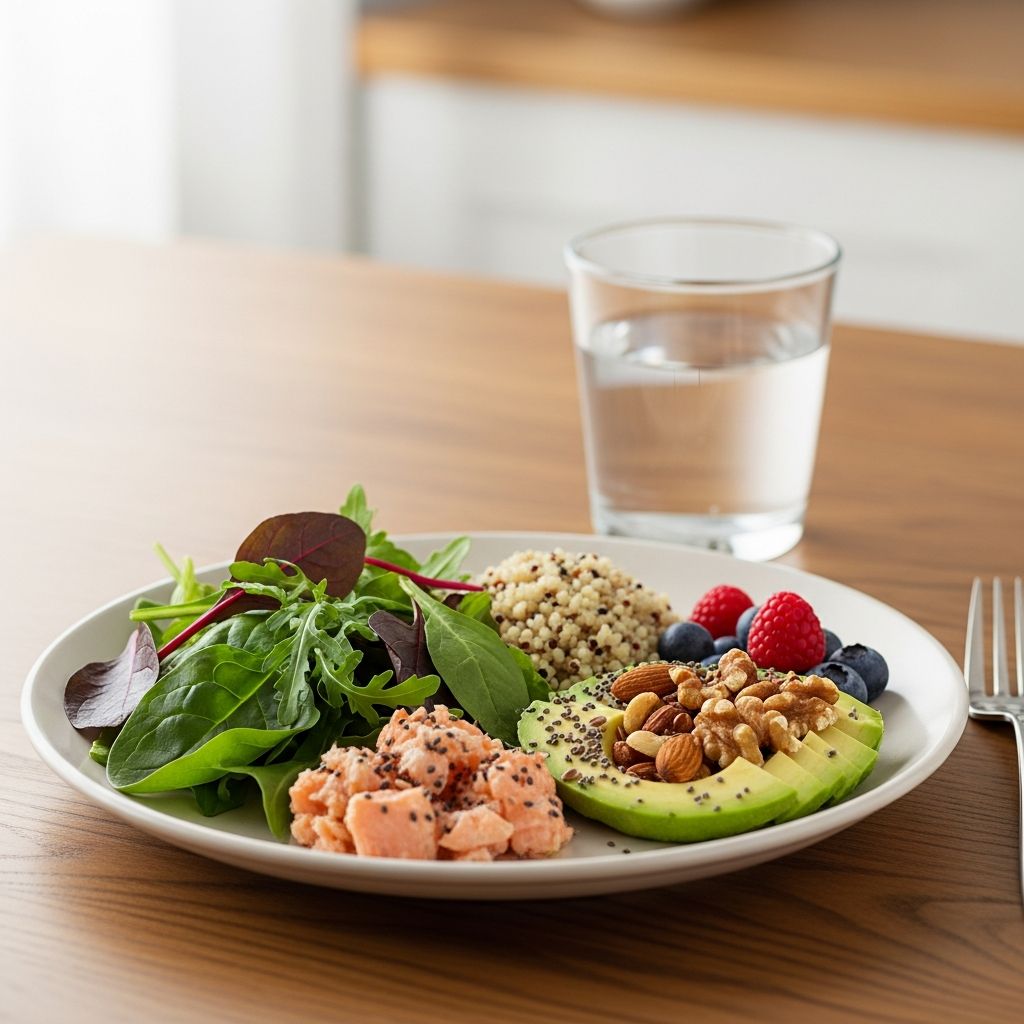
A sample day might include fatty fish rich in omega-3s for dinner, leafy greens in a lunch salad, berries as a snack, and nuts mixed into breakfast whole grains. By consistently choosing foods that support mental health, you create an environment where your brain and body can better manage anxiety naturally.
Frequently Asked Questions
Q: How quickly can dietary changes reduce anxiety?
A: While some benefits may be noticed within days or weeks, significant improvements typically develop over several weeks to months of consistent dietary changes. The body requires time to rebalance neurotransmitters and optimize nutrient stores.
Q: Can nutrition alone treat anxiety disorders?
A: While nutrition plays an important role, it should complement, not replace, professional mental health treatment. For moderate to severe anxiety, consult with a mental health professional about comprehensive treatment including therapy, medication if needed, and lifestyle modifications.
Q: Are supplements necessary, or can I get enough nutrients from food?
A: Whole foods should be your primary source of nutrients. However, supplementation may be appropriate for individuals with specific deficiencies or dietary restrictions. Consult with a healthcare provider before starting supplements.
Q: Which foods should I eliminate immediately?
A: Rather than strict elimination, focus on reducing caffeine, excess sugar, and processed foods gradually. This approach is more sustainable and allows you to identify which dietary changes most benefit your anxiety.
Q: How does the gut microbiome affect anxiety?
A: The gut produces neurotransmitters like serotonin and communicates directly with the brain. A healthy microbiome supported by fiber-rich and fermented foods reduces anxiety and improves mood stability.
References
- These Foods Can Help Relieve Anxiety and Fight Depression — Harvard Street, Jessica Brown (Anchor/Reporter). Boston: Mass General Hospital HealthCare Center. https://harvardstreet.org/these-foods-can-help-relieve-anxiety-and-fight-depression-boston-doctor-says/
- Stress and Health — The Nutrition Source — Harvard School of Public Health, Department of Nutrition. 2025. https://nutritionsource.hsph.harvard.edu/stress-and-health/
- Nutritional Strategies to Ease Anxiety — Harvard Health Publishing, Harvard Medical School. https://www.health.harvard.edu/blog/nutritional-strategies-to-ease-anxiety-201604139441
- How to Eat to Reduce Anxiety with Harvard Nutritional Strategies — Harvard Health Publishing. https://www.youtube.com/watch?v=RBRAAGCyAZ0
Similar Articles








Read full bio of Sneha Tete