Nutritional Yeast: Does This Savory Vegan Seasoning Pack a Nutritional Punch?
Discover whether nutritional yeast lives up to the hype as a nutrient-dense superfood for plant-based diets.
Nutritional yeast has become increasingly popular among vegans, vegetarians, and health-conscious eaters seeking an alternative to traditional seasonings and cheese. With its distinctive savory, umami flavor and impressive nutritional profile, this deactivated yeast product has earned a reputation as a superfood. But does nutritional yeast truly live up to the hype, or is it simply a trendy ingredient? This comprehensive guide explores the nutritional content, potential health benefits, and practical applications of nutritional yeast.
What Is Nutritional Yeast?
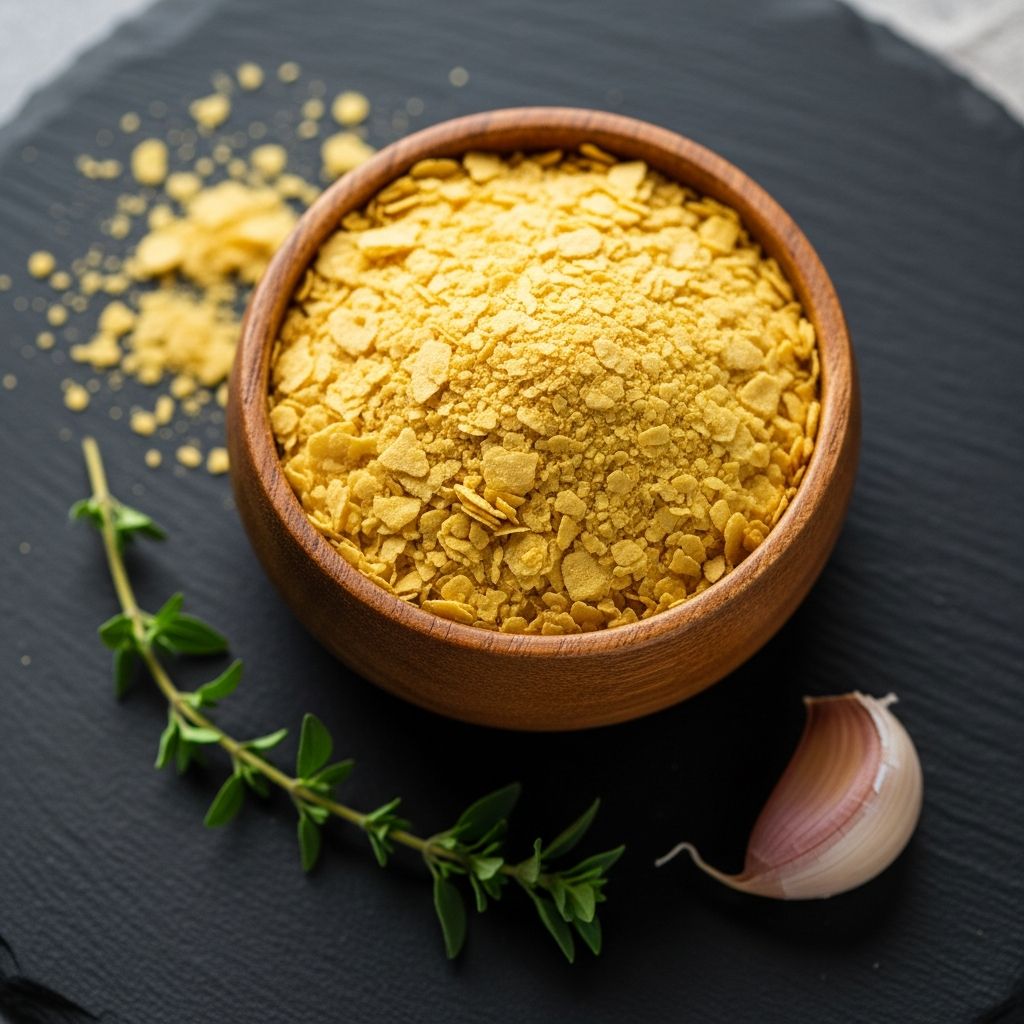
Nutritional yeast is a deactivated form of Saccharomyces cerevisiae, a single-celled fungus commonly used in baking and brewing. Unlike active dry yeast used in bread-making, nutritional yeast has been heat-treated to deactivate the organisms, making it unable to ferment. The result is a pale yellow powder or flake product with a distinctive cheesy, nutty flavor that enhances both savory and umami dishes.
Available in two main forms—fortified and unfortified—nutritional yeast offers different nutritional profiles depending on the manufacturer’s processing methods. Fortified varieties have synthetic B vitamins added during production, making them particularly valuable for those following plant-based diets.
Nutritional Profile: What’s Inside the Flakes
Just two tablespoons (approximately 10 grams) of fortified nutritional yeast deliver a remarkable array of nutrients. This small serving provides approximately 8 grams of protein, making it an excellent protein source for plant-based diets. The same serving contains roughly 2 grams of fiber, supporting digestive health, and only 3 grams of carbohydrate, keeping it low on the glycemic index.
One of nutritional yeast’s most significant advantages is its complete amino acid profile. Unlike many plant-based protein sources, nutritional yeast contains all nine essential amino acids that your body cannot synthesize independently. This makes it a complete protein comparable to animal-based sources, crucial for muscle repair, immune function, and overall cellular maintenance.
The micronutrient content of fortified nutritional yeast is particularly impressive:
- B vitamins: Thiamine (B1), riboflavin (B2), niacin (B3), pantothenic acid (B5), pyridoxine (B6), and cobalamin (B12)
- Trace minerals: Zinc, selenium, iron, and potassium
- Antioxidants: Glutathione and selenomethionine
- Carbohydrates: Alpha mannan and beta glucan
Key Health Benefits of Nutritional Yeast
Addresses B12 Deficiency in Plant-Based Diets
Perhaps the most important benefit of nutritional yeast for vegans and vegetarians is its ability to provide vitamin B12, a nutrient found naturally only in animal products. Vitamin B12 plays an essential role in red blood cell formation, neurological function, and DNA synthesis. Deficiency can lead to anemia, characterized by fatigue, weakness, and cognitive difficulties. By incorporating fortified nutritional yeast into regular meals, plant-based eaters can maintain adequate B12 levels without relying on animal products or supplementation alone.
Provides Energy and Supports Nervous System Function
The B vitamin complex in nutritional yeast—including thiamine, riboflavin, niacin, and B12—works synergistically to convert food into cellular energy and support nervous system function. Individuals following plant-based diets often experience energy deficiencies due to reduced intake of B vitamins, particularly those more readily available in animal products. Regular consumption of nutritional yeast can help bridge this nutritional gap, potentially improving energy levels and mental clarity.
Related Stories



Supports Heart Health
Nutritional yeast contains beta-glucan, a soluble fiber found in whole grains and other yeast products, which has been extensively studied for its cardiovascular benefits. Research demonstrates that beta-glucan can help reduce total cholesterol levels by approximately 6% when consumed regularly. Additionally, nutritional yeast is heart-healthy because it provides quality protein without artery-clogging saturated fat or dietary cholesterol, and it remains low in sodium. The chromium content in nutritional yeast may also help regulate blood sugar levels, reducing diabetes and heart disease risk.
Boosts Immune System Function
The beta-glucan and alpha mannan carbohydrates in nutritional yeast exhibit powerful immunomodulatory properties. Animal studies suggest these compounds offer antibacterial and antifungal benefits that may protect the body from infections. Beta-glucan appears to work by activating immune cells and positively influencing gut microbiome composition, thereby supporting overall immunity. Additionally, the high antioxidant content—including glutathione and selenomethionine—helps combat oxidative stress and reduce inflammation. One study found that people who regularly consumed nutritional yeast were 25% less likely to catch a cold than those who did not, and those who did become ill experienced less severe symptoms.
Promotes Dermatological and Hair Health
The B vitamins in nutritional yeast, particularly biotin (B7) and niacin (B3), play crucial roles in maintaining healthy skin, hair, and nails. These nutrients support cell regeneration, improve skin appearance, and promote stronger, shinier hair. Individuals deficient in these vitamins often experience brittle nails, hair loss, and skin conditions that improve with adequate intake.
Supports Digestive and Gut Health
With approximately 2 grams of fiber per tablespoon, nutritional yeast supports digestive health by adding bulk to stool and promoting regular bowel movements. The beta-glucan fiber may help prevent constipation and support beneficial gut bacteria. For most people, small amounts of nutritional yeast can enhance digestive function; however, excessive consumption may cause gas, bloating, and digestive discomfort in sensitive individuals.
May Aid Physical Recovery and Athletic Performance
Athletes and fitness enthusiasts may benefit from nutritional yeast’s unique composition. Studies have found that athletes who consumed yeast products containing beta-glucan experienced reduced post-workout fatigue, improved mood, and faster muscle recovery compared to placebo groups. Researchers believe this occurs because yeast helps restore white blood cells lost during intense exercise, promoting muscle repair and reducing inflammation. The high zinc content further supports muscle repair and regeneration.
Practical Uses and Serving Suggestions
Nutritional yeast’s versatility makes it easy to incorporate into various dishes. Its cheesy, umami flavor makes it particularly appealing as a seasoning without requiring additional salt or fat. Here are practical ways to use nutritional yeast:
- Sprinkle over popcorn for a savory, protein-rich snack
- Add to smoothies and protein shakes for nutritional boost
- Mix into soups and stews for umami depth
- Use as a cheese substitute in pasta dishes, risotto, and creamy sauces
- Season salads, roasted vegetables, and grain bowls
- Blend into dressings and dips
- Sprinkle on avocado toast, scrambled tofu, or grain-based breakfast bowls
Considerations and Potential Concerns
Not Suitable for Everyone
While nutritional yeast is safe for most people, certain populations should avoid or limit consumption. Individuals taking monoamine oxidase inhibitor (MAOI) medications should consult their healthcare provider before consuming nutritional yeast, as it contains tyramine, which can interact with these medications. People prone to migraines may experience triggers from tyramine consumption. Most importantly, individuals with inflammatory bowel diseases, particularly Crohn’s disease, may experience symptom flares from nutritional yeast, as it can trigger inflammatory responses.
Processing and Fortification Variability
Not all nutritional yeast products are fortified with B vitamins, and nutritional content varies significantly between brands. Always check product labels to verify B12 fortification and understand the complete nutrient profile. Unfortified nutritional yeast contains naturally occurring B vitamins but in much lower quantities.
Digestive Side Effects
Excessive consumption of nutritional yeast may cause digestive distress, including gas, bloating, and abdominal discomfort, particularly in individuals with sensitive digestive systems. Starting with small amounts and gradually increasing consumption allows the digestive system to adapt.
Nutritional Yeast Compared to Other Protein Sources
| Source | Protein (per serving) | Complete Protein | B12 (fortified) | Key Benefits |
|---|---|---|---|---|
| Nutritional Yeast (2 tbsp) | 8g | Yes | Yes | Complete amino acids, high B vitamins, antioxidants |
| Hemp Seeds (3 tbsp) | 10g | Yes | No | Omega-3 fatty acids, minerals |
| Legumes (1 cup cooked) | 15-18g | No | No | Fiber, iron, folate, affordable |
| Tofu (½ cup) | 10g | Yes | No | Versatile, low calorie, neutral flavor |
| Tempeh (3 oz) | 19g | Yes | No | Fermented, easier to digest, nutty flavor |
The Bottom Line: Is Nutritional Yeast Worth Adding to Your Diet?
Nutritional yeast genuinely deserves its reputation as a nutritional powerhouse, particularly for individuals following plant-based diets. Its complete amino acid profile, fortified B vitamins (especially B12), fiber content, and impressive antioxidant compounds make it a valuable dietary addition. The potential health benefits—from supporting immune function and heart health to promoting physical recovery—are supported by emerging scientific evidence.
However, nutritional yeast should not be considered a complete nutritional solution on its own. It works best as part of a diverse, well-planned plant-based diet that includes various protein sources, whole grains, legumes, and abundant vegetables. Additionally, it’s not appropriate for everyone, particularly those with certain medical conditions or taking specific medications.
For most people, incorporating 1-2 tablespoons of fortified nutritional yeast into regular meals is a safe, practical way to boost nutrient intake and enhance food flavor without adding excessive calories, fat, or sodium. When selecting a product, choose fortified varieties from reputable manufacturers to ensure consistent nutritional quality.
Frequently Asked Questions
Q: How much nutritional yeast should I consume daily?
A: Most sources recommend 1-2 tablespoons (10-20 grams) daily as a reasonable serving. This provides substantial B vitamins and protein without causing digestive distress. However, individual tolerance varies, so start with smaller amounts and adjust based on your digestive response.
Q: Does nutritional yeast taste like regular yeast?
A: No. Nutritional yeast has a distinctive cheesy, nutty, umami flavor quite different from active dry yeast. Most people find it pleasant and savory, making it ideal for seasoning without salt.
Q: Can I use nutritional yeast if I have a yeast sensitivity?
A: Individuals with yeast sensitivities or Candida concerns should consult their healthcare provider. While nutritional yeast is deactivated, it may still trigger symptoms in highly sensitive individuals. Crohn’s disease and other inflammatory bowel conditions warrant particular caution.
Q: Is nutritional yeast appropriate for children?
A: Yes, nutritional yeast is generally safe for children and can be an excellent way to ensure adequate B vitamins, particularly B12, in plant-based diets. Start with small amounts mixed into familiar foods, and monitor for any digestive sensitivity.
Q: How should I store nutritional yeast?
A: Store nutritional yeast in an airtight container in a cool, dry place. Proper storage maintains nutritional quality and prevents clumping. Some people refrigerate or freeze it for extended shelf life.
Q: Does cooking affect the nutritional value of nutritional yeast?
A: Most heat exposure doesn’t significantly diminish nutritional yeast’s B vitamins or other nutrients, though some degradation may occur at very high temperatures. For maximum nutrient retention, add nutritional yeast toward the end of cooking or sprinkle it on finished dishes.
References
- Nutritional Yeast: Nutrients, Health Benefits, and Uses — Healthline. 2024. https://www.healthline.com/nutrition/nutritional-yeast
- Top 5 Nutritional Yeast Benefits and How to Use It — Medical News Today. 2024. https://www.medicalnewstoday.com/articles/323245
- Nutritional Yeast: Is It Good for You? — WebMD. 2024. https://www.webmd.com/diet/nutritional-yeast-good-for-you
- What Is Nutritional Yeast Used for, and What Are Its Health Benefits? — GoodRx. 2024. https://www.goodrx.com/well-being/diet-nutrition/nutritional-yeast-benefits-facts-use
- Nutritional Yeast Benefits and Health Effects — Northwestern Health Sciences University. 2024. https://www.nwhealth.edu/news/meyer-jax-talks-nutritional-yeast-with-parade/
- Explore the Store: Nutritional Yeast — University of Georgia Health Center. 2024. https://healthcenter.uga.edu/explore-the-store-nutritional-yeast/
Similar Articles








Read full bio of medha deb