Building Muscle Mass: A Nutritious Approach to Healthy Weight Gain
Discover evidence-based strategies for gaining weight through proper nutrition and exercise.
For many people, gaining weight presents a unique challenge that differs significantly from weight loss efforts. While society often focuses on reducing caloric intake, individuals who are underweight face the opposite situation—they must strategically increase their nutritional consumption while maintaining their overall health. Understanding the difference between gaining weight through unhealthy means versus building a stronger, more muscular physique through proper nutrition is essential for long-term success.
Understanding What It Means to Be Underweight
Before embarking on any weight gain journey, it’s important to understand what underweight actually means from a medical perspective. Medical professionals typically define being underweight as having a body mass index (BMI) of less than 18.5, or weighing 15 to 20 percent below the typical weight range for a person’s age and height. However, these are just numbers—the real importance lies in understanding why you might be underweight and what underlying factors could be contributing to this condition.
Several factors can contribute to being underweight, ranging from genetic predisposition to lifestyle factors. Your metabolism, inherited from your family, plays a significant role in how your body processes food and stores energy. Additionally, if you lead an active lifestyle—whether as an athlete or someone who spends considerable time on their feet—you may naturally burn more calories than sedentary individuals, making weight gain more challenging.
The Critical Role of Medical Guidance
Before implementing any weight gain strategy, consulting with your healthcare provider is paramount. Being underweight can sometimes indicate an underlying health condition that diet modifications alone cannot address. Your doctor can identify whether your low weight results from medical issues, nutritional deficiencies, or simply your natural body composition. With professional guidance, you’ll receive personalized recommendations tailored to your specific situation and can track your progress effectively to ensure healthy changes are occurring.
Moving Beyond Empty Calories: The Nutrient-Density Principle
A common misconception about weight gain is that you can simply eat anything and everything to reach your target weight. While junk food certainly contains calories, it fails to provide the nutritional support your body needs. Consuming high amounts of sugar, salt, and unhealthy fats can lead to weight gain but simultaneously damage your cardiovascular system and overall health.
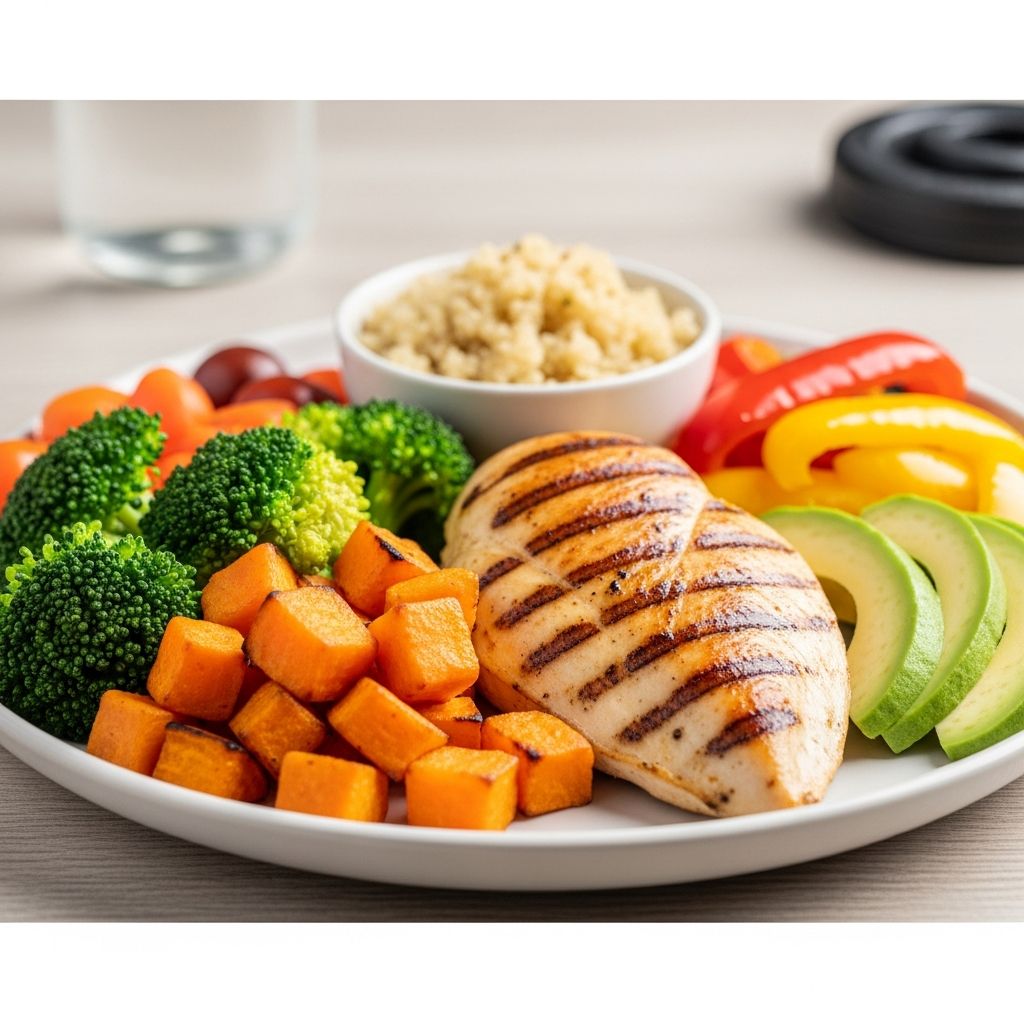
Instead, focus on nutrient-dense foods that pack substantial calories alongside essential vitamins, minerals, and macronutrients. High-protein meats such as chicken, beef, and fish help your body build muscle tissue rather than storing excess fat. Pair these proteins with complex carbohydrates like brown rice, quinoa, and whole grain breads to ensure your body receives sustained energy and fiber. This approach ensures that every calorie you consume contributes meaningfully to your health and fitness goals.
Increasing Caloric Intake Without Drastic Dietary Changes
You don’t need to completely overhaul your eating habits to gain weight successfully. Small, strategic additions to your current diet can significantly increase your caloric intake without making meals feel overwhelming. Consider these practical modifications:
- Top your meals with nutrient-rich toppings such as almonds, sunflower seeds, or pumpkin seeds
- Add cheese to casseroles, salads, and cooked vegetables
- Spread nut or seed butters on whole grain toast
- Drizzle olive oil or coconut oil over prepared dishes for additional caloric density
- Use full-cream milk in coffee, tea, and cooking
- Incorporate avocado into salads, sandwiches, and smoothies
Related Stories



These additions work synergistically because they don’t dramatically increase portion sizes, making them ideal for individuals with reduced appetites or those who feel overly full quickly.
Strategic Snacking: Between-Meal Nutrition
For individuals struggling with appetite issues related to medical or emotional circumstances, consuming three large meals daily may feel impossible. Strategic snacking throughout the day provides an alternative approach to meeting your caloric needs. Rather than choosing empty-calorie options, select snacks that combine protein and healthy fats to keep you satisfied and energized.
Excellent snack options include:
- Trail mix combining nuts, seeds, and dried fruits
- Protein bars and shakes
- Whole grain crackers paired with hummus or peanut butter
- Greek yogurt with nuts and honey
- Cheese and whole fruit combinations
- Homemade protein smoothies blended with whole milk, nut butter, and fruit
These options provide sustained energy without requiring you to consume massive quantities of food at once, making them particularly valuable for those with appetite challenges.
The Power of Nutrient-Dense Beverages
Smoothies and shakes represent an underutilized tool for weight gain, especially for people on the go. High-calorie, nutritious smoothies can deliver 400 to 600 calories along with substantial protein and essential vitamins in a single serving. Creating homemade versions gives you complete control over ingredients, allowing you to customize flavors while maximizing nutritional content.
A basic high-calorie smoothie might include whole milk, Greek yogurt, nut butter, banana, frozen berries, and a scoop of protein powder. You can enhance this further by adding avocado for healthy fats or spinach for micronutrients. Commercial meal replacement drinks like Ensure or Boost can also serve as convenient alternatives when time is limited.
However, be mindful of beverage timing. Drinking large quantities of any liquid—whether nutritious or not—before or during meals can create a feeling of fullness that prevents you from consuming adequate calories. Reserve most fluid intake for between-meal periods to maximize food consumption.
Meal Frequency: The Mini-Meal Strategy
Traditional three-meal-per-day patterns may not optimize weight gain for everyone. Shifting toward five to six smaller meals distributed throughout the day allows you to consume more total calories while avoiding the discomfort of excessive fullness. This approach works particularly well for individuals with diminished appetites or those recovering from illness.
To make this strategy effective, establish specific eating times rather than waiting for hunger signals, which may be unreliable. Keep nutritious foods readily accessible so you’re not tempted by convenient but less nutritious options when hunger strikes unexpectedly. Preparing meals in advance on designated days can streamline this process significantly.
Building Muscle Through Progressive Strength Training
Weight gain without corresponding muscle development results in fat accumulation rather than functional fitness improvements. Strength training transforms your weight gain efforts into meaningful physical development. Resistance exercises such as weightlifting and bodyweight training stimulate muscle growth, ensuring that the calories you consume contribute to muscle tissue rather than fat deposits.
Importantly, excessive aerobic exercise contradicts weight gain goals because it burns considerable calories without building muscle. Instead, focus on moderate-intensity strength training that challenges your muscles without creating excessive caloric deficit. As your muscle mass increases, your metabolism actually increases too, which can paradoxically make weight gain more challenging—highlighting the importance of consuming sufficient calories to support your training.
Light exercise also carries an often-overlooked benefit: it naturally stimulates appetite. For individuals struggling with poor appetite, gentle physical activity can trigger hunger signals, creating a positive feedback loop where exercise promotes eating, which provides the fuel for more effective training.
Caloric Targets and Progression
Rather than eating indiscriminately, establish specific caloric targets with your healthcare provider or registered dietitian. As a general baseline, adding 250 to 500 calories per day above your maintenance level typically supports steady, healthy weight gain. This moderate approach prevents excessive fat storage while allowing sufficient caloric surplus for muscle development when combined with strength training.
Your specific needs depend on numerous factors including your current weight, activity level, metabolism, and weight gain goals. A healthcare professional can calculate your individual requirements and help you adjust as your weight increases and your needs change.
Addressing Common Obstacles and Special Considerations
Several challenges frequently arise during weight gain efforts. Individuals with reduced appetites may benefit from consulting their doctor about medications that can boost hunger signals. Those struggling with meal preparation due to time constraints might explore meal delivery services or batch-cooking several days’ worth of meals simultaneously.
If adequate calories through food alone prove difficult, multivitamin and mineral supplements can address micronutrient gaps, though they shouldn’t replace whole foods as your primary nutrition source. Protein supplementation, available in whey, soy, egg, and pea varieties, provides convenient protein without requiring elaborate meal preparation.
Frequently Asked Questions About Healthy Weight Gain
Can I gain weight without gaining fat?
Yes, when you combine a caloric surplus with strength training, you can gain weight predominantly as muscle tissue. However, some fat gain is normal and necessary for overall health. The goal is to maximize muscle while minimizing excess fat through proper nutrition and exercise.
How long does healthy weight gain take?
Healthy weight gain typically progresses at 0.5 to 2 pounds per week, depending on your caloric surplus and training intensity. Slower progression is generally preferable as it allows your body to build muscle effectively.
What if I have no appetite?
Consulting your healthcare provider is essential, as appetite loss can indicate underlying conditions. In the meantime, smaller, more frequent meals with nutrient-dense smoothies and shakes may prove easier to consume than large portions.
Are protein supplements necessary?
While whole food sources of protein are ideal, protein supplements offer convenience for busy individuals. They can complement—but shouldn’t completely replace—whole food nutrition.
How often should I exercise when trying to gain weight?
Strength training three to four times weekly supports muscle development, while minimizing excessive aerobic exercise that would counter your weight gain efforts.
Creating a Sustainable Weight Gain Plan
Successful weight gain requires patience, consistency, and strategic planning. Begin by establishing your baseline caloric needs, then add your targeted surplus through nutrient-dense foods and beverages. Implement strength training that complements your nutritional efforts, and adjust your approach based on progress and how your body responds.
Remember that healthy weight gain, like healthy weight loss, requires a balanced approach combining proper nutrition with physical activity. Avoiding the temptation to rely on junk food—even when seeking rapid weight gain—protects your long-term health and ensures your efforts produce functional, sustainable results.
By following these evidence-based strategies and maintaining regular communication with your healthcare provider, you can successfully achieve your weight gain goals while building a stronger, healthier version of yourself.
References
- Healthy Ways to Gain Weight If You’re Underweight — American Academy of Family Physicians. https://familydoctor.org/healthy-ways-to-gain-weight-if-youre-underweight/
- What’s a good way to gain weight if you’re underweight? — Mayo Clinic. https://www.mayoclinic.org/healthy-lifestyle/nutrition-and-healthy-eating/expert-answers/underweight/faq-20058429
- How to Gain Weight Fast and Safely in 10 Steps — AARP. https://www.aarp.org/health/healthy-living/how-to-gain-weight-safely/
- What to do if you are underweight — Healthdirect. https://www.healthdirect.gov.au/what-to-do-if-you-are-underweight
- ILD Nutrition Manual: Tips for Gaining Weight — UCSF Health. https://www.ucsfhealth.org/education/ild-nutrition-manual-tips-for-gaining-weight
- Weight Gain Tips — Minnesota Department of Health. https://www.health.state.mn.us/docs/people/wic/nutrition/english/genweightgain.pdf
- 18 healthy foods to gain weight fast and effectively — Vinmec International Hospital. https://www.vinmec.com/eng/blog/18-healthy-foods-to-help-you-gain-weight-quickly-and-effectively-en
Similar Articles








Read full bio of medha deb