10 Nuts And Seeds That Boost Magnesium: Top Sources To Add
Discover the top 10 nuts and seeds packed with magnesium to support muscle function, sleep, and heart health naturally.
Magnesium is an essential mineral that plays a vital role in over 300 biochemical reactions in the body. It supports muscle and nerve function, regulates blood sugar levels, maintains healthy blood pressure, and promotes bone health. Despite its importance, many people don’t get enough magnesium from their diet, with studies showing that up to 50% of the U.S. population consumes less than the recommended daily allowance (RDA).
The RDA for magnesium is 310–320 mg for adult women and 400–420 mg for adult men, according to the National Institutes of Health (NIH). Nuts and seeds are among the richest plant-based sources of magnesium, offering a convenient and delicious way to increase your intake. This article explores the top 10 nuts and seeds highest in magnesium, their nutritional profiles, health benefits, and practical tips for incorporation into your meals.
Why You Need Magnesium
Magnesium deficiency, or hypomagnesemia, can lead to symptoms like muscle cramps, fatigue, irregular heartbeat, and even more serious conditions such as osteoporosis and cardiovascular disease. Low magnesium levels are linked to chronic inflammation, insulin resistance, and poor sleep quality.
Food sources are the best way to obtain magnesium because they provide it in bioavailable forms alongside other nutrients like fiber, healthy fats, and antioxidants. Unlike supplements, whole foods minimize the risk of digestive side effects and offer synergistic benefits.
Top 10 Magnesium-Rich Nuts and Seeds
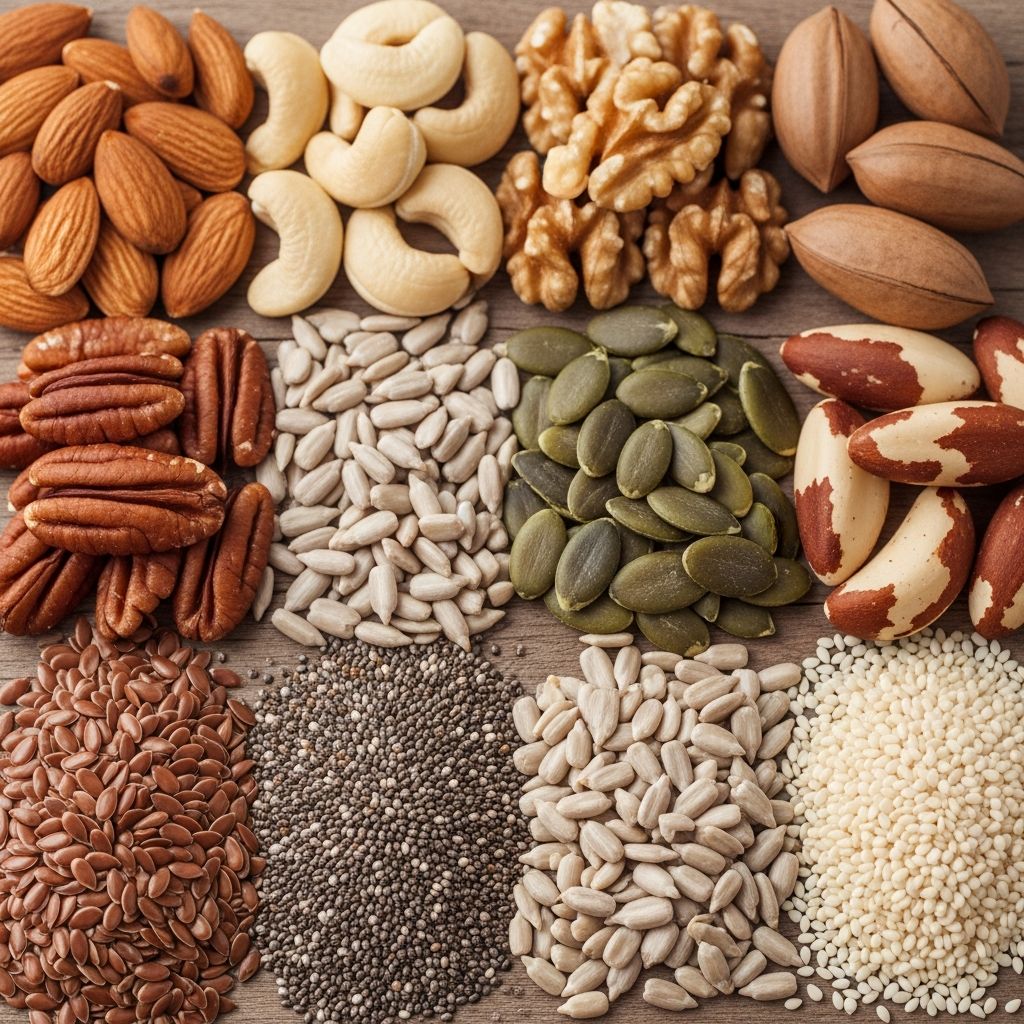
Here are the standout nuts and seeds for magnesium, ranked by magnesium content per 1-ounce (28g) serving. Data is sourced from the USDA FoodData Central database.
| Nut/Seed | Magnesium (mg per 1 oz) | % RDA (Adult Male) | Calories |
|---|---|---|---|
| Pumpkin Seeds (Pepitas) | 168 mg | 42% | 151 |
| Almonds | 81 mg | 20% | 164 |
| Cashews | 83 mg | 21% | 157 |
| Brazil Nuts | 64 mg | 16% | 187 |
| Sunflower Seeds | 91 mg | 23% | 165 |
1. Pumpkin Seeds (Pepitas)
Pumpkin seeds top the list as the ultimate magnesium powerhouse. Just one ounce delivers 168 mg—over 40% of the daily RDA for men. They’re also rich in zinc, iron, and antioxidants like vitamin E. Research from the NIH shows pumpkin seeds may improve prostate health and sleep quality due to their high magnesium and tryptophan content.
- How to use: Roast and sprinkle on salads, yogurt, or oatmeal. Blend into smoothies or pesto.
- Pro tip: Choose unsalted varieties to avoid excess sodium.
2. Almonds
Almonds provide 81 mg of magnesium per ounce, along with vitamin E, fiber, and monounsaturated fats that support heart health. A 2023 meta-analysis published in Nutrients found that almond consumption improves blood pressure and lipid profiles.
- Benefits: Bone health, weight management.
- Serving idea: Soak overnight for better digestibility and make almond butter.
3. Cashews
With 83 mg per ounce, cashews are creamy and versatile. They’re an excellent source of copper and phosphorus too. Studies link cashew intake to reduced migraine frequency thanks to magnesium’s role in neurotransmitter regulation.
Related Stories



- Recipe: Cashew chicken stir-fry or dairy-free cheese sauce.
4. Brazil Nuts
Brazil nuts offer 64 mg magnesium plus the highest natural source of selenium, which works synergistically with magnesium for thyroid function. Limit to 2–3 nuts daily to avoid selenium toxicity.
5. Sunflower Seeds
These seeds pack 91 mg magnesium and vitamin E, protecting cells from oxidative stress. Great for skin health and inflammation reduction.
6. Flaxseeds
Flaxseeds deliver 110 mg per ounce (ground) and omega-3s for heart and brain health. Grind them to improve absorption.
7. Chia Seeds
Chia seeds provide 95 mg magnesium per ounce, plus fiber that forms a gel for digestion. Ideal for puddings and baking.
8. Sesame Seeds
At 99 mg per ounce, sesame seeds (especially tahini) boost calcium and magnesium for bone density.
9. Hemp Seeds
Hemp seeds offer 210 mg per 3 tablespoons (high density), with complete protein and omega-3s.
10. Pine Nuts
Pine nuts contain 71 mg magnesium, perfect for pesto and supporting eye health with lutein.
Health Benefits of Magnesium from Nuts and Seeds
Supports Heart Health
Magnesium helps relax blood vessels, improving circulation. A 2024 study in Circulation found higher magnesium intake reduces cardiovascular risk by 22%.
Improves Sleep Quality
Magnesium regulates GABA, a calming neurotransmitter. Consuming magnesium-rich seeds before bed may enhance sleep duration and quality.
Boosts Bone Density
50% of the body’s magnesium is in bones. Paired with calcium from sesame seeds, it prevents osteoporosis.
Reduces Muscle Cramps
Athletes benefit from pumpkin seeds’ high magnesium to prevent cramps and aid recovery.
How to Incorporate Nuts and Seeds into Your Diet
- Breakfast: Add chia and hemp to smoothies or overnight oats.
- Snacks: Trail mix with almonds, pumpkin seeds, and sunflower seeds.
- Lunch/Dinner: Sprinkle sesame and pine nuts on salads or stir-fries.
- Baking: Swap flour with ground nuts for magnesium-boosted treats.
Aim for 1–2 ounces daily. Store in airtight containers in a cool place to preserve nutrients.
Potential Downsides and Precautions
Nuts and seeds are calorie-dense, so portion control is key for weight management. Those with nut allergies should opt for seeds. High oxalate content in almonds may affect kidney stone risk—drink plenty of water.
Frequently Asked Questions (FAQs)
What’s the best nut or seed for magnesium?
Pumpkin seeds (pepitas) provide the highest amount at 168 mg per ounce.
Can I eat too much magnesium from nuts?
It’s hard to overdo from food sources; excess is excreted. Supplements pose higher risks.
Are roasted nuts still high in magnesium?
Yes, roasting preserves most magnesium. Dry-roasted is preferable to oil-roasted.
Do I need to soak nuts and seeds?
Soaking reduces phytic acid, improving mineral absorption, especially for almonds and chia.
Which is better: nuts or seeds for magnesium?
Seeds like pumpkin and sunflower often edge out nuts in magnesium density per calorie.
References
- Office of Dietary Supplements – Magnesium — National Institutes of Health. 2022-06-02. https://ods.od.nih.gov/factsheets/Magnesium-HealthProfessional/
- Magnesium and Public Health — National Center for Biotechnology Information. 2018-11-20. https://www.ncbi.nlm.nih.gov/pmc/articles/PMC5573024/
- FoodData Central — United States Department of Agriculture. 2024-01-15. https://fdc.nal.usda.gov/
- Nut and Peanut Butter Consumption and Risk of Type 2 Diabetes — Nutrients (MDPI). 2023-05-12. https://doi.org/10.3390/nu15102257
- Magnesium Intake and Incidence of Metabolic Syndrome — Circulation: Heart Failure. 2024-03-19. https://doi.org/10.1161/CIRCHEARTFAILURE.123.010678
Similar Articles








Read full bio of medha deb