Nyctophobia: Understanding Fear of the Dark
Learn about nyctophobia, its causes, symptoms, and effective treatment options for fear of darkness.
What Is Nyctophobia?
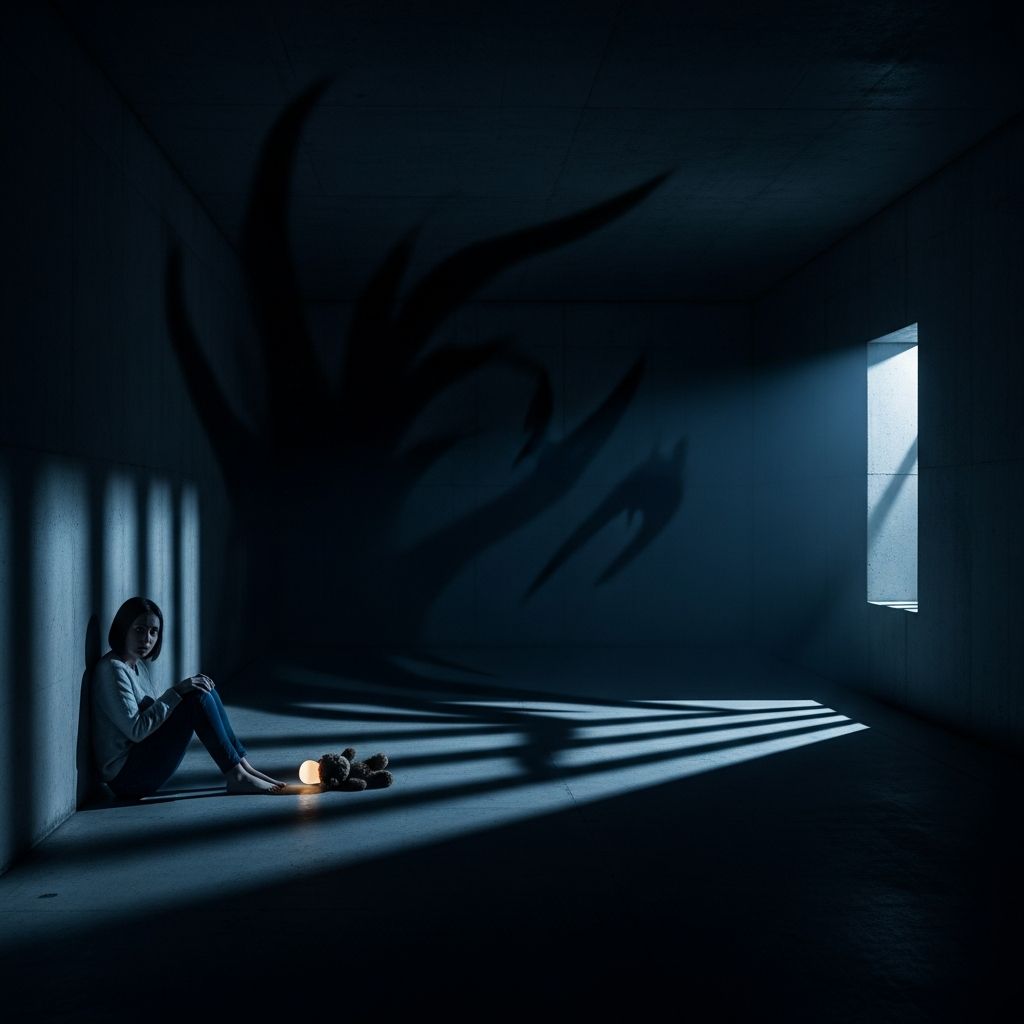
Nyctophobia, also known as noctophobia, is a specific phobia characterized by an intense, irrational fear of darkness or nighttime environments. Unlike a normal caution that most people experience in dark settings, nyctophobia represents an excessive and persistent anxiety that significantly interferes with daily functioning. The term derives from the Greek words “nyx” meaning night and “phobos” meaning fear, literally translating to fear of the night.
This phobia extends beyond simple discomfort in darkness. It encompasses anxiety about what cannot be seen, fear of the unknown, and often involves catastrophic thinking patterns where individuals imagine threatening scenarios in dark environments. While many children naturally experience some fear of the dark as part of normal development, nyctophobia persists into adulthood and causes considerable distress that impairs normal activities like sleeping, working, or traveling at night.
A fear becomes classified as a phobia when it becomes excessive, irrational, and creates significant impact on your quality of life. Nyctophobia is more than just being afraid of the dark—it’s also a fear of what you cannot see. The anxiety can be worsened by noises heard through the darkness without a visible cause, compounding the sense of vulnerability and threat.
Symptoms of Nyctophobia
People with nyctophobia experience a range of physical and emotional symptoms when entering dark places, during bedtime, as the sun sets, or even when thinking about darkness. These symptoms can vary in severity from person to person and may intensify when anticipating exposure to dark environments.
Physical Symptoms
The physical manifestations of nyctophobia include:
- Excessive sweating and hot or cold flashes
- Difficulty breathing or shortness of breath
- Rapid or racing heartbeat and heart palpitations
- Chest tightness or non-cardiac chest pain
- Trembling, shaking, or tingling sensations
- Dizziness and lightheadedness
- Nausea, upset stomach, or vomiting
- Headaches and trouble swallowing
- Dry mouth and sensation of choking
Emotional and Behavioral Symptoms
Beyond physical symptoms, individuals with nyctophobia may experience:
- Intense anxiety and panic attacks when facing darkness
- Persistent dread and fear about nighttime or dark environments
- Avoidance behaviors, such as refusing to go to bed alone or avoiding outdoor activities after sunset
- Inability to think clearly or concentrate in dark settings
- Feelings of detachment from reality or dissociation
- Excessive worry and catastrophic thinking about potential dangers
- Sleep disturbances and insomnia
- Tenseness and freezing responses when encountering darkness
In children, symptoms often manifest as refusing to sleep without lights on, asking parents to stay in the room, requesting repeated checks for monsters under beds or in closets, or experiencing separation anxiety at nighttime. Some children feel so fearful that they avoid sleep altogether, leading to exhaustion and behavioral problems.
Causes and Risk Factors
Nyctophobia develops through a combination of genetic, environmental, and psychological factors. Understanding the underlying causes is essential for effective treatment.
Traumatic Childhood Experiences
One of the most prominent causes of nyctophobia is unresolved trauma from childhood. Distressing events such as being locked in a dark room, getting lost at night, experiencing separation anxiety when parents say goodbye at night, or facing fear without adequate support can leave lasting emotional imprints. These memories often manifest later as irrational fear whenever exposed to darkness. Additionally, waking from bad dreams alone or crying out for parental comfort at night without receiving it can contribute to developing this phobia.
Related Stories



Overactive Imagination and Nightmares
The tendency to have a vivid imagination, especially during childhood, is a common factor in nyctophobia development. When lights go off, the mind can create terrifying scenarios fueled by past nightmares or imaginary fears. Over time, these imagined dangers feel increasingly real, reinforcing fear in dark settings. This is particularly common in children who have active imaginations and easily conjure stories about creatures lurking under beds or in closets.
Learned Behavior from Family
Nyctophobia can be passed down through observation and modeling. If a child sees a parent or sibling express fear during nighttime or in dark environments, they might imitate and internalize that reaction. This learned response can become deeply ingrained, turning a moment of empathy into a lifelong phobia passed through generations.
Evolutionary Instincts
From an evolutionary perspective, darkness once symbolized genuine danger. Humans lacked strong night vision and were vulnerable to predators at night, making ancestral caution adaptive. That primitive memory still lingers in modern brains, and even when safe indoors, our brain may react with fear when surrounded by darkness. This evolutionary predisposition explains why some degree of caution in darkness is universal across human populations.
Media and Horror Content Exposure
Movies, television shows, and viral content often portray darkness as a breeding ground for ghosts, monsters, violence, or crime. Consistent exposure to such media—especially at a young age—can program the brain to fear darkness. The media-induced perception of threat is a growing contributor to nyctophobia in both children and adults, as horror content becomes increasingly accessible.
Anxiety Disorders and Chronic Stress
For individuals already struggling with general anxiety disorder or panic disorder, nyctophobia often emerges as a secondary fear. Chronic stress heightens the nervous system’s reactivity, making even small threats feel significant. Dark environments may seem overwhelmingly threatening to those with underlying anxiety conditions. According to research on anxiety disorders, these conditions affect millions and often lead to irrational fears, including nyctophobia.
Limited Exposure to Natural Darkness
In modern technology-driven lives, complete darkness is increasingly rare. Streetlights, night lamps, and screen lights mean we rarely experience true darkness. This unfamiliarity becomes a source of fear—a lack of exposure can make even a power outage feel terrifying. People who grow up with constant artificial lighting may be particularly susceptible to developing nyctophobia when confronted with genuine darkness.
Fear of the Unknown and Crime Perception
Some people fear darkness because they cannot see what’s around them, and the brain naturally creates a startle response to invisible threats. Others fear darkness because they perceive the environment as threatening based on knowledge or beliefs about crimes. Research indicates that approximately 40% of people in the United States are afraid to walk within a mile of their home at night, with this fear occurring more frequently in women than men. This perception-based fear stems from hearing or witnessing bad things happen to others in dark environments.
Who Is at Risk?
While anyone can develop nyctophobia, certain factors increase vulnerability. The condition is more common in children and often begins between ages 2-8, though it can persist into adulthood or develop later in life. Individuals with a family history of anxiety disorders or phobias face increased risk. Those who have experienced trauma, particularly traumatic events in dark environments, are more susceptible. People with existing anxiety disorders, depression, or post-traumatic stress disorder (PTSD) are at higher risk of developing nyctophobia as a comorbid condition.
Diagnosis and Evaluation
Mental health professionals diagnose nyctophobia by assessing the intensity, duration, and impact of fear symptoms. A diagnosis typically requires that the fear is excessive relative to actual danger, persists for at least six months, causes significant distress, and impairs social, occupational, or other important areas of functioning. Clinicians may use standardized assessment tools and conduct detailed interviews about symptom onset, triggers, and previous traumatic experiences. Ruling out other conditions, such as sleep disorders or PTSD, is essential for accurate diagnosis.
Treatment Options
Several evidence-based treatments can effectively reduce or eliminate nyctophobia symptoms.
Cognitive-Behavioral Therapy (CBT)
CBT is considered the gold standard treatment for specific phobias like nyctophobia. This therapy helps individuals identify and challenge irrational thoughts about darkness, develop coping strategies, and gradually confront feared situations. Therapists work with patients to restructure catastrophic thinking patterns and build confidence in managing dark environments.
Exposure Therapy
Exposure therapy involves gradually and repeatedly exposing individuals to darkness in a controlled, safe manner. This desensitization process helps reduce the anxiety response over time. Exposure may begin with dimly lit rooms and progress to complete darkness, allowing individuals to learn that darkness itself is not dangerous.
Medication
While not typically the primary treatment, medications such as selective serotonin reuptake inhibitors (SSRIs) or anti-anxiety medications may be prescribed to reduce anxiety symptoms, particularly in severe cases or when combined with other anxiety disorders. Medication is often used alongside therapy for optimal results.
Relaxation Techniques
Learning relaxation strategies such as deep breathing exercises, progressive muscle relaxation, and mindfulness meditation can help manage anxiety symptoms. These techniques activate the parasympathetic nervous system, counteracting the body’s stress response.
Self-Help Strategies and Coping Mechanisms
Several strategies can help individuals manage nyctophobia symptoms independently or alongside professional treatment:
- Gradual exposure: Start by spending short periods in dimly lit rooms, gradually increasing darkness
- Use nightlights or dimmer switches to create intermediate lighting levels
- Practice relaxation and breathing techniques regularly
- Limit exposure to horror content, especially before bedtime
- Maintain a consistent sleep schedule to reduce nighttime anxiety
- Talk about fears with trusted friends or family members
- Use white noise or calming music to mask unsettling sounds
- Create a safe, comfortable sleeping environment
- Practice mindfulness and present-moment awareness to reduce catastrophic thinking
When to Seek Professional Help
Consult a mental health professional if fear of darkness significantly interferes with sleep, work, relationships, or daily activities. If avoidance behaviors are limiting your life, if anxiety symptoms are severe or persistent, or if home remedies have been ineffective, professional treatment is warranted. Additionally, if nyctophobia co-occurs with other mental health conditions or if you have experienced trauma, professional support is strongly recommended.
Frequently Asked Questions
Q: Is nyctophobia a common phobia?
A: Yes, fear of the dark is quite common, particularly among children as part of normal development. However, when it persists into adulthood or significantly impairs functioning, it’s considered a phobia requiring treatment. Research suggests millions of adults experience some level of fear related to darkness.
Q: Can children outgrow nyctophobia on their own?
A: Some children naturally outgrow mild fears of darkness as they develop, gain experience, and develop cognitive understanding. However, if the fear is severe, persists beyond age 8-10, or is causing significant distress, professional intervention may be necessary to prevent it from becoming a lifelong condition.
Q: Is nyctophobia a sign of a deeper mental health problem?
A: While nyctophobia can exist independently, it often co-occurs with anxiety disorders, PTSD, or depression. If you have nyctophobia along with other anxiety symptoms, it’s important to seek professional evaluation to address any underlying conditions.
Q: How long does it take to treat nyctophobia?
A: Treatment duration varies depending on severity, individual responsiveness, and the specific therapy used. Some people experience significant improvement within weeks or months of consistent treatment, while others may require longer-term therapy. The key is consistent engagement with evidence-based treatment approaches.
Q: Can nyctophobia be completely cured?
A: Yes, many people successfully overcome nyctophobia through appropriate treatment. With effective therapy, most individuals can reduce anxiety symptoms significantly and regain normal functioning in dark environments. Complete resolution is achievable, especially when treatment addresses underlying causes.
Q: What’s the difference between normal caution in darkness and nyctophobia?
A: Normal caution is adaptive awareness of genuine safety concerns in darkness. Nyctophobia involves excessive, irrational fear that persists despite evidence of safety and significantly impairs daily functioning. The key distinction is the intensity, persistence, and impact on quality of life.
References
- Nyctophobia: Symptoms, Causes, and Treatment — Psych Central. 2025. https://psychcentral.com/health/nyctophobia
- Nyctophobia: Understanding Fear of the Dark — Healthline. 2025. https://www.healthline.com/health/nyctophobia
- Nyctophobia: What It Means, How It’s Caused, and How It’s Treated — WebMD. 2025. https://www.webmd.com/anxiety-panic/what-is-nyctophobia
- Causes Of Nyctophobia: 7 Powerful Reasons Behind The Fear Of Darkness — Delhi Mind Clinic. 2025. https://www.delhimindclinic.com/causes-of-nyctophobia/
- Nyctophobia: What to Know about Your Child’s Fear of the Dark — Handspring Health. 2025. https://www.handspringhealth.com/post/fear-of-the-dark-phobia
- Fear of the Dark — Wikipedia. 2025. https://en.wikipedia.org/wiki/Fear_of_the_dark
Similar Articles








Read full bio of Sneha Tete