Nystagmus: Causes, Symptoms, and Treatment Options
Understanding nystagmus: A comprehensive guide to involuntary eye movements and effective management strategies.
Understanding Nystagmus
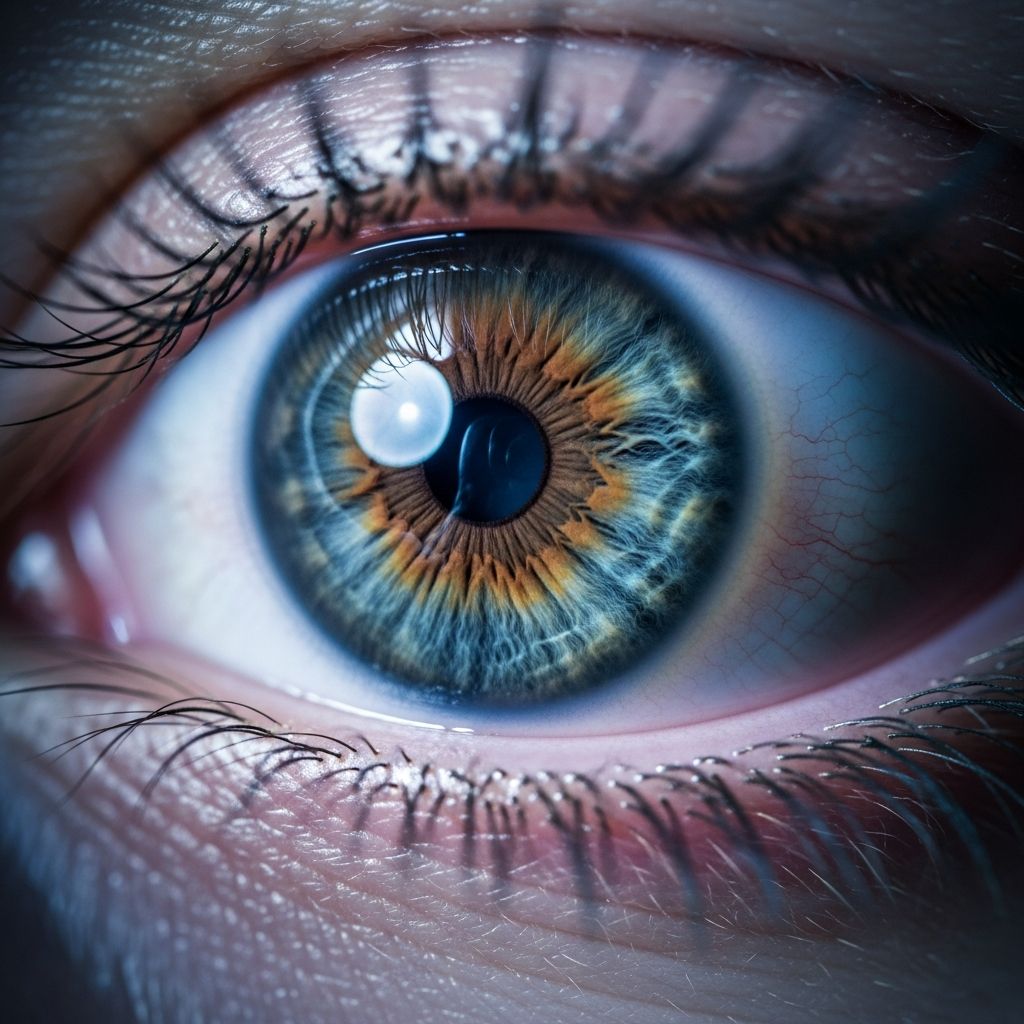
Nystagmus is a medical condition characterized by involuntary, rhythmic movements of the eyes that occur to and fro in a repetitive pattern. These uncontrolled eye movements can significantly impact visual function and quality of life for those affected. The condition may develop at birth or appear later in life due to various underlying causes. Understanding nystagmus is essential for proper diagnosis and effective management, as it often serves as an indicator of other health conditions that require attention.
The eye movements associated with nystagmus can be horizontal, vertical, or rotational, and they occur without voluntary control. This involuntary oscillation of the eyes can lead to blurred vision, difficulty focusing, and reduced visual acuity. Nystagmus affects both children and adults and can range from mild to severe in its presentation and impact on daily functioning.
Types of Nystagmus
Nystagmus is classified into two primary categories based on when the condition develops: congenital and acquired nystagmus. Each type has distinct characteristics, causes, and treatment approaches.
Congenital Nystagmus
Congenital nystagmus is present from birth and is often inherited through genetic patterns. This type typically manifests within the first few months of life. Unlike acquired nystagmus, patients with congenital nystagmus typically do not experience oscillopsia, which is the sensation that the visual world is moving or jumping. Many individuals with congenital nystagmus develop compensatory mechanisms and adaptive strategies to manage their condition throughout their lives.
Acquired Nystagmus
Acquired nystagmus develops later in life as a result of injury, disease, or other medical conditions. This type frequently presents with blurred vision and oscillopsia, making it more symptomatic than the congenital form. The onset of acquired nystagmus often signals an underlying neurological or systemic condition that requires investigation and treatment.
Waveform Classifications
Nystagmus can also be classified based on waveform patterns, which help clinicians identify potential underlying causes and determine appropriate treatment strategies. The two primary waveform types are:
Jerk Nystagmus: This type exhibits a rapid movement in one direction followed by a slower drift in the opposite direction. Jerk nystagmus is the most common form observed clinically.
Pendular Nystagmus: This form demonstrates relatively equal velocity movements in both directions, resembling a pendulum swing. Pendular nystagmus is often associated with visual sensory deficits and certain neurological conditions.
Causes and Risk Factors
Nystagmus can result from various underlying conditions affecting the nervous system, inner ear, or eyes themselves. Understanding the potential causes is crucial for determining appropriate treatment strategies.
Neurological Causes
Numerous neurological conditions can trigger nystagmus, including multiple sclerosis, Parkinson’s disease, epilepsy, and traumatic brain injury. Central nervous system disorders affecting the brainstem, cerebellum, or vestibular pathways frequently result in nystagmus as a clinical manifestation. Stroke and other acute neurological events may also cause sudden onset nystagmus.
Related Stories



Inner Ear Disorders
The vestibular system, located in the inner ear, plays a crucial role in balance and eye movement control. Inner ear infections, benign paroxysmal positional vertigo (BPPV), and vestibular neuritis can all trigger nystagmus. Ear infections may require antibiotic treatment to resolve the associated nystagmus.
Visual Sensory Impairments
Significant vision problems, including cataracts, corneal scarring, and retinal dystrophies, can lead to nystagmus development. When the visual system cannot process images effectively, the brain may trigger compensatory eye movements.
Medication and Substance-Related Causes
Certain medications and substances can induce nystagmus as a side effect. Alcohol consumption, anticonvulsant medications, and sedatives are known contributors to nystagmus development. Addressing the underlying cause, such as discontinuing problematic medications or eliminating alcohol use, may resolve the condition.
Genetic Factors
Congenital nystagmus often has a genetic component, with inheritance patterns varying depending on the specific form of the condition. Family history of nystagmus increases the likelihood of developing the condition.
Symptoms and Clinical Presentation
The symptoms of nystagmus vary depending on the type, severity, and underlying cause of the condition. Recognizing these symptoms is important for early diagnosis and treatment.
Visual Symptoms
Blurred vision represents one of the most common complaints among nystagmus patients. The involuntary eye movements prevent the eyes from maintaining stable focus on objects, resulting in reduced visual clarity. Many individuals report difficulty reading and challenges with tasks requiring sustained visual attention.
Oscillopsia is the sensation that the environment is jumping or moving rhythmically, experienced primarily by individuals with acquired nystagmus. This disconcerting visual symptom can significantly impact quality of life and activities of daily living.
Reduced depth perception and difficulty judging visual distances may occur in some patients, affecting balance and coordination. Fine motor skills may be compromised, making delicate tasks challenging.
Physical Symptoms
Head tilting or abnormal head posture is common in nystagmus patients who develop compensatory mechanisms to improve visual function. Some individuals unconsciously tilt or turn their heads to find a position that reduces eye movement amplitude and improves clarity. This adaptation, known as the null point, represents the head position where nystagmus intensity decreases.
Dizziness and vertigo may accompany nystagmus, particularly when the condition originates from vestibular system dysfunction. Some patients experience constant dizziness, while others report episodic episodes.
Balance and Coordination Issues
Nystagmus can affect proprioception and balance mechanisms, leading to coordination difficulties and increased fall risk. Individuals may experience unsteadiness, particularly when walking or performing activities requiring balance.
Diagnostic Evaluation
Accurate diagnosis of nystagmus requires comprehensive evaluation combining clinical assessment with specialized testing to identify underlying causes and guide treatment planning.
Clinical Eye Examination
A comprehensive eye examination forms the foundation of nystagmus diagnosis. During this evaluation, your optometrist will:
– Assess visual acuity and how well you can see at various distances
– Evaluate eye movement patterns and nystagmus characteristics
– Perform refraction testing to determine appropriate lens prescription
– Examine the health of eye structures using specialized equipment
– Review your complete medical history, including current medications and symptom onset
Specialized Testing
Beyond standard eye exams, several specialized tests can help identify nystagmus causes and severity:
Electrophysiological Testing: Electrooculography (EOG) and electroretinography (ERG) measure electrical activity in the eyes and can help characterize nystagmus patterns and detect associated retinal dysfunction.
High-Resolution Imaging: Advanced imaging techniques provide detailed views of eye structures and help identify structural abnormalities contributing to nystagmus.
Neuroimaging: Brain MRI or CT scanning may be necessary to evaluate the brainstem, cerebellum, and other central nervous system structures. Neuroimaging is particularly important for localizing structural lesions responsible for nystagmus.
Eye Tracking Technology: Modern eye-tracking systems with waveform analysis provide precise measurements of eye movement patterns, aiding in nystagmus classification and underlying cause identification.
Genetic Testing: For suspected hereditary forms of nystagmus, genetic workup may identify causative mutations and inform family counseling.
Additional Specialist Evaluations
Depending on the suspected underlying cause, your ophthalmologist may refer you to other specialists:
– Neurologist for neurological assessment
– Neuro-ophthalmologist for specialized eye and nervous system evaluation
– Otolaryngologist for inner ear assessment
– Primary care physician for systemic disease evaluation
Treatment Options
Treatment approaches for nystagmus depend on the underlying cause, type of nystagmus, and severity of symptoms. A combination of therapies often provides optimal results.
Addressing Underlying Conditions
When nystagmus results from an underlying medical condition, treating that primary condition often resolves or significantly improves nystagmus. For example, treating an ear infection with antibiotics may eliminate associated nystagmus symptoms. Similarly, managing multiple sclerosis or other neurological conditions may reduce nystagmus severity.
Optical Corrections
Properly prescribed eyeglasses or contact lenses address refractive errors that may contribute to nystagmus or worsen symptoms. Specialized optical devices offer additional benefit for some patients:
Prism Lenses: Specially designed glasses incorporating prism lenses can shift the visual field, potentially reducing nystagmus amplitude and improving visual function. Base-out prism has demonstrated effectiveness in specific nystagmus types.
Contact Lenses: Certain contact lens designs may provide superior visual correction compared to eyeglasses for nystagmus patients.
Pharmacological Therapies
Various medications have demonstrated effectiveness in managing specific forms of nystagmus:
– Clonazepam: A benzodiazepine that may reduce nystagmus amplitude and improve visual function
– Baclofen: A muscle relaxant that can decrease eye movement oscillation
– Gabapentin: An anticonvulsant medication effective for certain nystagmus types
– Memantine: An NMDA receptor antagonist showing promise in nystagmus management
– Aminopyridine: A potassium channel blocker that may improve visual function
– Anti-seizure medications: Useful when nystagmus is associated with seizure disorders
Medication choices depend on nystagmus type and patient-specific factors. Side effects should be carefully considered, as some medications may cause conversion to different nystagmus patterns.
Lifestyle Modifications
Simple lifestyle changes can significantly improve nystagmus management:
– Eliminating alcohol consumption: Alcohol can worsen nystagmus and should be avoided
– Medication review: Discuss current medications with your physician to identify and potentially change medications that may contribute to nystagmus
– Stress reduction: Stress can exacerbate nystagmus symptoms, making relaxation techniques beneficial
Surgical Interventions
When conservative treatments prove insufficient, surgical options may be considered. Surgical approaches include:
– Tenotomy: Surgical weakening of extraocular muscles to reduce nystagmus amplitude and improve visual function
– Botulinum toxin injection: Injection of botulinum toxin into retrobulbar muscles has shown promise in treating symptomatic nystagmus by temporarily weakening extraocular muscles
Emerging Therapies
Advanced treatment modalities continue to expand nystagmus management options:
– Gene therapy: Promising approach for hereditary forms of nystagmus by addressing genetic causes
– Neurostimulation: Electrical stimulation techniques may help normalize abnormal neural circuits responsible for nystagmus
– Artificial intelligence: AI-assisted diagnostics enhance accuracy in nystagmus classification and underlying cause identification
Living with Nystagmus
While nystagmus can present significant challenges, many individuals successfully manage the condition with appropriate treatment and adaptive strategies. Visual rehabilitation services, low-vision aids, and support groups can enhance quality of life. Regular follow-up care with eye care professionals ensures optimal management and early identification of any changes in the condition.
Frequently Asked Questions
Q: Is nystagmus curable?
A: Curability depends on the underlying cause. When nystagmus results from treatable conditions, addressing the primary cause may resolve nystagmus completely. Congenital nystagmus cannot be cured but can be effectively managed with appropriate treatment strategies.
Q: Does nystagmus cause blindness?
A: Nystagmus itself does not directly cause blindness. However, the underlying conditions responsible for nystagmus may affect vision. Many individuals with nystagmus maintain functional vision with appropriate management.
Q: Can children outgrow nystagmus?
A: Congenital nystagmus typically persists throughout life, though symptoms may improve with age as compensatory mechanisms develop. Certain forms like spasmus nutans often resolve by the end of the first decade of life. Acquired nystagmus may resolve if the underlying cause is successfully treated.
Q: How does nystagmus affect daily activities?
A: Nystagmus can impact reading, driving, balance, and coordination. The severity of functional impairment varies among individuals and depends on nystagmus type and severity. Proper treatment and adaptive strategies can minimize limitations.
Q: When should I see a doctor about nystagmus?
A: You should seek medical evaluation if you experience involuntary eye movements, blurred vision, oscillopsia, or unexplained balance problems. Sudden onset nystagmus requires urgent evaluation to rule out serious neurological conditions.
References
- Nystagmus in Clinical Practice: From Diagnosis to Treatment—A Comprehensive Review — DovePress. 2024. https://www.dovepress.com/nystagmus-in-clinical-practice-from-diagnosis-to-treatment
- Localizing Forms of Nystagmus: Symptoms, Diagnosis, and Treatment — National Center for Biotechnology Information. 2006. https://pubmed.ncbi.nlm.nih.gov/16928352/
- Nystagmus — American Academy of Ophthalmology EyeWiki. 2024. https://eyewiki.org/Nystagmus
- Nystagmus: Overview — American Optometric Association. 2024. https://www.aoa.org/healthy-eyes/eye-and-vision-conditions/nystagmus
- Nystagmus: Symptoms, Causes, and Treatments — WebMD. 2023. https://www.webmd.com/eye-health/nystagmus
Similar Articles








Read full bio of Sneha Tete