Nystagmus: Definition, Causes, Testing & Treatment
Understanding nystagmus: causes, symptoms, diagnosis, and effective treatment options.
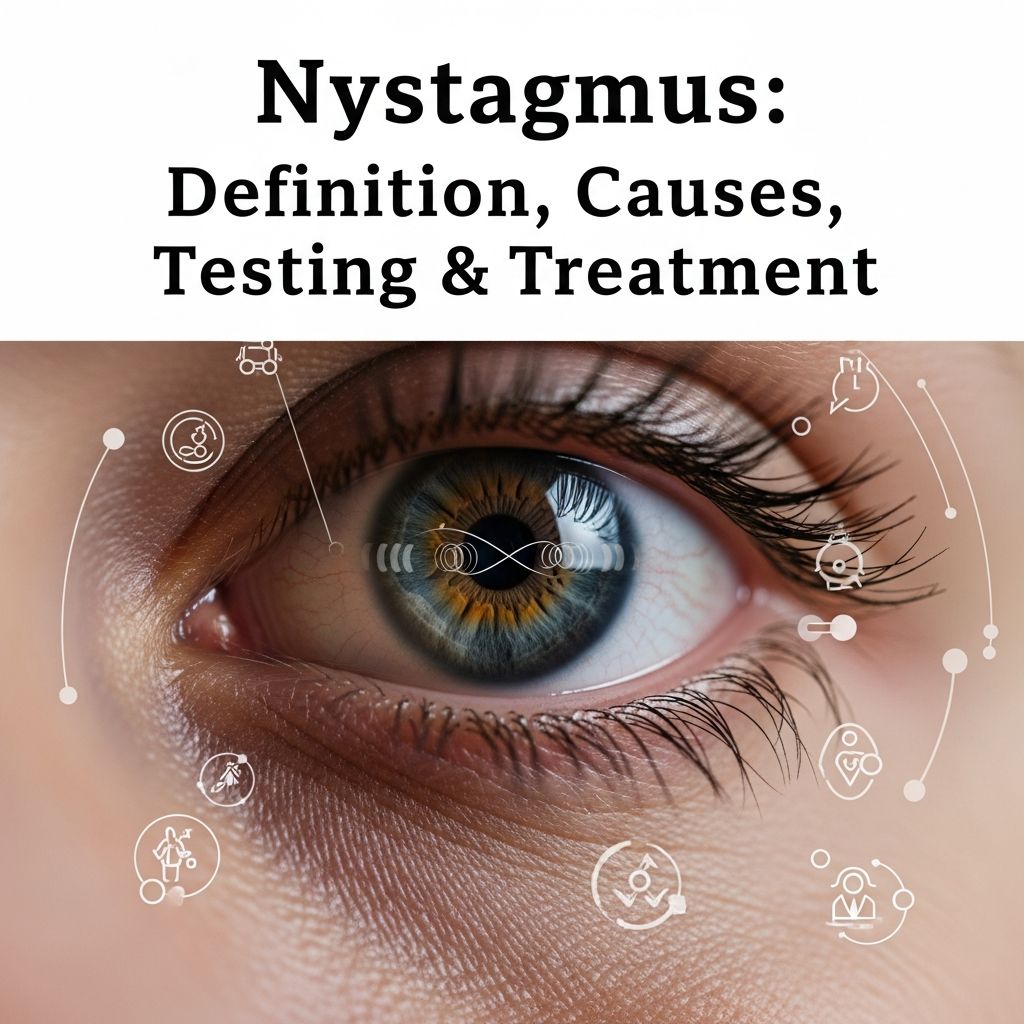
Nystagmus is a condition characterized by rapid, uncontrollable eye movements that can significantly impact your vision and quality of life. If you have nystagmus, your eyes may move up and down, side to side, or in a circular motion. These involuntary movements occur without your conscious control and can range from mild to severe. Understanding this condition is crucial for proper diagnosis and treatment, as it may indicate underlying health issues affecting your brain, inner ear, or visual system.
What is Nystagmus?
Nystagmus involves repetitive, to-and-fro involuntary eye movements that significantly affect visual function and stability. The condition is characterized by rapid oscillations of the eyes that can occur in multiple directions. There are two main types of nystagmus movements: pendular nystagmus, where the eyes move in a smooth, sinusoidal back-and-forth pattern, and jerk nystagmus, which consists of slow drifts followed by corrective fast movements called saccades that attempt to refocus the eyes on the target.
Some individuals are born with nystagmus, known as congenital nystagmus, while others develop it later in life, referred to as acquired nystagmus. Regardless of when it develops, nystagmus can present various challenges in daily activities, affecting everything from reading to driving and workplace performance.
Symptoms of Nystagmus
The primary symptom of nystagmus is uncontrollable eye movement. However, the specific symptoms vary depending on the underlying condition causing the eye movements and the severity of the condition. Common symptoms include:
- Involuntary eye movements in any direction (horizontal, vertical, or rotational)
- Blurred or shaky vision (oscillopsia)
- Sensitivity to light
- Difficulty with balance and coordination
- Problems judging distances and spatial relationships
- Nausea or dizziness
- Reduced visual acuity
- Head tilting or turning to compensate for eye movements
These symptoms can significantly impact daily functioning and may limit certain activities, including reading, computer work, and driving. The severity of symptoms often depends on the type of nystagmus and the underlying cause.
Causes of Nystagmus
Nystagmus can result from various medical conditions affecting different body systems. While some people are born with nystagmus due to genetic factors or developmental issues, others acquire it due to specific health conditions or injuries.
Congenital Nystagmus
Congenital nystagmus develops before birth or shortly after birth. It can be caused by genetic mutations, developmental abnormalities of the visual system, or conditions affecting the structures of the eye. Babies typically begin to show symptoms between 6 weeks and 3 months of age, with eyes usually moving side to side in a swinging fashion.
Acquired Nystagmus
Acquired nystagmus develops later in life and can be associated with serious health conditions, particularly those affecting the brain. Important causes include:
- Stroke or cerebrovascular accidents
- Brain tumors
- Head trauma or injury
- Toxicity from drugs or alcohol
- Inflammatory diseases affecting the brain or nervous system
- Inner ear disorders and vestibular problems
- Multiple sclerosis
- Benign paroxysmal positional vertigo (BPPV)
- Medications with neurological side effects
Related Stories



It’s important to note that nystagmus itself isn’t considered dangerous, but it may be associated with serious underlying health conditions. Prompt diagnosis and treatment of the underlying cause are essential for optimal outcomes.
Diagnosis of Nystagmus
An eye care specialist called an ophthalmologist typically diagnoses nystagmus through a comprehensive evaluation. However, other specialists such as neurologists and otorhinolaryngologists (ear, nose, and throat doctors) may also diagnose nystagmus and test for brain or inner ear conditions causing it.
Initial Evaluation
The diagnostic process begins with a detailed eye examination and discussion of your symptoms. Your healthcare provider will check for eye problems related to nystagmus, including strabismus (misaligned eyes), cataracts, and issues with your retina or optic nerve. They will also perform a cranial nerve examination to look for any nystagmus or disconjugate eye movements.
Diagnostic Tests
Several tests may be used to diagnose nystagmus and identify its underlying cause:
- Videonystagmography (VNG): This test uses infrared technology to track eye movements while you follow visual targets or experience positional changes. The test takes approximately one hour to complete and involves three parts where you sit in a darkened exam room while specialized goggles monitor your eye movements.
- Electronystagmography (ENG): This test measures eye movements and checks the health of your cranial nerves by detecting electrical potentials generated by eye movement.
- Dix-Hallpike Maneuver: This positional test helps diagnose benign paroxysmal positional vertigo by positioning your head to detect involuntary eye movements caused by crystal displacement in the inner ear.
- Imaging Studies: MRI or CT scans may be ordered to rule out brain tumors, stroke, or other neurological conditions causing acquired nystagmus.
- Blood Tests: Laboratory tests may help identify toxic or metabolic causes of nystagmus.
These diagnostic tools help healthcare providers determine the type and cause of nystagmus, which is essential for developing an appropriate treatment plan tailored to your specific condition.
Treatment Options for Nystagmus
The treatment of nystagmus depends on the medical condition responsible for it. Your healthcare provider will recommend treatment based on what’s causing your nystagmus, your health history, and your personal preferences. Treatment approaches range from non-surgical options to surgical interventions.
Treating the Underlying Condition
Sometimes, treating the underlying condition can correct acquired nystagmus. For example, treating an inner ear condition causing nystagmus can improve symptoms like shaky vision or dizziness. In some conditions, your brain and vestibular system compensate for the damage, and nystagmus goes away or decreases over time. Certain types of congenital nystagmus may also disappear later in life.
Vision Correction
Clearer vision can help slow the rapid eye movements associated with nystagmus. Your provider may recommend eyeglasses or contact lenses to manage symptoms. You may benefit from special prism lenses, which limit how much your eyes must move to see clearly. If you have nystagmus and are nearsighted, you may benefit from laser vision correction surgery such as LASIK, which improves your vision and can reduce nystagmus symptoms.
Medications
Some medications can reduce nystagmus symptoms in adults. These may include:
- Gabapentin (an antiseizure medication)
- Baclofen (a muscle relaxant)
- Onabotulinumtoxina (Botox®)
Your healthcare provider will determine whether you would benefit from any medications based on your specific type of nystagmus and overall health status.
Surgical Interventions
In rare instances, your provider may recommend strabismus surgery. During this procedure, a surgeon repositions the muscles that move the eyes. While this surgery doesn’t cure nystagmus, it improves your eye movement and reduces the need to tilt or turn your head as much to see clearly. This can significantly improve quality of life and reduce symptoms.
Additional Management Strategies
Beyond medical interventions, several strategies can help manage nystagmus:
- Positioning the eyes in a direction where nystagmus is minimized
- Using optical and electronic methods to negate visual consequences
- Applying somatosensory or auditory stimuli to suppress nystagmus
- Vestibular physical therapy to improve balance and coordination
Living with Nystagmus
Nystagmus can make everyday tasks more challenging and sometimes limits the types of jobs and hobbies you can have. However, with proper treatment and management, many people successfully adapt to the condition. Learning everything you can about nystagmus can help you choose the best treatments and manage your condition so you can continue doing the things you enjoy.
Nystagmus can weaken your sight, sense of balance, and ability to judge distances. While the condition can’t be cured completely, treatments can help manage symptoms. Your healthcare provider can help you find resources and support for living with this condition.
Prognosis and Prevention
Nystagmus rarely goes away completely, but it can improve over time with proper treatment. Some types of congenital nystagmus may disappear later in life, while other types require ongoing management. Currently, there’s no way to prevent nystagmus itself, but you can reduce symptoms by treating the underlying cause.
Contact your healthcare provider immediately if you notice any changes in your vision or have difficulties with balance or coordination, as these may indicate a serious underlying condition. If you’ve already been diagnosed with nystagmus, inform your provider if your symptoms worsen, as this may require adjustment of your treatment plan.
When to Seek Medical Attention
Prompt diagnosis and treatment are essential for managing nystagmus effectively. Seek immediate medical attention if you experience:
- Sudden onset of involuntary eye movements
- Significant changes in vision quality
- Severe balance or coordination problems
- Associated symptoms like severe headaches, weakness, or numbness
- Eye movements accompanied by other neurological symptoms
Frequently Asked Questions
Q: Is nystagmus dangerous?
A: Nystagmus itself isn’t considered dangerous, but it may be associated with serious health conditions, especially those affecting the brain. Prompt diagnosis and treatment of the underlying cause are essential.
Q: Can nystagmus be cured?
A: Nystagmus rarely goes away completely. However, treating the underlying cause can improve acquired nystagmus, and certain types of congenital nystagmus may disappear later in life. Proper treatment can manage symptoms effectively.
Q: What specialists diagnose nystagmus?
A: An ophthalmologist typically diagnoses nystagmus. Other specialists such as neurologists and otorhinolaryngologists can also diagnose the condition and test for underlying brain or inner ear problems.
Q: How long does it take to diagnose nystagmus?
A: Diagnosis varies depending on the tests needed. Initial eye exams are quick, but comprehensive testing like videonystagmography takes about one hour. Additional imaging or specialist consultations may extend the diagnostic timeline.
Q: Can medication treat nystagmus?
A: Some medications can reduce nystagmus symptoms in adults, including gabapentin, baclofen, and Botox. However, medication effectiveness varies by individual and type of nystagmus. Your healthcare provider will determine the best option for you.
Q: Will nystagmus affect my ability to work or drive?
A: Nystagmus can impact daily activities and may limit certain jobs and hobbies. Driving ability depends on symptom severity. Discuss your specific situation with your healthcare provider to determine appropriate accommodations or restrictions.
References
- Nystagmus: Definition, Causes, Testing & Treatment — Cleveland Clinic. 2023-10-04. https://my.clevelandclinic.org/health/diseases/22064-nystagmus
- Medical treatment of nystagmus and its visual consequences — National Center for Biotechnology Information, U.S. National Library of Medicine. https://pmc.ncbi.nlm.nih.gov/articles/PMC1279675/
- Dix-Hallpike Maneuver: Test, Purpose & Results — Cleveland Clinic. https://my.clevelandclinic.org/health/treatments/24859-dix-hallpike-maneuver
- Benign paroxysmal positional vertigo: Effective diagnosis and management — Cleveland Clinic Journal of Medicine. https://www.ccjm.org/content/89/11/653
- Videonystagmography (VNG) test — Cleveland Clinic. https://my.clevelandclinic.org/health/diagnostics/22630-videonystagmography
- Electronystagmography (ENG): What It Is, Procedure & Results — Cleveland Clinic. https://my.clevelandclinic.org/health/diagnostics/22704-electronystagmography-eng
Similar Articles








Read full bio of medha deb