Colloidal Oatmeal Baths: Gentle Relief For Eczema & Psoriasis
Discover how colloidal oatmeal baths soothe itchy, inflamed skin from eczema, psoriasis, and more with natural, FDA-approved benefits.
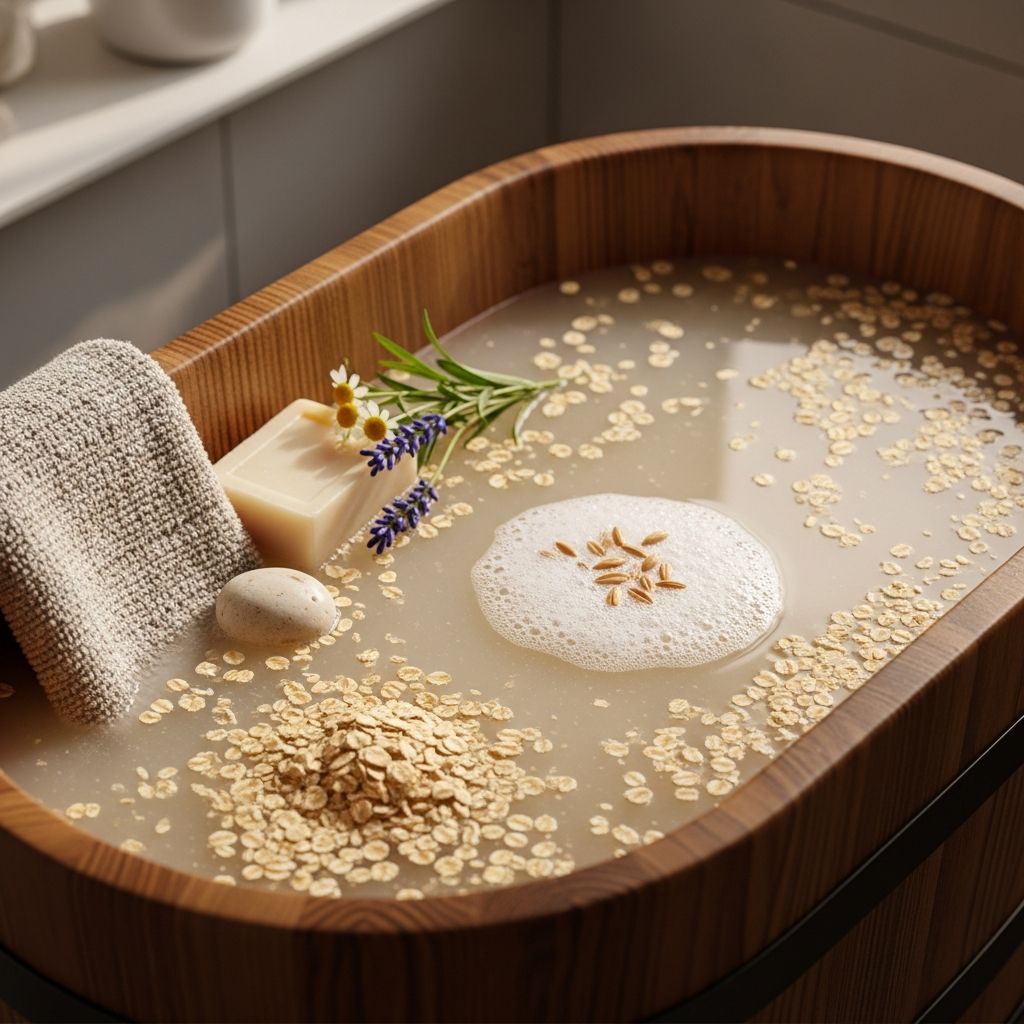
Colloidal oatmeal baths offer a simple, natural remedy for calming irritated skin, backed by centuries of use and modern science. Finely ground oats create a protective layer that locks in moisture and reduces inflammation, making them ideal for conditions like eczema and psoriasis.
Understanding Colloidal Oatmeal
Colloidal oatmeal is produced by grinding oats into a fine powder that disperses evenly in water, unlike regular rolled oats which settle at the bottom. This form, recognized by the FDA as a skin protectant since 2003, binds to the skin to form a barrier that eases dryness and itch.
Historically used since 2000 B.C. in ancient cultures for skin ailments, colloidal oatmeal contains compounds like avenanthramides, which provide antioxidant and anti-inflammatory effects. These properties help neutralize free radicals and calm overactive immune responses in the skin.
Key Benefits for Skin Health
Research highlights multiple ways colloidal oatmeal supports skin barrier function and reduces discomfort. It acts as an emollient to soften skin, a mild cleanser due to natural saponins, and an anti-itch agent.
- Relieves Itching and Irritation: Effective against viral rashes, shingles, bug bites, and chickenpox by blocking histamine release and soothing nerve endings.
- Enhances Moisture Retention: Forms a film that prevents transepidermal water loss, outperforming standard moisturizers in studies on dry skin.
- Combats Inflammation: Reduces pro-inflammatory cytokines, beneficial for autoimmune conditions like psoriasis affecting over 7.5 million U.S. adults.
- Supports Skin Microbiome: Improves pH balance and diversity, reducing harmful bacteria like Staphylococcus in eczema patients.
- Gentle Cleansing: Saponins create a mild foam for sensitive or acne-prone skin without stripping natural oils.
Conditions That Benefit Most
Colloidal oatmeal is particularly helpful for chronic and acute skin issues. Dermatologists recommend it for widespread irritation where creams may not suffice.
| Condition | How It Helps | Evidence |
|---|---|---|
| Eczema (Atopic Dermatitis) | Reduces scaling, dryness, and itch; FDA-required in eczema moisturizers. | Clinical improvements in barrier function and hydration. |
| Psoriasis | Alleviates redness, plaques, and oxidative stress from cytokines. | Antioxidant effects lower inflammation. |
| Dry Skin & Winter Itch | Locks in moisture, ideal for sensory-sensitive individuals. | Superior to lotions in severe dryness studies. |
| Burns & Rashes | Soothes minor burns, sunburn, poison ivy, shingles. | Anti-inflammatory barrier protects and heals. |
| Chickenpox & Bug Bites | Calms widespread itch without medication. | Recommended by American Academy of Dermatology. |
How to Prepare an Effective Oatmeal Bath
Creating a colloidal oatmeal bath at home is straightforward and cost-effective. Use lukewarm water to avoid drying out the skin further.
- Grind 1 cup of plain, unflavored oats (quick-cooking or whole) in a blender or food processor until powdery, about 1 minute.
- Fill bathtub with lukewarm water (not hot, to preserve skin oils).
- Add the ground oats or 1-2 cups of pre-made colloidal oatmeal powder; stir to disperse.
- Soak for 10-20 minutes, gently patting water on affected areas.
- Rinse briefly with lukewarm water if needed, then pat dry and apply moisturizer immediately.
For children or those with sensory issues, this method provides relief without greasy lotions. Commercial products ensure consistent fineness.
Related Stories



Safety Considerations and Best Practices
Colloidal oatmeal is safe for most people, including infants and pregnant individuals, due to its natural composition. However, test a small area first for rare allergies to oats.
- Avoid hot water, which exacerbates dryness.
- Do not ingest bathwater; keep eyes away from direct contact.
- Consult a doctor for severe conditions or infections before relying solely on baths.
- Combine with prescribed treatments for optimal results, as it’s a supportive therapy.
Studies confirm no major side effects, with benefits seen in as little as 14 days of use.
Comparing Oatmeal Baths to Other Remedies
| Remedy | Pros | Cons | Best For |
|---|---|---|---|
| Oatmeal Bath | Natural, affordable, full-body relief, FDA-approved. | Requires preparation time, temporary effect. | Widespread itch, eczema, psoriasis. |
| Moisturizer/Lotion | Targeted, portable, easy application. | May feel greasy, less effective for large areas. | Spot treatment, daily use. |
| Hydrocortisone Cream | Fast anti-inflammatory action. | Prescription needed for strong versions, side effects with prolonged use. | Acute flares. |
| Bleach Bath | Antibacterial for infected eczema. | Harsh on skin, medical supervision required. | Infections only. |
Scientific Evidence and Expert Insights
Peer-reviewed studies validate colloidal oatmeal’s efficacy. A PubMed study showed reduced cytokines and improved skin parameters like dryness and roughness.
Dermatologists like Debra Jaliman, MD, emphasize its role in stopping redness and providing antioxidants. Peter Lio, MD, notes its microbiome benefits for eczema.
Journal of Drugs in Dermatology reviews confirm anti-inflammatory mechanisms, making it a staple in integrative dermatology.
DIY Variations and Complementary Uses
Beyond baths, incorporate colloidal oatmeal in daily routines:
- Face Masks: Mix powder with yogurt or honey for 10 minutes to calm acne.
- Spot Treatments: Add to lotions for psoriasis patches.
- Shaving Cream: Soothes razor burn with its cleansing properties.
For severe cases, pair with wet wraps: apply moisturizer post-bath, wrap in damp cloths, then dry layer.
Frequently Asked Questions (FAQs)
Can anyone use colloidal oatmeal baths?
Yes, it’s safe for all ages, but consult a pediatrician for infants and a doctor for allergies.
How often should I take an oatmeal bath?
Daily or every other day during flares, reducing to 2-3 times weekly for maintenance.
Is store-bought colloidal oatmeal better than homemade?
Store-bought ensures uniform particle size for better dispersion, but homemade works well.
Does it work for pets?
Vets sometimes recommend diluted versions for itchy dog skin, but human products may contain additives; check with a professional.
Can it replace prescription medications?
No, it’s adjunctive; use alongside doctor-recommended treatments for chronic conditions.
Integrating into Your Skin Care Routine
Make oatmeal baths a cornerstone for natural skin management. Track improvements in a journal, noting soak duration and post-bath hydration. Consistency yields the best results, especially in dry seasons.
For long-term success, combine with gentle cleansers, fragrance-free moisturizers, and humidity control at home. This holistic approach minimizes flares and enhances quality of life.
References
- The Benefits of Taking an Oatmeal Bath — GoodRx. 2023. https://www.goodrx.com/health-topic/dermatology/oatmeal-bath-benefits
- Oatmeal Baths for Itchy Skin — WebMD. 2023. https://www.webmd.com/skin-problems-and-treatments/eczema/colloidal-oatmeal-baths
- How Can Colloidal Oatmeal Help Your Skin? — US Dermatology Partners. 2023. https://www.usdermatologypartners.com/press-media/how-can-colloidal-oatmeal-help-your-skin/
- Colloidal Oatmeal: What Is It And Top Benefits — Baba Botanicals. 2023. https://www.babobotanicals.com/blogs/news/colloidal-oatmeal
- Colloidal Oatmeal: Benefits, Uses, and Safety — Prevention. 2023. https://www.prevention.com/beauty/skin-care/a41803606/colloidal-oatmeal-benefits/
- Anti-inflammatory activities of colloidal oatmeal (Avena sativa) — PubMed (Journal of Drugs in Dermatology). 2015-01-15. https://pubmed.ncbi.nlm.nih.gov/25607907/
- Colloidal Oatmeal: What Is It and What Are Its Benefits? — Cleveland Clinic. 2023. https://health.clevelandclinic.org/colloidal-oatmeal
Similar Articles








Read full bio of medha deb