Oatmeal: 6 Dermatological Uses And How To Use It
Discover the skin-soothing benefits of colloidal oatmeal for itch relief, inflammation, and barrier protection in dermatology.
What is oatmeal?
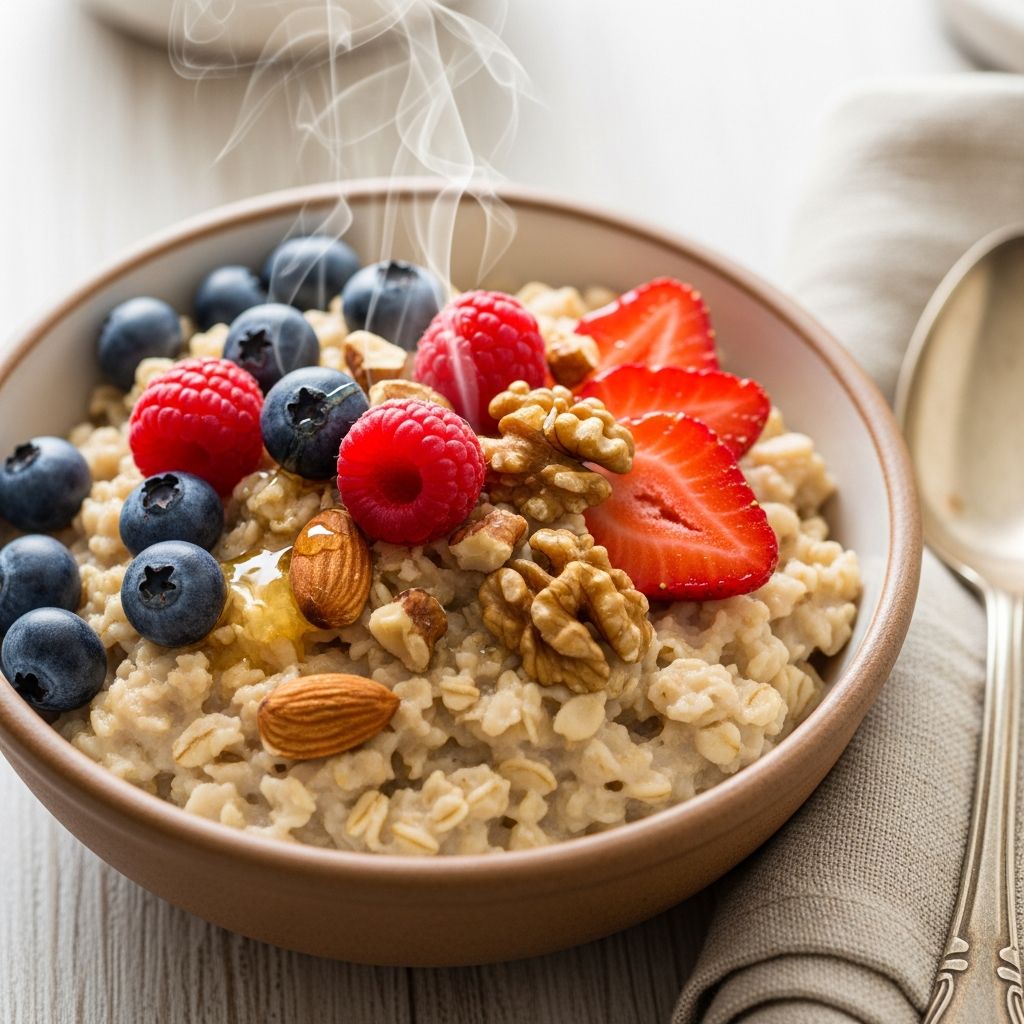
Oatmeal is derived from oat grains (Avena sativa), which are ground, crushed, or rolled into a fine powder. This domesticated oat variety is cultivated in temperate regions worldwide, including Russia, North and South America, Europe, Asia, and Australasia. Colloidal oatmeal, a finely ground form, readily absorbs water and disperses evenly in liquids, making it ideal for skincare formulations.
Historically, oats have served as a staple food and animal feed due to their high fibre and protein content, which supports cholesterol reduction when consumed. Beyond nutrition, oats possess biologically active compounds beneficial for skin health, with records of use dating back to ancient Roman times for soothing irritated skin.
Colloidal oatmeal
Colloidal oatmeal is a specially processed form of oats, ground to a fine powder that mixes seamlessly with water, creams, or lotions. This preparation enhances its usability in baths, cleansers, and emollients. It can be made at home using a food processor, blender, or coffee grinder from plain oats, though commercial products ensure consistent particle size for optimal efficacy.
The FDA recognized colloidal oatmeal as a safe and effective skin protectant in 2003, affirming its long history of topical use. Key components include water-binding polysaccharides, hydrocolloids, lipids, beta-glucans, avenanthramides (unique antioxidants), saponins, phenols, and vitamin E, which collectively provide moisturizing, anti-inflammatory, antioxidant, and cleansing effects.
Dermatological uses of colloidal oatmeal
Colloidal oatmeal is widely employed in managing various inflammatory and pruritic skin conditions. It forms a protective barrier on the skin, shielding against irritants and reducing transepidermal water loss (TEWL). This emollient action softens skin, alleviates dryness-induced itch, and buffers skin pH to normal levels.
Clinical applications include:
- Atopic dermatitis (eczema): Reduces inflammation, itch, and dryness; studies show improved hydration and symptom relief.
- Psoriasis: Soothes plaques and scaling through anti-inflammatory properties.
- Pruritus (itch): Effective for generalized itch from dry skin, insect bites, or contact dermatitis.
- Acneiform eruptions: Saponins gently exfoliate and absorb excess oil.
- Viral infections (e.g., chickenpox): Calms vesicular eruptions and associated itch.
- Other conditions: Ichthyosis, xerosis (dry skin), poison ivy/oak reactions, and radiation dermatitis.
In cosmetics, it features in facial masks, shampoos, and shaving gels for gentle cleansing and soothing.
Mechanism of action
Colloidal oatmeal’s efficacy stems from its multifaceted biochemical profile:
- Moisturizing (emollient): Beta-glucans and polysaccharides bind water, forming a hydrocolloid barrier that prevents moisture evaporation and enhances skin hydration.
- Anti-inflammatory: Avenanthramides inhibit prostaglandin synthesis, arachidonic acid release, and cytokine production, reducing redness and swelling.
- Antioxidant: Phenols, vitamin E, and avenanthramides neutralize free radicals, offering UV protection and mitigating photoaging.
- Cleansing: Saponins provide mild surfactant action, removing debris without stripping natural oils.
- pH buffering: Maintains skin’s acid mantle for optimal barrier function.
In vitro and in vivo studies confirm these effects, with clinical trials demonstrating reduced pruritus scores in atopic dermatitis patients after oatmeal baths or lotions.
Related Stories



How to use colloidal oatmeal
Baths
For oatmeal baths, add 1 cup of colloidal oatmeal to a warm (not hot) bath and soak for 10-20 minutes. Agitate water to disperse particles. Pat dry gently and apply moisturizer immediately. Ideal for widespread itch or eczema flares.
Topical preparations
Available over-the-counter as cleansers, lotions, creams, and powders. Follow product instructions: apply thinly to affected areas 1-3 times daily. For pastes, mix powder with water to form a compress for localized lesions.
DIY facial mask
- Grind plain oats into fine powder (1-2 tbsp).
- Mix with yogurt, honey, or water to form paste.
- Apply to clean face for 10-15 minutes, rinse gently.
- Use 2-3 times weekly for soothing and exfoliation.
Note: Consult a dermatologist for severe conditions or children under 2.
Products containing colloidal oatmeal
Pharmacy and supermarket shelves stock numerous non-prescription items:
| Product Type | Examples | Benefits |
|---|---|---|
| Bath additives | Aveeno Soothing Bath Treatment | Relieves widespread itch, eczema |
| Emollient creams/lotions | CeraVe Itch Relief, First Aid Beauty | Daily hydration, barrier repair |
| Cleansers | Dove DermaCare, Vanicream | Gentle washing without irritation |
| Shampoos/shaving gels | Neutrogena T/Sal, AveenoSoothes scalp, sensitive skin |
Choose fragrance-free options for sensitive skin.
Safety and precautions
Oatmeal enjoys a strong safety profile with centuries of use. The FDA deems it GRAS (Generally Recognized as Safe) for topical application. Rare contact dermatitis occurs, typically from impurities in non-colloidal oats. Patch test new products.
Ingestion concerns: Gluten-sensitive individuals (celiac disease, dermatitis herpetiformis) may react to oat avenins, though pure oats are often tolerated. Avoid oral use if allergic.
Not for open wounds; discontinue if irritation worsens. Safe for most ages, but supervise baths for children.
History
Oatmeal’s dermatological legacy spans millennia. Ancient Romans and Greeks used oat baths for skin ailments. By the 18th century, European physicians prescribed oatmeal poultices for inflammation. Modern validation came via clinical studies in the 20th century, culminating in FDA approval. Today, peer-reviewed research reinforces its role in evidence-based dermatology.
Frequently Asked Questions (FAQs)
Q: Can I make colloidal oatmeal at home?
A: Yes, grind plain rolled oats finely in a blender or food processor until powdery. Use immediately in baths or masks for best results.
Q: Is colloidal oatmeal safe for babies with eczema?
A: Generally safe; FDA-approved for skin protection. Use in baths under supervision and consult a pediatrician.
Q: Does it help with acne?
A: Yes, by absorbing oil and gently exfoliating via saponins, though not a primary treatment.
Q: How often can I take oatmeal baths?
A: Daily during flares, then 2-3 times weekly for maintenance.
Q: Is it gluten-free for topical use?
A: Topical use is safe even for gluten-sensitive individuals, as absorption is minimal. Choose certified gluten-free oats if concerned.
References
- Oatmeal – DermNet — DermNet NZ. 2023. https://dermnetnz.org/topics/oatmeal
- Oatmeal in dermatology: a brief review — PubMed (DOI: 10.1111/j.1468-3083.2012.04513.x). 2012-04-18. https://pubmed.ncbi.nlm.nih.gov/22421643/
- Supercharge Your Skin With Colloidal Oatmeal — Be Minimalist. 2023. https://beminimalist.co/blogs/guide/supercharge-your-skin-with-colloidal-oatmeal
- Oatmeal Baths: How They Soothe Skin — Healthline. 2023-10-12. https://www.healthline.com/health/oatmeal-bath
- Emollients and Moisturisers — DermNet NZ. 2023. https://dermnetnz.org/topics/emollients-and-moisturisers
- Dermatitis Herpetiformis — DermNet NZ. 2023. https://dermnetnz.org/topics/dermatitis-herpetiformis
Similar Articles








Read full bio of Sneha Tete