Oats Benefits: 9 Key Ways Oats Boost Your Health
Discover the science-backed health benefits of oats, from heart health to blood sugar control and weight management.
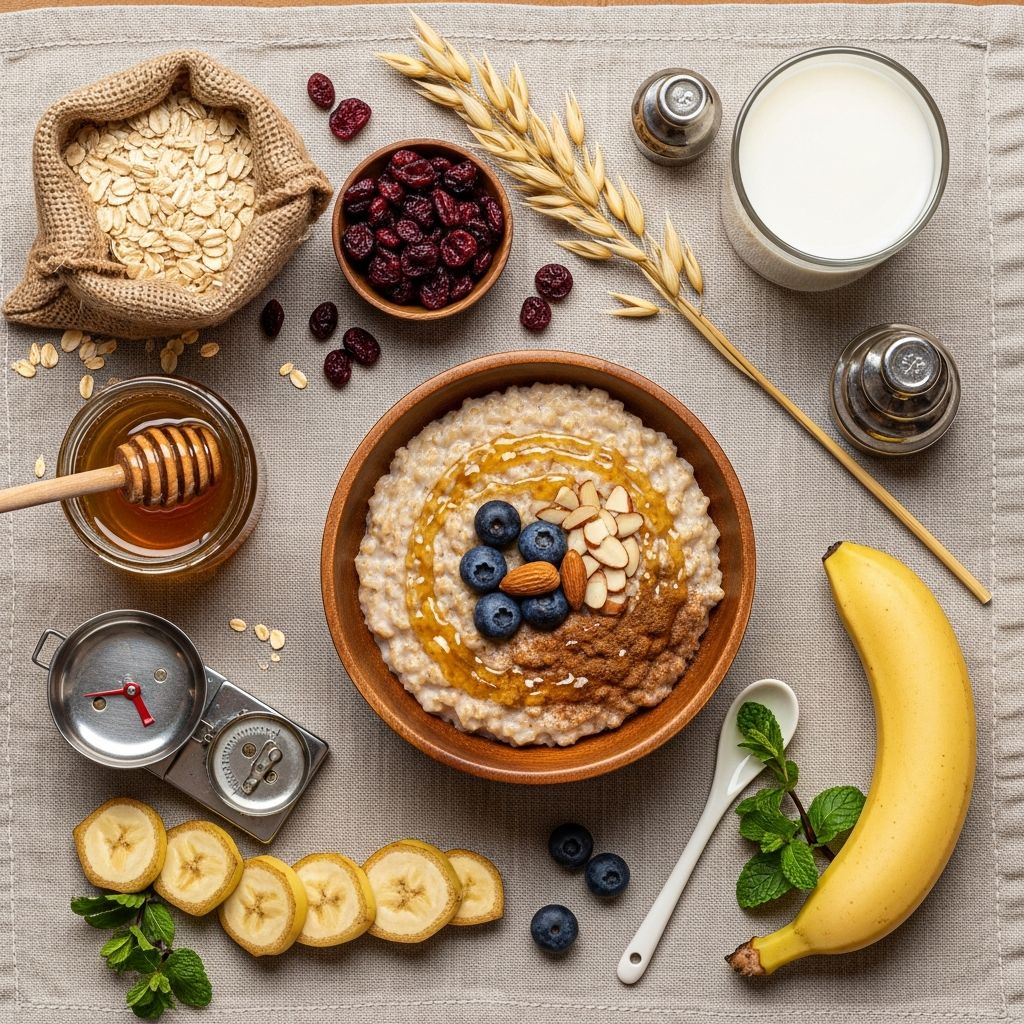
Oats and oatmeal stand out as one of the most nutritious whole grains available, packed with fiber, protein, vitamins, minerals, and unique antioxidants that support multiple aspects of health. Regular consumption has been linked to improved heart health, better blood sugar control, weight management, skin protection, and digestive wellness, making them a versatile addition to any diet.
What Are Oats?
Oats, scientifically known as Avena sativa, are a gluten-free whole grain that has been cultivated for thousands of years. Unlike refined grains, whole oats retain their bran, germ, and endosperm, preserving essential nutrients. They come in various forms including rolled oats, steel-cut oats, instant oats, and oat bran, each offering slightly different textures and cooking times but similar nutritional profiles.
The primary appeal of oats lies in their high content of soluble fiber, particularly beta-glucan, which forms a gel-like substance in the digestive tract, promoting satiety and health benefits. Oats are also rich in avenanthramides, antioxidants unique to this grain, contributing to anti-inflammatory effects.
Nutrition Facts for Oats
A single serving of oats (about 40-50 grams dry, or 1/2 cup) provides an impressive nutrient profile. Here’s a breakdown:
| Nutrient | Amount per 40g Serving | % Daily Value* |
|---|---|---|
| Calories | 150 | 8% |
| Carbohydrates | 27g | 10% |
| Dietary Fiber | 4g | 14% |
| Soluble Fiber (Beta-Glucan) | 1.5-2g | – |
| Protein | 5g | 10% |
| Fat | 2.5g | 3% |
| Iron | 1.8mg | 10% |
| Magnesium | 55mg | 13% |
| Phosphorus | 180mg | 14% |
| Zinc | 1.4mg | 13% |
*Based on a 2,000-calorie diet. Oats provide complex carbs for sustained energy, high-quality protein with essential amino acids, and key minerals for bone health and metabolism.
1. Oats Are Nutrient-Rich
Oats offer a balanced mix of macronutrients and micronutrients. They are a top source of carbs (primarily complex) and fiber, making up about 10-15% of daily fiber needs per serving. The protein in oats is notably complete, containing all essential amino acids, which is rare for plant foods.
Key vitamins include B1 (thiamine), B5 (pantothenic acid), and folate, supporting energy production and cell function. Minerals like manganese, phosphorus, magnesium, copper, iron, and zinc bolster immune function, bone density, and antioxidant defenses. This nutrient density positions oats as a superior choice over processed cereals.
2. Whole Oats Promote Antioxidant Activity
Whole oats are loaded with polyphenols, including the exclusive avenanthramides. These compounds boost nitric oxide production, dilating blood vessels for improved circulation, and exhibit anti-inflammatory and anti-itch properties.
Research shows oats increase superoxide dismutase (SOD) and glutathione levels while reducing malondialdehyde, markers of oxidative stress. This protection combats chronic inflammation linked to diseases like atherosclerosis and cancer. Beta-glucan further supports antioxidant effects by modulating gut health and reducing lipid peroxidation.
3. High in Soluble Fiber Beta-Glucan
Beta-glucan, the standout soluble fiber in oats (3-5g per 100g), dissolves in water to form a viscous gel in the gut. This delays gastric emptying, stabilizes blood sugar, enhances satiety, and feeds beneficial gut bacteria, producing short-chain fatty acids (SCFAs) like propionate.
Related Stories



- Reduces post-meal glucose and insulin spikes.
- Promotes growth of good bacteria, shifting microbiota toward healthier profiles.
- Regulates type 2 diabetes by improving insulin sensitivity.
Studies confirm oat beta-glucan increases Clostridium histolyticum and maintains beneficial clusters, aiding obesity and metabolic health.
4. They Can Lower Cholesterol Levels
High cholesterol drives heart disease, the top global killer. Oat beta-glucan binds bile acids in the intestine, forcing the liver to use circulating cholesterol to produce more bile, thus lowering LDL (bad) cholesterol by 5-10%.
Meta-analyses show consistent reductions in total and LDL cholesterol with 3g daily beta-glucan intake. Additional benefits include lowered triglycerides, increased fecal cholesterol excretion, and reduced atherosclerotic lesions. The FDA recognizes oats’ heart-health claim for reducing CVD risk.
5. Oats Can Help Control Blood Sugar Levels
Type 2 diabetes affects millions, marked by insulin resistance. Oats’ low glycemic index (GI around 55) and beta-glucan gel slow glucose absorption, preventing spikes.
A meta-analysis of type 2 diabetes patients found oats significantly lowered fasting glucose, HbA1c, and post-meal insulin rises, especially in those with high baseline levels. Gut microbiota modulation via SCFAs further enhances insulin sensitivity.
6. They Promote Fullness and Weight Loss
Beta-glucan’s viscosity expands in the stomach, signaling fullness via the gut-brain axis and reducing calorie intake. Studies link oat consumption to lower BMI, body fat, and central adiposity.
In obese models, oats shifted Bacteroides/Firmicutes ratios, curbed inflammation, and boosted SCFA production, aiding sustainable weight loss without hunger.
7. Benefits for Skin Health
Avenanthramides soothe irritation, reduce inflammation, and protect against UV damage. Colloidal oatmeal is FDA-approved for eczema and dermatitis relief.
Oats alleviate oxidative stress in skin conditions, with anti-itching effects confirmed in research.
8. May Help Alleviate Childhood Asthma Risk
Some studies suggest early oat introduction reduces asthma risk in children, possibly via immunomodulation and gut health improvements. More research is needed, but oats’ anti-inflammatory profile supports respiratory benefits.
9. Help Relieve Constipation
The fiber combo (soluble and insoluble) in oats adds bulk to stool and softens it via water retention, easing bowel movements. Beta-glucan fosters a healthy gut microbiome, preventing constipation.
Other Potential Benefits
Oats combat inflammation (reducing TNF-α, IL-6), support immunity, and may lower cancer and CVD risks through sterols, tocols, and avenacosides. They aid exercise recovery by mitigating muscle damage.
How to Add Oats to Your Diet
- Breakfast: Overnight oats with milk, fruits, nuts.
- Baking: Substitute flour in muffins, cookies.
- Savory: Oat risottos, veggie patties.
- Smoothies: Blend into shakes for thickness.
Aim for 1/2-1 cup daily. Choose whole or steel-cut over instant for max benefits.
Frequently Asked Questions (FAQs)
Are oats gluten-free?
Yes, naturally gluten-free, but check for cross-contamination in processing.
Can oats help with diabetes?
Absolutely; they lower blood sugar and improve insulin sensitivity.
How much beta-glucan for heart health?
3g daily (about 75g oats) for cholesterol-lowering effects.
Are instant oats healthy?
Less so if sugary; opt for plain and add toppings.
Do oats cause bloating?
Rarely; start small to build tolerance.
References
- 9 Health Benefits of Eating Oats and Oatmeal — Healthline. 2024-05-09. https://www.healthline.com/nutrition/9-benefits-oats-oatmeal
- A Review of Health-Beneficial Properties of Oats — PMC (National Library of Medicine). 2021-11-01. https://pmc.ncbi.nlm.nih.gov/articles/PMC8625765/
- Oats – The Nutrition Source — Harvard T.H. Chan School of Public Health. Accessed 2026. https://nutritionsource.hsph.harvard.edu/food-features/oats/
Similar Articles








Read full bio of Sneha Tete