Obesity And The Skin: 16 Common Conditions And Treatments
Discover how obesity impacts skin health, from infections and rashes to chronic conditions like psoriasis and acanthosis nigricans.
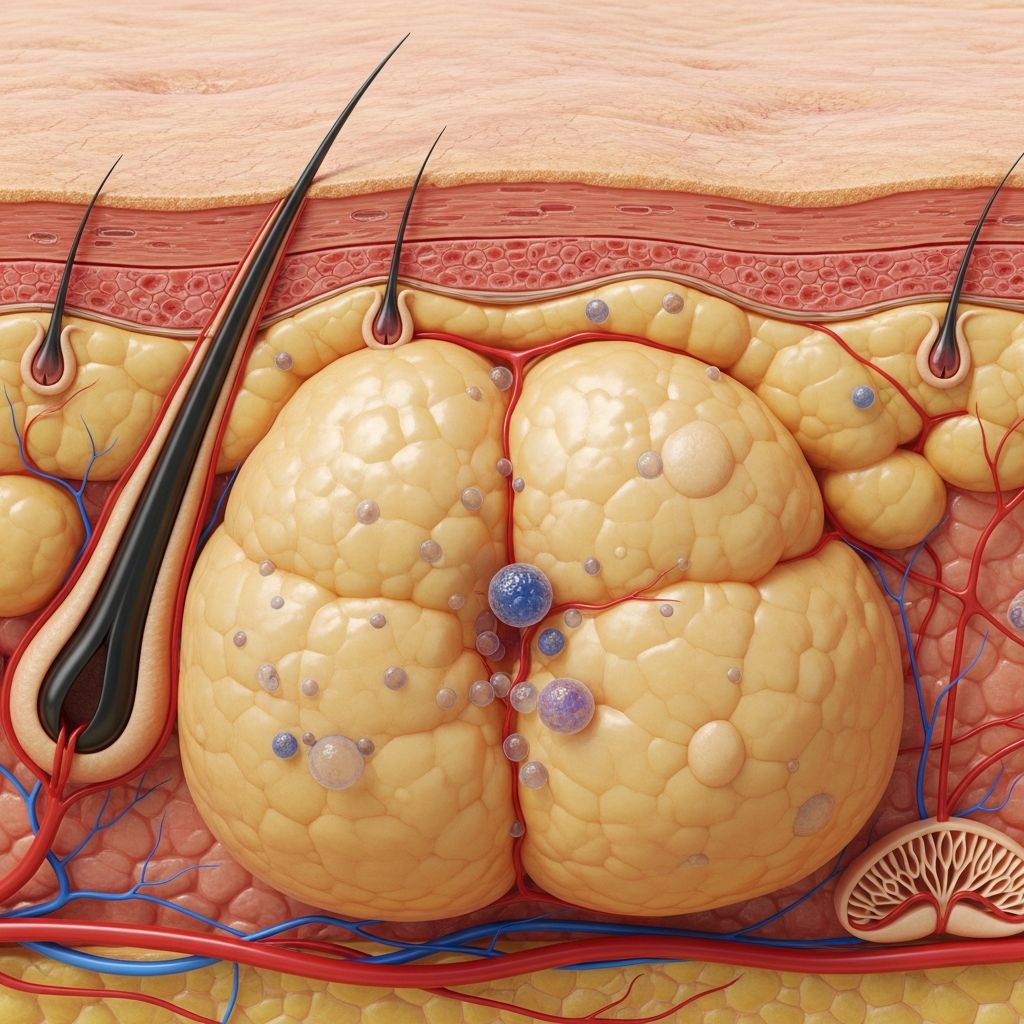
Obesity significantly affects skin health through mechanical, physiological, and metabolic changes, leading to a range of dermatological conditions. Excess body fat creates skin folds prone to friction, moisture trapping, and infections, while systemic inflammation exacerbates chronic diseases like psoriasis.
What is obesity?
Obesity is defined as abnormal or excessive fat accumulation that presents a risk to health, typically measured by a body mass index (BMI) of 30 kg/m² or higher. According to the Centers for Disease Control and Prevention (CDC), over 40% of U.S. adults have obesity, with 9% experiencing severe obesity, increasing susceptibility to skin issues due to physical and hormonal factors.
Skin changes in obesity
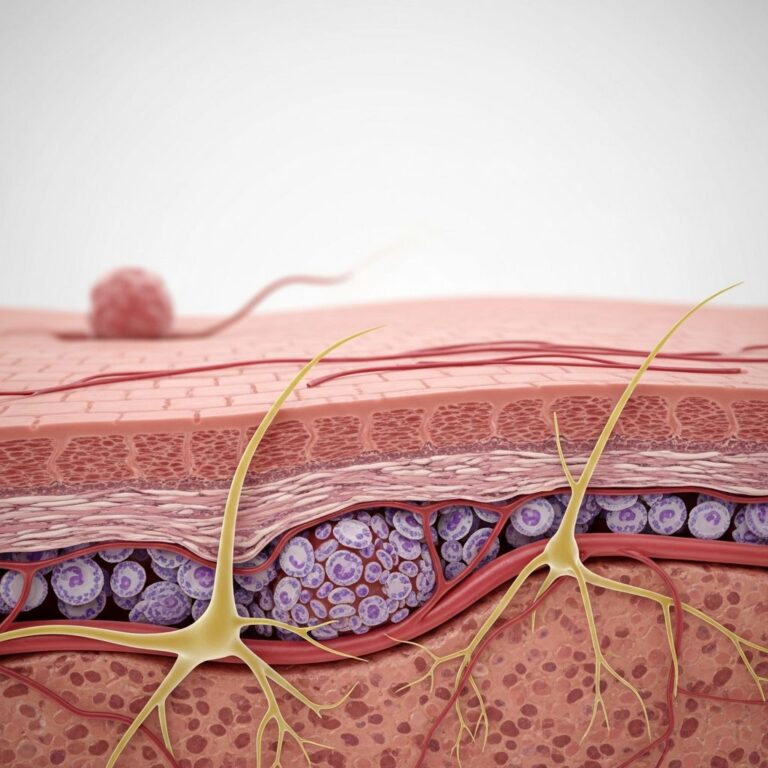
Obese individuals exhibit distinct skin alterations, including increased subcutaneous fat, larger skin folds, and higher surface roughness. These changes impair skin barrier function, reduce ceramide expression in epidermal lipids, and alter collagen structure, leading to decreased mechanical resilience and higher risks of stretch marks and poor wound healing.
- Increased skin surface area: More skin leads to greater exposure to friction and environmental irritants.
- Thicker subcutaneous fat: Insulates the body, trapping heat and promoting excessive sweating.
- Collagen abnormalities: Reduced cross-links and glycosylated lysine weaken skin integrity.
- Impaired barrier function: Decreased sebum and altered sweat glands heighten infection risks.
Skin conditions associated with obesity
Obesity is linked to over 30 dermatological conditions, from direct mechanical effects like intertrigo to inflammatory diseases worsened by metabolic syndrome.
Intertrigo
Intertrigo is a common inflammatory rash in skin folds caused by friction, moisture, and microbial overgrowth. Common sites include abdominal folds, axillae, groin, and inframammary areas. Symptoms include redness, itching, burning, and potential secondary bacterial or fungal infections.
- Predisposing factors: Hot weather, poor hygiene, tight clothing, diabetes.
- Diagnosis: Clinical inspection, KOH preparation, or fungal culture.
- Treatment: Keep dry, barrier creams, antifungals like clotrimazole, or antibiotics for superinfections.
Candidal intertrigo
A subtype of intertrigo, candidal intertrigo results from Candida yeast overgrowth in moist folds. It presents with satellite pustules and erosions, more prevalent in obesity and diabetes.
Bacterial intertrigo
Bacterial overgrowth, often Staphylococcus or Streptococcus, complicates intertrigo with pustules, crusting, and foul odor. Poor blood supply in adipose tissue delays healing.
Acanthosis nigricans
The most common skin manifestation in obesity, acanthosis nigricans features velvety, hyperpigmented plaques on neck, axillae, groin, and flexures. Linked to insulin resistance, it affects up to 46% of obese individuals with diabetes.
| Feature | Description |
|---|---|
| Appearance | Dark, thickened, velvety skin |
| Locations | Neck, armpits, groin, elbows |
| Associations | Obesity, type 2 diabetes, PCOS |
| Treatment | Weight loss, topical retinoids, laser therapy |
Skin tags (acrochordons)
Soft, pedunculated growths in friction areas like neck, axillae, and groin. Caused by insulin growth factor from hyperinsulinemia and friction. Prevalent in 36-75% of obese patients.
- Removal options: Cryotherapy, snip excision, electrocautery.
Striae distensae (stretch marks)
Linear atrophic scars from rapid skin stretching due to weight gain. Incidence rises with BMI; 40% in obese children. Common on abdomen, thighs, breasts.
Related Stories



Hidradenitis suppurativa
Chronic inflammatory condition in apocrine gland areas (axillae, groin, buttocks) with painful nodules, abscesses, and fistulas. Obesity triples risk via follicular occlusion and inflammation.
Psoriasis
Obesity worsens psoriasis through shared inflammatory pathways (TNF-α, IL-6). Excess weight exacerbates plaques; weight loss improves symptoms.
Acne
Hormonal changes and insulin resistance in obesity promote acne on face, chest, back, and buttocks. Pores clog with sebum and sweat.
Keratosis pilaris
Rough, follicular papules on arms and thighs due to keratin plugs, aggravated by dry skin in obesity.
Plantar hyperkeratosis
Thickened skin on weight-bearing feet from pressure, leading to pain and fissures.
Hirsutism
Increased hair growth from hyperandrogenism in obese females, often with PCOS.
Cellulitis
Bacterial skin infections (e.g., staph) more frequent due to lymphedema and impaired immunity.
Pressure ulcers (bedsores)
Occur in severe obesity from prolonged pressure on skin, especially immobile patients.
Lymphedema
Swelling from lymphatic obstruction by fat, causing skin thickening and infections.
Adiposis dolorosa (Dercum disease)
Rare, painful fatty deposits; associated with obesity.
Management
Key strategies focus on weight loss, hygiene, and targeted therapies.
Weight loss
Primary intervention; reduces skin folds, inflammation, and insulin resistance. Even 5-10% loss improves conditions like psoriasis and acanthosis nigricans.
Skinfold management
Gently cleanse with mild soap, thoroughly dry, apply barrier creams (zinc oxide, silicone-based). Avoid powders due to abrasiveness; use moisture-wicking fabrics.
- Separate folds with gauze or barriers during care.
- Antiperspirants or antifungals preventively.
Specific treatments
- Intertrigo: Low-potency steroids, antifungals.
- HS: Antibiotics, biologics (adatumumab), surgery.
- Skin tags: Cryotherapy or excision.
- Acne: Topicals (retinoids, benzoyl peroxide), weight management.
Prevention
Prevent skin issues through weight control, daily hygiene, breathable clothing, and early intervention. Manage comorbidities like diabetes to reduce risks.
Frequently Asked Questions
Q: Why does obesity cause skin folds and rashes?
A: Excess fat creates folds where friction and moisture trap bacteria/fungi, leading to intertrigo and infections.
Q: Is acanthosis nigricans reversible?
A: Yes, with significant weight loss and insulin sensitivity improvement, though remnants may persist.
Q: How can I manage sweat and odor in skin folds?
A: Use absorbent powders sparingly, silicone barriers, frequent cleaning, and antiperspirants.
Q: Does weight loss help hidradenitis suppurativa?
A: Yes, reducing BMI alleviates mechanical stress and inflammation, often improving symptoms.
Q: Are skin infections more common in obesity?
A: Absolutely, due to poor circulation, moisture, and impaired immunity in adipose tissue.
References
- Obesity and Skin Problems: Rashes, Itching, Odors, and More — Healthline. 2023. https://www.healthline.com/health/obesity/obesity-skin-problems
- The Link Between Obesity and the Skin — PMC – NIH. 2022-03-15. https://pmc.ncbi.nlm.nih.gov/articles/PMC8965625/
- Obesity and Skin Conditions — HealthCentral. 2024. https://www.healthcentral.com/condition/obesity/obesity-and-skin-health
- An Overview of Dermatological Conditions Commonly Associated with Obese Patient — HMP Global Learning Network. 2023. https://www.hmpgloballearningnetwork.com/site/wmp/content/an-overview-dermatological-conditions-commonly-associated-with-obese-patient
- Obesity-Related Skin Conditions: Exploring the Link — PMC – NIH. 2024. https://pmc.ncbi.nlm.nih.gov/articles/PMC11074804/
- Obesity: Skin issues and skinfold management — American Nurse. 2023. https://www.myamericannurse.com/obesity-skin-issues-and-skinfold-management/
- Skin Problems With Obesity — WebMD. 2024. https://www.webmd.com/obesity/ss/slideshow-skin-problems-with-obesity
Similar Articles








Read full bio of medha deb