Obesity And Overweight: 6 Causes, Risks, And Treatments
Understand the causes, health risks, and effective strategies for preventing and managing obesity and overweight conditions.
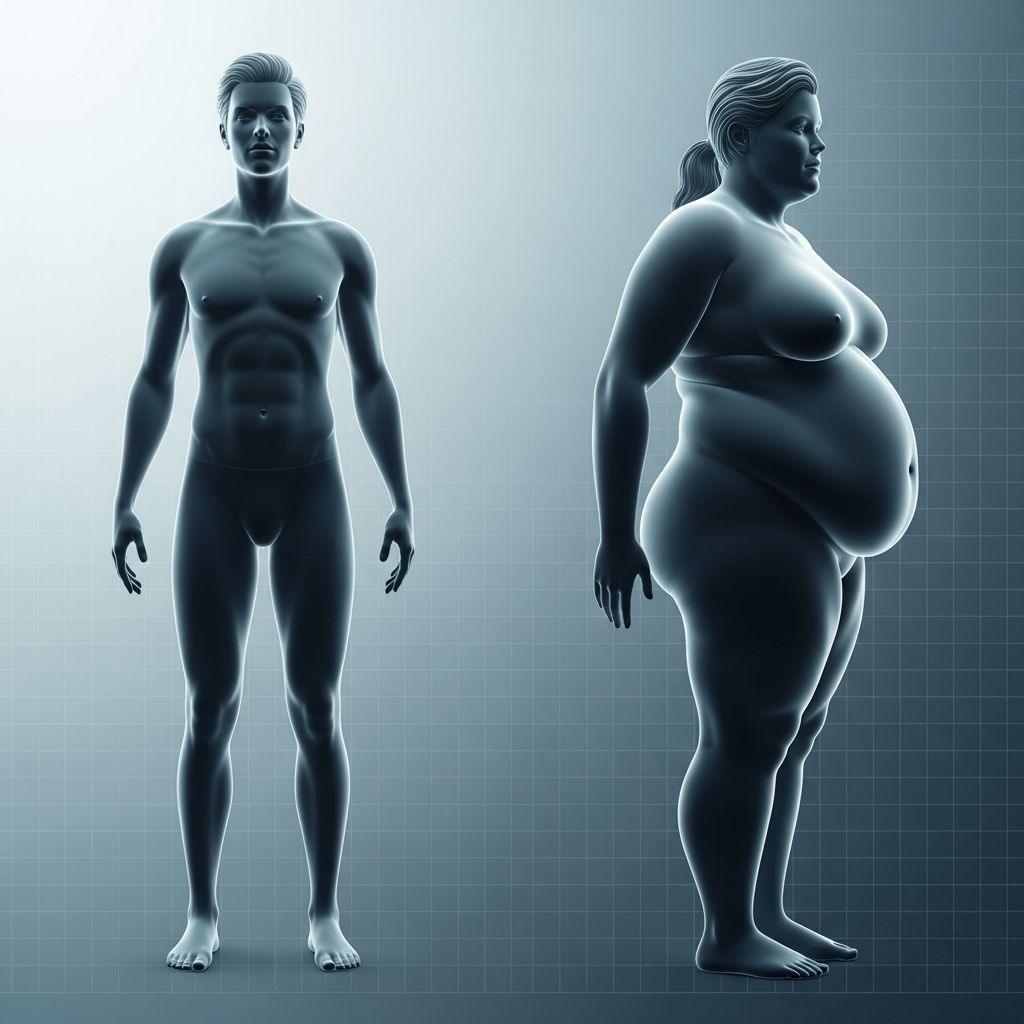
Obesity and overweight are major public health concerns affecting over 1 billion people worldwide, driven by energy intake exceeding expenditure through diet and physical activity imbalances. Classified by the World Health Organization (WHO) as a chronic disease, obesity arises from genetic, environmental, and behavioral factors, leading to significant health risks if unmanaged.
What is Obesity?
Obesity is defined as abnormal or excessive fat accumulation that presents a health risk, typically measured using body mass index (BMI), calculated as weight in kilograms divided by height in meters squared (kg/m²). A BMI of 30 or higher indicates obesity in adults, categorized into three classes: Class 1 (30-34.9), Class 2 (35-39.9), and Class 3 (40+), with higher classes linked to greater risks.
Overweight is identified by a BMI of 25-29.9, serving as a precursor that can progress to obesity without intervention. BMI categories adjust for age and gender in children and adolescents, and additional metrics like waist circumference refine diagnosis—over 35 inches in women or 40 inches in men signals elevated cardiovascular and diabetes risks.
| BMI Category | Adult Classification |
|---|---|
| Below 18.5 | Underweight |
| 18.5-24.9 | Normal weight |
| 25-29.9 | Overweight |
| 30-34.9 | Obesity Class 1 |
| 35-39.9 | Obesity Class 2 |
| 40+ | Obesity Class 3 (Severe) |
While BMI is a practical screening tool, it does not directly measure body fat and may misclassify muscular individuals; thus, it’s combined with clinical assessments.
Symptoms
Obesity often presents without overt symptoms but manifests through physical signs like excessive body fat distribution, particularly around the abdomen (central obesity), breathlessness on exertion, joint pain, and skin conditions such as acanthosis nigricans (darkened skin folds). Psychological symptoms include low self-esteem, depression, and social stigma, exacerbated in children by bullying and poor academic performance.
- Shortness of breath and fatigue during mild activity.
- Sleep disturbances like snoring or obstructive sleep apnea.
- Mobility limitations due to joint strain.
- Skin issues from friction in folds.
These signs underscore obesity’s impact beyond cosmetics, signaling metabolic disruptions.
Causes of Obesity and Overweight
Fundamentally, obesity results from a sustained positive energy balance where caloric intake surpasses expenditure. Key contributors include:
- Dietary factors: High consumption of calorie-dense foods, sugars, fats, and ultra-processed items, often from fast food and sugary drinks.
- Physical inactivity: Sedentary lifestyles reduce energy use, compounded by modern environments promoting desk jobs and screen time.
- Genetic and biological factors: Heritable traits influence metabolism, appetite regulation, and fat storage; rare monogenic disorders account for a small subset.
- Environmental influences: Obesogenic settings with easy access to unhealthy foods, marketing pressures, and urban design limiting activity.
- Psychosocial elements: Stress, emotional eating, socioeconomic deprivation, and lower education levels correlate with higher prevalence.
- Medical contributors: Medications (e.g., steroids, antipsychotics), endocrine disorders (e.g., hypothyroidism, PCOS), and immobilization.
Related Stories



Socioeconomic disparities amplify risks, with higher rates in deprived areas due to limited healthy food access and education.
Health Risks and Complications
Overweight and obesity elevate risks for numerous non-communicable diseases (NCDs), contributing to 3.7 million deaths in 2021 alone. Excess fat triggers inflammation, insulin resistance, and metabolic syndrome.
- Cardiovascular diseases: Hypertension, heart attacks, strokes from plaque buildup.
- Type 2 diabetes: Insulin resistance leads to 80-90% of cases in obese individuals.
- Cancers: Increased incidence of breast, colon, endometrial, and others.
- Respiratory issues: Sleep apnea, asthma, osteoarthritis from joint overload.
- Liver disease: Non-alcoholic fatty liver disease (NAFLD), potentially progressing to cirrhosis.
- Mental health: Depression, anxiety, reduced quality of life, especially in youth.
Childhood obesity persists into adulthood, accelerating NCD onset and causing psychosocial harm like stigma and poor school performance. Even modest weight (5-10%) reduction mitigates these risks significantly.
Prevention of Obesity and Overweight
Prevention is more effective than treatment, emphasizing lifelong healthy habits across populations and individuals.
- Promote balanced diets: Limit fats/sugars, prioritize fruits, vegetables, whole grains, nuts, legumes.
- Encourage regular physical activity: At least 150 minutes moderate aerobic activity weekly for adults.
- Foster healthy environments: Policies reducing junk food marketing, improving urban walkability.
- Lifecourse approach: Start pre-conception, emphasizing sleep, tobacco/alcohol avoidance, emotional regulation.
- Universal services: Health promotion, community programs for exercise and nutrition education.
Population strategies complement individual counseling by primary care on lifestyle.
Management and Treatment
Management tiers escalate from universal to specialist care, targeting 5-10% weight loss via multicomponent interventions.
Tiered Interventions
| Tier | Description | Examples |
|---|---|---|
| 1 | Universal access | Health promotion, self-care, primary care advice |
| 2 | Behavioral programs | 12-week group education on diet/exercise |
| 3 | Specialist multidisciplinary | Physicians, dietitians, psychologists; pharmacotherapy |
| 4 | Advanced | Bariatric surgery for severe cases |
Diet: Calorie deficit via food diaries; no single diet superior—tailor to preferences (e.g., low-carb, Mediterranean). Aim for 0.5-1kg/week loss.
Physical activity: Combine aerobic (walking, swimming) with resistance training; start gradually.
Behavioral: Cognitive strategies addressing habits, motivation.
Pharmacological: For BMI ≥30 or ≥27 with comorbidities; options like orlistat, liraglutide under specialist care.
Surgery: Gastric bypass/sleeve for BMI ≥40 or ≥35 with complications; highly effective long-term.
Monitor comorbidities (glucose, lipids, BP); holistic care includes mental health.
Frequently Asked Questions (FAQs)
What is a healthy BMI?
A BMI of 18.5-24.9 is healthy for adults; overweight is 25-29.9, obesity ≥30.
Can obesity be reversed?
Yes, through sustained lifestyle changes, medications, or surgery; even 5-10% loss reduces risks.
How much exercise is needed?
150 minutes moderate or 75 minutes vigorous weekly, plus muscle-strengthening twice weekly.
Does genetics cause obesity?
Genetics contribute but environment/lifestyle are key; most cases are multifactorial.
Is dieting alone enough?
Diet plus activity and behavior change is most effective; combine for sustainability.
References
- Obesity and overweight — World Health Organization. 2024-03-05. https://www.who.int/news-room/fact-sheets/detail/obesity-and-overweight
- Obesity in Adults: Facts & Causes — Patient.info. 2023-01-15. https://patient.info/doctor/endocrine-disorders/obesity-in-adults
- Obesity: What It Is, Classes, Symptoms, Causes — Cleveland Clinic. 2024-07-12. https://my.clevelandclinic.org/health/diseases/11209-weight-control-and-obesity
- Obesity – Symptoms and causes — Mayo Clinic. 2024-02-07. https://www.mayoclinic.org/diseases-conditions/obesity/symptoms-causes/syc-20375742
- Obesity: Risk Factors, Complications, and Weight Management — PMC (PubMed Central). 2018-07-26. https://pmc.ncbi.nlm.nih.gov/articles/PMC6088226/
Similar Articles








Read full bio of Sneha Tete