Obstructive Sleep Apnea: Symptoms, Causes & Treatment
Comprehensive guide to understanding OSA, its symptoms, diagnosis, and effective treatment options.
Understanding Obstructive Sleep Apnea
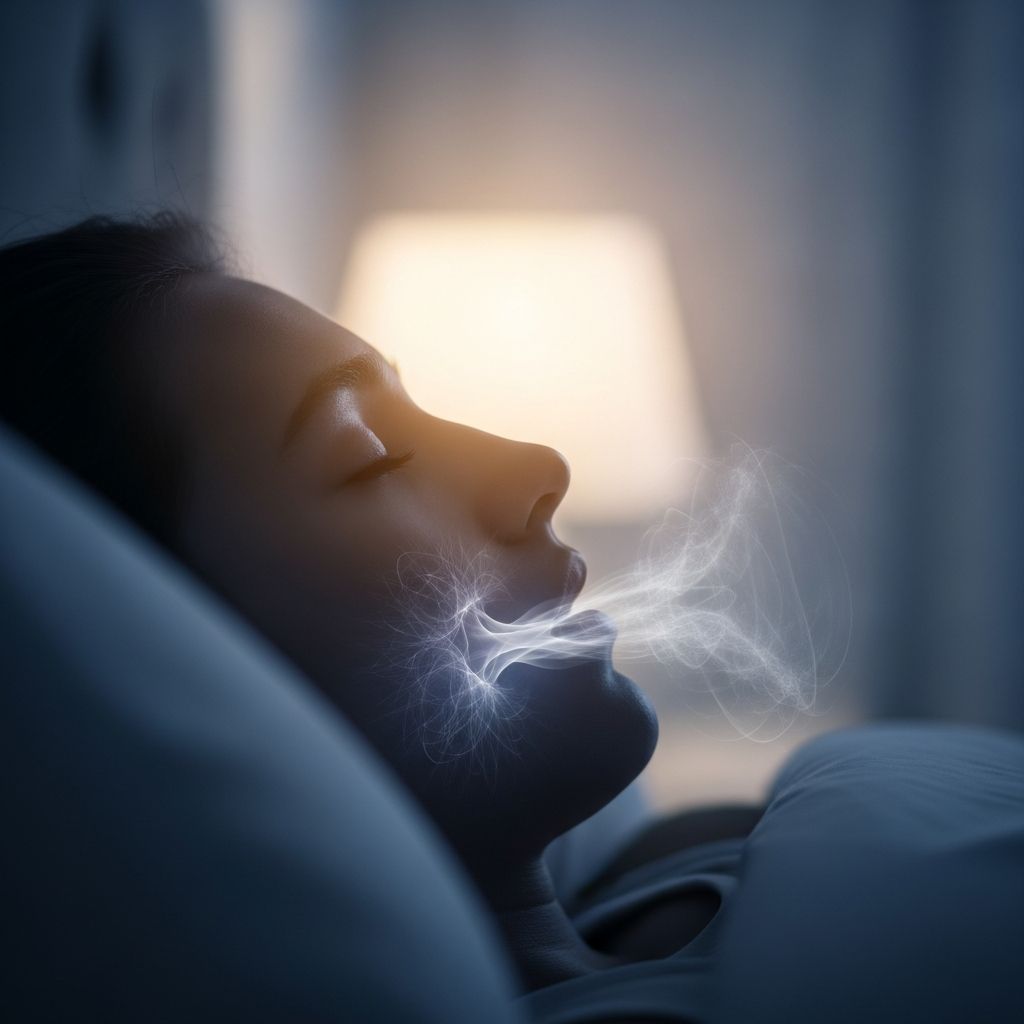
Obstructive sleep apnea (OSA) is a serious sleep disorder characterized by repeated episodes of complete or partial upper airway blockage during sleep. When muscles in the throat relax excessively, they can collapse and obstruct the airway, interrupting normal breathing patterns and disrupting sleep quality. These breathing interruptions, called apneas, can last from a few seconds to more than a minute and may occur dozens or even hundreds of times throughout the night.
The condition is highly treatable, and many individuals experience significant symptom improvement by following a comprehensive treatment plan. Understanding the nature of OSA, its symptoms, and available treatment options is essential for anyone concerned about their sleep health or those who have received a recent diagnosis.
What Causes Obstructive Sleep Apnea
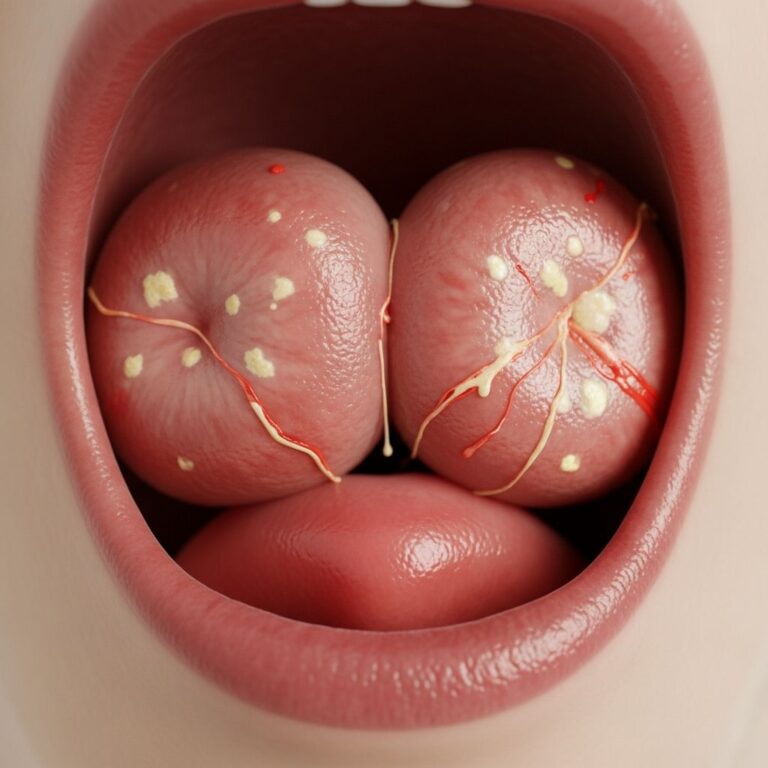
OSA develops when the muscles supporting the soft palate, uvula, tongue, and tonsils relax during sleep. This relaxation causes the airway to narrow or close completely, blocking airflow to the lungs. Several anatomical and lifestyle factors can increase the risk of developing OSA:
- Excess weight and obesity, which can narrow the airway
- Enlarged tonsils or adenoids that obstruct the airway
- A naturally narrower airway or structural abnormalities
- Male gender, though women are increasingly affected, especially after menopause
- Older age, as muscle tone decreases
- Family history of sleep apnea
- Nasal congestion from allergies or structural problems like a deviated septum
- Alcohol consumption and sedative use before sleep
- Smoking, which increases inflammation in the airway
- Certain medical conditions such as high blood pressure, diabetes, and heart disease
Recognizing Symptoms of OSA
Obstructive sleep apnea presents with various symptoms that can significantly impact daily functioning and overall health. The most common symptoms include:
- Loud snoring: Often one of the first signs noticed by bed partners
- Witnessed breathing pauses: Episodes where breathing stops during sleep
- Excessive daytime sleepiness: Persistent fatigue and inability to stay awake during the day
- Unrefreshing sleep: Waking up feeling unrested despite seemingly adequate sleep time
- Abrupt awakenings: Gasping or choking sensations that jolt you awake
- Morning headaches: Headaches upon waking due to oxygen deprivation
- Difficulty concentrating: Problems with attention, memory, and executive function
- Mood changes: Irritability, depression, or anxiety
- Frequent nighttime urination: Waking multiple times to urinate
If you experience these symptoms, particularly if you snore loudly and have witnessed breathing pauses during sleep, it is important to consult with a healthcare provider for proper evaluation.
Health Complications of Untreated OSA
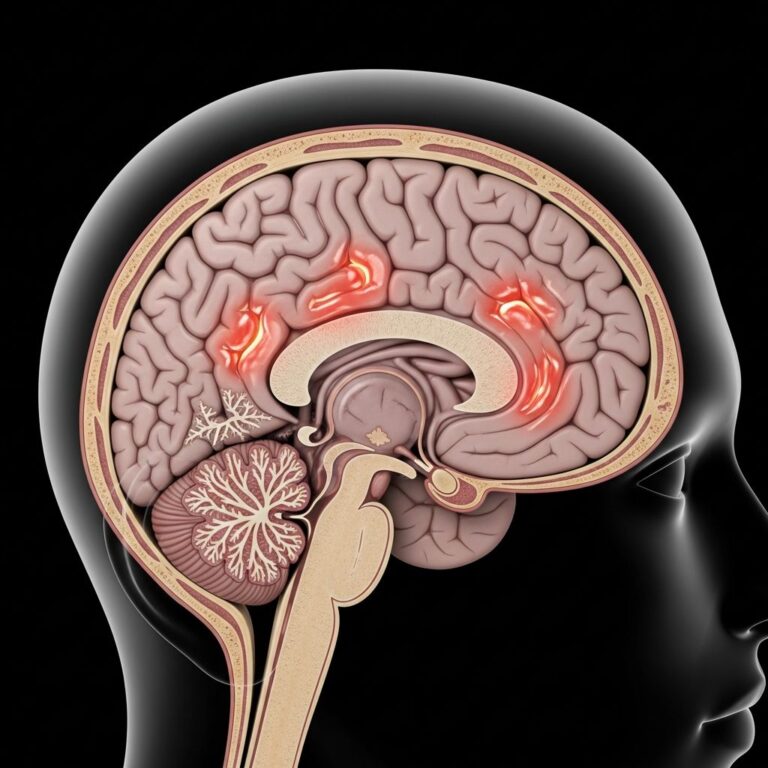
Left untreated, obstructive sleep apnea can lead to serious health complications. The repeated interruptions in breathing cause oxygen levels to drop, putting strain on the cardiovascular system and other organs. Successfully treating obstructive sleep apnea can reduce your chance of developing:
- Heart disease and heart attack
- High blood pressure
- Stroke
- Cognitive disorders and memory problems
- Type 2 diabetes
- Liver problems
- Sudden cardiac death
The good news is that these risks are modifiable with appropriate therapy, making diagnosis and treatment critically important.
Related Stories



Diagnosis of Obstructive Sleep Apnea
Proper diagnosis of OSA involves a systematic approach combining clinical evaluation and specialized testing.
Initial Evaluation
Your healthcare provider will begin by conducting a comprehensive sleep history, asking about your total sleep time, difficulty falling or staying asleep, and daytime symptoms like excessive napping. They will also perform a physical examination, including assessment of your upper airway, neck circumference, and overall health status. You may be asked to complete a questionnaire or screening tool such as the STOP-BANG questionnaire or Epworth Sleepiness Scale to assess your risk for OSA.
Sleep Studies
If initial screening suggests OSA, your provider will recommend a sleep study. Two main types of sleep studies are available:
- Polysomnography (PSG): A comprehensive laboratory sleep study where you spend a night in a sleep center. Multiple sensors monitor your brain waves, heart rate, oxygen levels, breathing patterns, eye movements, and muscle activity. The PSG records REM and non-REM sleep stages, body position, and provides detailed information about breathing events and their severity.
- Home Sleep Apnea Test (HSAT): A portable testing device used at home that measures breathing patterns, oxygen levels, and airflow. This option is effective for confirming OSA diagnosis in patients at high risk for moderate to severe OSA and offers greater convenience.
The test results help determine the severity of your condition using the Apnea-Hypopnea Index (AHI), which counts the number of breathing events per hour of sleep.
OSA Severity Classification
| Severity Level | AHI Score | Description |
|---|---|---|
| Mild | 5-14 events/hour | Occasional breathing interruptions |
| Moderate | 15-29 events/hour | Frequent breathing interruptions |
| Severe | 30+ events/hour | Multiple breathing interruptions per hour |
Treatment Options for Obstructive Sleep Apnea
Treatment plans are customized based on the severity of your OSA, anatomical factors, and personal preferences. Several effective options are available.
Conservative Treatments
For mild OSA or as adjuncts to other therapies, lifestyle modifications can be beneficial:
- Weight loss: Reducing excess weight can significantly improve or even resolve OSA symptoms
- Exercise: Regular physical activity improves airway tone and overall health
- Sleep position changes: Avoiding the supine position and sleeping on your side can reduce obstruction
- Alcohol avoidance: Alcohol relaxes throat muscles and worsens apnea events
- Sleep hygiene: Maintaining consistent sleep schedules and avoiding sleep deprivation
- Smoking cessation: Quitting smoking reduces airway inflammation
Continuous Positive Airway Pressure (CPAP)
CPAP is the gold standard and most commonly prescribed treatment for moderate to severe OSA. The device consists of a small air blower connected to a hose and mask that fits over your nose and/or mouth. During sleep, the CPAP machine delivers a constant stream of pressurized air that keeps your airway open, preventing collapse and obstruction. The air pressure is individually calibrated to provide just enough force to keep your airway patent throughout the night.
For CPAP therapy to be effective, patients should use their device for at least 4 hours on 70% of nights, ideally for the entire sleep period. Several factors can enhance comfort and compliance, including selecting the appropriate mask style, using expiratory pressure relief features, and seeking support through group sessions or one-on-one guidance from sleep specialists.
Oral Appliances
If CPAP is not tolerated or effective, oral appliances offer an alternative approach. Similar to an orthodontic retainer, these custom-fitted devices are worn in the mouth during sleep. The appliance gently repositions the lower jaw and tongue to support the airway and prevent collapse. Board-certified dental sleep medicine specialists customize each appliance to ensure proper fit and effectiveness. This option is typically best suited for patients with mild to moderate obstructive sleep apnea.
Inspire Upper Airway Stimulation
For patients who do not tolerate CPAP or oral appliances, Inspire therapy represents a newer treatment option. This minimally invasive implantable device works by stimulating the airway muscles during sleep to keep them from collapsing, thereby maintaining normal breathing patterns.
Surgical Interventions
When conservative treatments, CPAP, and oral appliances do not provide adequate symptom relief, surgical options may be considered. Before recommending surgery, your specialist will perform a sleep endoscopy procedure. During this test, you are gently sedated to mimic sleep conditions, allowing an otolaryngology surgeon to use a specialized scope to visualize and identify the specific areas of airway obstruction. This information guides the selection of the most appropriate surgical approach for your individual anatomy.
Potential surgical procedures include uvulopalatopharyngoplasty (UPPP), which removes excess tissue from the throat; septoplasty or turbinate reduction to improve nasal airflow; genioglossus advancement to reposition the tongue; hyoid suspension; and maxillomandibular advancement, which repositions the upper and lower jaw to enlarge the airway.
Collaborative Care Approach
Comprehensive OSA management involves a multidisciplinary team of specialists working together. Your care team typically includes sleep medicine physicians, dentists specializing in dental sleep medicine, otolaryngologists (ear, nose and throat specialists), and mental health professionals. This collaborative approach ensures proper diagnosis, customized treatment planning, and ongoing follow-up to monitor treatment effectiveness and make adjustments as needed to ensure your treatment plan continues to work for your life and goals.
Living with Obstructive Sleep Apnea
Successfully managing OSA requires patience and commitment, but most people find that treatment becomes easier to incorporate into their routine over time. It may initially feel challenging to adjust to wearing a CPAP mask or oral appliance, but these adjustments typically become comfortable with consistent use. Working closely with your healthcare team and communicating any concerns about comfort, fit, or effectiveness helps ensure you receive ongoing support and optimization of your therapy.
Many patients report dramatic improvements in daytime alertness, mood, cognitive function, and overall quality of life once their OSA is effectively treated. The key to success is finding the treatment option that works best for your individual needs and lifestyle, and maintaining consistent use and follow-up care.
Frequently Asked Questions About Obstructive Sleep Apnea
Q: How common is obstructive sleep apnea?
A: OSA is a highly prevalent condition, particularly in individuals with established risk factors such as obesity, high blood pressure, and diabetes. The condition is estimated to affect millions of people, though many cases remain undiagnosed.
Q: Can obstructive sleep apnea be cured?
A: While some cases may improve significantly with weight loss and lifestyle modifications, OSA typically requires ongoing treatment. However, with appropriate therapy, symptoms can be effectively managed, and you can enjoy restful, uninterrupted sleep.
Q: Is CPAP the only treatment for OSA?
A: No, CPAP is the most common first-line treatment, but several alternatives exist, including oral appliances, Inspire therapy, surgical procedures, and lifestyle modifications. Your healthcare provider will recommend the best option based on your specific situation.
Q: How long does it take to adjust to CPAP therapy?
A: Adjustment periods vary by individual. Some people adapt within a few weeks, while others may take several months. Working with your sleep specialist and gradually increasing usage time can facilitate the adjustment process.
Q: Will treating my OSA improve my overall health?
A: Yes, successfully treating obstructive sleep apnea significantly reduces the risk of serious complications including heart disease, stroke, high blood pressure, and cognitive disorders. Treatment can substantially improve your long-term health outcomes.
References
- Obstructive Sleep Apnea (OSA): Symptoms & Treatment — Cleveland Clinic. 2024. https://my.clevelandclinic.org/health/diseases/24443-obstructive-sleep-apnea-osa
- Obstructive Sleep Apnea Basics — Cleveland Clinic Journal of Medicine. https://www.ccjm.org/content/86/9_suppl_1/2
- Treatments for Obstructive Sleep Apnea: CPAP and Beyond — Cleveland Clinic Journal of Medicine, 90(12). https://www.ccjm.org/content/ccjom/90/12/755.full.pdf
- Sleep Apnea: What It Is, Causes, Symptoms & Treatment — Cleveland Clinic. https://my.clevelandclinic.org/health/diseases/8718-sleep-apnea
- Get Obstructive Sleep Apnea Treatment — Cleveland Clinic. https://my.clevelandclinic.org/services/obstructive-sleep-apnea-treatment
- Sleep Apnea — Cleveland Clinic Fact Sheet. https://my.clevelandclinic.org/-/scassets/files/org/neurological/sleep-disorders/fact-sheets/8-sleep-apnea.pdf
Similar Articles








Read full bio of medha deb