Occipital Neuralgia: Symptoms and Treatments
Complete guide to understanding occipital neuralgia, its symptoms, causes, and effective treatment options.
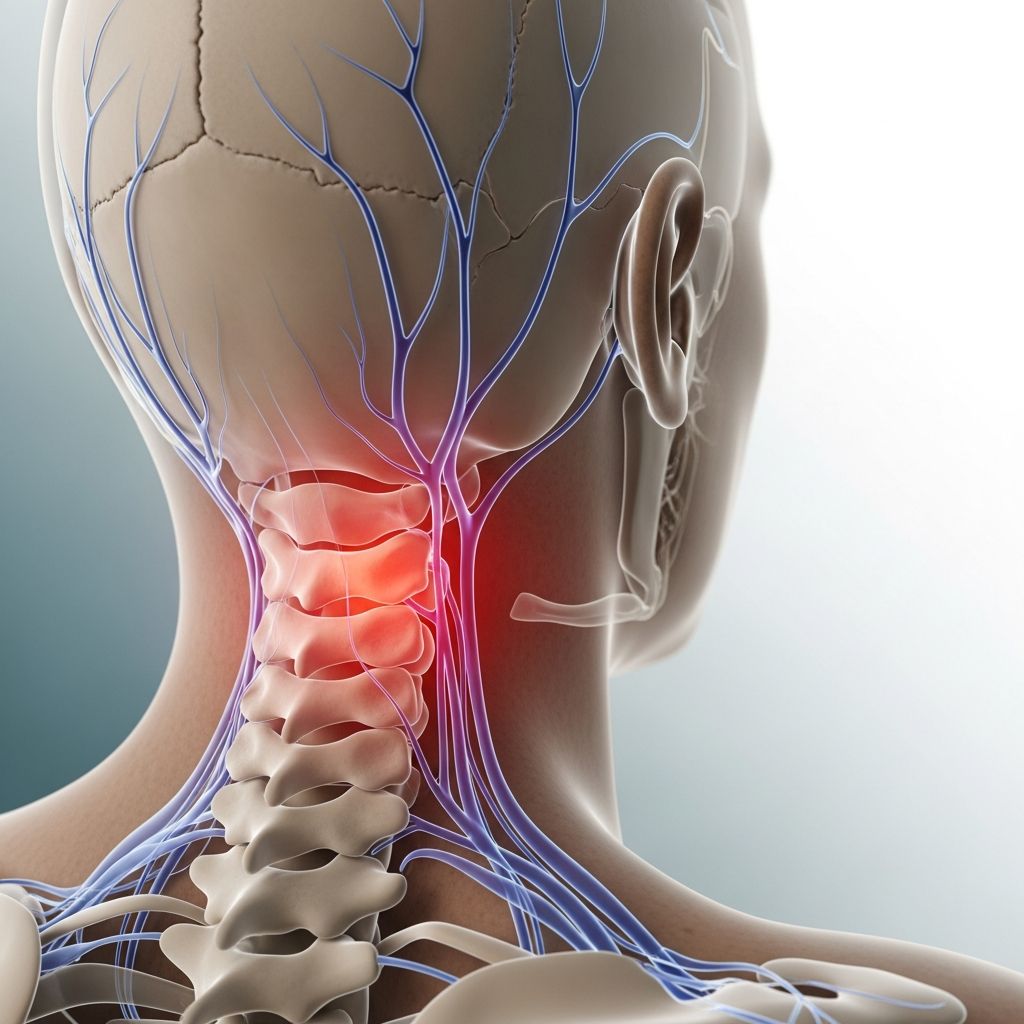
Understanding Occipital Neuralgia
Occipital neuralgia is a type of neuropathic pain condition that affects the occipital nerves, which originate in the upper neck and extend upward along the back of the scalp. This condition develops when these nerves become irritated, compressed, or damaged, resulting in shooting, burning, or throbbing pain that typically radiates from the neck to the back of the head and scalp. The pain can be severe and debilitating, significantly impacting quality of life and daily activities. Understanding this condition, its symptoms, and available treatment options is essential for individuals seeking relief and healthcare providers working to manage patient care effectively.
Symptoms of Occipital Neuralgia
The symptoms of occipital neuralgia can vary in intensity and presentation among individuals. Patients typically experience distinctive pain patterns that help distinguish this condition from other types of headaches and pain disorders.
Common symptoms include:
- Shooting or stabbing pain at the base of the skull
- Burning or throbbing sensations along the scalp
- Pain that radiates from the neck upward along one or both sides of the head
- Sensitivity to light (photophobia)
- Tenderness in the neck and scalp areas
- Aching sensations in the upper neck region
- Pain that may worsen with certain head movements or neck positions
- Difficulty sleeping due to pain
The pain episodes can occur intermittently or become chronic, with some individuals experiencing constant discomfort punctuated by sharp, intense flare-ups. Severity can range from mild discomfort to debilitating pain that interferes with normal functioning.
Causes and Risk Factors
Occipital neuralgia develops when pressure or damage affects the occipital nerves. Several factors and conditions can contribute to this nerve compression or irritation:
- Muscle tension and tightness in the neck region
- Poor posture, particularly prolonged forward head positioning
- Neck trauma or whiplash injuries
- Osteoarthritis in the cervical spine
- Bone spurs or degenerative disc disease
- Inflammation of nearby tissues
- Direct pressure from tight neck muscles or connective tissue
- Compression by blood vessels or anatomical abnormalities
- Prolonged stress and muscle tension
In many cases, the exact cause remains unclear, and the condition may develop idiopathically. Understanding potential causes helps guide treatment approaches and prevention strategies.
Diagnosis of Occipital Neuralgia
Healthcare providers typically diagnose occipital neuralgia through clinical examination and patient history. A diagnostic nerve block is often performed to confirm the diagnosis. During this procedure, a local anesthetic is injected near the occipital nerves. If pain resolves after the injection, it strongly indicates that occipital neuralgia is the underlying cause. This diagnostic approach is both informative and therapeutic, providing immediate pain relief while confirming the diagnosis.
Additional imaging studies such as MRI or CT scans may be ordered to rule out other conditions or identify structural abnormalities contributing to nerve compression. Careful physical examination of the neck and head region, combined with assessment of pain characteristics and triggers, helps establish the diagnosis.
Non-Surgical Treatment Options
Most cases of occipital neuralgia respond well to conservative, non-surgical treatments. These approaches should typically be tried first before considering more invasive interventions.
Home Remedies and Self-Care
Simple home-based interventions can provide significant pain relief for many individuals:
- Applying warm compresses to the affected area for up to 20 minutes at a time
- Resting in a quiet, dark room during pain episodes
- Gentle massage of the base of the skull using fingertips
- Performing specific exercises such as chin tucks to improve posture and reduce muscle tension
- Using over-the-counter heating pads on the scalp or neck
- Maintaining proper posture throughout daily activities
Related Stories



These conservative measures work by reducing muscle tension, improving blood flow, and reducing inflammation around the affected nerves.
Physical and Massage Therapy
Professional physical therapy offers targeted interventions to manage occipital neuralgia effectively. A physical therapist can provide specific exercises designed to strengthen and relax neck muscles, improve posture, and prevent pain recurrence. Massage therapy, particularly focusing on the muscles at the base of the skull and upper neck, can help release tension compressing the nerves. These therapies address underlying muscle dysfunction and postural issues that contribute to nerve irritation.
Over-the-Counter Medications
Anti-inflammatory medications are often the first pharmacological intervention. Common options include ibuprofen and naproxen, which reduce inflammation and alleviate pain. These medications work best when taken consistently rather than only during pain episodes.
Prescription Medications
When over-the-counter medications prove insufficient, healthcare providers may prescribe more specialized medications:
- Muscle Relaxants: These medications help reduce muscle tension contributing to nerve compression
- Anti-seizure Medications: Drugs such as gabapentin (Neurontin) and carbamazepine (Tegretol) are effective for neuropathic pain management
- Tricyclic Antidepressants: These medications have pain-modulating properties and can help prevent symptom recurrence
- Serotonin-Norepinephrine Reuptake Inhibitors (SNRIs): These antidepressants can help manage chronic neuropathic pain
These prescription options address the neuropathic component of occipital neuralgia more effectively than traditional pain relievers.
Injection-Based Treatments
When conservative treatments provide insufficient relief, injectable interventions offer promising results:
Occipital Nerve Blocks
A nerve block involves injecting local anesthetic around the occipital nerves. This procedure provides immediate pain relief and can be repeated every few weeks as needed. In many cases, two to three injections over several weeks help achieve pain control. The nerve block can be used both diagnostically and therapeutically, offering temporary relief while allowing time for other treatments to become effective.
Steroid Injections
Corticosteroids are frequently added to local anesthetic injections to reduce inflammation around the nerves. These injections can provide longer-lasting relief by addressing the inflammatory component of the condition.
Botulinum Toxin Injections
Botox injections have emerged as an effective treatment option for occipital neuralgia, demonstrating 50% or more improvement in most recent clinical trials. Botulinum toxin works by reducing muscle tension and inflammation around the affected nerves, providing both pain relief and functional improvement.
Advanced Surgical and Interventional Procedures
For individuals who do not respond adequately to conservative and injection-based treatments, several surgical options are available:
Occipital Nerve Stimulation
This minimally invasive procedure involves placing electrodes under the skin near the occipital nerves. A surgically implanted neurostimulator device delivers electrical impulses that block pain messages from reaching the brain. This approach preserves nerve function while providing effective pain control for chronic sufferers.
Spinal Cord Stimulation
In this surgical procedure, electrodes are placed between the spinal cord and vertebrae. The implanted device generates electrical impulses that interrupt pain signal transmission to the brain, offering relief for complex pain syndromes involving broader neuropathic pain.
Occipital Release Surgery
During this procedure, a surgeon makes a small incision in the back of the neck and carefully releases the occipital nerves from surrounding muscles and connective tissues that compress them. This surgical approach directly addresses the physical compression causing nerve irritation.
C2,3 Ganglionectomy
This procedure disrupts the cluster of nerves (ganglion) that contribute to occipital pain. Research has shown that approximately 95% of patients experience immediate relief, with 60% maintaining relief beyond one year. The C2 nerve is the most common site for compression causing occipital neuralgia pain.
Radiofrequency Ablation
This advanced interventional procedure uses thermal or pulsed radiofrequency energy to selectively destroy nerve fibers responsible for pain transmission. While thermal radiofrequency can provide longer-lasting relief, pulsed radiofrequency carries lower risk of complications such as abnormal sensations or painful nerve regrowth.
Microvascular Decompression
When blood vessels compress the occipital nerves, a surgeon may adjust or reposition these vessels through microvascular decompression, alleviating pain caused by vascular compression.
Treatment Progression and Management
Treatment of occipital neuralgia typically follows a stepped approach, beginning with conservative measures and progressing to more invasive options only when necessary. In most cases, pain improves significantly with home remedies or medications. However, if the problem persists or recurs, doctors may recommend injections or surgical interventions. It is important to note that while these treatments can alleviate pain effectively, occipital neuralgia is not permanently cured by these interventions. Many individuals experience recurrent episodes requiring ongoing management.
Prevention Strategies
Several approaches may help prevent occipital neuralgia or reduce the frequency and severity of episodes:
- Maintaining proper posture throughout daily activities and work
- Taking regular breaks from prolonged static positions
- Performing neck stretches and strengthening exercises regularly
- Using ergonomic workstations and furniture
- Applying preventive heat therapy to neck muscles
- Managing stress through relaxation techniques
- Sleeping in positions that maintain neutral neck alignment
- Taking anti-seizure medications or tricyclic antidepressants if recommended by healthcare providers
Regular physical activity and maintaining good muscle tone in the neck and shoulders help prevent the muscle tension and stiffness that contribute to occipital nerve irritation.
When to Seek Medical Attention
Individuals should consult a healthcare provider if they experience persistent headaches localized to the back of the head and upper neck, especially if accompanied by shooting or burning pain. Medical attention is particularly important if home remedies prove ineffective, pain worsens over time, or symptoms interfere with daily functioning and sleep quality.
Frequently Asked Questions
Q: Can sleeping wrong cause occipital neuralgia?
A: Yes, certain sleeping positions can cause tight muscles in the neck, which may trigger or exacerbate occipital neuralgia. Maintaining a neutral neck position during sleep is important for prevention.
Q: How long does a nerve block injection last?
A: The relief from an occipital nerve block typically lasts several weeks. Most individuals require two to three injections over several weeks to achieve sustained pain control.
Q: Is occipital neuralgia permanent?
A: Occipital neuralgia is not permanently curable through treatment, but symptoms can be effectively managed and controlled. Many people experience significant improvement or remission of symptoms with appropriate treatment.
Q: What is the success rate of occipital nerve stimulation?
A: Occipital nerve stimulation is an effective treatment for chronic occipital neuralgia, particularly for individuals who have not responded to conservative treatments or injections.
Q: Can physical therapy help occipital neuralgia?
A: Yes, physical therapy is beneficial for managing occipital neuralgia. Therapists can provide specific exercises and techniques to reduce muscle tension, improve posture, and prevent pain recurrence.
References
- Occipital Neuralgia: Symptoms, Causes, and Treatments — Medical News Today. 2024. https://www.medicalnewstoday.com/articles/320143
- Occipital Neuralgia – Symptoms, Causes & Treatment Options — UC Health. 2024. https://www.uchealth.com/en/conditions/occipital-neuralgia
- Occipital Neuralgia — American Association of Neurological Surgeons (AANS). 2024. https://www.aans.org/patients/conditions-treatments/occipital-neuralgia/
- Occipital Neuralgia: Symptoms, Causes and Treatments — WebMD. 2024. https://www.webmd.com/migraines-headaches/occipital-neuralgia-symptoms-causes-treatments
- Occipital Neuralgia — National Center for Biotechnology Information (NCBI) StatPearls. U.S. National Library of Medicine. 2024. https://www.ncbi.nlm.nih.gov/books/NBK538281/
Similar Articles








Read full bio of medha deb