Occupational Lung Diseases: Causes, Symptoms & Treatment
Comprehensive guide to work-related lung diseases, their causes, symptoms, and management strategies.
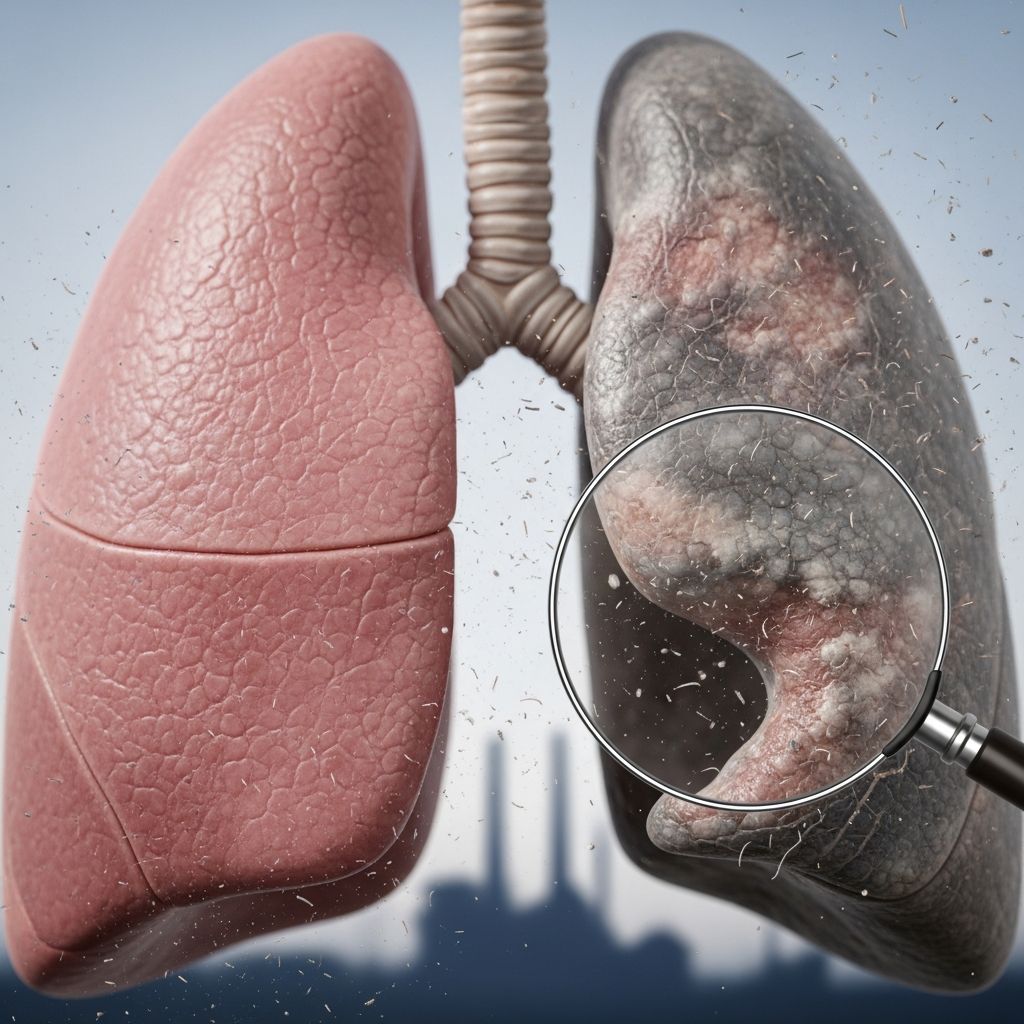
Understanding Occupational Lung Diseases
Occupational lung diseases are a significant public health concern affecting workers across various industries worldwide. These conditions develop when individuals inhale harmful substances in their work environment over extended periods. Occupational exposures account for approximately one in six cases of chronic obstructive pulmonary disease (COPD) and asthma globally, making them a preventable yet underestimated cause of respiratory disease. The introduction of regulatory agencies and enforcement of dust regulations has greatly decreased the prevalence of these diseases, though many workers continue to suffer from lung conditions due to environmental factors.
Most occupational lung diseases result from repeated, long-term exposure to hazardous agents. However, it is important to note that even a single exposure or indirect contact with certain hazardous materials can result in lung diseases with lasting health effects. Early recognition of occupational lung disease significantly improves patient outcomes, making workplace health monitoring and awareness essential for both workers and healthcare providers.
Common Types of Occupational Lung Diseases
Several distinct types of occupational lung diseases affect workers depending on their exposure environment and the specific hazardous agents present in their workplace.
Pneumoconioses
Pneumoconioses represent a major category of occupational lung diseases caused by inhalation of mineral dusts. These conditions typically have a long latency period and can progress even after exposure has ended. Some inorganic dusts are biologically inert, while others such as asbestos, silica, and coal mine dust cause fibrosis and significant lung dysfunction.
Asbestosis develops from exposure to asbestos fibers over time and is characterized by scarring of the lung tissue and progressive shortness of breath. The disease can have a latency period of 40 years or more following initial exposure.
Silicosis results from breathing in silica dust, a mineral found in sand and rocks. Presentation ranges from asymptomatic simple nodular silicosis to more complicated progressive massive fibrosis (PMF) disease associated with respiratory impairment. Accelerated silicosis occurs within 10 years of exposure, while acute silicosis is phenotypically distinct and often rapidly progressive.
Coal Workers’ Pneumoconiosis (CWP), also known as black lung disease, results from breathing in dust from coal, graphite, or man-made carbon over a long period. Coal workers are exposed to multiple elements including coal dust, silica dust, and diesel exhaust. CWP can take two main forms: the simple form, which is often without symptoms, and complicated CWP referred to as progressive massive fibrosis, which can cause progressive respiratory symptoms and dysfunction.
Asbestos-Related Lung Diseases
Mesothelioma is a rare cancer of the lining of the lungs or abdomen often caused by exposure to asbestos fibers. Because the disease develops slowly, many workers are only now experiencing the health effects of asbestos exposure from years or decades ago. This disease demonstrates the extended latency period characteristic of many occupational lung conditions.
Hypersensitivity Pneumonitis
Hypersensitivity pneumonitis refers to inflammation of the lungs due to breathing in dust, fungus, bacteria, chemicals, molds, or other substances in the workplace. This allergic reaction can lead to lung scarring over time if exposure continues. Unlike some occupational lung diseases with long latency periods, hypersensitivity pneumonitis is classified as a short latency disease.
Related Stories



Occupational Asthma and Work-Related Asthma
Occupational asthma (OA) is induced by exposure to airborne proteins or reactive chemicals in the workplace. There are approximately 400 known workplace sensitizers. Occupational asthma can develop in workers with or without pre-existing asthma. It begins with a symptom-free latent period varying from weeks to years, followed by onset of work-related respiratory symptoms that worsen during or after work and improve on days away from work. Work-related asthma, though related, is asthma that is caused or worsened by breathing substances at work such as dust, mold, or cleaning products.
Byssinosis (Brown Lung Disease)
Common in textile industries, byssinosis is caused by inhaling cotton dust or dusts from other vegetable fibers such as flax, hemp, or sisal while at work. Workers in these industries face significant respiratory risks from organic fiber exposure.
Occupational COPD
While smoking remains the main cause of COPD in most populations, occupational causes include exposure to coal dust, cadmium, silica, and vapors, gases, dusts, and fumes. Occupational exposures significantly increase the risk of developing this serious chronic condition.
Symptoms and Warning Signs
The symptoms of occupational lung disease can vary depending on the specific condition and individual factors. Many symptoms may not appear until years after initial exposure to the harmful substance. It is crucial for workers and healthcare providers to recognize these warning signs early.
The most common symptoms of occupational lung disease include:
– Frequent cough that may bring up mucus or phlegm- Shortness of breath, which may worsen during physical activities- Chest pain or chest tightness- Wheezing, a whistling sound in the chest when breathing- Abnormal breathing patterns- Dry or sore throat- Frequent lung infections
For specific conditions like coal workers’ pneumoconiosis, individuals may experience black or bloody sputum production. The latency period for occupational lung diseases varies widely, ranging from immediate onset following acute inhalation injury to 40-year latency periods for mesothelioma following asbestos exposure. Conventionally, diseases are categorized into those with short latency, such as occupational asthma and hypersensitivity pneumonitis, and those with long latency, typically occurring at least 10 years after first exposure, including asbestos-related diseases, silicosis, and other pneumoconioses.
High-Risk Occupations and Exposure Settings
Certain occupations carry significantly higher risks for occupational lung disease development. Professions involving manufacturing, crushing, cutting, or grinding that result in inhalation of mineral dusts present the highest risk. These include:
– Coal mining- Construction work- Shipbuilding- Textile manufacturing- Mining operations- Industrial processing facilities
Workers in these environments face repeated exposure to hazardous substances that can accumulate in the lungs over time, leading to progressive respiratory disease.
Diagnosis and Clinical Evaluation
Early recognition of occupational lung disease significantly improves patient outcomes. Healthcare providers should ask detailed questions about work history in all patients presenting with respiratory symptoms. Doctors need to understand the types of exposures workers have experienced, the duration of exposure, and the specific substances involved.
Diagnostic approaches for occupational lung disease typically include:
– Comprehensive work history assessment- Physical examination of the respiratory system- Pulmonary function tests and spirometry- Chest imaging studies- Occupational exposure history documentation- Assessment of symptom onset and progression patterns
Workplace spirometry surveillance can detect cases of accelerated lung decline and prompt identification and modification of causal exposures.
Treatment and Management Strategies
Treatment of occupational lung diseases focuses on managing symptoms, slowing disease progression, and improving quality of life. The specific approach depends on the type and severity of the disease and the individual patient’s health status.
Key management strategies include:
– Removal from workplace exposure to prevent further deterioration- Symptom management through medications- Pulmonary rehabilitation programs- Respiratory support devices when necessary- Regular monitoring and follow-up care- Smoking cessation if applicable- Management of comorbid conditions
Prevention and Workplace Safety
Prevention remains the most effective strategy for occupational lung disease. Regulatory agencies have established standards and enforcement mechanisms to protect workers from hazardous exposures. Preventive measures include:
– Implementation of dust control systems- Use of appropriate personal protective equipment (PPE)- Workplace ventilation improvements- Employee training on hazard recognition- Regular workplace monitoring and exposure assessment- Health surveillance programs for at-risk workers- Engineering controls to minimize airborne hazards
The introduction of regulatory enforcement has greatly decreased the prevalence of occupational lung diseases in many industries, though continued vigilance remains essential.
Long-Term Outlook and Prognosis
The prognosis for occupational lung disease varies depending on the specific condition, the duration and intensity of exposure, and the individual’s overall health status. Many occupational lung diseases are progressive and may continue to worsen even after the worker has been removed from the exposure environment. However, early detection and intervention can help slow disease progression and improve quality of life.
It is important to recognize that many occupational lung diseases have significant latency periods. Workers may not develop symptoms until decades after their initial exposure, which is why maintaining detailed occupational health records and ongoing health surveillance is crucial for at-risk populations.
Frequently Asked Questions
Q: How long does it take for occupational lung disease to develop?
A: The latency period varies significantly depending on the type of disease. Some conditions like occupational asthma may develop within weeks to years of exposure, while others such as mesothelioma may take 40 years or more to manifest. Long-latency diseases typically appear at least 10 years after initial exposure.
Q: What should I do if I suspect I have an occupational lung disease?
A: Contact your healthcare provider immediately and provide a detailed work history, including the types of substances you were exposed to and the duration of exposure. Early recognition improves outcomes significantly.
Q: Can occupational lung disease be cured?
A: While many occupational lung diseases cannot be completely cured, early intervention and removal from exposure can help slow disease progression. Treatment focuses on managing symptoms and improving quality of life.
Q: Is there compensation available for occupational lung disease?
A: Many workers with occupational lung disease may be eligible for workers’ compensation or other benefits. Consult with your employer’s human resources department or a workers’ compensation attorney for information about your specific situation.
Q: Can I still work if I have an occupational lung disease?
A: This depends on the severity of your condition and your specific job duties. In most cases, continuing exposure to the harmful substance will worsen the disease, so removal from the hazardous environment is typically recommended.
References
- Occupational lung disease: What the general physician needs to know — National Center for Biotechnology Information (NCBI). 2024. https://pmc.ncbi.nlm.nih.gov/articles/PMC12032891/
- Occupational Lung Disease — American Lung Association. 2024. https://www.lung.org/lung-health-diseases/lung-disease-lookup/occupational-lung-diseases
- Pneumoconiosis Occupational Pulmonary Fibrosis — Pulmonary Fibrosis Foundation. 2024. https://www.pulmonaryfibrosis.org/understanding-pff/types-of-pulmonary-fibrosis/occupationalpf
- Occupational Lung Disease — University of Iowa Health Care. 2024. https://uihc.org/services/occupational-lung-disease
- Occupational/Environmental Lung Diseases — Brigham and Women’s Hospital. 2024. https://www.brighamandwomens.org/lung-center/diseases-and-conditions/occupational-and-environmental-lung-diseases
- Are You at Risk of Developing Work-Related Lung Disease? — Temple Health. 2024. https://www.templehealth.org/about/blog/are-you-risk-developing-work-related-lung-disease
Similar Articles








Read full bio of Sneha Tete