Occupational Skin Disease in Nail Salon Workers
Exploring skin health risks, causes, prevention, and treatment for nail salon professionals facing daily chemical and UV exposures.
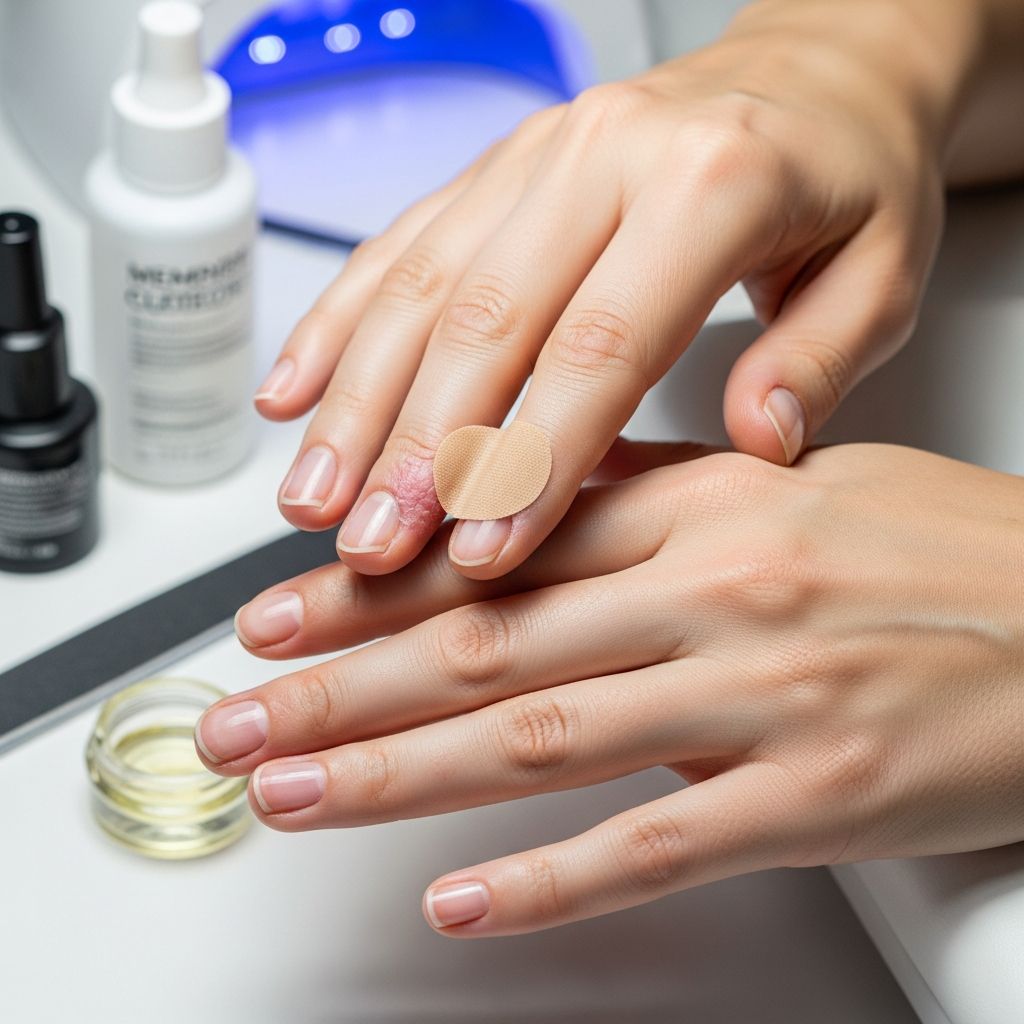
Professional manicure and pedicure services have surged in popularity since the 1980s, forming a multi-billion-dollar industry that attracts both women and men seeking aesthetic enhancements. Nail salons provide a range of treatments, including basic manicures, pedicures, acrylic nails, UV gel coatings, silk or fibreglass wraps, and sculpted extensions. The rise in gel and sculptured nails has notably increased (meth)acrylate allergies among technicians, as these materials polymerize under UV light, releasing volatile irritants and allergens. Workers face repeated exposure to harsh chemicals like toluene, formaldehyde, dibutyl phthalate (DBP), and acrylates, leading to prevalent skin disorders, respiratory issues, and headaches.
Skin Health Risks in Nail Salon Workers
Nail salon workers encounter multifaceted hazards daily. Prolonged contact with wet products causes overhydration, weakening the skin barrier, while solvents like acetone strip natural oils, exacerbating dryness. Repetitive motions contribute to mechanical stress, and poor salon ventilation traps volatile organic compounds (VOCs). Additionally, close client contact raises biological risks from bloodborne pathogens or fungal infections. Studies show 40–70% of occupational diseases are skin-related, with nail technicians reporting high rates of dermatitis, irritations, and UV-induced damage.
Understanding Occupational Skin Disorders
Occupational skin disorders arise or worsen due to workplace exposures, compromising the skin’s natural barrier against mechanical, chemical, or biological agents. In nail salons, these manifest as hand dermatitis (irritant or allergic), stomatitis (oral irritation from product fumes), mechanical injuries (cuts, abrasions), infections (bacterial, fungal, viral), and UV radiation effects (photoaging, pigmentation, cancer risk). Self-reported symptoms include skin irritation (21.2%), headaches (8%), and respiratory issues, often linked to VOCs like acetone (mean exposure 18.51 ppm in surveyed salons).
Occupational Skin Disorders in Nail Salon Workers
Hand Dermatitis
Hand dermatitis is the most common issue, classified as acute ‘wet’ (vesicles, weeping) or chronic ‘dry’ (scaling, fissures). Irritant contact dermatitis stems from frequent water immersion, soaps, and solvents, while allergic contact dermatitis results from (meth)acrylates in gels and acrylics. Prevalence is high; surveys indicate low PPE use, with only 25% wearing gloves consistently. Atopic individuals are at greater risk, facing exacerbated eczema from repetitive chemical exposure.
Mechanical Injuries
Daily tasks like filing nails, scrubbing surfaces, or handling tools cause abrasions, cuts, and paper-like cuts on fingertips. These micro-traumas breach the skin barrier, inviting infections. Ergonomic strains from awkward postures lead to musculoskeletal complaints in shoulders, necks, and backs, compounding skin vulnerabilities.
Infections
Infections thrive in moist salon environments. Bacterial (Staphylococcus, Pseudomonas) from unclean tools; fungal (Candida, tinea) from pedicure spas if not disinfected; viral (warts, herpes) via skin contact; and bloodborne (HIV, Hepatitis B/C) from cuts. Improper sterilization heightens risks, with pathogens like Rhodotorula and Rhizopus detected in beauty salons.
Effects of Ultraviolet Radiation
UV nail lamps emit primarily UVA (95%) with some UVB (5%), used for 3-minute cures per gel coat, multiple times daily. Workers receive cumulative doses: fill-ins every 2–3 weeks, full sets every 3–4 months. UVA penetrates the dermis, causing photoaging (wrinkles, brown spots), DNA damage, and elevated skin cancer risk, including squamous cell carcinoma. LED lamps reduce exposure time but still pose hazards. Eye damage (photokeratitis) is also reported.
Related Stories



Risk Assessment
Effective risk assessment identifies hazards: chemical (VOCs, acrylates), physical (UV, ergonomics), biological (pathogens), and environmental (ventilation, salon size). Factors include service volume (average 7 per worker daily), station count (average 5), and PPE compliance. OSHA recommends monitoring acetone below limits, but real exposures often exceed safe levels. Ventilation upgrades and product substitution (e.g., 3-free polishes) mitigate risks, though long-term VOC exposure links to reproductive issues and cancer.
Personal Protective Equipment
PPE is crucial: nitrile gloves (superior to latex, preventing sensitization) for chemical handling; fluid-resistant gloves for infections; N95 masks for vapors; protective eyewear for splashes and UV. However, usage is low—only 25% glove use observed. Education on proper fit, rotation to avoid tears, and salon policies is essential. Gloves should be changed per client or when damaged.
| Hazard Type | Recommended PPE | Usage Notes |
|---|---|---|
| Chemical | Nitrile gloves, masks | Change gloves per client; use powder-free. |
| Biological | Fluid-resistant gloves, aprons | Single-use where possible. |
| UV Radiation | UV-blocking glasses, fingerless gloves | Wear during curing cycles. |
| Ergonomic | Ergonomic stools, wrist supports | Adjust for posture. |
Diagnosis
Diagnosis involves:
- Detailed history: onset timing relative to work, specific exposures, atopy history.
- Physical exam: distribution (hands, face), morphology (vesicles vs. fissures).
- Patch testing: for allergens like acrylates, formaldehyde.
- Exposure assessment: salon ventilation, products used.
- Exclusion of non-occupational causes: endogenous eczema, psoriasis.
Collaboration with dermatologists confirms occupational etiology.
Treatment
Treatment strategies include:
- Emollients: frequent application to restore barrier (e.g., petroleum-based).
- Topical corticosteroids: potent for acute flares, mild for maintenance.
- Avoidance: job modification, hypoallergenic products.
- Infection control: antifungals, antibiotics as needed.
- Systemic therapy: oral steroids or immunosuppressants for severe cases.
- UV protection: broad-spectrum sunscreen, barriers.
Early intervention prevents chronicity; worker compensation may apply.
Frequently Asked Questions (FAQs)
Q: What is the most common skin problem for nail salon workers?
A: Hand dermatitis, either irritant from wet work and solvents or allergic from acrylates, affects the majority due to constant exposure.
Q: How can UV nail lamps harm workers?
A: Cumulative UVA exposure causes photoaging, pigmentation, and skin cancer risk; shorter LED times help but don’t eliminate hazards.
Q: Are nitrile gloves better than latex for nail techs?
A: Yes, nitrile offers superior chemical resistance and avoids latex allergy sensitization.
Q: What infections can nail workers get?
A: Bacterial (e.g., Pseudomonas), fungal (tinea, Candida), and bloodborne (Hepatitis, HIV) from cuts or poor hygiene.
Q: How to prevent occupational dermatitis?
A: Use PPE consistently, moisturize often, ensure ventilation, and rotate tasks to minimize wet work.
References
- Occupational skin disease in nail salon workers — DermNet NZ. 2023-05-15. https://dermnetnz.org/topics/occupational-skin-disease-in-nail-salon-workers
- Occupational dermatologic conditions in nail salon technicians — eScholarship, University of California. 2018-01-01. https://escholarship.org/content/qt1gc1m39j/qt1gc1m39j_noSplash_ca9c9ae4754c6ca2a14bb612cc1c5ef2.pdf
- Health Hazards in Nail Salons – Overview — OSHA, U.S. Department of Labor. 2024-01-10. http://www.osha.gov/nail-salons
- Characterizing Occupational Health Risks and Chemical Exposures — PMC, National Library of Medicine. 2019-12-01. https://pmc.ncbi.nlm.nih.gov/articles/PMC6913878/
- Addressing Nail Salon Worker Patient Health — AAPCHO. 2017-01-01. https://aapcho.org/wp/wp-content/uploads/2017/01/Nail-Salon-Worker-Health-Center-Toolkit.pdf
- Overlooked and Unprotected – Nail Salon Workers — American Industrial Hygiene Association (AIHA). 2023-10-01. https://publications.aiha.org/202310-nail-salon-workers
Similar Articles








Read full bio of medha deb