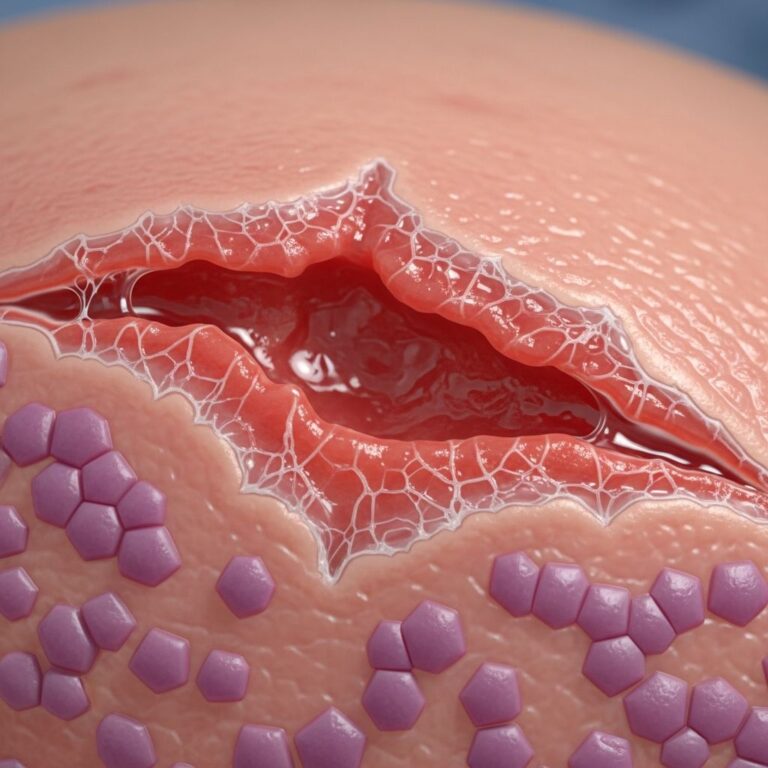
Occupational Skin Disorders In Chefs: Risks, Prevention Guide
Exploring skin conditions affecting chefs and restaurant workers from contact dermatitis to burns and prevention strategies.
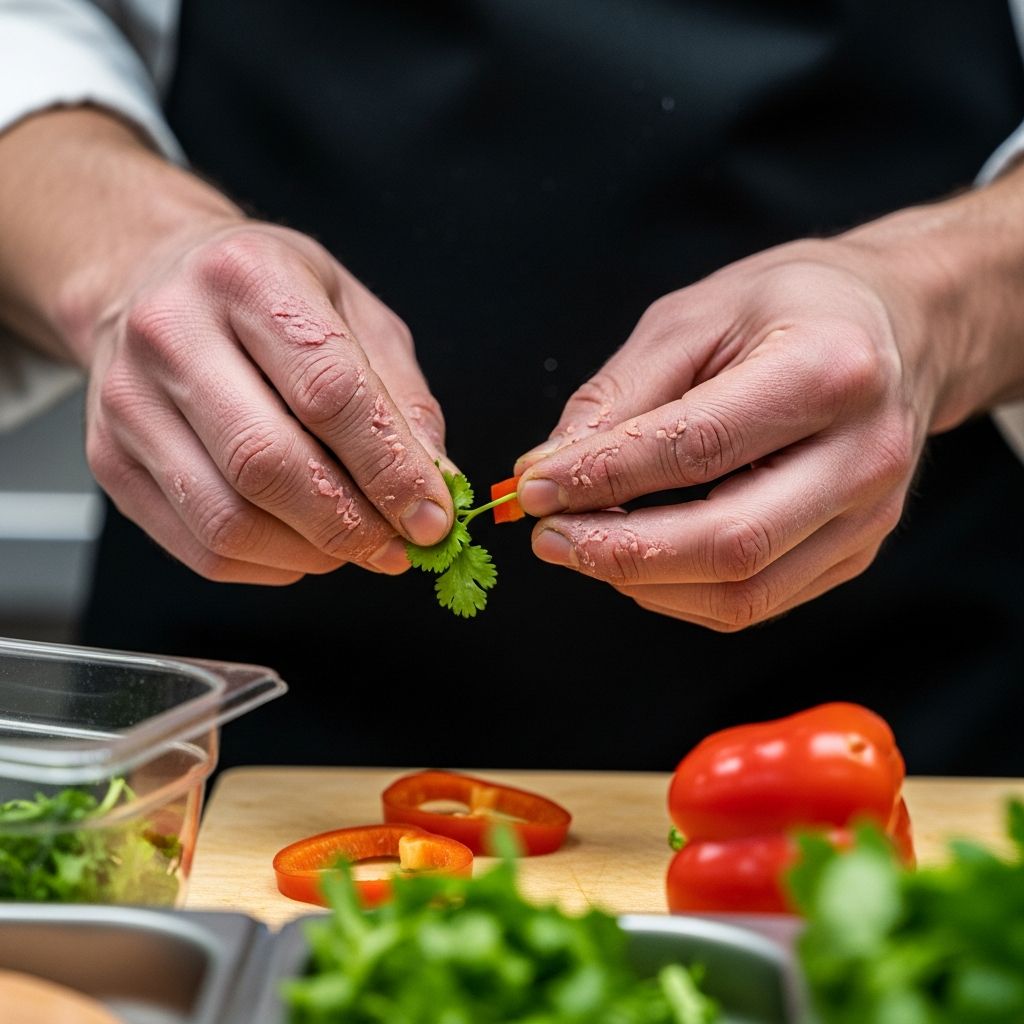
The food and catering industry employs millions worldwide in settings like restaurants, hotels, and resorts. Workers face unique skin health challenges, with restaurant staff experiencing dermatitis rates twice that of other sectors, often leading to sick leave or career changes.
Introduction
Chefs, cooks, food handlers, and restaurant workers are exposed to multiple hazards that compromise skin integrity. The high-paced kitchen environment combines wet work, chemical exposure, physical trauma, and heat, making skin disorders a leading occupational health issue. Statistics show food handlers rank third for occupational skin diseases after hairdressers and healthcare workers, with incidence rates up to 37.7 per 100,000 for bakers and pastry makers. These conditions not only cause discomfort but also increase infection risks and productivity losses, as affected workers take longer to recover than those in other industries.
Skin serves as the body’s primary barrier against irritants, allergens, and pathogens. When damaged, it heightens susceptibility to dermatitis, infections, and chronic issues. In catering, 55% of skin problems stem from water, soaps, and detergents, with 40% from food contact. This article details risks, causes, common disorders, prevention, and management.
Occupational Risks
Restaurant workers encounter a confluence of hazards:
- Wet work: Frequent handwashing and immersion in water or solutions erode the skin barrier, leading to dryness, cracking, and irritant dermatitis.
- Chemical exposure: Cleaners, sanitizers, and food acids (e.g., citrus) cause irritation or allergies.
- Food allergens: Proteins in fish, meats, fruits, and vegetables trigger contact reactions.
- Physical trauma: Cuts from knives and machinery.
- Heat sources: Ovens, fryers, and steam cause burns.
- High workload: Long hours without breaks exacerbate skin stress.
These risks are amplified in humid kitchens, where gloves trap moisture, promoting infections. Pastry makers and cooks show highest prevalence, with 58-73.5% hand involvement.
Causes
Skin disorders arise from barrier disruption via:
- Irritants: Water (primary cause), detergents, and foods like onions or garlic containing diallyl disulfide.
- Allergens: Rubber additives (thiurams), preservatives (sodium metabisulfite), and flour oxidizers (benzoyl peroxide).
- Infections: Bacterial (Staphylococcus aureus, Streptococcus pyogenes) via cuts; yeast (Candida albicans) in paronychia or intertrigo; warts from HPV-7 in meat processing.
- Mechanical/thermal damage: Cuts and burns predispose to secondary issues.
Underlying conditions like atopic dermatitis increase vulnerability even to mild irritants. Wet work and heat are key in 80% of occupational dermatitis cases.
Contact Dermatitis
The predominant issue, affecting hands, forearms, and face. Divided into:
Irritant Contact Dermatitis (ICD)
Non-allergic inflammation from direct damage. Symptoms: redness, swelling, itching, dryness, fissuring. Causes 80% of cases; wet work is primary, followed by soaps and foods. Pastry makers at highest risk due to flour and gloves.
Allergic Contact Dermatitis (ACD)
Immune-mediated from sensitizers. Prevalence: 20-30% in cooks/pastry makers. Allergens include rubber (2-5%), metabisulfite (5-10%), garlic/onions (4%). Rash is demarcated at exposure sites.
Contact Urticaria
Hives from proteins in foods (e.g., fish, latex).
Chronic cases lead to hyperkeratosis, secondary infections, and job loss.
Mechanical Injury
Cuts, scrapes, and blade wounds are daily occurrences on hands, fingers, forearms. They breach the skin, inviting infections like impetigo or cellulitis from staphylococci/streptococci. Food handlers with infections must stay off work to prevent contamination. Proper knife skills and guards reduce incidence, but high volume preparation heightens risk.
Related Stories



Thermal Burns
Frequent from grills, fryers, ovens, hot oils, and steam. Degrees vary: first (redness), second (blisters), third (tissue loss). Sites: hands, forearms, face. Burns damage barrier, risking infection and scarring. Scalds from steam or liquids are particularly common.
Workplace Risk Assessment
Employers must evaluate hazards:
| Risk Factor | Assessment Steps | Control Measures |
|---|---|---|
| Wet Work | Monitor handwashing frequency, glove use | Reduce washes, use emollients |
| Chemicals | Review SDS for irritants | Substitute milder cleaners |
| Food Handling | Identify allergens | Rotation, barriers |
| Equipment | Inspect knives, heat sources | Training, guards |
Regular surveys and worker feedback are essential. HSE guidelines emphasize this for catering. High-risk businesses (high food prep, frequent cleaning) need proactive plans.
Personal Protective Equipment
PPE mitigates risks but must suit tasks:
- Gloves: Nitrile or vinyl for wet/chemical work; cotton liners prevent maceration. Avoid latex if allergic.
- Aprons/sleeves: Waterproof for splashes.
- Heat-resistant gauntlets: For ovens/fryers.
- Eye protection: For steam/chemicals.
Train on proper use; ill-fitting PPE worsens issues. Moisturizers pre/post-shift are crucial.
Diagnosis and Treatment
Diagnosis: Clinical exam, patch testing for ACD (e.g., food series, rubber), prick tests for urticaria. History of exposure/onset key. Exclude atopy.
Treatment:
- Emollients: Frequent application to restore barrier.
- Topicals: Mild steroids for inflammation; antifungals for Candida; antibiotics for bacteria.
- Avoidance: Job modification or leave until resolved.
- Systemic: Antihistamines for urticaria; severe cases need immunosuppressants.
Early intervention prevents chronicity. Workers’ comp may cover changes.
Frequently Asked Questions (FAQs)
Q: What is the most common skin problem for chefs?
A: Contact dermatitis, especially irritant type from wet work and chemicals, affects over 50% of cases.
Q: Can kitchen workers with skin infections handle food?
A: No, they must stay off duty until cleared to avoid contamination.
Q: How to prevent dermatitis in catering?
A: Use PPE, moisturize regularly, minimize wet work, and perform risk assessments.
Q: Are burns common in restaurants?
A: Yes, thermal burns from heat sources are frequent, alongside mechanical injuries.
Q: What allergens affect food handlers?
A: Rubber additives, food preservatives like metabisulfite, and garlic compounds.
Prevention Strategies
Beyond PPE, education on skin care, prompt wound management, and ventilation reduce risks. Balanced diet, hydration, and rest support skin health. Employers should monitor for early signs and foster reporting cultures.
References
- Skin disorders in chefs and restaurant workers — DermNet NZ. 2023. https://dermnetnz.org/topics/occupational-skin-disorders-in-chefs-and-restaurant-workers
- Skin problems in food handlers and the catering industry — DermNet NZ. 2023. https://dermnetnz.org/topics/skin-problems-in-food-handlers-and-the-catering-industry
- Skin problems in catering businesses — Health and Safety Executive (HSE). 2023-10-01. https://www.hse.gov.uk/skin/employ/highrisk/catering.htm
- A 21-Year Perspective on Occupational Skin and Respiratory Diseases in Food Handlers — National Institutes of Health (PMC). 2024. https://pmc.ncbi.nlm.nih.gov/articles/PMC12363418/
- Occupational Skin Disease — American Academy of Family Physicians (AAFP). 2002-09-15. https://www.aafp.org/pubs/afp/issues/2002/0915/p1025.html
- Managing Skin Health at Work — Society of Occupational Medicine. 2023-11. https://www.som.org.uk/sites/som.org.uk/files/SOM_Managing_Skin_Health_at_Work_Nov_2023.pdf
Similar Articles








Read full bio of medha deb