Occupational Therapy: A Practical Guide To Daily Independence
Occupational therapy helps people of all ages overcome challenges in daily activities, promoting independence at home, work, and beyond.
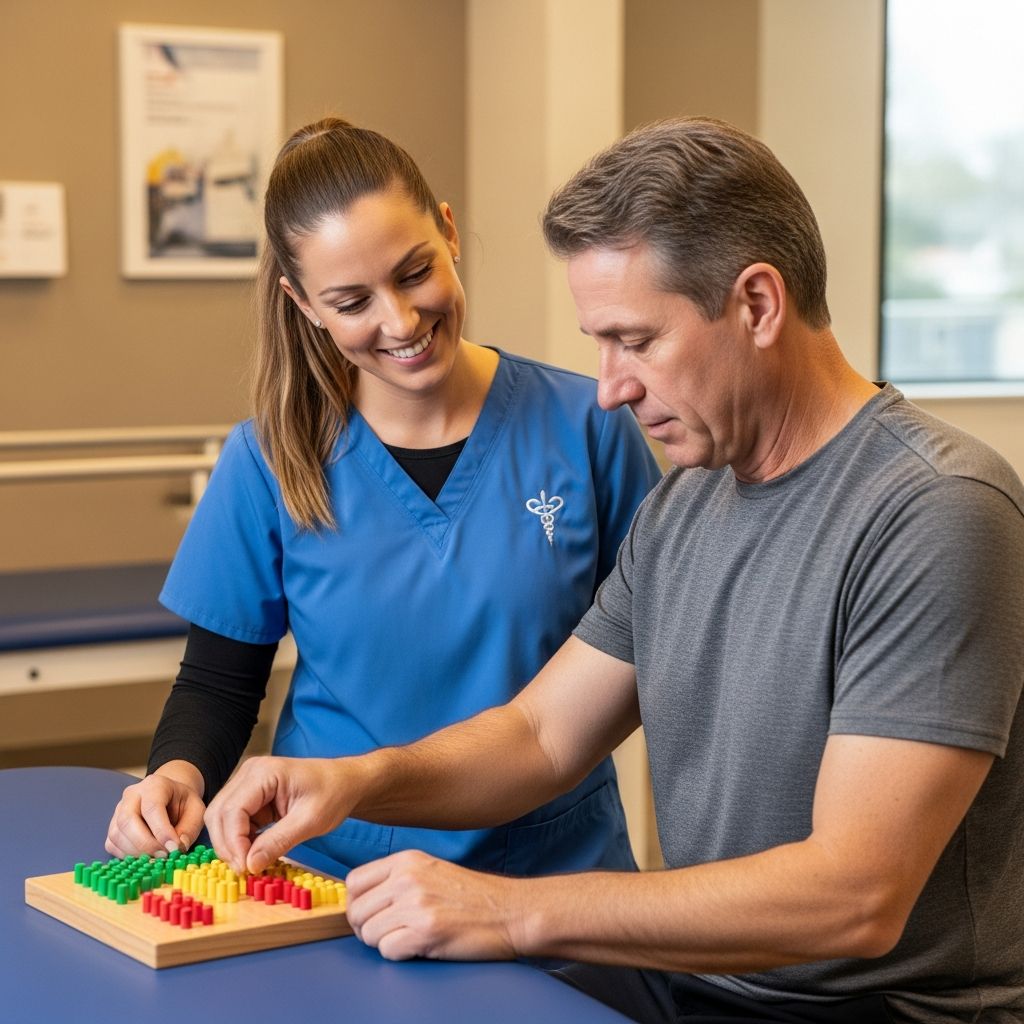
Occupational therapy (OT) is a health profession that works with individuals to help them improve their lives at home, at work, and in any other setting where daily activities pose challenges. Occupational therapists assist people facing physical disabilities, mental health issues, or other limitations by focusing on enabling participation in meaningful occupations—everyday tasks that promote health and well-being.
What is occupational therapy?
Occupational therapy involves using everyday activities, known as ‘occupations,’ to promote health, well-being, and participation in important life roles. Unlike general rehabilitation, OT is patient-centered, tailoring interventions to an individual’s unique occupational profile, which includes their history, experiences, interests, and goals. Therapists evaluate needs and create customized plans to restore, maintain, or adapt abilities for tasks like self-care, work, or leisure.
OT services typically encompass a comprehensive evaluation, a personalized intervention plan, and ongoing outcomes assessment to ensure goals are met. This approach considers not just physical abilities but also cognitive, sensory, environmental, cultural, and social factors influencing daily function. For instance, therapists might train patients in adaptive equipment use, environmental modifications, or routines for managing pain and medications.
Occupational therapy vs physiotherapy
While occupational therapy and physiotherapy (physical therapy) often serve overlapping patient groups, they differ fundamentally in focus. Physiotherapy primarily targets improving movement, mobility, pain management, and preventing injuries through exercises for strength, flexibility, and joint function. Occupational therapy, conversely, emphasizes enabling performance of daily tasks and roles, recommending equipment or technique adaptations to facilitate independence.
| Aspect | Occupational Therapy | Physiotherapy |
|---|---|---|
| Primary Focus | Daily activities and independence (e.g., dressing, cooking) | Movement, strength, and mobility |
| Key Interventions | Adaptive equipment, task modification, routines | Exercises, stretches, pain relief techniques |
| Goal | Participation in life roles | Physical recovery and injury prevention |
This distinction ensures complementary roles in rehabilitation teams, where physiotherapists address physical impairments and occupational therapists bridge to functional application.
What does an occupational therapist do?
An occupational therapist assesses an individual’s abilities, challenges, and goals, then develops a long-term, realistic plan to promote independence and quality of life. They analyze how a person interacts with their environment—physical spaces, social networks, and personal preferences—to customize interventions.
Core activities include:
- Evaluating occupational profiles and setting patient-specific goals.
- Teaching skills for activities of daily living (ADLs) like bathing, dressing, and eating.
- Recommending adaptive equipment such as shower chairs, walkers, or prosthetics.
- Providing caregiver training and environmental modifications for safety.
- Implementing strategies for cognitive functions like memory, concentration, and executive planning.
- Facilitating return to work, school, or leisure through structured routines.
Therapists employ exercises for movement, perception, concentration, manual dexterity, and creativity, often practicing real-life scenarios to build confidence. Progress is monitored collaboratively, emphasizing active patient participation for lasting change.
Who does occupational therapy help?
Occupational therapy benefits people of all ages experiencing difficulties with daily activities due to illness, injury, disability, or life changes. It supports those recovering from trauma, managing chronic conditions, or adapting post-surgery.
Related Stories



Common groups include:
- Children: Pediatric OT addresses developmental delays, autism, sensory processing issues, or school-related challenges.
- Adults: Post-injury recovery (e.g., strokes, fractures), chronic pain, arthritis, or mental health conditions like depression.
- Older Adults: Fall prevention, dementia management, home safety, or post-hip/knee replacement rehab.
- Workers: Return-to-work programs after accidents or for repetitive strain injuries.
Anyone with long-term conditions, surgeries, or disabilities hindering self-sufficiency can benefit, as OT adapts environments and teaches compensatory strategies.
How does occupational therapy work?
OT typically unfolds in three stages: assessment, intervention, and evaluation. Initial sessions involve gathering an occupational profile—discussing history, goals, and barriers—followed by targeted testing of physical, cognitive, and functional abilities.
Interventions are holistic, incorporating:
- Skill-Building Exercises: Practicing ADLs, school/work tasks, or hobbies in simulated settings.
- Adaptive Strategies: Modifying homes (e.g., grab bars), workplaces, or using aids like reachers.
- Cognitive Training: Memory aids, planning tools, or sensory integration techniques.
- Education: Pain management routines, energy conservation, or family involvement.
Sessions occur in clinics, homes, schools, or hospitals, with progress reevaluated regularly to adjust plans. Success relies on patient-therapist collaboration and consistent practice.
Benefits of occupational therapy
OT enhances independence, reduces caregiver burden, and improves quality of life by enabling meaningful participation. Key benefits include faster recovery, injury prevention, chronic condition management, and boosted emotional well-being through restored roles.
For rehabilitation teams, OTs contribute uniquely by focusing on functional outcomes, integrating physical, cognitive, and environmental factors for comprehensive care. Evidence shows OT reduces hospital readmissions, supports aging in place, and aids vocational reintegration.
Examples of occupational therapy in practice
Consider a stroke survivor struggling with dressing: An OT might teach one-handed techniques, recommend button hooks, and rearrange bedroom layouts for accessibility. For a child with autism, therapy could involve sensory play to improve focus and social skills for school. An elderly patient at fall risk receives home assessments, balance exercises, and walker training. These real-world applications demonstrate OT’s versatility.
Frequently Asked Questions (FAQs)
What conditions does occupational therapy treat?
OT treats injuries (e.g., fractures, strokes), chronic conditions (e.g., arthritis, COPD), developmental disorders, mental health issues, and post-surgical recovery.
How long does occupational therapy last?
Duration varies: short-term (weeks) for acute injuries, long-term (months) for chronic issues, tailored to progress.
Is occupational therapy painful?
Sessions prioritize comfort; any discomfort from exercises is managed and purposeful for improvement.
Can children benefit from OT?
Yes, pediatric OT helps with motor skills, sensory issues, handwriting, and school participation.
Where do OT sessions take place?
In clinics, homes, schools, workplaces, or hospitals for context-specific training.
Getting started with occupational therapy
Referrals come from doctors, self-referral, or insurance-covered programs. Expect an initial assessment to craft your plan. Active engagement maximizes outcomes. OT empowers self-sufficiency, making it indispensable for holistic recovery.
References
- What is Occupational Therapy? — FOX Rehabilitation. 2023-05-15. https://foxrehab.org/what-is-occupational-therapy/
- What is Occupational Therapy? — American Occupational Therapy Association (AOTA). 2024-01-10. https://www.aota.org/about/what-is-ot
- In brief: What is occupational therapy? — InformedHealth.org – NCBI Bookshelf (National Center for Biotechnology Information). 2023-11-20. https://www.ncbi.nlm.nih.gov/books/NBK561515/
- Occupational Therapy — Patient.info. 2024-08-05. https://patient.info/treatment-medication/occupational-therapy
- Why is Occupational Therapy Important? — Alliant International University. 2023-09-12. https://www.alliant.edu/blog/why-is-occupational-therapy-important
- Occupational Therapy: What It Is, Different Types & Benefits — Cleveland Clinic. 2024-02-28. https://my.clevelandclinic.org/health/treatments/occupational-therapy
Similar Articles








Read full bio of Sneha Tete