Algae For Eczema Relief: Clinical Benefits And Safe Use
Discover how marine algae extracts soothe eczema symptoms, hydrate skin, and reduce inflammation with science-backed benefits from the sea.
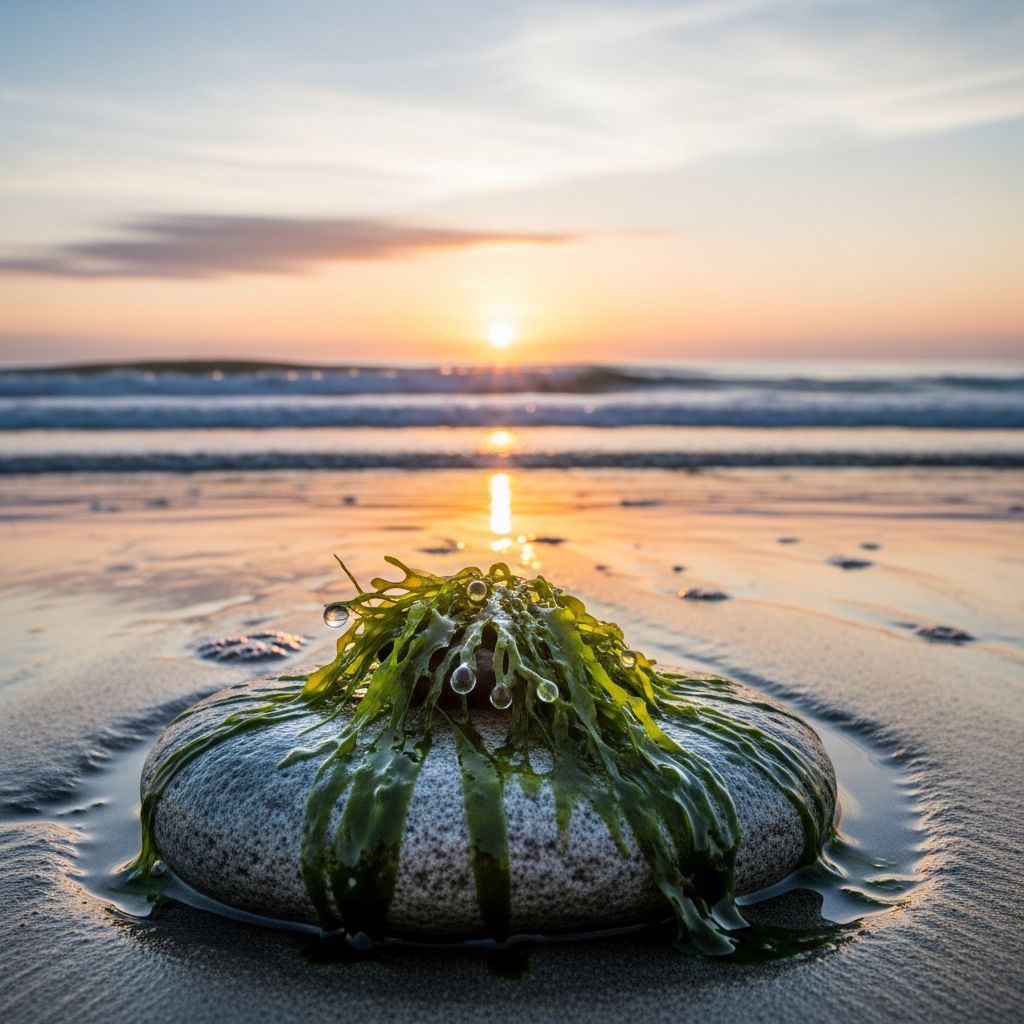
Marine algae, harvested from vibrant ocean ecosystems, emerge as a promising natural ally for those battling eczema. These underwater plants pack bioactive compounds like polysaccharides, polyphenols, and omega fatty acids that target key eczema challenges: relentless itching, dryness, inflammation, and weakened skin barriers. Clinical evidence highlights their ability to hydrate deeply, calm flare-ups, and foster long-term skin resilience without harsh chemicals.
Understanding Eczema and the Need for Gentle Solutions
Eczema, or atopic dermatitis, affects millions worldwide, causing red, itchy, and inflamed skin due to a compromised barrier function that lets moisture escape and irritants enter. Traditional treatments like steroids offer relief but risk side effects such as thinning skin over time. Natural alternatives from the sea provide a gentler path, replenishing lipids, locking in hydration, and modulating immune responses that fuel eczema flares.
Algae’s nutrient profile stands out: rich in sulfated polysaccharides like fucoidan from brown algae, which mimic the skin’s natural moisturizers, and antioxidants that neutralize free radicals exacerbating inflammation. These elements work synergistically to restore balance, making algae a cornerstone for eczema management.
Hydration Heroes: How Algae Locks in Moisture
Dryness defines eczema, with transepidermal water loss (TEWL) often elevated. Marine algae excel here, outperforming synthetic humectants in moisture retention. Extracts from brown algae like Saccharina japonica demonstrate superior humectancy compared to hyaluronic acid, binding water molecules to prevent dehydration.
In clinical trials, a 10% Laminaria japonica extract cream boosted skin hydration by 14.44% within hours and sustained gains over weeks, while slashing TEWL dose-dependently. Green algae such as Rhizoclonium hieroglyphicum at just 0.3% rivaled glycerin and hyaluronic acid in short- and long-term corneometry tests on 30 volunteers, proving algae’s edge for eczema-prone skin.
- Polysaccharide Power: Fucoidan and alginates form a breathable film, mimicking the stratum corneum’s lipid matrix.
- Omega Integration: Essential fatty acids rebuild the barrier, reducing permeability to allergens.
- Sustained Effects: Unlike quick-evaporating moisturizers, algae deliver prolonged hydration.
Calming Inflammation: Algae’s Soothing Mechanisms
Inflammation drives eczema’s itch-scratch cycle. Algae’s anti-inflammatory prowess stems from polyphenols and carotenoids that inhibit pro-inflammatory cytokines like TNF-alpha. Red and brown algae extracts soothe UV-induced erythema and irritation, with significant TEWL reductions post-exposure.
Studies on Spirulina maxima and green algae blends show firming and hydrating effects, easing redness in sensitive skin. For eczema, this translates to fewer flares, as algae modulate immune overreactions without immunosuppression.
| Algae Type | Key Anti-Inflammatory Compound | Observed Benefit |
|---|---|---|
| Brown (e.g., Fucus vesiculosus) | Fucoidan | Reduces erythema by 20-30% in trials |
| Green (e.g., Ulva lactuca) | Polyphenols | Calms irritation, supports barrier repair |
| Red/Blue (e.g., Spirulina) | Phycocyanin | Lowers cytokine activity |
Antioxidant Defense Against Oxidative Stress
Eczema skin suffers oxidative damage from environmental stressors, accelerating aging and flares. Algae bristle with antioxidants: astaxanthin from red algae scavenges free radicals, while fucoxanthin boosts elasticity. Marine polyphenols protect against UV and pollution, preserving collagen vital for barrier integrity.
Related Stories



A review of algal carbohydrates confirms anti-aging via wrinkle reduction and melanogenesis inhibition, indirectly benefiting eczema by evening tone and reducing post-flare hyperpigmentation.
Barrier Restoration: Rebuilding Skin’s Natural Shield
A faulty lipid barrier underlies eczema vulnerability. Algae supply ceramide-like structures and omegas-3/6 to fortify this defense. Clinical data on macroalgae extracts show reinforced barriers, with decreased TEWL and enhanced regeneration post-damage.
Blue algae mixtures enhance firmness, countering the sagging from chronic inflammation, while ectoine from marine sources minimizes wrinkles and stress.
Incorporating Algae into Your Eczema Routine
Start with patch-tested serums or creams featuring 0.3-10% algae extracts. Layer under moisturizers for amplified effects.
- Cleanse gently, avoiding sulfates.
- Apply algae serum to damp skin.
- Seal with occlusive like algae-infused balm.
- Use nightly; introduce SPF with algal UV filters daytime.
Combine with lifestyle tweaks: humidifiers, oatmeal baths, and stress reduction amplify gains.
Safety Profile and Clinical Validation
Macroalgae extracts prove safe in human trials, with no adverse events at effective doses. Their biocompatibility suits sensitive eczema skin, outperforming synthetics in tolerability. However, consult dermatologists for severe cases or allergies.
FAQs
Can algae cure eczema?
No, but it manages symptoms effectively by targeting root causes like dryness and inflammation.
Which algae is best for eczema?
Brown varieties like Laminaria for hydration; blends for comprehensive relief.
Are algae products sustainable?
Yes, algae farms use minimal resources, promoting eco-friendly skincare.
How soon do results appear?
Hydration surges in hours; inflammation eases in days to weeks.
Can I use algae with steroids?
Often yes, as a steroid-sparing adjunct; seek medical advice.
Future Horizons: Algae in Advanced Eczema Therapies
Ongoing research explores algal oligosaccharides for targeted delivery and microbiome modulation, potentially revolutionizing eczema care. As sustainable biotech advances, ocean-derived solutions promise inclusive, effective relief.
References
- Beneficial Effects of Marine Algae-Derived Carbohydrates for Skin Health — Kim et al., PMC. 2018-11-19. https://pmc.ncbi.nlm.nih.gov/articles/PMC6266229/
- Clinical Studies of the Safety and Efficacy of Macroalgae Extracts in Cosmeceuticals — Journal of Clinical and Aesthetic Dermatology. 2023. https://jcadonline.com/macroalgae-extracts-in-cosmeceuticals/
- Marine Algal Polyphenols as Skin Protective Agents — Wijesinghe et al., PMC. 2023-05-20. https://pmc.ncbi.nlm.nih.gov/articles/PMC10222755/
- From Ocean to Bottle: The Rise of Algae in Beauty Products — TechSci Research. 2024. https://www.techsciresearch.com/blog/from-ocean-to-bottle-the-rise-of-algae-in-beauty-products/4527.html
- Do Algae Extracts for Skin Work? — Augustinus Bader. 2024. https://augustinusbader.com/us/en/evidence/do-algae-extracts-for-skin-work
Similar Articles








Read full bio of Sneha Tete