Octreotide Injection Solution: Uses, Dosage & Side Effects
Complete guide to octreotide injection: mechanism, dosing, side effects, and patient care.
Understanding Octreotide Injection Solution
Octreotide is a synthetic somatostatin analog that represents a significant advancement in the treatment of various endocrine and neuroendocrine disorders. As an injection solution, octreotide works by mimicking the action of somatostatin, a natural hormone that regulates the secretion of other hormones and helps control symptoms associated with certain tumors. This medication has become a cornerstone of therapy for conditions that cause excessive hormone production and associated debilitating symptoms.
The injectable form of octreotide provides patients with a practical therapeutic option that delivers reliable symptom control when oral medications are unavailable or ineffective. Understanding how this medication works, how it should be administered, and what to expect during treatment is essential for patients and healthcare providers alike.
What Octreotide Is Used For
Octreotide injection solution treats several serious medical conditions by suppressing the excessive hormone production that characterizes these diseases.
Acromegaly Treatment
Acromegaly is a condition characterized by abnormally high levels of growth hormone in the body, typically caused by a pituitary tumor. This excess growth hormone leads to progressive enlargement of hands, feet, facial features, and internal organs. Octreotide reduces the amount of growth hormone your body produces, thereby reducing the symptoms associated with acromegaly and preventing serious complications such as diabetes, heart disease, joint problems, and hypertension. By controlling growth hormone levels, octreotide helps patients achieve better metabolic health and improved quality of life.
Carcinoid Tumors and Carcinoid Syndrome
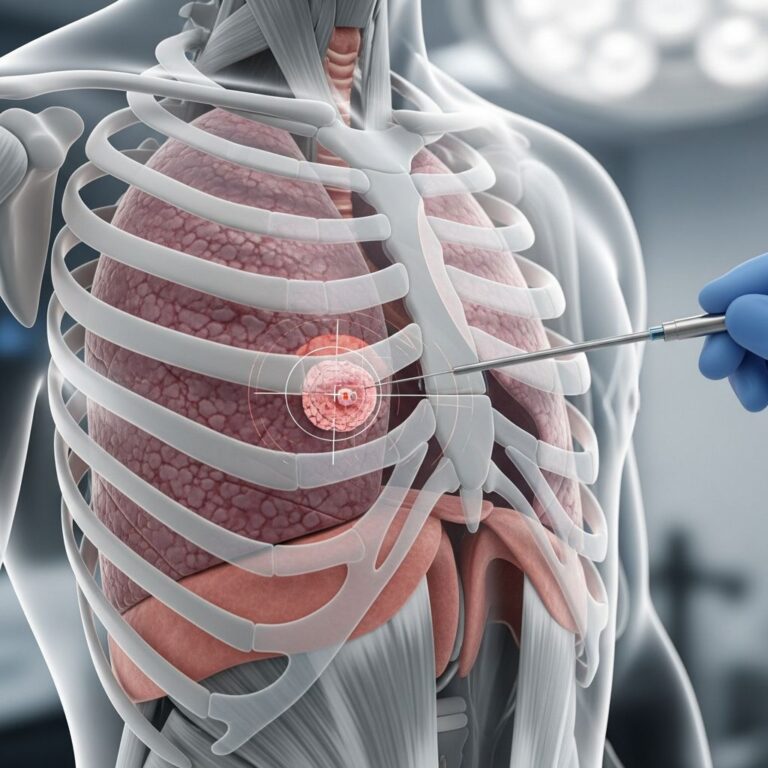
Carcinoid tumors are neuroendocrine tumors that arise from enterochromaffin cells in the gastrointestinal tract or lungs. When these tumors metastasize (spread throughout the body), they can cause carcinoid syndrome, a condition characterized by severe flushing, diarrhea, abdominal pain, and heart palpitations. Octreotide effectively manages these symptoms by inhibiting the release of serotonin and other vasoactive substances from carcinoid tumor cells, providing significant relief from this debilitating condition.
Neuroendocrine Tumor-Related Diarrhea
Certain intestinal tumors, particularly vasoactive intestinal peptide-secreting tumors (VIPomas), cause severe chronic diarrhea that can lead to dehydration, electrolyte imbalances, and nutritional deficiencies. Octreotide reduces the frequency and severity of bowel movements by slowing the release of serotonin and other secretory substances from tumor cells, dramatically improving patients’ daily functioning and quality of life.
How Octreotide Works
Octreotide functions as a somatostatin receptor agonist, meaning it binds to and activates the same cellular receptors that the natural hormone somatostatin would activate. Somatostatin is an inhibitory hormone that regulates the secretion of numerous other hormones and neurotransmitters throughout the body. By mimicking somatostatin’s action, octreotide inhibits the excessive secretion of growth hormone in acromegaly and suppresses the release of vasoactive substances from neuroendocrine tumors.
This mechanism of action makes octreotide effective across multiple conditions sharing common pathophysiology of hormone overproduction. The medication does not cure the underlying tumor but rather controls the symptoms and prevents the dangerous effects of excessive hormone secretion.
Related Stories



Dosage Information
Octreotide injection solution is available in different formulations with varying dosing schedules. Proper dosing is essential for achieving therapeutic benefit while minimizing side effects.
Short-Acting Subcutaneous Injection
For acromegaly treatment, the initial dose is typically 50 micrograms (mcg) administered subcutaneously three times daily. Your healthcare provider will adjust this dose based on your individual response and tolerance to the medication. The goal is to find the minimum effective dose that controls your symptoms.
For carcinoid tumor symptom management, initial doses range from 100 to 600 mcg per day, divided into 2 to 4 separate injections administered under the skin during the first two weeks of treatment. The maximum daily dose typically does not exceed 1,500 mcg per day.
For severe diarrhea associated with intestinal tumors, the initial dose is usually 200 to 300 mcg per day, given in 2 to 4 divided doses subcutaneously during the first two weeks. The maintenance dose typically does not exceed 450 mcg per day, though individual requirements may vary.
Long-Acting Intramuscular Injection
For patients requiring long-term therapy, octreotide is available as a long-acting release (LAR) formulation administered intramuscularly. For acromegaly, the starting dose is 20 milligrams injected into the buttocks once every four weeks for three months, with dose adjustments made as needed based on clinical response.
For carcinoid tumors and associated diarrhea, the initial dose is also 20 milligrams intramuscularly once every four weeks for two months, with subsequent adjustments according to patient tolerance and therapeutic effectiveness. When transitioning from short-acting to long-acting formulations, supplemental subcutaneous octreotide is typically needed for approximately two weeks to maintain adequate symptom control while the long-acting depot formulation achieves steady-state levels.
Administration Methods
Octreotide injection solution can be administered through different routes depending on the formulation chosen and the clinical setting.
Subcutaneous Injection
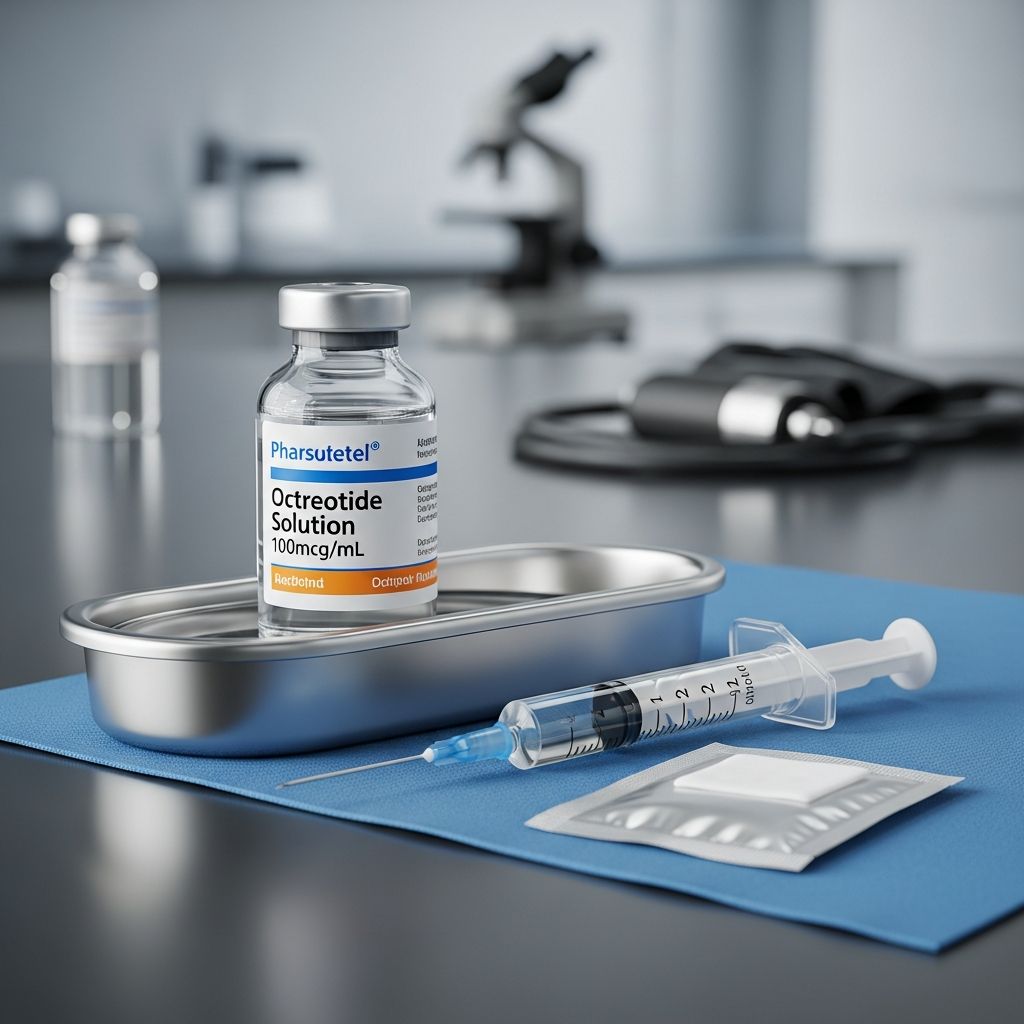
Short-acting octreotide is injected under the skin, usually in the abdomen or thigh. Patients can be trained to self-administer these injections at home, providing greater flexibility and convenience. Subcutaneous injections are relatively painless and carry minimal risk of serious complications. Most patients tolerate this route well.
Intramuscular Injection
Long-acting octreotide formulations are administered directly into muscle tissue, typically in the buttocks. These injections are usually given by healthcare professionals in hospital or clinic settings, though home administration may be possible with appropriate training. Intramuscular administration provides the convenience of less frequent dosing—typically once monthly—making it an attractive option for patients requiring long-term therapy.
Side Effects and Safety Considerations
Like all medications, octreotide can cause side effects, ranging from mild to serious. Understanding these potential effects helps patients recognize symptoms requiring medical attention.
Common Side Effects
Many patients experience side effects at the injection site, including pain, redness, stinging, swelling, tingling, or a burning sensation. These localized reactions are usually mild and temporary. Gastrointestinal effects are also common, including abnormal stool consistency, excess gas, abdominal fullness, and flatulence. Some patients report feeling warmth in the injection area or experience mild hair loss.
Serious Side Effects Requiring Medical Attention
Octreotide can affect blood sugar levels in both directions. The medication may decrease blood sugar, causing symptoms such as chills, cool or pale skin, cold sweats, drowsiness, extreme hunger, rapid heartbeat, headache, nausea, nervousness, trembling, unsteadiness, and weakness. Conversely, in some patients, octreotide may increase blood sugar levels, particularly in those with existing diabetes. Patients should monitor their blood sugar regularly and report significant changes to their healthcare provider.
The medication may increase the risk of heart and blood vessel problems, including hypertension and slow heartbeat. Patients may experience chest pain or discomfort, headaches, dizziness, or blurred vision. Home blood pressure monitoring is often recommended, and patients should report symptoms of abnormal heart rhythm, chest pain, or significant blood pressure changes immediately to their medical team.
Other Notable Side Effects
Patients should be alert for signs of severe allergic reactions, including hives, itching, skin rash, difficulty swallowing, or swelling of the face, lips, or tongue. Unusual bleeding or bruising, bloody or cloudy urine, nosebleeds, or light-colored stools may indicate clotting complications. Some patients experience joint pain, backache, or nerve-related symptoms such as tingling or pain in fingers and toes, especially when exposed to cold temperatures.
Important Precautions and Contraindications
Before starting octreotide therapy, patients must inform their healthcare provider of all medical conditions and medications. Certain conditions require special caution or careful monitoring during octreotide treatment. Patients with diabetes, gallbladder disease, heart rhythm disorders, or thyroid problems require close medical supervision. The medication may affect nutrient absorption, particularly vitamin B12, so patients should ensure adequate dietary intake or supplementation.
Pregnant women and those planning pregnancy should discuss octreotide use with their healthcare provider, as safety in pregnancy has not been fully established. Nursing mothers should consult their healthcare provider before using this medication, as it is unclear whether octreotide passes into breast milk.
Drug Interactions
Octreotide may interact with other medications, including those affecting blood sugar levels, heart medications, and certain chemotherapy agents. Patients should provide their healthcare provider with a complete list of all medications, supplements, and herbal products they take. Never start or stop other medications without consulting your healthcare provider, as these changes could affect octreotide’s effectiveness or increase the risk of adverse effects.
Monitoring and Follow-Up Care
Patients receiving octreotide therapy require regular medical monitoring to assess treatment effectiveness and detect potential complications. Healthcare providers typically monitor blood sugar levels, heart function, gallbladder health, and vitamin B12 levels at regular intervals. Blood pressure monitoring at home may be recommended. Regular follow-up appointments allow your healthcare team to adjust dosing as needed and manage any side effects that develop.
Storage and Handling
Octreotide injection solution must be stored according to specific temperature requirements, typically in a refrigerator between 2°C and 8°C. Patients should never freeze the medication or expose it to extreme temperatures. The medication should be protected from light. Injectable solutions should be inspected for particulates or discoloration before use; discard any solution that appears cloudy or contains visible particles. If you have questions about proper storage, consult your pharmacist or healthcare provider.
What to Do in Case of Overdose
If you suspect an overdose of octreotide, contact poison control or emergency services immediately. Symptoms of overdose may be severe and require prompt medical intervention. Do not attempt to treat an overdose at home.
Frequently Asked Questions
Q: Can children take octreotide injection solution?
A: Octreotide use in children must be determined by a qualified pediatric healthcare provider. The dose and appropriateness of treatment vary based on the child’s age, weight, condition being treated, and overall health status. Children may require different dosing than adults and need careful medical supervision during treatment.
Q: How quickly does octreotide work?
A: Short-acting subcutaneous octreotide typically begins working within hours to days, though optimal symptom control may take several days to weeks. Long-acting formulations require two to three weeks to achieve steady-state levels, during which supplemental short-acting injections are usually needed for symptom control.
Q: Can I self-administer octreotide injections at home?
A: Yes, for short-acting subcutaneous formulations, many patients can be trained to self-administer injections at home after proper instruction by healthcare professionals. Long-acting intramuscular injections are typically administered in clinical settings, though home administration may be possible with appropriate training and supervision.
Q: What should I do if I miss a dose of octreotide?
A: For short-acting injections, administer the missed dose as soon as remembered unless it is almost time for the next scheduled dose. For long-acting formulations given monthly, contact your healthcare provider if you miss an appointment. Never double-dose to make up for a missed injection.
Q: Can octreotide cure acromegaly or carcinoid tumors?
A: No, octreotide does not cure these conditions. It effectively controls the symptoms and prevents serious complications by suppressing excessive hormone production. Long-term treatment is usually necessary to maintain symptom control.
Q: Are there any long-term side effects of octreotide therapy?
A: Long-term octreotide therapy can potentially affect nutrient absorption, particularly vitamin B12, and may impact gallbladder function. Regular medical monitoring helps detect and manage these effects. Most patients tolerate long-term octreotide therapy well when appropriately monitored.
Q: What dietary modifications should I make while taking octreotide?
A: Discuss dietary modifications with your healthcare provider. Patients taking octreotide should ensure adequate vitamin B12 intake, potentially through dietary sources or supplementation. Some patients benefit from dietary modifications to manage gastrointestinal side effects such as gas or abdominal discomfort.
Q: How long will I need to take octreotide?
A: Treatment duration depends on your specific condition and response to therapy. Some patients require long-term or lifelong treatment, while others may eventually discontinue the medication under close medical supervision. Your healthcare provider will determine the appropriate treatment duration based on your individual circumstances.
Important Reminders
Octreotide injection solution represents an important therapeutic option for patients with acromegaly, carcinoid syndrome, and related neuroendocrine disorders. Successful treatment requires close collaboration between patients and their healthcare providers. Always take the medication exactly as prescribed, maintain regular medical follow-up appointments, and report any concerning symptoms to your healthcare team promptly. Keep all medications out of reach of children, and never share your medication with others, even if they have similar symptoms. If you have questions or concerns about your octreotide therapy, do not hesitate to contact your healthcare provider or pharmacist.
References
- Octreotide (injection route, intramuscular route, subcutaneous route) — Mayo Clinic. 2024. https://www.mayoclinic.org/drugs-supplements/octreotide-injection-route-intramuscular-route-subcutaneous-route/description/drg-20067861
- Octreotide Acetate Long-Acting Formulation Versus Open-Label Subcutaneous Octreotide in Malignant Carcinoid Syndrome — Kvols LK, et al. Journal of Clinical Oncology. 1999. https://ascopubs.org/doi/10.1200/JCO.1999.17.2.600
- Octreotide acetate injection suspension — Cleveland Clinic. 2024. https://my.clevelandclinic.org/health/drugs/23688-octreotide-acetate-injection-suspension
- Octreotide — StatPearls — National Center for Biotechnology Information. 2024. https://www.ncbi.nlm.nih.gov/sites/books/NBK544333/
- Octreotide: a hormone for all diseases? — Comi RJ, MD. Cleveland Clinic Journal of Medicine. January 1990, 57 (1): 37-39. https://www.ccjm.org/content/57/1/37
Similar Articles








Read full bio of Sneha Tete