Ocular Histoplasmosis: 4 Treatment Options To Preserve Vision
Discover the causes, risks, symptoms, and modern treatments for ocular histoplasmosis syndrome to safeguard your vision effectively.
Presumed ocular histoplasmosis syndrome (POHS) represents a significant yet often overlooked complication of a common fungal infection. Caused by inhaling spores of the fungus Histoplasma capsulatum, this condition primarily affects the eyes years after initial exposure, leading to potential vision impairment if not addressed promptly. While most infections resolve without notice, POHS can create lasting scars in the retina, disrupting central vision.
Understanding the Root Cause: The Histoplasma Fungus
The fungus thrives in soil enriched with bird or bat droppings, particularly in regions like the Ohio and Mississippi River valleys in the United States. People inhale microscopic spores during activities such as cleaning chicken coops, exploring caves, or disturbing contaminated soil. In healthy individuals, the immune system typically clears the infection, producing flu-like symptoms at most, such as cough, fever, and fatigue.
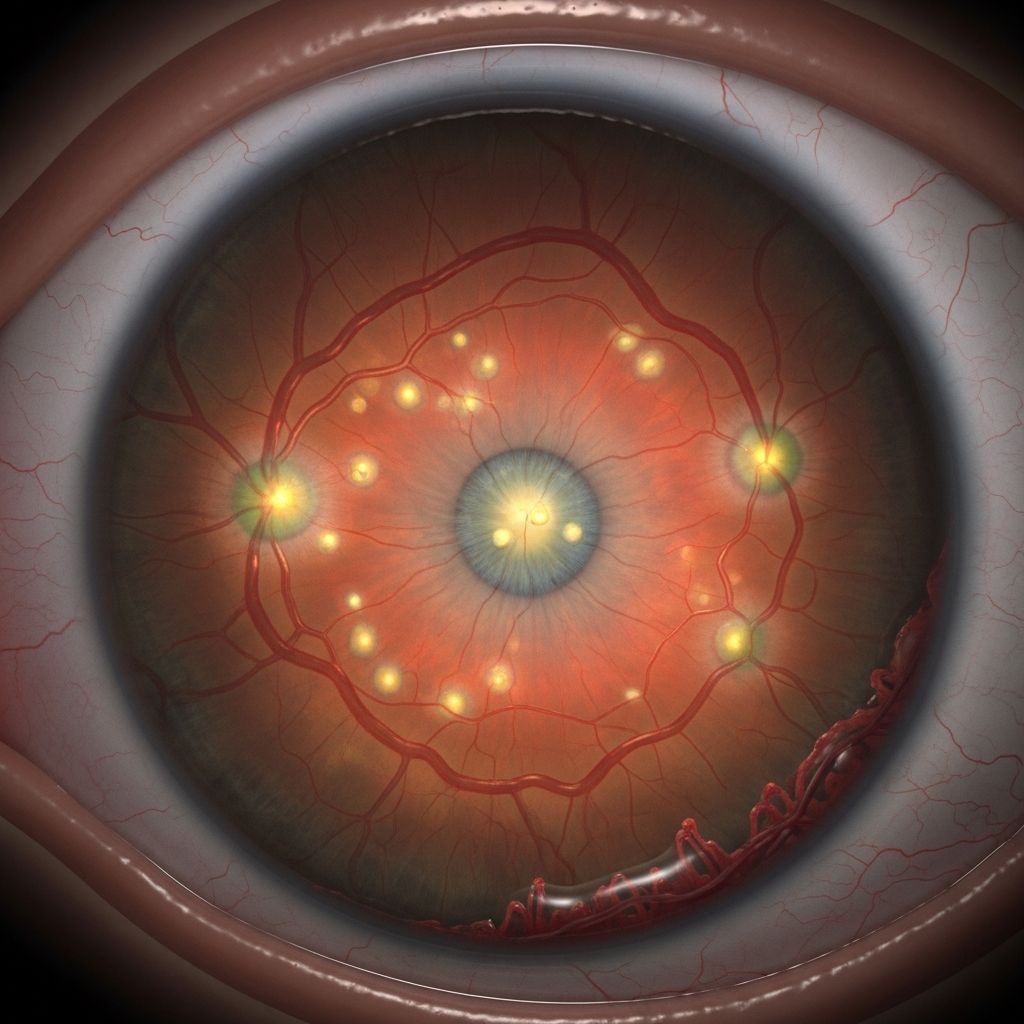
However, the fungus can trigger an immune response in the eyes, forming characteristic “histo spots”—small, punched-out scars in the choroid and retina. These scars usually remain dormant but may later promote abnormal blood vessel growth, known as choroidal neovascularization (CNV), which leaks fluid and damages the macula, the eye’s central vision area.
Who Faces the Greatest Risk?
Not everyone exposed develops POHS. Risk escalates for those in endemic areas with heavy exposure histories. Individuals with weakened immune systems, such as those with HIV/AIDS or on immunosuppressive drugs, face higher chances of severe, disseminated histoplasmosis affecting multiple organs, including the eyes.
- Residents of or travelers to central United States river valleys
- People frequently handling bird guano or entering bat habitats
- Those with prior pulmonary histoplasmosis diagnosis
- Immunocompromised patients
Children and older adults may experience milder systemic symptoms, but POHS often manifests in adulthood, sometimes decades post-exposure.
Recognizing the Signs: Symptoms of Ocular Involvement
Early POHS is asymptomatic, with histo spots detectable only via professional exam. As CNV develops, vision changes emerge, often in one eye initially but potentially progressing bilaterally.
| Symptom | Description | Impact on Daily Life |
|---|---|---|
| Blind spots | Dark or blank areas in central vision | Difficulty reading or recognizing faces |
| Distorted vision | Straight lines appear wavy (metamorphopsia) | Challenges with driving or detailed tasks |
| Blurred central vision | Reduced clarity in the macula | Struggles with fine print or color perception |
| Light flashes | Flickering or sparks in visual field | Discomfort in bright environments |
These symptoms mimic other retinal conditions, underscoring the need for specialist evaluation.
Diagnosis: Pinpointing POHS Through Expert Examination
Ophthalmologists diagnose POHS via comprehensive dilated eye exams. Key findings include:
- Punched-out chorioretinal scars (histo spots), often near the optic disc (peripapillary atrophy)
- Absence of active inflammation in the vitreous
- Evidence of CNV via retinal swelling or fluid
Advanced imaging like optical coherence tomography (OCT) or fluorescein angiography confirms leakage from new vessels. Patients with exposure history and these signs receive the POHS label, even without active fungus in the eye.
Treatment Strategies: Halting Vision Decline
POHS management targets CNV to preserve or restore vision. Antifungals are rarely used, as no viable fungus persists in the eye.
Related Stories



Anti-VEGF Injections: First-Line Defense
Injections of anti-vascular endothelial growth factor (anti-VEGF) drugs, like ranibizumab or aflibercept, block vessel growth signals. Administered in-office every 4-6 weeks initially, they reduce leakage, stabilize vision, and sometimes improve acuity. Multiple sessions may be needed.
Laser Photocoagulation: Precise Vessel Destruction
A focused laser seals leaking vessels, preventing further damage. Effective for extrafoveal CNV, it may cause temporary blurriness but protects central vision long-term. Not suitable for macular-center lesions due to tissue destruction risk.
Photodynamic Therapy (PDT): Alternative for Select Cases
PDT combines light-activated verteporfin infusion with laser to selectively damage neovessels, sparing healthy retina. Often paired with anti-VEGF for enhanced results.
Supportive Measures: Steroids and Monitoring
Corticosteroids address inflammation in severe cases, while routine exams track progression. Daily Amsler grid self-tests help detect changes early.
Treatment benefits include vision stabilization, symptom relief, and reduced permanent loss risk.
Prevention: Minimizing Exposure in High-Risk Areas
Avoiding spore inhalation is key:
- Wear N95 masks during cleanup of bird/bat droppings
- Wet contaminated areas before disturbing
- Avoid cave exploration without protection
- Ensure good ventilation in endemic zones
Annual eye screenings for exposed individuals aid early detection.
Living with POHS: Long-Term Outlook
With timely intervention, many retain functional vision. Untreated CNV risks scarring and irreversible loss. Regular follow-ups are essential, especially for unilateral cases, as the fellow eye is vulnerable.
Frequently Asked Questions (FAQs)
What causes histo spots in the eye?
Histo spots form from immune reactions to Histoplasma spores, creating retinal scars years after exposure.
Is POHS contagious?
No, it’s not transmissible person-to-person; risk comes from environmental fungal spores.
How often should I get eye checks if exposed?
Annually or sooner if symptoms arise, using dilated exams.
Can POHS affect both eyes?
Yes, often sequentially; monitor both post-diagnosis.
Does antifungal treatment cure eye symptoms?
Not typically for POHS, as no active infection exists; focus is on CNV management.
References
- Clinical Overview of Histoplasmosis — Centers for Disease Control and Prevention (CDC). 2023. https://www.cdc.gov/histoplasmosis/hcp/clinical-overview/index.html
- Safe, Effective Treatment for Histoplasmosis — Kansas City Retina. 2023. https://www.kcretina.com/blog/safe-effective-treatment-for-histoplasmosis
- Presumed Ocular Histoplasmosis (POHS): Symptoms & Treatment — Cleveland Clinic. 2024-02-23. https://my.clevelandclinic.org/health/diseases/ocular-histoplasmosis-pohs
- Histoplasmosis — SUNY Downstate Health Sciences University. 2023. https://www.downstate.edu/patient-care/find-treatment/areas-of-care/ophthalmology/eye-disorders/histoplasmosis.html
- Histoplasmosis Treatment — CRMD. 2023. https://www.crmd.net/histoplasmosis-treatment/
Similar Articles








Read full bio of medha deb