Ocular Hypertension: An Essential Guide To Risks And Treatment
Discover the silent threat of elevated eye pressure, its risks for glaucoma, and vital steps for protection and management.
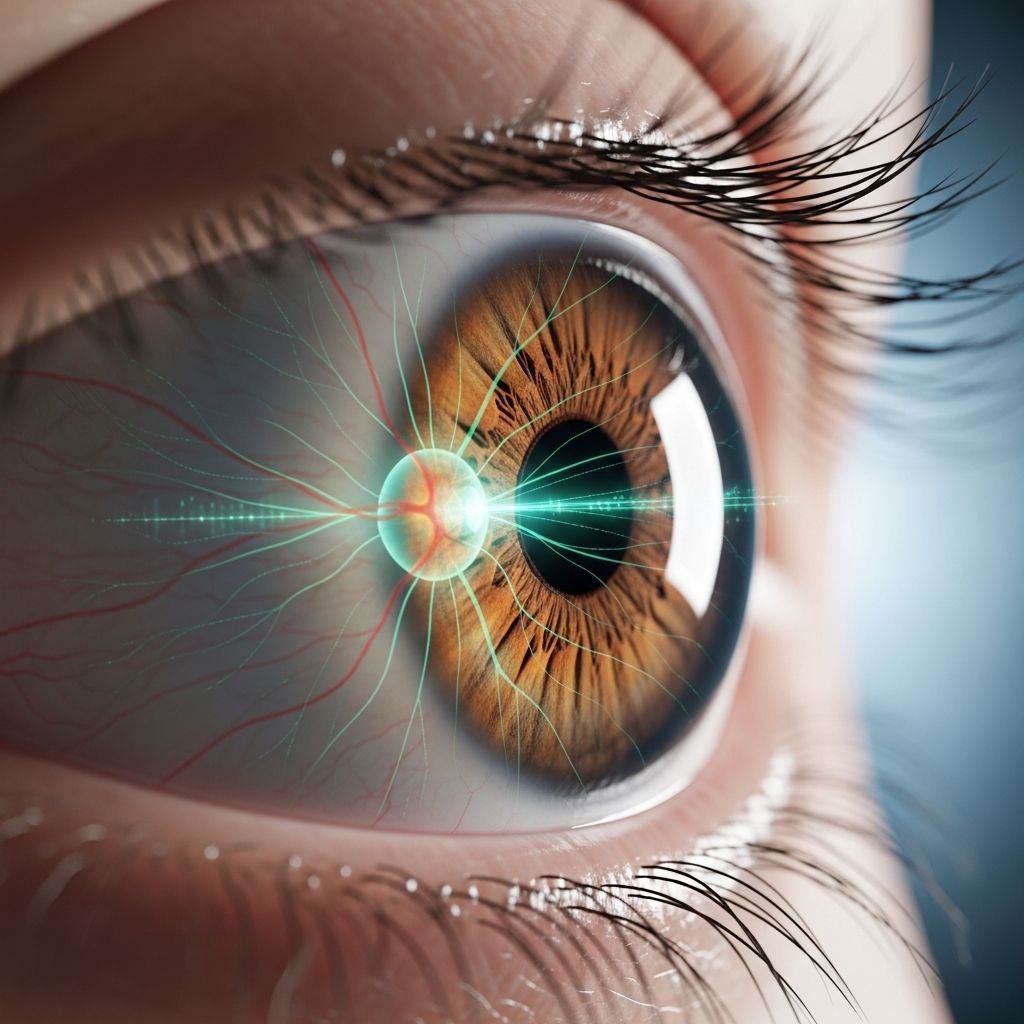
Elevated pressure within the eye, known as ocular hypertension, represents a condition where intraocular pressure (IOP) exceeds the normal range—typically above 21 mmHg—yet without evident damage to the optic nerve or visual field defects. This state affects millions worldwide and serves as a critical precursor to glaucoma if unmanaged.
Understanding Intraocular Pressure Dynamics
The eye maintains internal pressure through a delicate balance of fluid production and outflow. Aqueous humor, a clear liquid produced by the ciliary body, nourishes eye structures and exits via the trabecular meshwork into Schlemm’s canal. Disruptions in this cycle elevate IOP, pressuring the optic nerve over time.
Normal IOP ranges from 10-21 mmHg. Thick corneas can skew measurements higher, while thin ones may underestimate true pressure, complicating assessments. Bilateral cases affect both eyes equally often, though unilateral occurrences demand scrutiny for underlying issues.
Primary Mechanisms Behind Elevated Eye Pressure
Two core processes drive ocular hypertension: overproduction of aqueous humor or impaired drainage. Most commonly, drainage channels fail due to trabecular meshwork resistance, trapping fluid and building pressure. Less frequently, excessive fluid generation tips the balance.
- Drainage Obstruction: Blockages from pigment flakes in pigment dispersion syndrome or protein deposits in pseudoexfoliation syndrome hinder outflow.
- Overproduction: Rare, but ciliary body hyperactivity contributes.
- Secondary Factors: Trauma, surgery, or inflammation alters fluid dynamics.
Demographic and Lifestyle Risk Profiles
Certain groups face heightened susceptibility. Prevalence climbs with age, affecting 4-10% over 40. African American and Hispanic individuals show elevated risks, alongside extreme nearsightedness. Family history of glaucoma amplifies odds.
| Risk Factor | Impact Level | Notes |
|---|---|---|
| Age >40 | High | Prevalence 2-3% general population, rises significantly post-40 |
| Family History | High | Genetic predisposition to poor drainage |
| African American/Hispanic Ethnicity | Moderate-High | Higher incidence rates documented |
| Steroid Use | Moderate | Prolonged use elevates IOP |
| Diabetes/High BP | Moderate | Vascular influences on eye fluid |
Systemic conditions like hypertension correlate with higher IOP, potentially linked to cerebrospinal fluid pressure dynamics.
Absence of Warning Signs
Ocular hypertension earns its ‘silent thief’ moniker—no pain, blurred vision, or halos typically appear until optic nerve damage ensues, mimicking early glaucoma. Rare severe spikes might cause discomfort on eye touch or movement, but routine exams remain the sole detection method.
Diagnostic Approaches in Clinical Practice
Eye specialists employ tonometry as the gold standard, using air-puff or applanation devices to gauge IOP accurately. Comprehensive evaluations include:
- Gonioscopy: Inspects drainage angles for blockages.
- Ophthalmoscopy/Pachymetry: Examines optic nerve health and corneal thickness.
- Visual Field Testing/Optical Coherence Tomography (OCT): Detects subtle nerve fiber losses.
Central corneal thickness adjustments refine IOP readings, as thicker corneas yield artificially high values. Regular monitoring—every 6-12 months for suspects—tracks progression.
Management Strategies to Safeguard Vision
Treatment hinges on risk stratification via tools like the Ocular Hypertension Treatment Study (OHTS), weighing IOP levels, corneal thickness, age, and optic nerve status. Not all cases warrant intervention; low-risk patients may observe only.
Related Stories



Pharmacological Options: Prostaglandin analogs (e.g., latanoprost) enhance outflow, topping first-line choices. Beta-blockers reduce production; alternatives include rho kinase inhibitors or combinations.
Laser and Surgical Interventions: Selective laser trabeculoplasty (SLT) unclogs drains effectively, often delaying drops. For refractory cases, minimally invasive glaucoma surgery (MIGS) or trabeculectomy restores flow.
Long-Term Prognosis and Glaucoma Prevention
Untreated, 9.5% of ocular hypertension cases convert to glaucoma over 5 years; treatment slashes this by half. Early intervention preserves vision, emphasizing vigilant monitoring. Lifestyle aids like cardio exercise may modestly lower IOP.
Prevention Through Proactive Eye Care
Annual dilated exams detect elevations early, especially for at-risk individuals. Avoid steroid overuse; manage comorbidities like diabetes. While no guaranteed prevention exists, awareness empowers timely action.
Frequently Asked Questions (FAQs)
Is ocular hypertension the same as glaucoma?
No. Ocular hypertension features high IOP without optic nerve damage; glaucoma involves damage and potential vision loss.
Can I feel high eye pressure?
Rarely. Most experience no symptoms, underscoring regular check-ups.
How often should I get eye exams if at risk?
Every 6-12 months, per specialist guidance.
Do eye drops cure ocular hypertension?
They control IOP but require ongoing use; not a cure.
Can diet or exercise lower eye pressure?
Moderate benefits from aerobic activity; no strong diet links.
Ocular hypertension demands respect as a glaucoma gateway. Proactive screening and tailored management secure lasting eye health.
References
- Ocular hypertension | AOA — American Optometric Association. 2023. https://www.aoa.org/healthy-eyes/eye-and-vision-conditions/ocular-hypertension
- Ocular Hypertension: Causes, Symptoms, Tests, and Treatment — WebMD. 2024. https://www.webmd.com/eye-health/occular-hypertension
- What Causes Ocular Hypertension? — Dr. McDevitt EyeCare. 2023. https://drmcdevitteyecare.com/articles/general/660872-what-causes-ocular-hypertension
- Ocular Hypertension: Causes, Symptoms & Treatment — Cleveland Clinic. 2024-02-15. https://my.clevelandclinic.org/health/diseases/24621-ocular-hypertension
- Ocular Hypertension — Canyon View Eyecare. 2023. https://www.canyonvieweyecare.com/eye-care-services/your-eye-health/eye-conditions-info/ocular-hypertension/
- High Eye Pressure: What Causes Ocular Hypertension? — All About Vision. 2024. https://www.allaboutvision.com/conditions/related/hypertension/
- Ocular Hypertension: General Characteristics and Estimated… — PMC (NCBI). 2014-06-27. https://pmc.ncbi.nlm.nih.gov/articles/PMC4079553/
Similar Articles








Read full bio of medha deb