Ocular Lymphoma: 5 Key Symptoms, Diagnosis, Treatment
Comprehensive insights into ocular lymphoma: from early detection to advanced therapies for better eye cancer management.
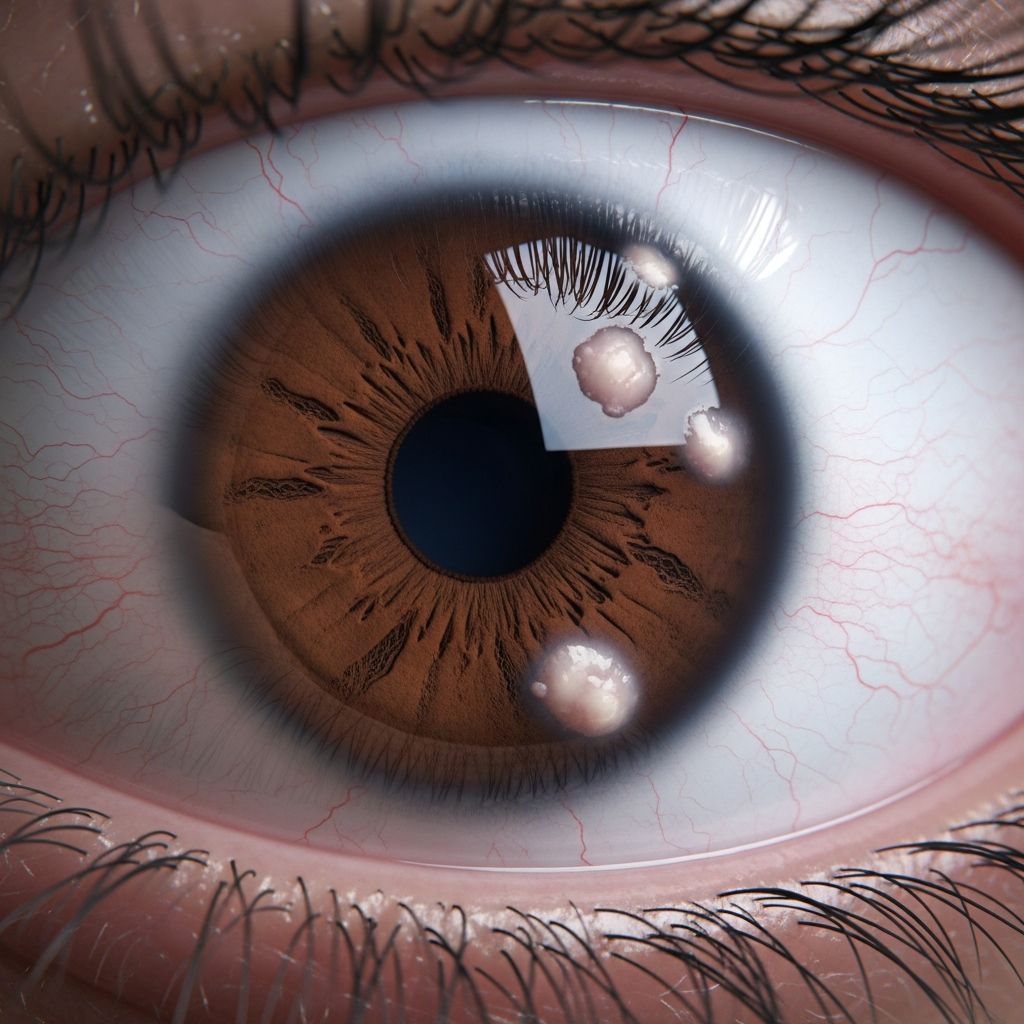
Ocular lymphoma represents a rare malignancy originating in the lymphatic cells within the eye structures, primarily impacting the retina, vitreous humor, or surrounding tissues. This condition, often classified as a subtype of non-Hodgkin lymphoma, demands prompt recognition due to its potential to affect vision and spread systemically.
Understanding the Nature of Ocular Lymphoma
This cancer arises from lymphocytes, white blood cells integral to the immune system, which abnormally proliferate in ocular tissues. Primary vitreoretinal lymphoma (PVRL), the most prevalent form, confines itself initially to the eye’s interior, particularly the vitreous and retina. In contrast, secondary cases stem from systemic lymphoma spreading to the eyes. Though uncommon, it predominantly affects individuals over 50, with a higher incidence in those immunocompromised.
The disease’s subtlety poses diagnostic challenges, as initial manifestations mimic inflammatory conditions like uveitis, delaying identification in up to 75% of instances.
Recognizing Key Symptoms
Early detection hinges on identifying visual disturbances that persist despite routine corrections. Patients frequently report:
- Blurred or decreased vision: Progressive clouding, often unilateral but potentially bilateral.
- Floaters: Mobile specks or webs traversing the visual field, stemming from vitreous involvement.
- Photophobia: Heightened light sensitivity accompanying redness or swelling.
- Eye discomfort or pain: Less common, but indicative of advanced infiltration.
- Redness and irritation: Mimicking conjunctivitis or uveitis.
Symptoms may fluctuate, responding temporarily to steroid treatments for presumed inflammation, which underscores the need for specialist evaluation if vision issues endure.
Risk Factors and Epidemiology
While the precise etiology remains elusive, certain factors elevate susceptibility:
- Age over 60 years.
- Immunosuppression from HIV, organ transplants, or autoimmune disorders.
- Associations with central nervous system lymphoma, occurring in tandem in many cases.
Incidence data indicate rarity, with PVRL comprising fewer than 1% of intraocular malignancies, yet its aggressive potential necessitates vigilance.
Diagnostic Approaches
Diagnosis integrates clinical exams, imaging, and invasive sampling. Ophthalmologists initiate with slit-lamp biomicroscopy and fundoscopy to detect vitritis or retinal lesions. Optical coherence tomography (OCT) reveals subretinal deposits, while fluorescein angiography highlights vascular anomalies.
Definitive confirmation requires vitreous biopsy via vitrectomy, analyzing cells for malignant lymphocytes via cytology, flow cytometry, and molecular tests like PCR for immunoglobulin gene rearrangements. If central nervous system involvement is suspected, lumbar puncture and brain MRI follow.
| Tool | Purpose | Advantages |
|---|---|---|
| Vitrectomy | Sample vitreous for cytology | High sensitivity for PVRL |
| OCT Imaging | Visualize retinal changes | Non-invasive, detailed layering |
| Brain MRI | Detect CNS spread | Essential for staging |
| Flow Cytometry | Identify lymphoma cells | Confirms B-cell origin |
Treatment Modalities
Therapeutic strategies prioritize vision preservation while eradicating malignant cells, tailored to disease extent and patient health. Multidisciplinary teams comprising oncologists, ophthalmologists, and radiation specialists orchestrate care.
Related Stories



Radiation Therapy
The cornerstone for localized disease, external beam radiation delivers precise low-dose energy to the affected eye(s) and prophylactically to the brain. Efficacy exceeds 90% for intraocular control, though risks include cataracts, dry eyes, and retinopathy.
Chemotherapy Options
Systemic or local delivery targets proliferating cells. Intravitreal methotrexate injections offer focal treatment with minimal systemic exposure, repeated biweekly. Intravenous regimens like high-dose methotrexate or R-CHOP (rituximab, cyclophosphamide, doxorubicin, vincristine, prednisone) address dissemination.
- Methotrexate: Primary intravitreal agent.
- Rituximab: Monoclonal antibody for CD20-positive cells.
- CHOP: For aggressive systemic involvement.
Immunotherapy and Targeted Agents
Emerging paradigms harness the immune system. Rituximab, an anti-CD20 antibody, enhances cell lysis alone or conjugated with radioisotopes (radioimmunotherapy). Interferon eye drops suit conjunctival cases.
Targeted therapies remain investigational but promising for specific mutations.
Prognosis and Long-Term Management
Outcomes vary: isolated ocular lymphoma boasts 5-year survival over 70%, plummeting with CNS involvement to under 40%. Relapse risks mandate vigilant surveillance via serial exams and imaging.
Post-treatment, patients face vision threats from therapy or recurrence, benefiting from supportive care like anti-VEGF injections for radiation retinopathy.
Living with Ocular Lymphoma
Navigating diagnosis involves emotional and practical adjustments. Support networks, low-vision aids, and nutritional focus on antioxidants aid resilience. Regular follow-ups track stability.
Frequently Asked Questions (FAQs)
What causes ocular lymphoma?
Exact causes are unknown, but immune dysregulation plays a key role, especially in older adults or immunocompromised individuals.
Is ocular lymphoma curable?
Many achieve remission with combined therapies, though CNS spread worsens prognosis. Early intervention improves odds.
How does radiation affect vision?
Potential side effects include cataracts and dry eyes, manageable with interventions.
Can it spread to the brain?
Yes, up to 80% of PVRL cases involve or progress to CNS lymphoma, necessitating imaging.
What is the role of vitrectomy in treatment?
Beyond diagnosis, it removes tumor cells and delivers intravitreal drugs.
References
- Understanding Lymphoma of the Eye: Symptoms and Treatment — Moffitt Cancer Center. 2023. https://www.moffitt.org/taking-care-of-your-health/taking-care-of-your-health-story-archive/understanding-lymphoma-of-the-eye/
- Ocular Lymphoma — Cascade Eye Care. Accessed 2026. https://www.cascadeeyedoc.com/content/eyeconditions/ocularlymphoma.aspx
- Lymphoma of the Eye: What You Need to Know — Moffitt Cancer Center. 2023. https://www.moffitt.org/endeavor/archive/lymphoma-of-the-eye-what-you-need-to-know/
- Intraocular Lymphoma: What You Need To Know — MyLymphomaTeam. 2024. https://www.mylymphomateam.com/resources/intraocular-lymphoma-what-you-need-to-know
- Treatments for lymphoma of the eye — Canadian Cancer Society. 2025. https://cancer.ca/en/cancer-information/cancer-types/eye/treatment/lymphoma-of-the-eye
- Eye Lymphoma Diagnosis & Treatment — ColumbiaDoctors. Accessed 2026. https://www.columbiadoctors.org/specialties/ophthalmology/our-services/ophthalmic-oncology/conditions-we-treat/eye-lymphoma
Similar Articles








Read full bio of medha deb