Ocular Rosacea: 4-Step Treatment Ladder For Faster Relief
Comprehensive insights into ocular rosacea: from underlying mechanisms to proven management strategies for lasting eye comfort.
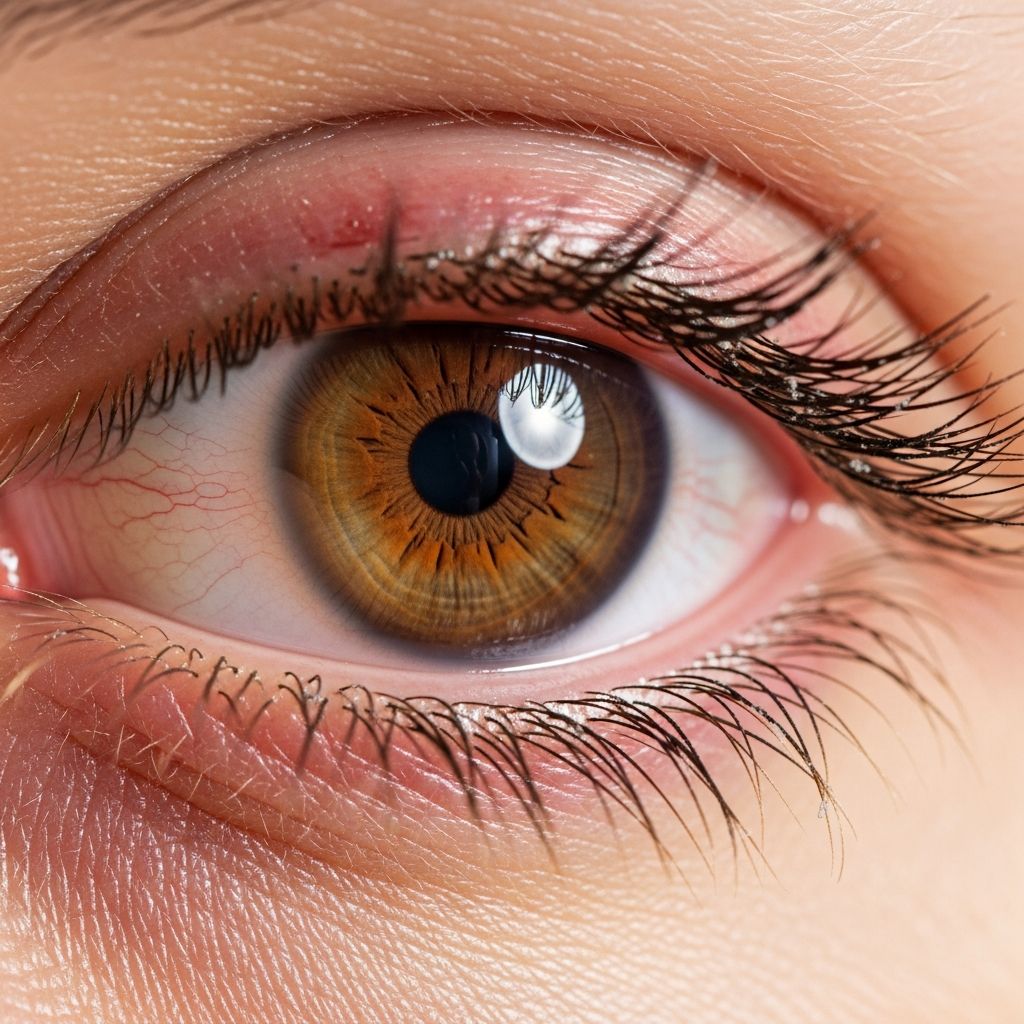
Ocular rosacea represents a significant challenge for many individuals, manifesting as persistent inflammation of the eyes and eyelids often tied to the broader rosacea spectrum. This condition disrupts daily comfort through symptoms like redness, dryness, and irritation, yet effective strategies exist to mitigate its impact.
The Nature of Ocular Rosacea
This inflammatory disorder primarily targets the ocular surface, including eyelids, conjunctiva, and cornea. While frequently accompanying facial rosacea, it can occur independently, affecting vision clarity and overall eye health. Chronic inflammation stems from a mix of immune overactivity and environmental influences, leading to disrupted tear production and gland function.
Key characteristics include meibomian gland dysfunction (MGD), where oil-producing glands in the eyelids become blocked, resulting in evaporative dry eye. This compromises the tear film’s lipid layer, accelerating moisture loss and fostering bacterial overgrowth.
Common Signs and Daily Impacts
Individuals often report a range of discomforts that interfere with routine activities. Prominent symptoms encompass:
- Persistent redness in the eyes and eyelids
- Sensation of grittiness or foreign body presence
- Burning, stinging, or itching sensations
- Excessive tearing or paradoxically dry eyes
- Light sensitivity (photophobia)
- Swollen or crusted eyelids
- Blurred or fluctuating vision
- Recurrent infections like styes or chalazia
These manifestations can escalate during flare-ups, impairing concentration, sleep, and productivity. Untreated progression risks corneal damage, neovascularization, or scarring, underscoring the need for prompt intervention.
Unraveling the Root Causes
The precise origins remain multifactorial, involving genetic susceptibility, microbial imbalances, and immune dysregulation. Central to pathology is innate immunity hyperactivity, particularly toll-like receptor (TLR) activation, which triggers proinflammatory cytokines like IL-1β, TNF-α, and IL-6. These mediators amplify inflammation, vascular dilation, and tissue remodeling.
Neurovascular changes contribute dilated blood vessels (telangiectasia) and heightened neurosensory responses. Oxidative stress from reactive oxygen species further damages cells, while eyelid microbiome shifts— including Demodex mites and bacterial biofilms—exacerbate gland obstruction.
| Factor | Description | Impact on Eyes |
|---|---|---|
| Immune Dysregulation | TLR and cytokine overproduction | Chronic inflammation, corneal damage |
| Microbiome Alterations | Bacterial overgrowth, Demodex mites | Gland blockage, infections |
| Vascular Abnormalities | Telangiectasia, hyperreactivity | Redness, flushing |
| Oxidative Stress | Reactive oxygen species buildup | Tissue damage, progression |
Recognizing Associated Risks
Ocular rosacea heightens vulnerability to complications such as blepharitis, conjunctivitis, and keratitis. In severe cases, corneal thinning or ulceration may occur, potentially threatening vision. Pediatric variants, like blepharokeratoconjunctivitis, demand specialized attention to avert long-term sequelae.
Links to systemic rosacea mean facial flushing, papules, or pustules may coexist, signaling the need for holistic dermatologic-ophthalmic care.
Strategies for Prevention and Trigger Management
Proactive measures significantly curb flare frequency. Essential steps include:
- Maintaining rigorous eyelid hygiene with warm compresses and gentle cleansers
- Avoiding known aggravators: spicy foods, alcohol, extreme temperatures, wind, and stress
- Using wraparound sunglasses for UV and wind protection
- Staying hydrated and employing preservative-free artificial tears
- Adopting anti-inflammatory diets rich in omega-3s
Related Stories



Consistent routines preserve meibomian gland patency and stabilize the ocular surface.
Comprehensive Treatment Approaches
Management follows a stepwise paradigm, starting with conservative methods and escalating as needed. Multidisciplinary input from optometrists, ophthalmologists, and dermatologists optimizes outcomes.
Foundational Therapies
Eyelid Hygiene: Daily warm compresses (10-15 minutes) followed by lid margin massage and scrubbing with baby shampoo or hypochlorous acid sprays clear debris and improve gland expression.
Artificial Lubricants: Frequent use of lipid-based drops combats evaporative loss.
Pharmacologic Interventions
Topical Agents: Cyclosporine (Restasis), lifitegrast (Xiidra), or lifitegrast mimic anti-inflammatory effects on T-cells and cytokines. Mild steroids (e.g., loteprednol) offer short-term relief for acute flares, tapered to prevent side effects.
Oral Medications: Tetracyclines like doxycycline (low-dose, anti-inflammatory) or azithromycin target inflammation and bacteria. Macrolides provide dual benefits in refractory cases.
Advanced Procedural Options
Innovative therapies address resistant MGD and inflammation:
- Intense Pulsed Light (IPL): Reduces telangiectasia, liquefies meibum, and curbs inflammation, yielding prolonged symptom relief.
- Meibomian Gland Probing: Clears blockages, promotes regeneration when paired with exosomes.
- Low-Level Light Therapy (LLLT): Photobiomodulation enhances gland function sans heat damage.
- Exosome Therapy: Stem cell-derived drops foster repair, reduce inflammation in non-responders.
Anti-VEGF or biologics emerge for vascular and immune targeting in research.
Stepwise Treatment Ladder
| Step | Treatments | Expected Outcomes |
|---|---|---|
| 1: Basic | Hygiene, lubricants | Symptom reduction, gland health |
| 2: Topical | Anti-inflammatories, antibiotics | Inflammation control |
| 3: Systemic | Oral doxycycline, steroids | Flare prevention |
| 4: Procedural | IPL, probing, LLLT | Long-term gland restoration |
Lifestyle Integration for Sustained Relief
Beyond clinic visits, patients thrive by embedding habits like omega-3 supplementation, stress reduction via mindfulness, and trigger journaling. Regular monitoring prevents progression, with annual eye exams essential.
FAQs on Ocular Rosacea
What distinguishes ocular rosacea from standard dry eye?
Ocular rosacea involves eyelid inflammation and MGD alongside dryness, often with redness and infections absent in isolated dry eye.
Can it lead to permanent vision loss?
Rarely, if severe and unmanaged, but early treatment averts corneal complications.
Is it contagious?
No, it’s not infectious; microbial factors are opportunistic.
How long until treatments work?
Improvements appear in weeks with hygiene and meds; procedures offer faster, durable results.
Does skin rosacea always mean eye involvement?
No, but up to 50-60% of rosacea patients develop ocular symptoms.
Outlook and Future Directions
Ocular rosacea demands lifelong vigilance, but modern tools—from targeted immunomodulators to regenerative therapies—transform prognosis. Patients achieving control report enhanced quality of life, underscoring empowered self-management.
References
- Ocular Rosacea: An Updated Review — PMC/NCBI. 2024. https://pmc.ncbi.nlm.nih.gov/articles/PMC11872267/
- Treating Ocular Rosacea — The Dry Eye Treatment Center. 2024. https://dryeyespecialist.com/treating-ocular-rosacea/
- Ocular Rosacea & Dry Eye — Pacific Rim Optometry. 2024. https://www.pacificrimsoptometry.com/eye-care-services/dry-eye-optometrist/ocular-rosacea-and-dry-eye/
- Ocular Rosacea Clinical Management Guidelines — College of Optometrists. 2024-06-10. https://www.college-optometrists.org/clinical-guidance/clinical-management-guidelines/ocularrosacea
- Ocular Rosacea: Symptoms, Causes, Management & Treatment — Cleveland Clinic. 2024. https://my.clevelandclinic.org/health/diseases/22265-ocular-rosacea
- Ocular Rosacea – Symptoms and Causes — Mayo Clinic. 2024. https://www.mayoclinic.org/diseases-conditions/ocular-rosacea/symptoms-causes/syc-20375798
Similar Articles








Read full bio of Sneha Tete