Ocular Syphilis: Silent Threat to Vision
Discover the hidden dangers of syphilis in the eyes, from subtle symptoms to life-altering vision loss, and learn proven prevention strategies.
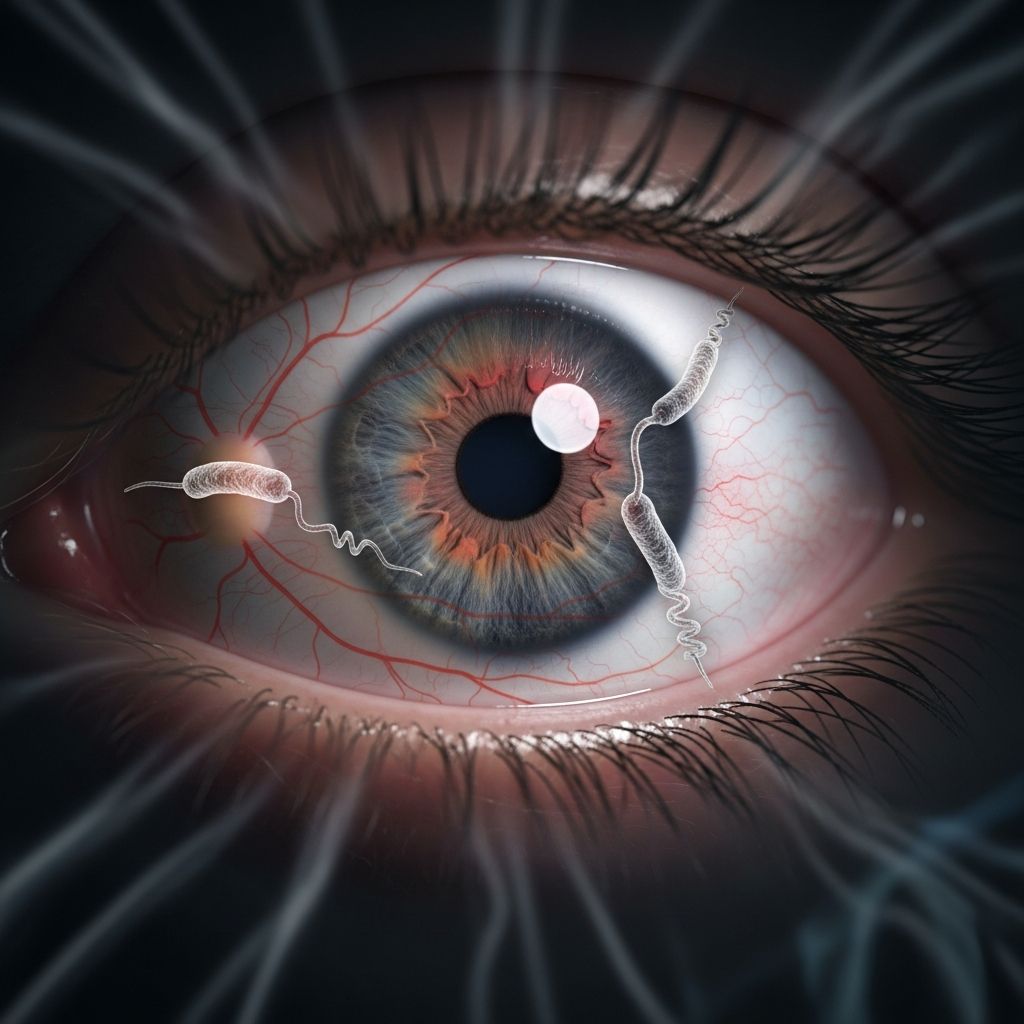
Syphilis, caused by the bacterium Treponema pallidum, poses a significant risk to eye health when it progresses to ocular involvement. This condition, known as ocular syphilis, can manifest at any disease stage and threaten permanent vision impairment if not addressed promptly.
Understanding the Spread and Stages of Syphilis
Syphilis advances through distinct phases: primary, secondary, latent, and tertiary. In the primary stage, a painless sore appears at the infection site. Without intervention, it enters the secondary stage with rash and flu-like symptoms. Ocular complications arise due to bacterial dissemination via the bloodstream, affecting up to 10% of secondary cases.
The bacterium invades ocular tissues rapidly, reaching lymph nodes within minutes and disseminating body-wide within hours post-inoculation. This hematogenous spread enables infection of diverse eye structures, from the cornea to the optic nerve, irrespective of the syphilis stage.
Common Eye Structures Affected
Ocular syphilis targets multiple anatomical sites, leading to varied inflammatory responses.
- Cornea and Sclera: Interstitial keratitis causes stromal inflammation, resulting in neovascularization and scarring that impairs vision. This immune-mediated process responds to steroids rather than antibiotics.
- Uveal Tract: Uveitis, including iridocyclitis and panuveitis, is prevalent. Granulomatous or non-granulomatous inflammation affects anterior and posterior segments.
- Retina and Vasculature: Necrotizing or placoid retinitis mimics viral infections but progresses slowly and responds well to penicillin. Placoid lesions appear yellowish with faded centers.
- Optic Nerve: Optic neuritis, either anterior (swollen disc) or retrobulbar, risks rapid vision loss. Perineuritis may be asymptomatic.
Posterior uveitis and panuveitis dominate clinical presentations, often with neurologic signs.
Recognizing Symptoms Across Disease Phases
Symptoms vary by stage and site. Blurred vision is the hallmark complaint, potentially escalating to blindness.
| Stage | Typical Eye Symptoms | Frequency |
|---|---|---|
| Primary/Secondary | Blurred vision, uveitis, retinitis | ~10% of secondary cases |
| Tertiary/Neurosyphilis | Optic neuropathy, panuveitis, keratitis | Variable, often severe |
| Any Stage | Vision loss, floaters, photophobia | Can lead to permanent damage |
In secondary syphilis, systemic dissemination triggers ocular issues alongside rashes and fever. Tertiary cases feature chronic inflammation, with optic atrophy yielding poor outcomes.
Risk Factors Driving Ocular Involvement
Certain populations face heightened risks. Men who have sex with men (MSM) and HIV-positive individuals show elevated rates, though immunocompetent patients are not immune. Untreated syphilis heightens progression odds, with blindness reported in rare severe cases.
Recent surges in syphilis cases, per CDC alerts, underscore the need for vigilance, especially amid rising STI incidences.
Diagnostic Approaches for Timely Detection
Diagnosis combines serologic tests, clinical exams, and imaging. Non-treponemal (RPR, VDRL) and treponemal (FTA-ABS, TP-PA) assays confirm infection. CSF analysis is crucial for neurosyphilis overlap.
Ophthalmic evaluation includes slit-lamp biomicroscopy, fundoscopy, and fluorescein angiography to identify retinitis or optic disc swelling. Visual acuity tests and pupillary assessments detect afferent defects.
Immediate ophthalmologist referral is essential upon syphilis suspicion.
Standard Treatment Protocols
Antibiotics form the cornerstone, treating ocular syphilis akin to neurosyphilis.
- First-Line: Aqueous crystalline penicillin G (18-24 million units IV daily, divided every 4 hours) for 10-14 days.
- Alternative for Early Stages: Benzathine penicillin G IM (2.4 million units weekly x 3).
- Penicillin-Allergic: Ceftriaxone 2g IV daily x 14 days or doxycycline. Pregnant patients require penicillin after desensitization.
Related Stories



Adjunctive therapies like topical steroids, NSAIDs, or mydriatics manage inflammation. For keratitis, steroids suffice without antibiotics.
Follow-up lumbar punctures monitor CSF normalization every 6 months if abnormal.
Potential Complications and Treatment Reactions
The Jarisch-Herxheimer reaction, post-antibiotic initiation, induces fever, malaise, and ocular worsening like macular edema. Pretreatment steroids (e.g., IV solumedrol) may mitigate this.
Untreated cases risk irreversible damage: retinal detachment, optic atrophy, or blindness. One study found 35.8% vision improvement post-treatment, best in uveitis, worst in optic atrophy.
Prevention Strategies to Protect Eye Health
Primary prevention involves condom use, routine STI screening, and partner notification. Annual syphilis testing is advised for at-risk groups per CDC.
Prompt primary syphilis treatment halts progression. Regular eye exams detect early signs, especially with vision changes or STI history.
Prognosis and Long-Term Management
Early intervention yields robust responses, particularly in retinitis. However, delayed care leads to scarring and permanent loss. Lifelong serologic monitoring ensures no relapse.
Multidisciplinary care—infectious disease, ophthalmology, neurology—optimizes outcomes.
Frequently Asked Questions (FAQs)
What causes ocular syphilis?
The bacterium Treponema pallidum spreads via sexual contact or congenitally, invading eye tissues.
Can ocular syphilis cause blindness?
Yes, through optic neuropathy or severe uveitis, though treatable if caught early.
How is ocular syphilis diagnosed?
Via blood tests, eye exams, and CSF analysis when neurosyphilis is suspected.
What is the best treatment?
IV penicillin G for 10-14 days; alternatives for allergies.
Is ocular syphilis increasing?
Yes, CDC reports rising cases, emphasizing screening.
Can it affect pregnant women?
Yes, risking fetal eye damage; penicillin is mandatory.
Ocular syphilis demands swift action to preserve sight. Consult professionals for symptoms or risks.
References
- Ophthalmologic Manifestations of Syphilis — EyeWiki (AAO). 2023-10-15. https://eyewiki.org/Ophthalmologic_Manifestations_of_Syphilis
- Syphilis Ocular Manifestations — MD Searchlight. 2024-05-20. https://mdsearchlight.com/infectious-disease/syphilis-ocular-manifestations/
- The importance of proper and prompt treatment of ocular syphilis — PMC (PubMed Central). 2020-09-01. https://pmc.ncbi.nlm.nih.gov/articles/PMC7496700/
- Ocular Syphilis: Symptoms & Treatment — Cleveland Clinic. 2023-11-10. https://my.clevelandclinic.org/health/diseases/25108-ocular-syphilis
- Recognizing Ocular Syphilis — Retina Today. 2018-06-01. https://retinatoday.com/articles/2018-may-june/recognizing-ocular-syphilis
- Neurosyphilis, Ocular Syphilis, & Otosyphilis — CDC. 2024-08-15. https://www.cdc.gov/syphilis/hcp/neurosyphilis-ocular-syphilis-otosyphilis/index.html
- Neurosyphilis, Ocular Syphilis, and Otosyphilis – STI Treatment — CDC. 2021-07-22. https://www.cdc.gov/std/treatment-guidelines/neurosyphilis.htm
Similar Articles








Read full bio of medha deb