Oestrogen HRT: Complete Guide To Benefits, Risks, And Use
Comprehensive guide to oestrogen hormone replacement therapy for menopause symptom relief and bone health protection.
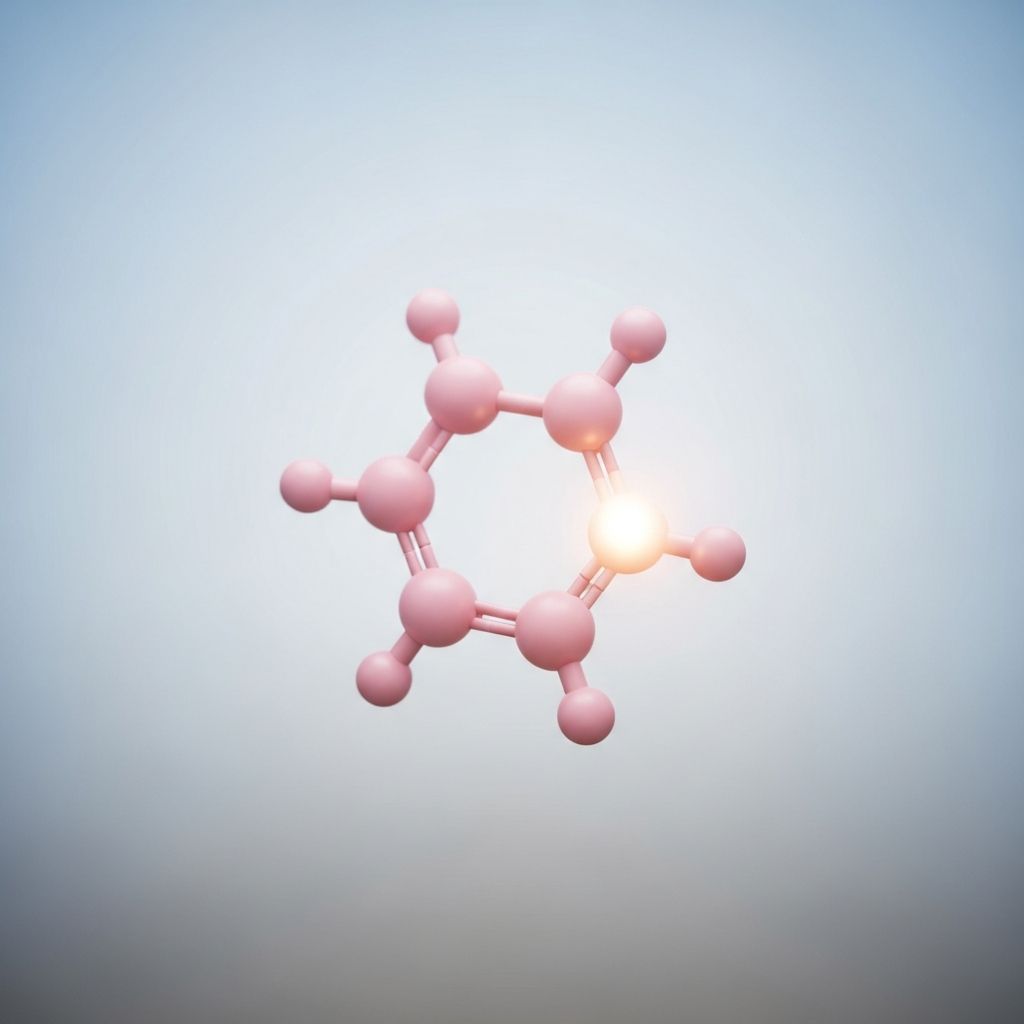
Oestrogen hormone replacement therapy (HRT) is used to alleviate symptoms of menopause or post-hysterectomy hormonal decline, such as hot flushes, night sweats, and vaginal dryness, by replacing declining oestrogen levels.
| Type of medicine | An oestrogen (may also be spelled estrogen) |
|---|---|
| Used for | Hormone replacement therapy (HRT) |
| Available as | Tablets, patches, and gel |
About oestrogen HRT
Oestrogen is a key female sex hormone essential for regulating the menstrual cycle, developing female characteristics, and maintaining bone and heart health. During menopause or after a hysterectomy, oestrogen levels drop significantly, leading to symptoms like hot flushes, night sweats, mood changes, and vaginal dryness. Oestrogen HRT restores these levels to relieve these issues and helps prevent osteoporosis by protecting bone density.
For women who have undergone a total hysterectomy (removal of the womb), oestrogen-only HRT is typically sufficient and safe, as progestogen is unnecessary without a uterus. However, if the hysterectomy was partial or for conditions like endometriosis, a progestogen may still be required—consult your doctor. Women with an intact uterus using a 52mg levonorgestrel intrauterine device (LNG-IUD) for contraception can also use oestrogen-only HRT, as the device provides adequate progestogen protection against endometrial thickening.
Different natural oestrogens are used in HRT: estradiol (bioidentical to human oestrogen) and conjugated oestrogens (derived from pregnant mare urine, containing multiple oestrogen types). These are available in tablets (e.g., Progynova for estradiol, Premarin for conjugated), skin patches (e.g., Estradot, Evorel), and gels (e.g., Oestrogel, Sandrena). Your doctor will help choose based on lifestyle, preferences, and medical history.
Key facts about oestrogen HRT
- Oestrogen HRT effectively relieves vasomotor symptoms (hot flushes, night sweats) in most women within weeks.
- It reduces vaginal atrophy symptoms like dryness and discomfort during intercourse.
- Protects against osteoporosis, especially beneficial for early menopause (before age 45).
- Minimal systemic absorption in vaginal forms, suitable for local genitourinary symptoms without needing progestogen.
- Not suitable alone for women with a uterus due to endometrial cancer risk; combine with progestogen.
How to take oestrogen HRT
Follow your doctor’s instructions precisely. Dosages vary by form:
- Tablets: Swallow daily with water, at the same time each day (e.g., 1-2mg estradiol).
- Patches: Apply to clean, dry skin (abdomen, buttock) twice weekly; rotate sites to avoid irritation. Do not place on breasts or oily skin.
- Gels: Apply daily to intact skin (arms, thighs); let dry before dressing. Avoid washing the area for 1 hour.
- Vaginal oestrogen (for local symptoms): Creams, tablets, pessaries, or rings applied 1-3 times weekly after initial daily use.
Start on day 1 of your cycle if pre-menopausal, or any day if post-menopausal. If combined with progestogen, follow cyclical (12-14 days/month) or continuous regimens. Do not double doses if missed; consult your pharmacist.
How does oestrogen HRT work?
Oestrogen binds to receptors in target tissues, mimicking natural hormone action. It stabilizes the hypothalamus to reduce hot flushes, improves vaginal mucosa elasticity, and inhibits bone resorption to maintain density. Patches and gels bypass the liver (transdermal), potentially lowering clot risk compared to oral forms.
When not to take oestrogen HRT
Avoid if you have:
- Untreated endometrial hyperplasia or breast/endometrial cancer history.
- Known or suspected pregnancy or breastfeeding.
- Active liver disease with impaired function or hormone-dependent tumours.
- Undiagnosed vaginal bleeding.
- History of blood clots (DVT/PE), stroke, or heart disease (discuss risks).
- Untreated high blood pressure or migraines with aura.
Related Stories



Caution in smokers over 50, obese women, or those with gallstones.
Common questions about oestrogen HRT
Will oestrogen HRT give me cancer?
Oestrogen-only HRT does not significantly increase breast cancer risk and may even be neutral. For women with a uterus, unopposed oestrogen raises endometrial cancer risk, but this is eliminated with progestogen. Breast cancer risk slightly increases with combined HRT (e.g., 1 extra case per 50 users after 5 years), persisting 10 years post-use, but benefits often outweigh for symptomatic women.
Does oestrogen HRT cause blood clots?
Oral oestrogen slightly elevates venous thromboembolism (VTE) risk (2 extra cases/1000 users over 5 years), less with transdermal. Risk highest in first year; not for those with clot history.
Can I take oestrogen HRT long-term?
Yes, for persistent symptoms; review annually. NICE recommends for early menopause protection. Lowest effective dose for shortest duration, but no arbitrary limit.
Side-effects of oestrogen HRT
Most side effects are mild and settle within 3 months:
- Breast tenderness/swelling (10-20%).
- Breakthrough bleeding/spotting (especially cyclical).
- Skin reactions to patches (redness, itching).
- Nausea, headaches, bloating (less with non-oral).
- Weight gain/fluid retention (variable).
Serious side effects (rare): Chest pain, sudden breathlessness (clot/stroke), severe headache/vision changes, jaundice, or heavy bleeding—seek immediate help.
| Side Effect | Frequency | Management |
|---|---|---|
| Breast tenderness | Common | Reduces over time; try lower dose |
| Skin irritation (patches) | Common | Rotate sites; switch to gel |
| Breakthrough bleeding | Common initially | Monitor; see doctor if persists >6 months |
| Nausea | Less common | Take with food; prefer transdermal |
Who can and cannot take oestrogen HRT
Suitable for most symptomatic perimenopausal/postmenopausal women or post-hysterectomy. Not for those listed under ‘When not to take’. Discuss family history of clots/cancer. Safe in diabetes, controlled hypertension, or epilepsy with monitoring.
Pregnancy and breastfeeding
Contraindicated in pregnancy (teratogenic risk) or breastfeeding (affects milk/suppresses lactation).
Cautions of oestrogen HRT
- Monitor blood pressure regularly.
- Annual breast screening/mammograms.
- Report any vaginal bleeding promptly.
- Avoid if planning pregnancy (does not restore fertility).
- Transdermal preferred for VTE risk factors.
Interactions of oestrogen HRT
May interact with anticonvulsants (e.g., phenytoin), rifampicin (reduce efficacy); St John’s wort; grapefruit juice (increases levels). Inform doctor of all medications.
Surgery and oestrogen HRT
Stop 4-6 weeks before major surgery (elective) or if immobilized to reduce clot risk. Restart post-mobility.
Frequently Asked Questions (FAQs)
Q: How long until oestrogen HRT works?
A: Symptom relief often starts in 2-4 weeks; full benefits in 3 months. Vaginal symptoms improve in 3 weeks, max at 1-3 months.
Q: Can I drink alcohol on oestrogen HRT?
A: Moderate alcohol is fine; excess may worsen hot flushes or interact with liver metabolism.
Q: Does oestrogen HRT cause weight gain?
A: Not directly; some report fluid retention. Lifestyle factors contribute more.
Q: Is vaginal oestrogen safe post-breast cancer?
A: Minimal absorption; discuss with oncologist, especially if ER-positive.
Q: What if I forget a dose?
A: Take as soon as remembered unless near next dose; do not double up.
This article provides comprehensive information but is not a substitute for professional medical advice. Consult your GP for personalized guidance.
References
- Hormone Replacement Therapy (HRT) for Menopause — Patient.info. 2024-11. https://patient.info/womens-health/menopause/hormone-replacement-therapy-hrt
- HRT (Hormone Replacement Therapy) Side-Effects — Patient.info. 2024. https://patient.info/features/hormones/what-are-the-side-effects-of-hrt
- HRT: fact-checking risks and benefits — Patient.info. 2024. https://patient.info/features/hormones/hrt-factchecking-risks-and-benefits
- Oestrogen HRT. Hormone replacement therapy side effects — Patient.info. 2024. https://patient.info/medicine/oestrogen-hrt-estradiol-conjugated-oestrogens
- Is it safe to use HRT during the menopause? — Patient.info. 2024. https://patient.info/features/hormones/hrt-hormone-replacement-therapy-safe
- Vaginal HRT: Oestrogen for Hormone Replacement Therapy — Patient.info. 2024. https://patient.info/doctor/drug-therapy/hrt-topical
Similar Articles








Read full bio of Sneha Tete