Off-Pump Coronary Artery Bypass Surgery: 6 Benefits
Discover how off-pump coronary artery bypass surgery offers a safer, less invasive alternative for heart disease patients.
What Is Off-Pump Coronary Artery Bypass Surgery?
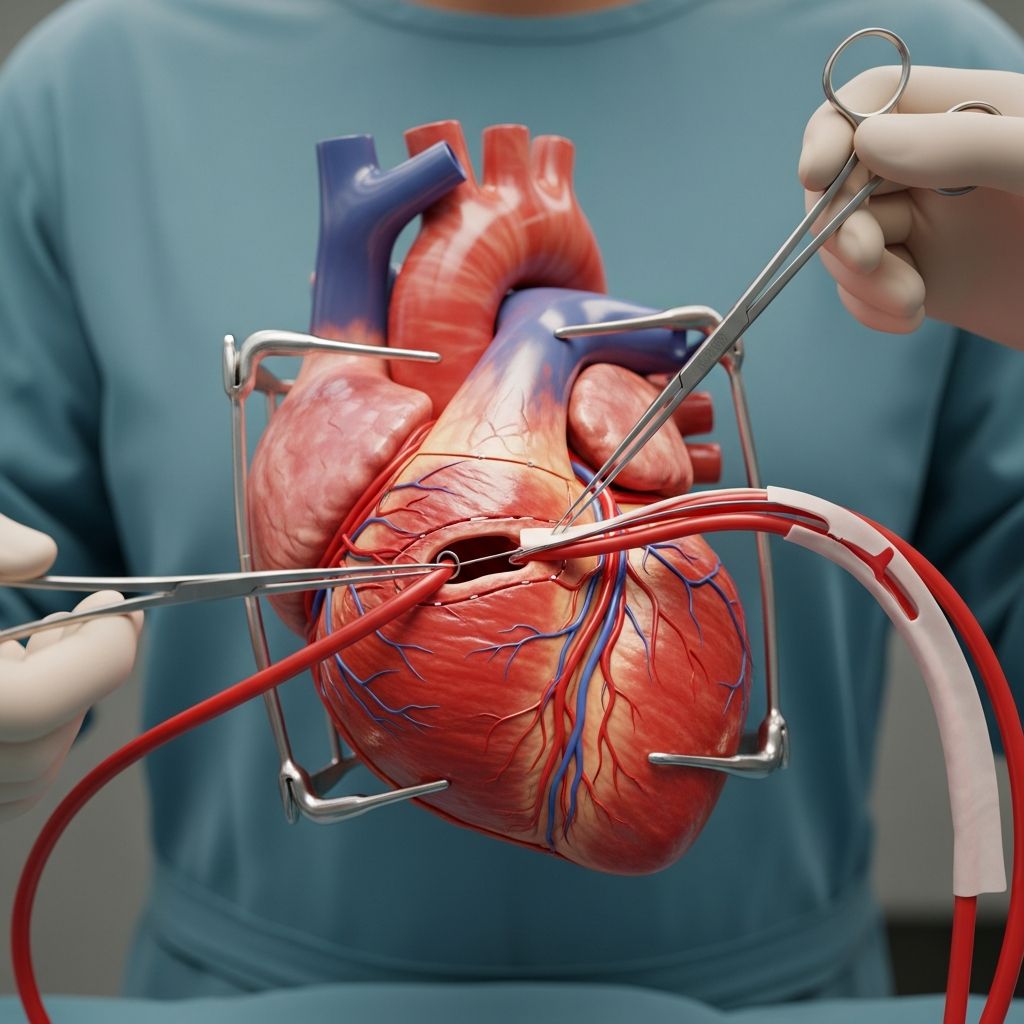
Off-pump coronary artery bypass (OPCAB) surgery, also known as beating heart surgery, is a type of heart bypass procedure performed without the use of a heart-lung machine. Unlike traditional coronary artery bypass grafting (CABG), which requires stopping the heart and using a machine to circulate blood, OPCAB allows the heart to continue beating during the operation. This technique is designed to reduce complications associated with the heart-lung machine and may offer faster recovery times for some patients.
Why Is Off-Pump Coronary Artery Bypass Surgery Performed?
OPCAB is used to treat coronary artery disease (CAD), a condition in which the arteries that supply blood to the heart muscle become narrowed or blocked due to plaque buildup. When blood flow to the heart is restricted, it can cause chest pain (angina), shortness of breath, and increase the risk of heart attack. The goal of OPCAB is to restore adequate blood flow to the heart muscle by creating new pathways (bypasses) around the blocked arteries.
Benefits of Off-Pump Coronary Artery Bypass Surgery
- Reduced risk of stroke compared to on-pump CABG
- Fewer complications related to the heart-lung machine
- Shorter hospital stay and faster recovery
- Lower risk of bleeding and infection
- Less trauma to the heart muscle
- Improved outcomes for high-risk patients, such as those with kidney disease or advanced age
Risks and Complications
While OPCAB is generally considered safe, like any surgery, it carries some risks. Potential complications include:
- Bleeding
- Infection
- Heart rhythm problems
- Stroke
- Kidney problems
- Need for blood transfusion
- Failure to relieve symptoms
- Need for repeat surgery
Who Is a Candidate for Off-Pump Coronary Artery Bypass Surgery?
OPCAB may be recommended for patients who:
- Have multivessel coronary artery disease
- Are at high risk for complications from the heart-lung machine
- Have poor heart function
- Have kidney disease
- Are older or have other medical conditions
However, not all patients are suitable for OPCAB. The decision depends on the patient’s overall health, the extent of coronary artery disease, and the surgeon’s experience.
How Is Off-Pump Coronary Artery Bypass Surgery Performed?
The procedure typically involves the following steps:
- The patient is given general anesthesia.
- A median sternotomy (incision through the breastbone) is made to access the heart.
- The surgeon harvests a healthy blood vessel (usually from the leg or arm) to use as a graft.
- The heart is kept beating, and specialized devices are used to stabilize the area of the heart where the graft will be attached.
- The graft is connected to the coronary artery, bypassing the blocked section.
- The procedure is repeated for each blocked artery.
- The incision is closed with wires and stitches.
Recovery After Off-Pump Coronary Artery Bypass Surgery
Recovery from OPCAB is generally faster than traditional CABG. Most patients can expect:
- 4 to 6 weeks to fully heal
- Gradual return to normal activities
- Improved energy and reduced symptoms
- Need for cardiac rehabilitation
Common post-surgery symptoms include:
- Chest pain around the incision
- Poor appetite
- Mood swings or depression
- Swelling in the leg where the graft was taken
- Itching, numbness, or tingling around incisions
- Trouble sleeping
- Constipation from pain medicines
- Short-term memory issues or confusion
- Weakness in the arms
When to Call the Doctor After Surgery
Contact your healthcare provider if you experience:
- Chest pain or shortness of breath that does not go away with rest
- Irregular pulse (very slow or very fast)
- Dizziness, fainting, or extreme fatigue
- Severe headache
- Persistent cough or coughing up blood
- Problems taking heart medications
- Sudden weight gain (more than 2 pounds in a day for two days)
- Changes in the surgical wound (redness, swelling, opening, or increased drainage)
- Chills or fever over 101°F (38.3°C)
Related Stories



Medications After Off-Pump Coronary Artery Bypass Surgery
Your doctor may prescribe:
- Antiplatelet drugs (e.g., aspirin, clopidogrel) to prevent blood clots
- Blood thinners (e.g., warfarin) if needed
- Medications to control blood pressure, cholesterol, and heart rhythm
- Pain relievers
Do not stop taking any medication without consulting your provider.
Follow-Up Care
Regular follow-up appointments are essential to monitor your recovery and ensure the grafts remain open. Your doctor may recommend:
- Cardiac rehabilitation
- Lifestyle changes (diet, exercise, smoking cessation)
- Regular blood tests to monitor medication levels
- Imaging tests to check graft patency
Frequently Asked Questions (FAQs)
Q: What is the difference between off-pump and on-pump coronary artery bypass surgery?
A: Off-pump surgery is performed on a beating heart without a heart-lung machine, while on-pump surgery requires stopping the heart and using a machine to circulate blood.
Q: Is off-pump coronary artery bypass surgery safer than traditional bypass surgery?
A: OPCAB may be safer for some patients, especially those at high risk for complications from the heart-lung machine. It is associated with a lower risk of stroke and faster recovery.
Q: How long does it take to recover from off-pump coronary artery bypass surgery?
A: Most patients take 4 to 6 weeks to fully recover, but this can vary depending on individual health and the extent of surgery.
Q: Can I drive after off-pump coronary artery bypass surgery?
A: Most patients can resume driving after 4 to 6 weeks, but check with your doctor for specific guidance.
Q: Will I need to take medications for the rest of my life after surgery?
A: Many patients need to take medications long-term to prevent blood clots, control blood pressure, and manage cholesterol. Your doctor will advise you based on your individual needs.
References
- Off-Pump Coronary Artery Bypass Surgery: Patient Selection and Technical Considerations — PMC, 2005. https://pmc.ncbi.nlm.nih.gov/articles/PMC1200783/
- Heart Bypass Surgery – Discharge — UF Health, 2023. https://ufhealth.org/care-sheets/heart-bypass-surgery-discharge
- Off-Pump Surgery Is Associated With Reduced Occurrence of Stroke — American Heart Association, 2006. https://www.ahajournals.org/doi/abs/10.1161/01.str.0000245081.52877.f2
Similar Articles








Read full bio of Sneha Tete