Office Urology Procedures: Essential Guide To In-Office Care
Discover common in-office urology procedures, from diagnostic scopes to minimally invasive treatments, designed for quick recovery and effective care.
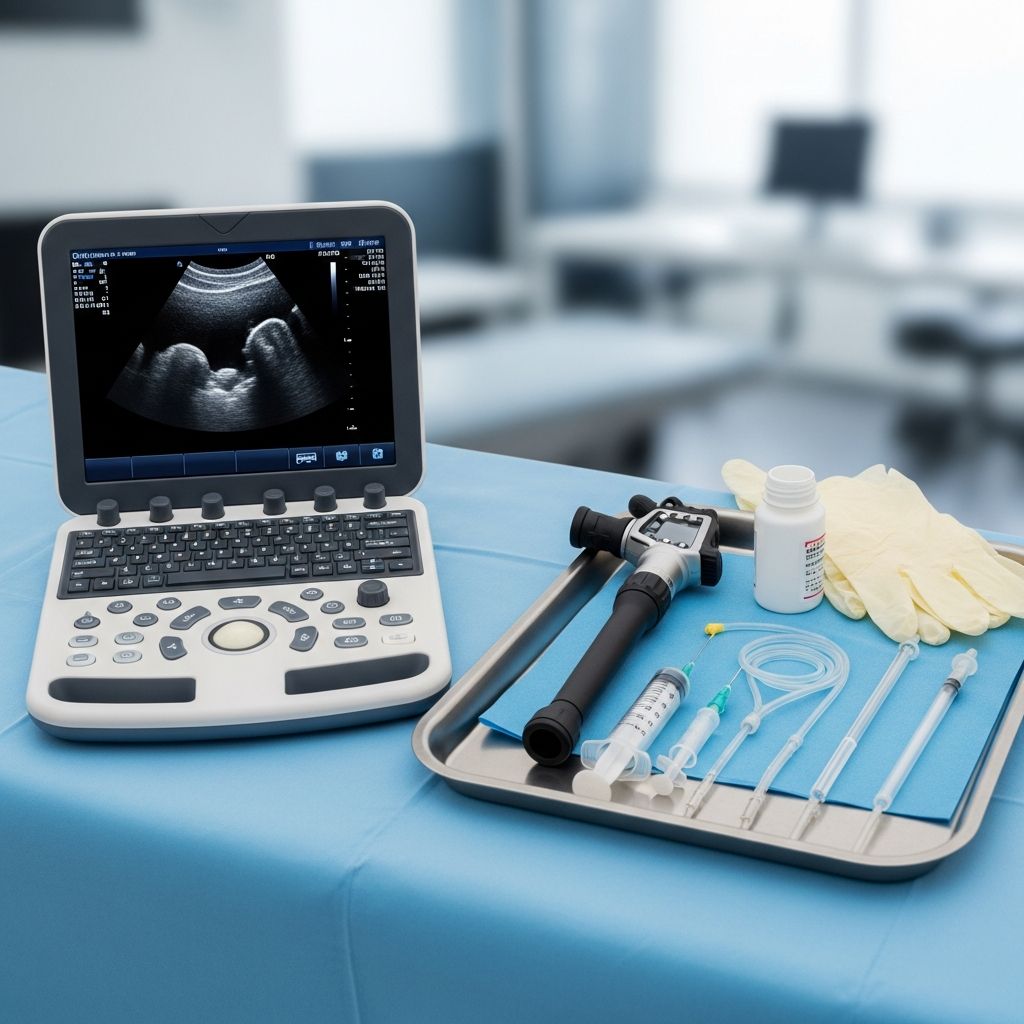
Modern urology offices offer a range of minimally invasive procedures that diagnose and treat urinary tract and male reproductive issues without hospital stays. These outpatient interventions prioritize patient comfort, rapid recovery, and precise outcomes using advanced tools like scopes and lasers.
Why Choose In-Office Urology Care?
In-office procedures reduce risks associated with general anesthesia and hospitalization, allowing patients to return to daily activities swiftly. They address common conditions such as urinary infections, prostate enlargement, kidney stones, and fertility concerns. Urologists perform these under local anesthesia, often completing them in under 30 minutes.
Benefits include lower costs, minimal downtime, and immediate results for diagnostics. For instance, imaging and scoping provide real-time visuals of the bladder and urethra, guiding accurate treatment plans.
Diagnostic Tools in Urology Offices
Diagnosis forms the foundation of effective urology care. Offices equip basic yet powerful tools for initial assessments.
- Bladder Scans: Non-invasive ultrasound checks post-void residual urine, identifying retention issues common in prostate conditions.
- Urine Analysis: Dipsticks offer instant chemical insights, while lab cultures detect infections precisely.
- Digital Rectal Exams: Quick palpation evaluates prostate size and texture for abnormalities.
Cystoscopy: Inside the Urinary Tract
Cystoscopy ranks as the most frequent office procedure, using a thin, lighted tube (cystoscope) inserted via the urethra to inspect the bladder lining. Numbing gel ensures comfort, and the process lasts about 60 seconds.
It diagnoses bladder tumors, stones, strictures, and prostate enlargement effects. Flexible scopes enhance tolerability, with cameras streaming high-definition images to monitors. Patients may feel mild pressure but rarely pain.
| Aspect | Details |
|---|---|
| Preparation | Antibiotic prophylaxis, hydration pause optional |
| Duration | 1-5 minutes |
| Recovery | Immediate return to activities, pink urine possible for 24 hours |
| Risks | Rare infection or bleeding (<1%) |
Treating Male Sterilization Needs
Vasectomy and Reversal Options
Vasectomy provides permanent contraception by severing the vas deferens, preventing sperm from mixing with semen. Over 500,000 U.S. men undergo this annually as an outpatient service.
No-scalpel techniques minimize incision size, using local numbing for a 10-30 minute session. Semen analysis confirms success after 12 weeks. Reversals reconnect tubes microsurgically, though success varies by time since original procedure.
- Post-op: Ice packs, scrotal support, semen check at 3 months
- Effectiveness: >99.9% after clearance
- Counseling: Emphasizes permanence, alternatives discussed
Prostate Health Interventions
Benign prostatic hyperplasia (BPH) affects millions, causing frequent urination. Office procedures alleviate symptoms effectively.
Biopsy for Cancer Detection
Transrectal ultrasound-guided prostate biopsy samples tissue amid elevated PSA or abnormal exams. Lasting 10 minutes, it uses local anesthesia with minimal prep.
Samples go to pathology for cancer grading. Fusion biopsies combine MRI for precision in complex cases.
Minimally Invasive BPH Therapies
UroLift implants lift prostate tissue, opening the urethra without tissue removal. Performed in-office, it preserves ejaculation.
Other options like transurethral needle ablation (TUNA) use radiofrequency to shrink obstructing tissue, easing flow.
Related Stories



| Procedure | Target Issue | Key Advantage |
|---|---|---|
| UroLift | BPH | No sexual side effects |
| TUNA | BPH | Quick office recovery |
| TURP/TUIP | Severe BPH | Enduring symptom relief |
TURP trims excess prostate via resectoscope; TUIP incises the neck for milder cases.
Kidney Stone Management
Ureteroscopy and Lithotripsy
Ureteroscopy navigates a flexible scope through the urethra, bladder, and ureter to extract or laser-fragments stones. Ideal for lower tract stones, it often includes stent placement for drainage.
Lithotripsy employs shock waves or lasers to pulverize stones into passable fragments, frequently office-based for smaller calculi.
- Prep: Hydration, pain meds
- Duration: 30-60 minutes
- Follow-up: Stent removal in days
Other Common Interventions
Orchiopexy for Testicular Correction
This fixes undescended testicles by repositioning them into the scrotum and securing with sutures, preventing infertility and cancer risks.
Penile Plication for Curvature
Peyronie’s disease causes penile bending; plication sutures straighten it outpatient-style without implants.
Urethral and Bladder Treatments
Stent placements aid blockages, while bulking injections treat incontinence by enhancing urethral closure.
Patient Preparation and Expectations
Expect history reviews, voiding diaries, and baseline tests like ultrasounds. Local anesthetics dominate; sedation rare.
Post-procedure: Rest, hydration, activity limits. Complications like infection are low (<2%), managed with antibiotics.
FAQs on Office Urology Procedures
Is cystoscopy painful?
Most feel only mild discomfort due to numbing gel; flexible scopes improve tolerance.
How long after vasectomy can I resume sex?
Wait 7 days, confirm azoospermia via semen test.
What if I have kidney stones?
Ureteroscopy removes most efficiently; lithotripsy for larger ones.
Does UroLift cure BPH forever?
It provides lasting relief for many, avoiding medications.
Need a ride after prostate biopsy?
No, but avoid strenuous activity for 24-48 hours.
Advancing Urology Care
Innovations like laser tech and robotics expand office capabilities, emphasizing personalized, efficient care. Consult urologists for tailored plans.
References
- 10 Common Urology Procedures — Alliance Urology. 2024. https://allianceurology.com/common-urology-procedures/
- In Office Procedures — Coastal Urology. 2024. https://coastalurology.net/in-office-procedures/
- A Guide To Urology Procedures — Urology Specialists. 2024. https://urologyspecialist.com.au/guide-urology-procedures/
- Urology Tests and Procedures — Mayo Clinic. 2024-10-31. https://www.mayoclinic.org/departments-centers/urology/sections/tests-procedures/orc-20336022
- Common Urologic Conditions Video Transcript — Weill Cornell Medicine (YouTube). 2024. https://www.youtube.com/watch?v=rTW25OO7qOY
- Office-Based Urologic Procedures — They Factor. 2024. https://theyfactor.com/treatments/office-procedures
- Procedures — UNC School of Medicine Urology. 2024. https://www.med.unc.edu/urology/patientcare/procedures/
Similar Articles








Read full bio of medha deb