Ofloxacin Eye Drops: Complete Guide To Safe, Effective Use
Effective antibacterial eye drops for treating bacterial infections like conjunctivitis in adults and children over 1 year.
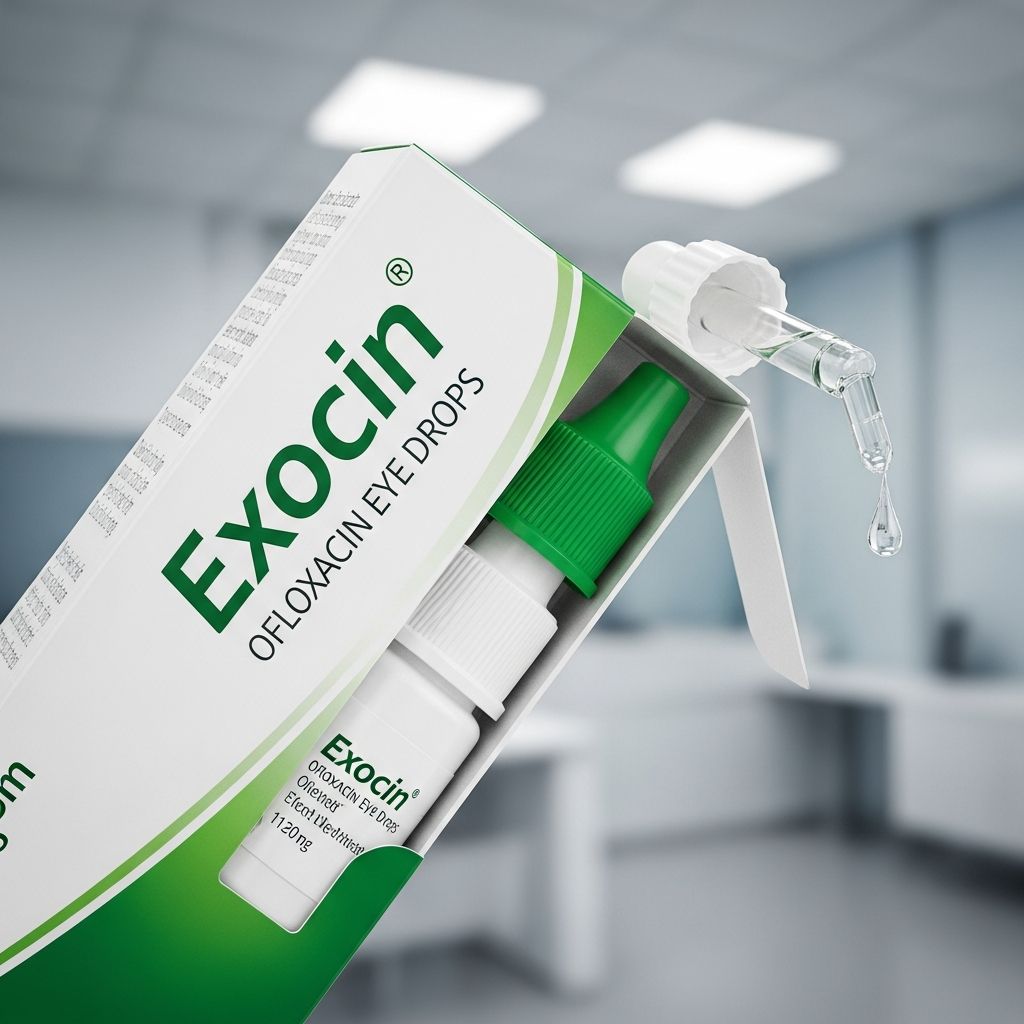
Ofloxacin eye drops, also known as
Exocin
, are a type ofantibacterial eye drops
specifically formulated to combat bacterial infections in the eyes. These drops are commonly prescribed for conditions such asconjunctivitis
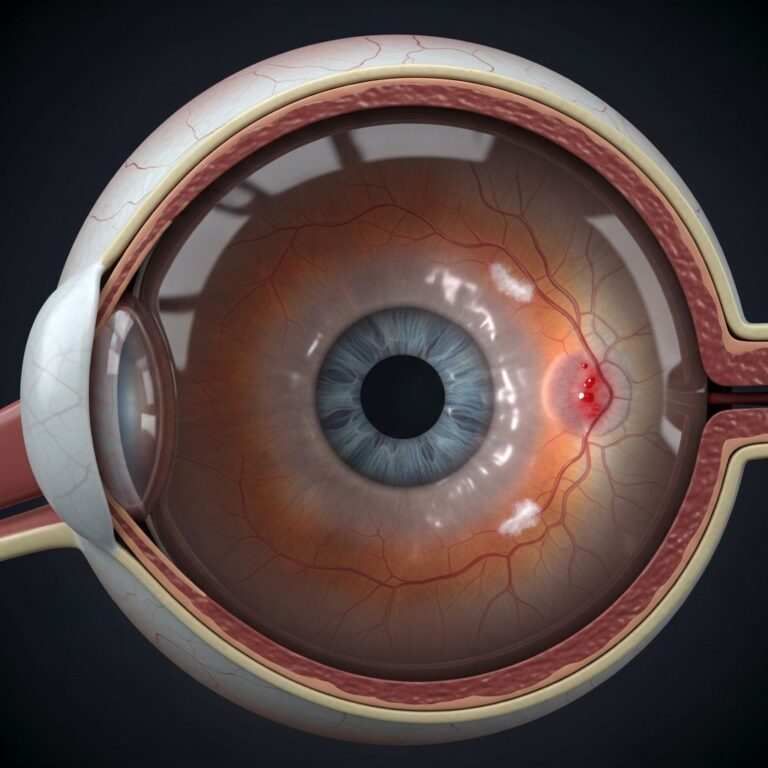
(commonly called pink eye) and other external eye infections. By targeting and killing the bacteria responsible for the infection, ofloxacin helps alleviate symptoms like redness, itching, grittiness, and discharge.About ofloxacin eye drops
| Type of medicine | Antibacterial eye drops |
|---|---|
| Used for | Eye infections in adults and children aged 1 year and over |
| Also called | Exocin® |
| Available as | Eye drops |
Ofloxacin belongs to a group of medications called
4-quinolone antibacterial agents
, which work by inhibiting bacterial DNA replication, effectively stopping the growth and spread of infection-causing bacteria. Eye infections, particularly bacterial conjunctivitis, cause inflammation of the conjunctiva—the thin membrane covering the white part of the eye and inner eyelids. Symptoms include a gritty sensation, excessive watering, redness, swollen eyelids, and sticky discharge that may cause eyelids to stick together upon waking. While many cases resolve without treatment within a week, severe or persistent infections require antibiotic intervention like ofloxacin drops.These drops are particularly useful for
bacterial corneal ulcers
as well, where intensive dosing is needed to prevent complications like vision loss. Unlike viral or allergic conjunctivitis, bacterial forms respond well to topical antibiotics, making ofloxacin a first-line option.Before using ofloxacin eye drops
Before starting treatment with ofloxacin eye drops, consult your doctor to ensure it’s suitable for your condition. Certain factors may influence its safety or efficacy:
- Pregnancy or breastfeeding: Inform your doctor if you are pregnant, planning pregnancy, or breastfeeding, as safety data may be limited.
- Allergies: Disclose any history of allergic reactions to antibiotics, especially quinolones, or other eye drops. Allergic responses can include rash, hives, itching, swelling, or breathing difficulties—stop use immediately if these occur.
- Heart conditions: Caution is advised if you have a heart rhythm disorder (prolonged QT interval), low potassium/magnesium levels, slow heart rate (bradycardia), heart failure, or history of heart attack. Ofloxacin may exacerbate these due to potential ECG changes.
- Other medications: List all prescription, over-the-counter, herbal, or complementary medicines you’re using, as interactions could occur.
- Age restrictions: Not recommended for infants under 1 year; dosage for this group must be doctor-determined.
Additionally, avoid contact lenses during treatment, resuming only 24 hours after the last dose.
How to use ofloxacin eye drops
Follow your doctor’s instructions precisely for optimal results. Proper technique minimizes contamination and ensures the medication reaches the infected area effectively.
- Wash hands thoroughly with soap and water before handling the bottle.
- Tilt head back slightly and use your index finger to gently pull down the lower eyelid, creating a small pocket.
- Hold the bottle upside down directly above the eye without touching the tip to any surface, including the eye, eyelids, or fingers, to prevent contamination.
- Squeeze gently to release
1 drop
(or 1-2 drops as prescribed) into the pocket formed by the lower eyelid. - Close the eye gently without blinking or squeezing, and press lightly on the inner corner of the eye (near the nose) for 1-2 minutes. This prevents drainage into the tear duct and systemic absorption.
- Repeat for the other eye if instructed.
- Replace cap tightly and wipe any excess liquid from the face.
If you miss a drop or suspect improper application, apply another. Blurred vision may occur temporarily post-application—wait until vision clears before driving or operating machinery.
Dosage
Dosage varies by condition severity and patient age. Always adhere to your prescription.
| Condition | Age Group | Dosage Instructions |
|---|---|---|
| Bacterial Conjunctivitis | Adults & Children ≥1 year | 1 drop in affected eye(s) every 2-4 hours while awake for 2 days, then 1 drop 4 times daily for up to 5 more days. |
| Bacterial Corneal Ulcers | Adults & Children ≥1 year | 1 drop every 30 minutes while awake + 1 drop 4-6 hours after bedtime for 2 days. |
| Then 1 drop hourly while awake for up to 7 days, followed by 1 drop 4 times daily until doctor advises stop. | ||
| Infants <1 year | All conditions | Dose determined by doctor. |
Related Stories



For severe infections, initial dosing may be 1-2 drops every 2-4 hours for 2 days, reducing to 4 times daily thereafter. Complete the full course—even if symptoms resolve early—to eradicate all bacteria and prevent recurrence. Treatment typically lasts 7-10 days maximum.
Getting the most out of your treatment
- Complete the course: Continue for 48 hours after symptoms disappear to ensure full bacterial clearance.
- Prevent spread: Wash hands frequently, avoid sharing towels/pillows, and don’t touch unaffected eyes.
- **No contact lenses:** Discontinue until 24 hours post-treatment.
- Monitor progress: Improvement expected within days; if not, or if worsening, contact your doctor promptly.
- Storage: Keep at room temperature, tightly capped, away from children.
Sunglasses may help if eyes become light-sensitive.
Side effects
Most users tolerate ofloxacin well, but side effects can occur. Common ones are mild and transient:
- Eye burning, stinging, or discomfort upon application
- Redness, itching, or swelling around the eyes
- Temporary blurred vision
- Photophobia (light sensitivity)
- Lid crusting or soreness (more common with frequent/prolonged use)
Serious side effects (rare): Seek immediate medical help for rash, hives, swelling (face/throat/eyes), breathing issues, severe pain, or vision changes.
Report persistent or bothersome effects to your doctor.
How to store ofloxacin eye drops
Store at room temperature (below 25°C), away from heat, moisture, and direct light. Do not freeze. Discard 4 weeks after opening or per expiry date. Keep out of children’s reach.
Date of issue
This information is current as of general medical guidelines; always check product leaflet for updates.
Further reading & FAQs
Frequently Asked Questions
Can I drive after using ofloxacin eye drops?
Temporary blurring may occur; wait until vision clears before driving or using machinery.
How long until symptoms improve?
Most see improvement in 2-3 days; full course required. Consult doctor if no change in 7 days.
Is it safe for children?
Yes, for ages 1+; under 1 year, doctor determines.
Can I wear contact lenses?
No, during treatment; resume 24 hours after last dose.
What if I miss a dose?
Apply as soon as remembered; don’t double up.
References
- Ofloxacin (ophthalmic route) — Mayo Clinic. 2023-10-01. https://www.mayoclinic.org/drugs-supplements/ofloxacin-ophthalmic-route/description/drg-20065155
- Ofloxacin eye drops – Patient.info — Patient.info. 2024-05-15. https://patient.info/medicine/ofloxacin-eye-drops-exocin
- EXOCIN® 3 mg/ml Eye Drops, Solution — Medicines.org.uk (emc). 2023-11-20. https://www.medicines.org.uk/emc/product/1353/pil
- Ofloxacin Ophthalmic: MedlinePlus Drug Information — MedlinePlus (NIH). 2024-02-10. https://medlineplus.gov/druginfo/meds/a602029.html
- Ofloxacin (Ocuflox) ophthalmic – Uses, Side Effects — WebMD. 2024-01-05. https://www.webmd.com/drugs/2/drug-75044/ofloxacin-ophthalmic-eye/details
Similar Articles








Read full bio of Sneha Tete