Ofloxacin Tablets: Uses, Dosage, Side Effects & Precautions
Comprehensive guide to ofloxacin tablets: uses, dosage, side effects, and precautions for treating bacterial infections effectively.
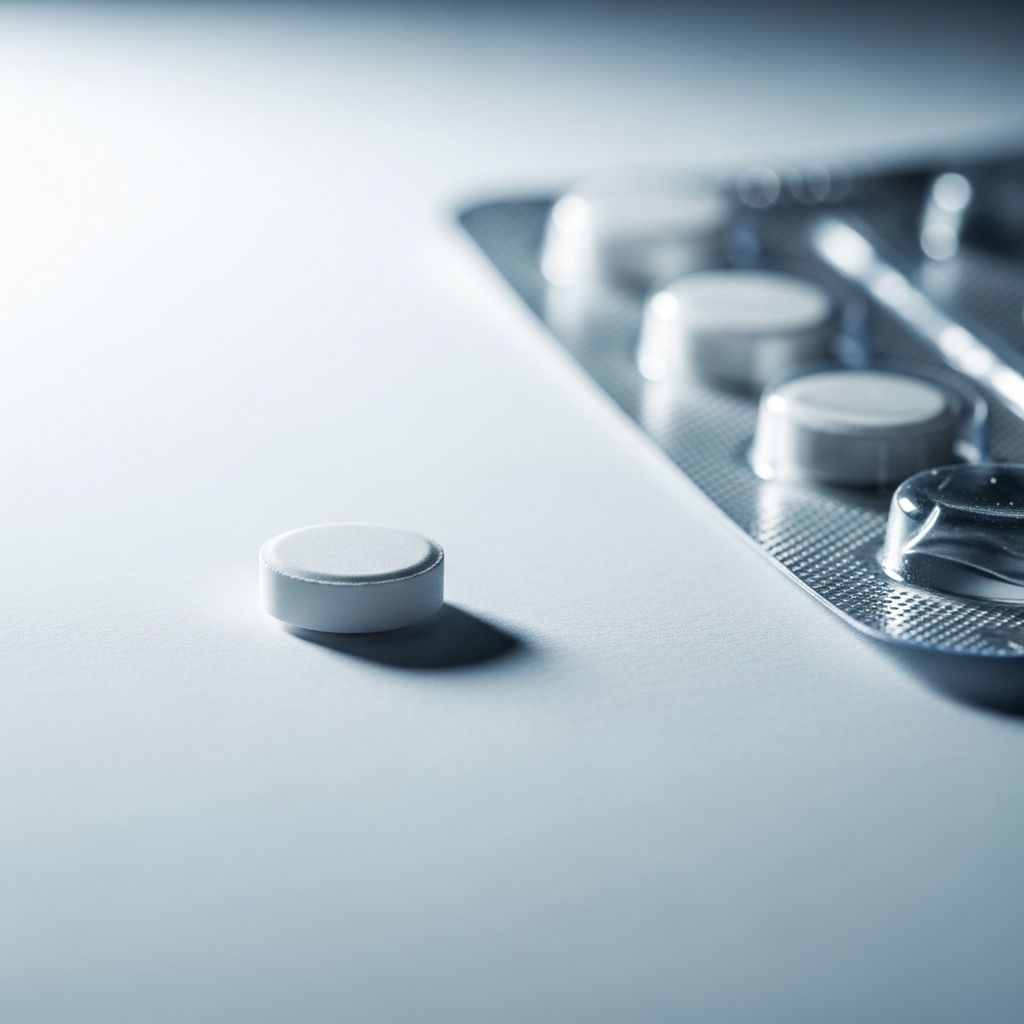
Ofloxacin is a synthetic fluoroquinolone antibiotic with a broad spectrum of activity against many gram-positive and gram-negative bacteria. It is primarily used to treat a variety of bacterial infections, including those affecting the urinary tract, respiratory system, skin, and genital organs. Approved by the FDA in 1990, ofloxacin works by inhibiting bacterial DNA gyrase and topoisomerase IV, enzymes essential for DNA replication and repair, leading to bactericidal effects. This medication is available as oral tablets and is typically reserved for infections unresponsive to other antibiotics due to its potent action and potential side effects.
About ofloxacin tablets
Ofloxacin belongs to the fluoroquinolone class of antibiotics, which are known for their excellent oral bioavailability and tissue penetration. Unlike some earlier antibiotics, ofloxacin achieves high concentrations in intracellular spaces, making it effective against pathogens that reside inside cells. It is indicated for adults and, in otic form, for pediatric patients over six months for specific ear infections. The tablets are taken orally, with or without food, and dosing is adjusted based on the infection’s severity and location. Common brand names include Floxin in the US, though generics are widely available.
Healthcare providers prescribe ofloxacin when first-line treatments fail, as it offers advantages like a longer half-life (about 6-8 hours) compared to similar drugs like ciprofloxacin, allowing less frequent dosing. However, due to risks of serious adverse effects, regulatory bodies like the FDA recommend using it only when no safer alternatives exist.
Before taking ofloxacin tablets
Allergy
Do not take ofloxacin if you have a history of allergic reactions to fluoroquinolones such as ciprofloxacin, levofloxacin, or moxifloxacin. Symptoms of allergy include rash, itching, swelling, severe dizziness, or trouble breathing. Immediate medical attention is required if these occur.
Pregnancy and breastfeeding
Ofloxacin is classified as FDA Pregnancy Category C, meaning animal studies show potential risks, but no adequate human studies exist. It should only be used if benefits outweigh risks. It passes into breast milk and may harm nursing infants, so breastfeeding is not recommended during treatment and for 48 hours after the last dose.
Babies and children
Oral ofloxacin is generally not recommended for children under 18 due to risks of musculoskeletal disorders, including tendon damage and arthropathy observed in animal studies. Topical otic solutions are approved for otitis externa in children six months and older.
Taking other medicines
Ofloxacin interacts with several drugs. Avoid antacids, sucralfate, or supplements containing calcium, magnesium, aluminum, iron, or zinc within 2 hours before or after doses, as they reduce absorption. It may prolong QT interval, so caution with antiarrhythmics like amiodarone or drugs affecting electrolytes. Probenecid increases ofloxacin levels, potentially enhancing toxicity.
Other interactions include warfarin (increased bleeding risk), NSAIDs (enhanced CNS effects), and theophylline (prolonged half-life).
Having tests and procedures
Ofloxacin can cause false-positive urine glucose tests with copper-reduction methods. It may interfere with porphyrin metabolism tests. Inform your doctor if undergoing MRI or CT scans, as it could affect results in rare cases.
Related Stories



How and when to take ofloxacin tablets
Dosage
The dosage varies by infection type and severity. Typical adult doses range from 200 mg to 400 mg every 12 hours, for 3 to 14 days. For prostatitis, treatment may extend to 6 weeks. Gonorrhea often requires a single 400 mg dose.
| Infection Type | Recommended Dose | Duration |
|---|---|---|
| Simple cystitis | 200-400 mg once daily | 3 days |
| Complicated UTI | 400 mg once daily (up to 400 mg twice daily) | 7-10 days |
| Chest infections (e.g., pneumonia) | 400 mg once or twice daily | 7-14 days |
| Gonorrhea | 400 mg single dose | 1 dose |
| Skin/soft tissue infections | 400 mg twice daily | 7-10 days |
Doses are adjusted for renal impairment (creatinine clearance <20 mL/min: reduce by 50%). Children: use only as directed for otic use.
How to take it
Swallow tablets whole with water, with or without food. Maintain even spacing (every 12 hours) for twice-daily regimens. Drink plenty of fluids to prevent crystalluria. Complete the full course even if symptoms improve to avoid resistance.
Common questions about ofloxacin tablets
How long does it take to work?
Symptoms often improve within 2-3 days, but continue the full course. If no improvement in 48-72 hours, contact your doctor.
Can I take paracetamol or ibuprofen with it?
Yes, but NSAIDs like ibuprofen may increase seizure risk. Paracetamol is generally safe.
Can I drink alcohol while taking it?
Avoid excessive alcohol, as it may worsen side effects like dizziness or tendon issues. Moderate use is usually okay.
Is it safe to drive?
Ofloxacin may cause dizziness, drowsiness, or vision changes. Do not drive until you know its effects on you.
Can I take it if pregnant or breastfeeding?
Use only if necessary; consult your doctor.
Side-effects
Most side effects are mild and resolve after treatment. Common ones (>1%): nausea, diarrhea, headache, dizziness, insomnia, abdominal pain.
Serious side effects
Seek immediate help for:
- Tendon pain/swelling (especially Achilles), risk higher in elderly or steroid users.
- Nerve damage: pain, burning, tingling, numbness.
- Mental health changes: confusion, hallucinations, depression, suicidal thoughts.
- Heart rhythm changes (QT prolongation): fast heartbeat, fainting.
- Severe diarrhea (C. difficile associated).
- Hypersensitivity: rash, swelling, anaphylaxis.
- Aortic aneurysm/dissection risk in predisposed patients.
Report any new symptoms to your doctor. Long-term use increases risks of peripheral neuropathy and musculoskeletal disorders.
How to cope with side effects of ofloxacin tablets
- Nausea: Take with food; eat smaller meals.
- Diarrhea: Stay hydrated; use probiotics if approved.
- Dizziness: Sit/lie down; avoid sudden movements.
- Tendon pain: Stop use and seek medical help immediately.
- Insomnia: Avoid caffeine; maintain sleep hygiene.
Pregnancy and breastfeeding while taking ofloxacin tablets
Avoid unless essential. It may cause arthropathy in fetal cartilage. Not recommended during breastfeeding.
Other medicines, food and drink – other information
Avoid dairy, antacids near doses. Limit caffeine, as ofloxacin slows its metabolism. Multivitamins with minerals should be spaced out.
Frequently asked questions (FAQs)
Who can and cannot take ofloxacin tablets?
Adults with bacterial infections; not for children orally, pregnant/breastfeeding women without advice, or those with myasthenia gravis.
What is ofloxacin used for?
Treats UTIs, pneumonia, skin infections, prostatitis, gonorrhea, and more.
Does ofloxacin treat viral infections?
No, only bacterial. Ineffective against colds, flu, or viruses.
What if I forget a dose?
Take as soon as remembered unless near next dose. Do not double up.
Can ofloxacin cause yeast infections?
Yes, broad-spectrum antibiotics disrupt flora, leading to candidiasis.
Analgesics
If pain accompanies infection, paracetamol is preferred. Avoid long-term NSAIDs due to interaction risks.
Further reading and references
For more on antibiotics, see NHS guidelines on antibiotic resistance.
References
- Ofloxacin – StatPearls — Pramod Shah, Muhammad Alam, Anis Hariz. 2023-08-14. https://www.ncbi.nlm.nih.gov/books/NBK549837/
- Ofloxacin 400mg Tablets PIL — Medicines.org.uk. 2023. https://www.medicines.org.uk/emc/files/pil.8481.pdf
- Ofloxacin — MedlinePlus, U.S. National Library of Medicine. 2024-05-15. https://medlineplus.gov/druginfo/meds/a691005.html
- Ofloxacin (oral route) — Mayo Clinic. 2024-01-01. https://www.mayoclinic.org/drugs-supplements/ofloxacin-oral-route/description/drg-20072196
- Ofloxacin: Uses, Interactions, Mechanism of Action — DrugBank Online. 2024. https://go.drugbank.com/drugs/DB01165
Similar Articles








Read full bio of Sneha Tete