Oil Pulling: Benefits, Risks, and How to Do It
Discover oil pulling's potential for oral health, from ancient Ayurvedic roots to modern evidence on benefits, risks, and proper techniques.
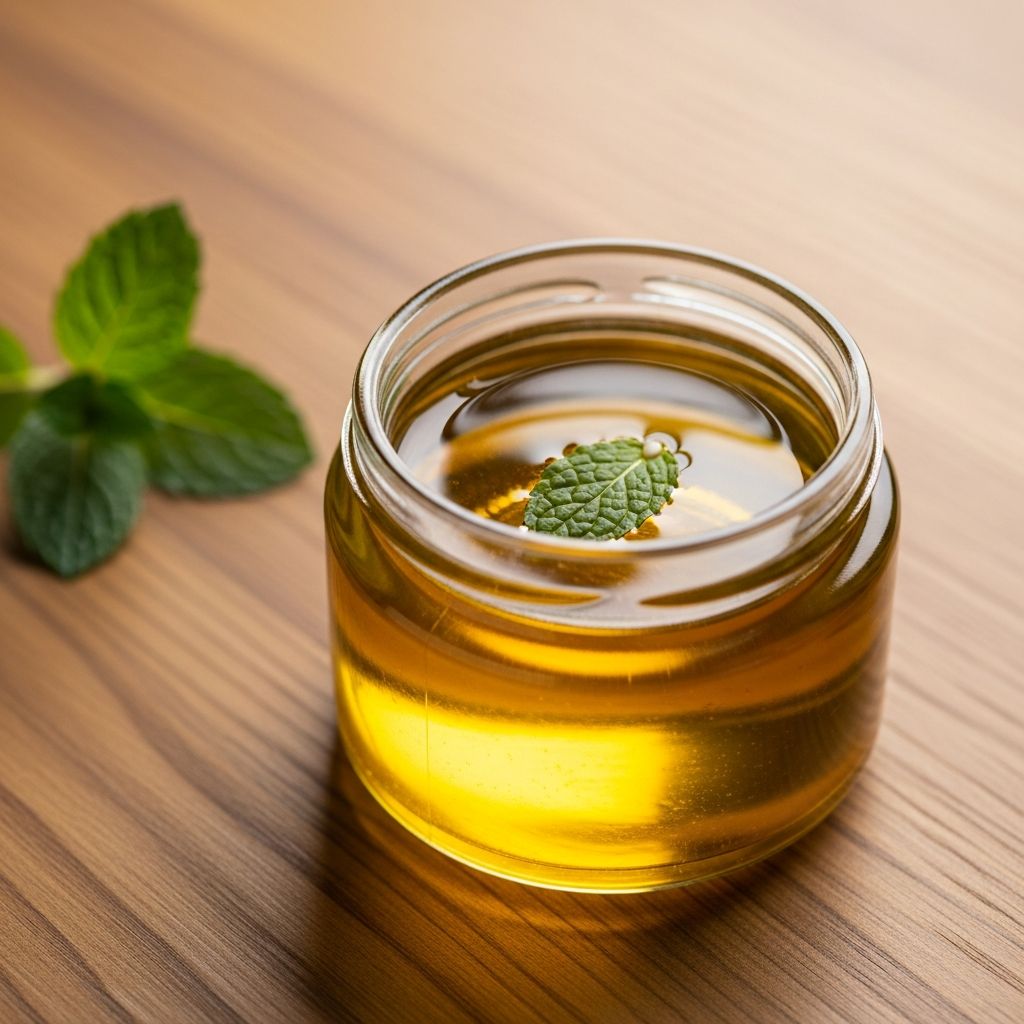
Oil pulling, an ancient Ayurvedic practice, involves swishing edible oil in the mouth to potentially improve oral health by reducing bacteria, plaque, and gingivitis. Rooted in traditional Indian medicine, it uses oils like sesame, sunflower, or coconut for 10-20 minutes daily, with emerging research supporting some benefits as an adjunct to brushing and flossing, though not a replacement.
What Is Oil Pulling?
Oil pulling, or ‘kavala’ or ‘gandusha’ in Ayurveda, dates back over 3,000 years and entails vigorously swishing one tablespoon of oil around the mouth on an empty stomach, typically in the morning. The oil mixes with saliva, turning milky, and is spat out, purportedly drawing out toxins and harmful bacteria. Traditional texts claim it addresses 30 systemic issues like headaches and diabetes, but modern focus is on oral benefits.
Unlike mouthwashes, oil pulling relies on mechanical action and oil properties without chemicals. It’s simple, cost-effective (oils cost $1-2 per liter), and accessible, especially in underserved areas lacking commercial dental products.
How to Do Oil Pulling
Follow these steps for safe practice:
- Choose an edible oil: sesame (traditional), coconut (antifungal lauric acid), sunflower, or olive.
- Use 1 tablespoon (10-15 ml) on an empty stomach, ideally morning.
- Swish gently between teeth for 15-20 minutes without swallowing; oil thins and whitens.
- Spit into trash (not sink, to avoid clogs if solidifying).
- Rinse mouth with warm water or brush teeth afterward.
Start with 1-2 minutes if 20 feels challenging, building tolerance. Avoid if you have loose teeth or jaw issues.
Oil Pulling Benefits
Research indicates oil pulling may reduce oral bacteria like Streptococcus mutans, linked to cavities, and lower plaque/gingivitis scores. A review notes it modifies caries risk from high to moderate. Coconut oil shows antifungal effects against candida.
Potential benefits include:
- Bacteria reduction: Comparable to chlorhexidine in some small studies, though chlorhexidine is superior.
- Plaque and gingivitis control: Adjunct to brushing lowers scores.
- Teeth whitening: Anecdotal; limited evidence.
- Bad breath: May improve via bacteria reduction.
- Systemic perks: Traditional claims unproven; oral health links to heart disease, diabetes.
Table 1 compares oil pulling to chlorhexidine:
| Aspect | Oil Pulling | Chlorhexidine Mouthwash |
|---|---|---|
| Bacteria Reduction | Moderate (e.g., S. mutans) | Superior, sustained |
| Plaque/Gingivitis | Reduces scores | Highly effective |
| Side Effects | Staining, taste alteration | |
| Cost | Very low | Higher |
| Accessibility | Household oils | Pharmacy purchase |
Data adapted from studies; oil pulling suits adjunct use.
Does Oil Pulling Work? What the Research Says
Peer-reviewed evidence is promising but limited by small samples, lack of blinding, and short durations. A NIH review (2017) affirms reduced bacterial counts, plaque, and caries susceptibility with sesame/sunflower/coconut oils. One study found coconut oil as effective as chlorhexidine for S. mutans after 10 minutes.
However, the ADA cautions insufficient proof for replacing standard hygiene (fluoride brushing, flossing). Studies show no cavity reduction or whitening confirmation; confounders exist. Recent (post-2024) data echoes: benefits adjunctive, not standalone. Larger RCTs needed.
Related Stories



Best Oils for Oil Pulling
- Coconut oil: Lauric acid kills bacteria/fungi; popular, solid at room temp.
- Sesame oil: Traditional; antioxidants aid detoxification.
- Sunflower oil: Effective in studies; neutral taste.
- Sesame/others: Avoid if allergies.
Coconut leads modern preference for antimicrobial properties.
Oil Pulling Side Effects and Risks
Generally safe, but risks include:
- Aspiration/lipoid pneumonia: Rare from inhaling oil; case reports.
- Upset stomach/diarrhea: If swallowed.
- Jaw fatigue: From prolonged swishing.
- Clogged drains: Solid oils.
No allergies common; avoid swallowing toxin-laden oil. Not for children under 5 or those with swallowing issues.
What Do Dentists Say About Oil Pulling?
Dentists view it positively as adjunct but stress evidence gaps. ADA: Stick to proven methods; oil pulling lacks rigorous support. Holistic dentists endorse for natural hygiene. Experts recommend 10-15 minutes daily alongside brushing/flossing. Consult dentist for personalized advice.
Oil Pulling vs. Mouthwash
Oil pulling: Natural, no chemicals, mechanical; mouthwash (e.g., Listerine, chlorhexidine): Proven antimicrobials, post-brushing.
| Factor | Oil Pulling | Mouthwash |
|---|---|---|
| Action Time | 15-20 min pre-brush | 30-60 sec post-brush |
| Efficacy | Moderate bacteria/plaque | High, clinically proven |
| Ingredients | Edible oils | Chemicals/antiseptics |
| Best For | Adjunct, natural routine | Primary antimicrobial |
Combine for optimal results.
Frequently Asked Questions (FAQs)
Is oil pulling legit?
Some evidence supports bacteria/plaque reduction; not a cure-all or replacement for brushing.
How long should you oil pull?
15-20 minutes ideally; start shorter.
Can oil pulling whiten teeth?
Anecdotal; no strong studies confirm.
Is coconut oil best for oil pulling?
Yes, due to lauric acid; sesame traditional.
Can you oil pull every day?
Yes, safely as adjunct.
Does oil pulling detox the body?
Oral focus; systemic claims unproven.
Oil pulling before or after brushing?
Before, on empty stomach.
(Word count: 1728, excluding metadata/HTML tags)
References
- Oil pulling and importance of traditional medicine in oral health — Naseem S, et al. National Library of Medicine (NIH). 2017-10-25. https://pmc.ncbi.nlm.nih.gov/articles/PMC5654187/
- The Practice of Oil Pulling — Foote Family Dental Care. Accessed 2026. https://www.footefamilydentalcare.com/blog/practice-oil-pulling/
- Oil Pulling for Dental Health: How it Works & How to Do It — Rejuv Health. Accessed 2026. https://www.rejuv-health.com/biological-dentistry/oil-pulling/
- Oil Pulling for Teeth and How It Works — Listerine. Accessed 2026. https://www.listerine.com/cavities-strong-teeth/oil-pulling-for-teeth
Similar Articles








Read full bio of Sneha Tete