Oily Skin: Causes, Treatments, Prevention
Discover effective strategies to manage oily skin, from daily routines and home remedies to advanced clinical treatments for lasting control.
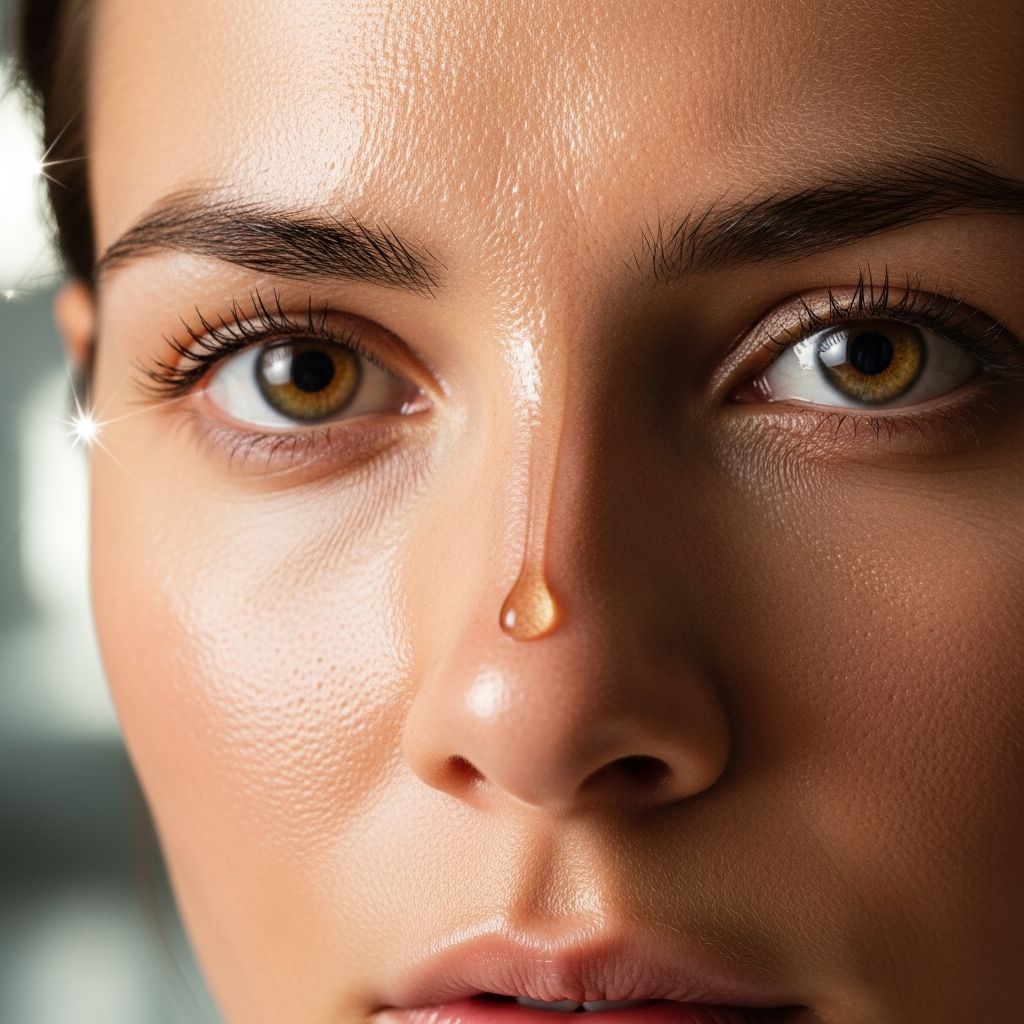
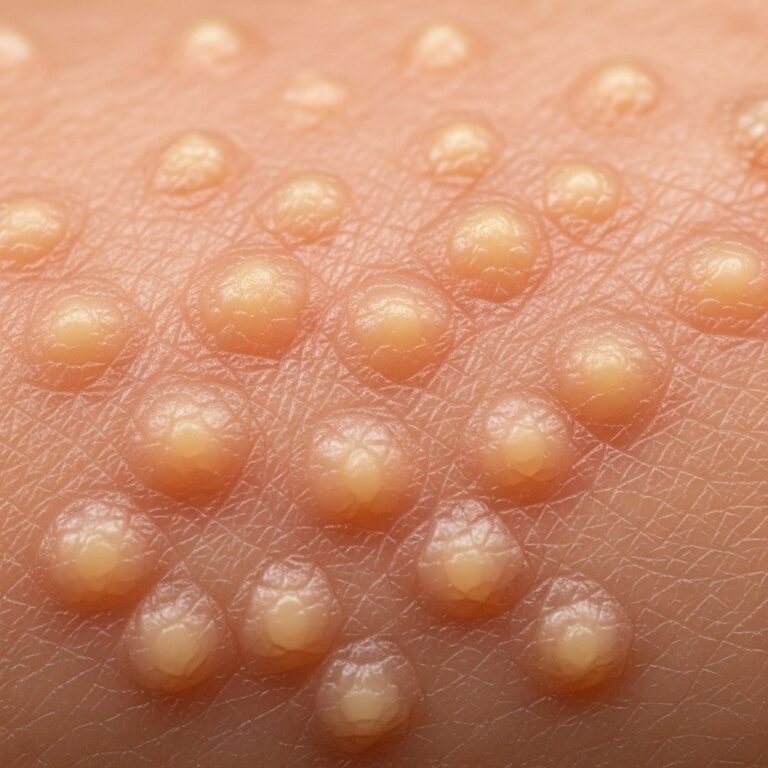
Oily skin occurs when sebaceous glands produce excess sebum, leading to a greasy appearance, enlarged pores, and increased acne risk. Effective management involves targeted skincare, lifestyle adjustments, and professional interventions to balance oil production while maintaining skin health.
What Causes Oily Skin?
Oily skin results from overactive sebaceous glands that secrete too much sebum, the skin’s natural oil that protects and lubricates. While sebum is essential for skin barrier function and innate immunity, excess production causes shine and clogged pores.
Several factors contribute to this condition:
- Genetics: Hereditary traits determine sebaceous gland size and activity, making some individuals prone to oiliness regardless of external factors.
- Hormones: Androgens like testosterone stimulate sebocyte proliferation, increasing sebum output. This explains prevalence during puberty, menstrual cycles, or conditions like polycystic ovary syndrome (PCOS).
- Age: Oil production peaks in adolescence but can persist or fluctuate with age.
- Environment: Heat, humidity, and pollution exacerbate oiliness by prompting compensatory sebum release.
- Diet and Lifestyle: High-glycemic foods and dairy may trigger inflammation and sebum overproduction via insulin-like growth factor pathways.
- Skincare Habits: Over-washing or harsh products strip oils, causing glands to rebound with more production.
Enlarged pores often accompany oily skin due to stretched openings from excess oil and debris, though pores cannot truly shrink.
Signs and Symptoms of Oily Skin
Recognizing oily skin is straightforward:
- Persistent shine, especially in the T-zone (forehead, nose, chin).
- Greasy feel within hours of cleansing.
- Enlarged, visible pores.
- Frequent makeup slippage or need for blotting papers.
- Propensity for blackheads, whiteheads, and inflammatory acne.
Without management, excess sebum clogs follicles, fostering Propionibacterium acnes bacteria growth and inflammation.
How to Get Rid of Oily Skin: Skincare Routine
A consistent, gentle routine controls oil without stripping the skin. Focus on non-comedogenic, oil-free products labeled for oily or acne-prone skin.
Morning Routine
- Cleanse: Use a gentle, pH-balanced, foaming or gel cleanser with salicylic acid (BHA) to dissolve oil and unclog pores. Wash for 30-60 seconds with lukewarm water.
- Tone: Apply an alcohol-free toner with witch hazel or niacinamide to minimize pores and balance pH.
- Treat: Use a lightweight serum with niacinamide (4-5%) to regulate sebum or retinoids for cell turnover.
- Moisturize: Opt for oil-free, mattifying gel moisturizers with hyaluronic acid to hydrate without grease.
- Protect: Apply broad-spectrum SPF 30+ mineral sunscreen (zinc oxide-based) to prevent oil-induced breakouts.
Evening Routine
- Double Cleanse: Start with an oil-based cleanser to remove sunscreen/makeup, follow with foaming cleanser.
- Exfoliate (2-3x/week): Use chemical exfoliants like 2% salicylic acid to remove dead cells and excess oil.
- Treat: Apply prescription or OTC retinoids (adapalene, tretinoin) to reduce sebum over time.
- Moisturize: Lightweight night cream with ceramides to repair barrier.
Blot midday with oil-absorbing sheets. Exfoliate no more than 2-3 times weekly to avoid irritation.
Best Ingredients for Oily Skin
| Ingredient | Benefits | How to Use |
|---|---|---|
| Salicylic Acid (BHA) | Penetrates pores, exfoliates, reduces oil and acne. | 1-2% in cleansers/serums, 1-2x/day. |
| Niacinamide | Regulates sebum, minimizes pores, anti-inflammatory. | 4-5% serums, AM/PM. |
| Retinoids (Retinol, Adapalene) | Normalizes cell turnover, shrinks sebaceous glands. | PM, start low strength 2-3x/week. |
| Green Tea Extract | Antioxidant, sebum-suppressing polyphenols. | In toners/serums. |
| Clay (Kaolin, Bentonite) | Absorbs excess oil. | Masks 1-2x/week. |
Related Stories



Avoid heavy oils, comedogenic ingredients like coconut oil, and alcohol-based products that dry out skin.
Home Remedies for Oily Skin
Natural options provide gentle oil control:
- Clay Masks: Green clay absorbs oil; mix with water or apple cider vinegar, apply 10-15 min weekly.
- Honey + Lemon: Antibacterial honey with diluted lemon (vitamin C) for brightening; patch test for sensitivity.
- Aloe Vera: Soothes and mattifies; use pure gel as moisturizer.
- Parsley Mask: 4% parsley powder reduces sebum via vitamins/minerals.
- Oatmeal Scrub: Gentle exfoliation to absorb oil.
Evidence is anecdotal; combine with proven actives for best results.
Lifestyle Changes to Reduce Oily Skin
- Diet: Prioritize low-glycemic foods (vegetables, legumes, whole grains); limit dairy and sugars to curb insulin spikes.
- Hydration: Drink 8+ glasses water daily.
- Limit Alcohol: Reduces enlarged glands and pores.
- Stress Management: Cortisol boosts androgens; practice yoga/meditation.
- Exercise: Sweating clears pores, but cleanse post-workout.
Medical Treatments for Oily Skin
For persistent cases, consult a dermatologist:
- Topical Retinoids: Reduce sebaceous gland size; adapalene OTC, tretinoin Rx.
- Oral Medications: Isotretinoin (Accutane) for severe cases; spironolactone or oral contraceptives for hormonal oiliness in women.
- Olumacostat Glasaretil (OG): Inhibits sebum synthesis; phase 2 trials showed acne reduction.
- L-Carnitine: 2% topical decreases fatty acids in sebocytes.
- Botox Injections: Intradermal forehead injections reduced sebum by inhibiting cholinergic activity; 91% satisfaction in studies.
- Laser/Photodynamic Therapy: Targets glands for long-term reduction.
Prevention Tips for Oily Skin
- Stick to consistent routines tailored to oily skin.
- Patch test new products.
- Adjust for seasons: lighter products in summer.
- Monitor diet and hormones.
- Seek professional advice if acne or scarring develops.
Frequently Asked Questions (FAQs)
Can oily skin turn into dry skin?
No, but over-cleansing can cause temporary dehydration, prompting rebound oiliness. Balance with gentle hydration.
Is moisturizer necessary for oily skin?
Yes; skipping it signals glands to produce more oil. Choose oil-free gels.
How long do treatments take to work?
Topicals: 4-8 weeks; orals/procedures: 1-3 months. Consistency is key.
Does diet really affect oily skin?
Yes; low-glycemic diets reduce sebum via lower inflammation.
When to see a dermatologist?
If OTC fails, acne scars, or hormonal signs appear.
References
- Oily Skin: A review of Treatment Options — PMC – NIH. 2017-09-15. https://pmc.ncbi.nlm.nih.gov/articles/PMC5605215/
- 19 ways to reduce oily skin: Clinical treatments & home remedies — Medical News Today. 2023-10-01. https://www.medicalnewstoday.com/articles/how-to-get-rid-of-oily-skin
- What Are the Causes of Oily Skin? — Healthline. 2024-05-12. https://www.healthline.com/health/oily-skin-causes
- Acne Vulgaris — American Academy of Dermatology. 2025-01-10. https://www.aad.org/public/diseases/acne
- Sebaceous Gland Lipogenesis — Journal of Investigative Dermatology (PubMed). 2022-11-20. https://pubmed.ncbi.nlm.nih.gov/36270458/
Similar Articles








Read full bio of medha deb