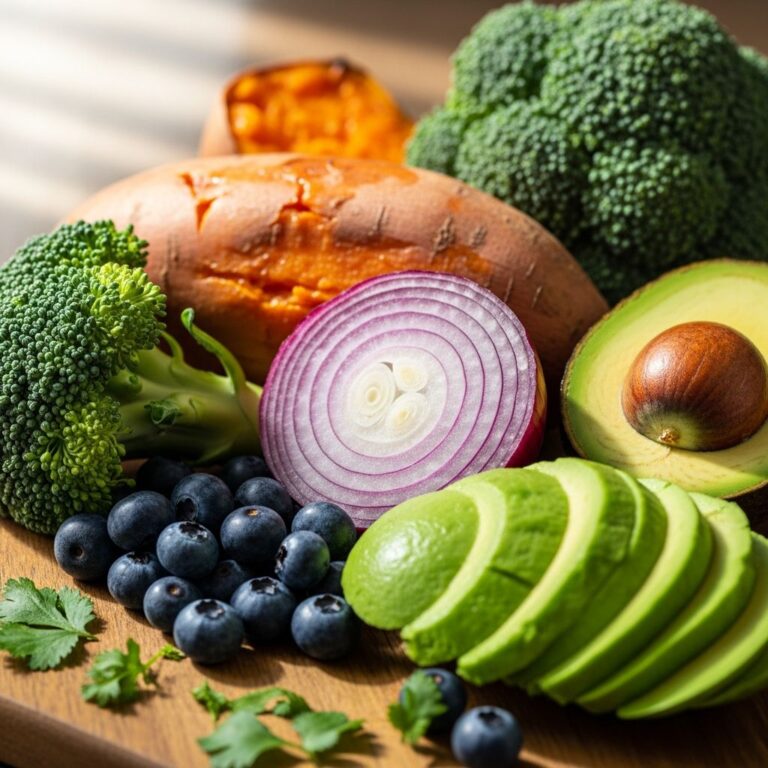
Health Benefits of Okra: Nutrition & Wellness Guide
Discover okra's powerful health benefits: heart health, blood sugar control, and disease prevention.

The Nutritional Powerhouse of Okra
Okra is a nutrient-dense vegetable that deserves a prominent place in your diet. Despite being low in calories, okra is packed with essential vitamins, minerals, and disease-fighting compounds that support overall wellness. This humble green vegetable offers an impressive array of health benefits that make it one of nature’s most underrated nutritional treasures.
One-half cup of cooked okra provides substantial amounts of key nutrients your body needs daily. The vegetable is particularly rich in vitamins and minerals that contribute to various bodily functions, from immune support to bone health.
Essential Nutrients Found in Okra
Okra contains an impressive nutrient profile that makes it valuable for maintaining optimal health. The vegetable is rich in vitamins A and C, both powerful antioxidants that protect your cells from damage. Additionally, okra provides significant amounts of vitamin K, a nutrient essential for blood clotting and bone health.
Beyond these primary vitamins, okra supplies your body with:
- Vitamin B6: Supports brain development and function
- Magnesium: Essential for muscle and nerve function
- Folate: Crucial for cell division and DNA synthesis
- Calcium: Important for bone strength and density
- Fiber: Supports digestive health and satiety
The combination of these nutrients makes okra a comprehensive food choice for people seeking to improve their nutritional intake naturally.
Boost Your Immune System with Okra
The vitamin C content in okra plays a critical role in supporting a healthy immune system. Vitamin C is a water-soluble nutrient that contributes to your overall immune function, helping your body defend against infections and illnesses. One serving of okra provides 26% of your daily vitamin C requirement, making it an efficient way to support your body’s natural defenses.
Regular consumption of vitamin C-rich foods like okra may help reduce the duration and severity of common colds and other seasonal illnesses. This immune-boosting benefit makes okra particularly valuable during times when illness is prevalent.
Heart Health and Cholesterol Management
Heart disease remains the leading cause of death in the United States, making cardiovascular health a critical concern for many people. Okra contains several compounds that may help reduce your risk of heart disease and improve overall cardiovascular function.
One of okra’s most beneficial properties is its mucilage content, a thick gel-like substance that binds with cholesterol during digestion. This binding action allows cholesterol to be excreted from your body rather than absorbed into your bloodstream, potentially helping to lower harmful cholesterol levels.
Additionally, okra is packed with polyphenols, a class of antioxidants that have been extensively studied for their cardiovascular benefits. Research shows that polyphenols decrease your risk of heart problems and stroke by preventing blood clots and reducing free radical damage. A comprehensive study involving over 9,000 participants followed for more than four years found that those who consumed a diet rich in polyphenols had significantly lower inflammatory markers associated with heart disease.
The polyphenol content in okra may also protect your arterial walls and improve blood vessel function, contributing to better overall cardiovascular health.
Blood Sugar Management and Diabetes Prevention
Maintaining healthy blood sugar levels is crucial for preventing type 2 diabetes and managing energy levels throughout the day. Okra has emerged as a potentially valuable tool for blood sugar management thanks to its unique nutritional composition.
Related Stories



Multiple studies have shown that okra may help control blood sugar levels. Researchers believe okra may help prevent sugar from being absorbed during digestion, thereby moderating blood sugar spikes after meals. In laboratory studies, rats given purified okra and liquid sugar had fewer blood sugar spikes compared to control groups.
The fiber content in okra also contributes significantly to blood sugar control. Fiber works by slowing down the absorption of sugar and carbohydrates, providing steadier energy levels throughout the day. One-half cup of cooked okra provides more than 2 grams of fiber—nearly 10% of the daily recommended intake.
While more human research is needed to confirm okra’s blood sugar benefits definitively, the current evidence suggests that incorporating okra into a balanced diet may support better glycemic control, particularly for individuals with prediabetes or type 2 diabetes.
Cancer-Fighting Properties
One of okra’s most intriguing potential benefits is its possible anti-cancer properties. Okra contains several compounds that may help fight cancer at the cellular level.
Okra contains antioxidants called polyphenols, including vitamins A and C, which help your body fight off free radicals that can damage cells and lead to cancer. Additionally, okra contains a protein called lectin, which may inhibit cancer cell growth in humans.
Test-tube studies have shown promising results: concentrated compounds from okra inhibited the growth of breast cancer cells by up to 63%. Another test-tube study using okra extract on metastatic mouse melanoma cells discovered that the extract caused cancer cell death. Research has also shown that the high fiber content in okra may decrease the risk of colorectal cancer, which is the second leading cause of cancer deaths in the United States.
However, it’s important to note that these studies were performed in laboratory conditions using concentrated components of okra. While these results are encouraging, more human research is needed to provide definitive proof of okra’s cancer-blocking properties. Nevertheless, including okra in your diet provides a natural way to consume compounds with potential protective effects.
Brain Health and Cognitive Function
Beyond heart health, the polyphenols in okra may also benefit your brain function. These powerful antioxidants have a unique ability to cross the blood-brain barrier and protect against brain inflammation.
Regular consumption of polyphenol-rich foods like okra may help protect your brain from symptoms of aging and improve cognitive function, learning, and memory. By reducing inflammation in the brain, okra may contribute to better mental clarity, focus, and long-term neurological health.
Digestive Health and Gut Support
Okra’s fiber content, particularly a type of fiber called pectin, offers significant benefits for digestive health. Pectin is a gel-like prebiotic fiber that feeds the good bacteria in your gut, promoting a healthy microbiome.
A happy microbiome results in several digestive benefits, including reduced inflammation, decreased bloating, and improved bowel regularity. For individuals who struggle with constipation, okra can be a natural food remedy that promotes consistent, healthy digestion without relying on supplements or medications.
Bone Strength and Support
While fruits and vegetables aren’t typically known for boosting bone health, okra is a notable exception. The vegetable contains two important nutrients for bone health: calcium and vitamin K.
Okra is an excellent source of calcium, which is fundamental for building and maintaining strong bones throughout life. One-half cup of cooked okra provides about 6% of your daily calcium needs.
Even more importantly, okra is full of vitamin K, a fat-soluble vitamin that many people don’t receive adequate amounts of. Vitamin K is essential for bone growth and maintenance of bone strength. One-half cup of cooked okra provides 27% of the vitamin K you need each day—a remarkable amount for such a small serving.
Prenatal Support and Pregnancy Benefits
Pregnant women require specific nutrients to support healthy fetal development, and okra offers valuable prenatal support. One cup of okra provides 15% of the daily value of folate, a nutrient that is particularly important during pregnancy.
Folate plays a crucial role in reducing the risk of neural tube defects, which can affect the brain and spine of developing fetuses. Including okra in a prenatal diet is an excellent way to naturally increase folate intake and support healthy fetal development.
Antioxidants: Your Cellular Defense System
Antioxidants are natural compounds that help your body fight off molecules called free radicals that can damage cells. Free radicals are most well known for causing oxidative damage, which can eventually lead to serious health conditions including cancer, diabetes, stroke, and heart disease.
Okra contains multiple types of antioxidants, making it a comprehensive choice for cellular protection. The main antioxidants in okra include polyphenols (such as flavonoids and isoquercetin) as well as vitamins A and C. This combination of antioxidants works synergistically to provide comprehensive protection against cellular damage and aging.
How to Prepare and Cook Okra
To maximize the nutritional benefits of okra, preparation method matters. Cooking okra can be simple and versatile:
- Grilling: Grill okra until it’s slightly charred for a delicious side dish
- Steaming: Preserve nutrients by steaming okra lightly
- Roasting: Roast okra with minimal oil for a crispy texture
- Stir-frying: Incorporate okra into Asian-inspired dishes
- Raw: Add fresh okra to salads for maximum nutrient retention
Regardless of your preferred cooking method, okra is a nutritious food with remarkable health benefits. Adding it to your grocery list provides access to powerful health effects in a simple, affordable vegetable.
Frequently Asked Questions About Okra
Q: Is okra safe for everyone to eat?
A: Okra is generally safe for most people and can be included in regular diets. However, individuals with certain health conditions or taking specific medications should consult their healthcare provider, particularly those on blood thinners since okra contains vitamin K.
Q: How much okra should I eat daily?
A: While there’s no strict daily requirement, consuming half to one cup of cooked okra several times per week provides significant nutritional benefits. You can adjust portions based on your dietary preferences and overall caloric intake.
Q: Can okra help with weight loss?
A: Okra is low in calories and high in fiber, making it supportive of weight management goals. The fiber promotes satiety, helping you feel fuller longer, which can reduce overall calorie intake.
Q: Does cooking okra destroy its nutrients?
A: While some heat-sensitive nutrients may diminish slightly with cooking, many of okra’s beneficial compounds remain stable during cooking. Both raw and cooked okra provide significant health benefits.
Q: Is okra water beneficial?
A: While okra water has gained popularity on social media, the health benefits primarily come from okra itself rather than the water it’s soaked in. Eating whole okra provides more concentrated nutrients than okra water alone.
References
- Health Benefits of Okra — WebMD. 2025. https://www.webmd.com/diet/health-benefits-okra
- 7 Nutrition and Health Benefits of Okra — Healthline, reviewed by Kim Rose-Francis RDN, CDCES, LD. 2025-07-02. https://www.healthline.com/nutrition/okra-health-benefits
- 5 Benefits of Eating Okra — Cleveland Clinic Health Essentials. 2025. https://health.clevelandclinic.org/okra-benefits
- Okra (Abelmoschus Esculentus) as a Potential Dietary Medicine with Multifarious Health Benefits — National Center for Biotechnology Information (NCBI). https://pmc.ncbi.nlm.nih.gov/articles/PMC7865958/
Similar Articles








Read full bio of medha deb