Olecranon Bursitis: Causes, Symptoms, Treatment Guide
Understand the causes, symptoms, diagnosis, and effective treatments for olecranon bursitis, also known as student's elbow or Popeye elbow.
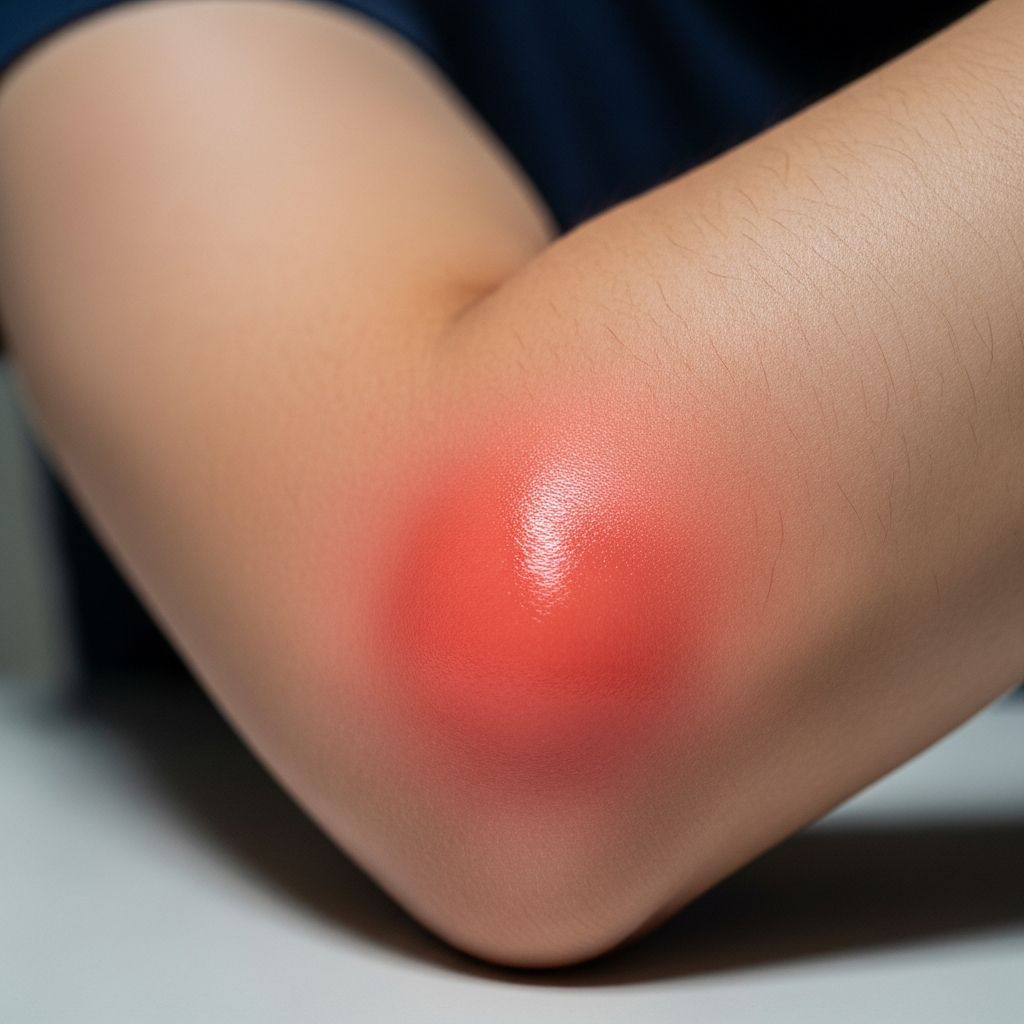
Olecranon bursitis, commonly known as
student’s elbow
orPopeye elbow
, is inflammation of the olecranon bursa, a fluid-filled sac at the tip of the elbow that cushions the bone. This condition leads to noticeable swelling and can result from repeated pressure, direct trauma, infection, or underlying inflammatory diseases. Affecting people of all ages, it often resolves with conservative care but may require antibiotics or surgery in complicated cases.What is olecranon bursitis?
The olecranon bursa is a thin, slippery sac located between the skin and the olecranon process—the bony prominence at the back of the elbow. It reduces friction during movement. When inflamed, it fills with fluid, creating a soft, fluctuant lump often likened to a golf ball or Popeye’s elbow cartoon bulge. Two-thirds of cases are non-septic, stemming from mechanical irritation rather than infection.
This bursa has poor vascularity, making it prone to fluid accumulation from minor injuries but slower to heal infections introduced via skin breaks. Unlike deeper joint issues, olecranon bursitis typically spares elbow motion unless severe.
Why is olecranon bursitis also called student’s elbow?
The nickname
student’s elbow
arises from students or desk workers leaning on their elbows for prolonged periods during studying or writing, causing repetitive microtrauma. Professions like carpet laying or activities involving elbow pressure on hard surfaces also contribute. This chronic friction leads to bleeding or inflammatory mediator release into the bursa, promoting swelling.Symptoms of olecranon bursitis
The hallmark symptom is a
painless or mildly painful swelling
at the elbow’s posterior tip, which may grow to 5-10 cm. Acute cases from trauma or infection cause more tenderness, exacerbated by pressure like leaning on a desk. Other signs include:- Redness, warmth, and erythema in septic cases.
- Fever, malaise, or swollen lymph nodes if infected (fever absent in ~30% of septic bursitis).
- Limited elbow extension or flexion in advanced swelling.
- Fluctuant, egg-shaped lump that’s transilluminable (light passes through fluid-filled sac).
Chronic cases often become less painful over time but recur with ongoing irritation. Differentiate from gout (uric acid crystals), cellulitis (diffuse skin infection), or tumors via history and exam.
Causes of olecranon bursitis
Olecranon bursitis arises from three main categories:
- Traumatic (most common, ~66% non-septic): Repeated leaning (students, writers), sports falls, or direct blows causing hemorrhage and inflammation.
- Inflammatory: Associated with rheumatoid arthritis, gout, psoriasis, or systemic conditions like diabetes, alcoholism, HIV, uremia, or long-term hemodialysis.
- Infectious (septic, ~33%): Bacteria (Staphylococcus aureus, Streptococcus) enter via skin punctures, abrasions, or rarely hematogenously. Poor bursa blood supply favors direct inoculation.
No sex or racial predilection; occurs in children and adults. Mechanical spurs or occupations increase recurrence risk.
Pathophysiology
Any inciting event—trauma, infection, or crystals—triggers reactive inflammation. This causes protein-rich synovial fluid extravasation into the bursa, leading to rapid swelling. In septic cases, pathogens proliferate, producing pus and local/systemic symptoms. Without intervention, it risks cellulitis, abscess, osteomyelitis, or septic arthritis.
Related Stories



When to see a doctor
Seek medical advice if swelling persists >1-2 weeks, worsens, or accompanies:
- Severe pain, redness, warmth, fever >38°C, or red streaking (infection signs).
- Unable to bend/straighten elbow or systemic illness.
- Recurrence despite rest, or history of immunosuppression/gout.
Early evaluation prevents complications like chronic sepsis or fistula formation.
Diagnosis of olecranon bursitis
Diagnosis is clinical: visible fluctuant swelling over olecranon without joint effusion. Key steps include:
- History: Trauma, repetitive pressure, infection risk, systemic diseases.
- Examination: Palpate for fluctuance, tenderness, erythema; test range of motion; check for spurs.
- Aspiration: Needle drainage for fluid analysis—cell count (>2000 WBCs suggests infection), Gram stain, culture, crystals (rule out gout). Transillumination confirms fluid.
- Imaging: Ultrasound detects fluid collections; X-ray for spurs/fractures; MRI if abscess/tumor suspected (rarely needed).
Differentiate from rheumatoid nodules, tumors, or infected sebaceous cysts.
Treatment of olecranon bursitis
Treatment hinges on septic vs. non-septic etiology. Most (~80%) respond conservatively.
Non-septic bursitis
First-line (3-6 weeks):
- Rest: Avoid elbow pressure; use pads.
- Ice 15-20 min 3-4x/day.
- NSAIDs (ibuprofen 400-600mg TDS) for pain/swelling.
- Compression bandage or sling.
If no improvement: Aspiration ± corticosteroid injection (reduces symptoms faster but 10% infection risk). Avoid if infection suspected.
Septic bursitis
Urgent:
- Aspiration for diagnosis/drainage; repeat if needed.
- Empiric antibiotics: Flucloxacillin 500mg QDS or erythromycin 500mg QDS for 7 days (cover Staph/Strep); adjust per culture. No IV superiority; extend if unresolved.
- Hospitalize for severe sepsis, IV antibiotics, or immunocompromised patients.
Surgery (bursectomy/drainage) for recurrence, loculations, or failure.
Surgical options
Reserved for recalcitrant cases:
- Excision of bursa/spur if recurrent.
- Incision/drainage for abscess.
- Success >90%, but risks scarring/fistula.
| Treatment Type | Indications | Duration/Notes |
|---|---|---|
| Conservative | Non-septic, mild | 3-6 weeks; 75% resolve |
| Aspiration ± Steroid | Persistent swelling | 10% infection risk |
| Antibiotics | Septic | 7-14 days oral |
| Bursectomy | Recurrent/failure | Surgical outpatient |
Complications
Possible issues include:
- Septic spread: Cellulitis, osteomyelitis, septic arthritis, sepsis (esp. delayed treatment).
- Iatrogenic: Infection post-aspiration/steroid (up to 10%).
- Chronic: Recurrence (25% post-aspiration), fistulae, persistent pain/reduced function.
- Rare: Fungal in immunocompromised.
Prognosis
Excellent for non-septic (self-limited, full recovery in weeks-months). Septic resolves with aspiration/antibiotics sans surgery in most. Recurrence higher with trauma/spurs (10-25%). Early treatment minimizes complications.
Prevention of olecranon bursitis
Minimize risks:
- Use elbow pads on desks/tables.
- Avoid leaning on elbows >30 min.
- Protect elbows in sports (padding).
- Promptly treat skin breaks near elbow.
- Manage gout/RA with meds.
Olecranon Bursitis FAQs
Can olecranon bursitis go away on its own?
Yes, non-septic cases often resolve in 3-6 weeks with rest, ice, and NSAIDs.
Is olecranon bursitis contagious?
No, unless septic from skin bacteria; not person-to-person.
How long does swelling last?
1-4 weeks conservatively; longer if septic/recurrent.
Can I exercise with olecranon bursitis?
Avoid elbow pressure; gentle ROM ok after acute phase.
Does popping the swelling help?
No—risks infection; seek professional aspiration.
References
- Olecranon Bursitis – StatPearls — J Pangia et al. National Center for Biotechnology Information (NCBI). 2023-03-13. https://www.ncbi.nlm.nih.gov/books/NBK470291/
- Olecranon Bursitis (Causes, Symptoms, and Treatment) — Patient.info. Undated (accessed 2023). https://patient.info/doctor/orthopaedics/olecranon-bursitis
- Elbow (Olecranon) Bursitis — American Academy of Orthopaedic Surgeons (AAOS). Undated (reviewed 2023). https://orthoinfo.aaos.org/en/diseases–conditions/elbow-olecranon-bursitis/
- Olecranon Bursitis: Symptoms, Causes, Treatment — WebMD. Undated (updated 2023). https://www.webmd.com/arthritis/olecranon-bursitis
- Elbow (Olecranon) Bursitis: Symptoms, Causes & Treatment — Cleveland Clinic. 2023-08-01. https://my.clevelandclinic.org/health/diseases/22553-elbow-olecranon-bursitis
- Bursitis — NHS UK. Undated (reviewed 2023). https://www.nhs.uk/conditions/bursitis/
Similar Articles








Read full bio of medha deb