Olfactory Dysfunction in Parkinson’s Disease
Discover how loss of smell serves as an early warning sign for Parkinson's, its neurological roots, impacts on daily life, and strategies for management.
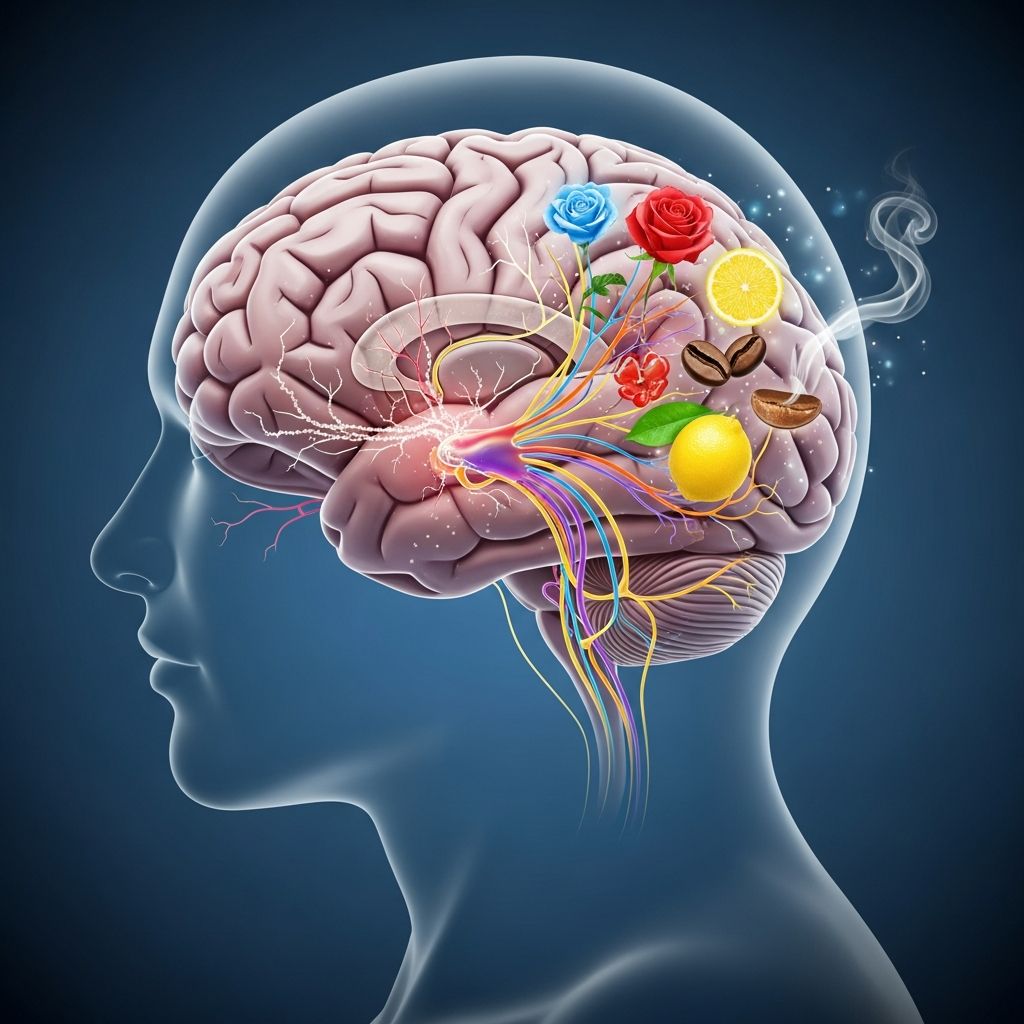
The sense of smell plays a subtle yet vital role in daily life, influencing taste, safety, and even memory. In Parkinson’s disease (PD), a progressive neurodegenerative disorder, olfactory dysfunction—ranging from reduced smell (hyposmia) to complete loss (anosmia)—emerges as one of the earliest and most prevalent non-motor symptoms. Affecting 75-96% of patients, this impairment often appears years or decades before the hallmark motor symptoms like tremors or rigidity.
Prevalence and Timeline of Smell Loss
Research consistently shows that olfactory loss is nearly ubiquitous in PD. Studies indicate that 96.7% of PD patients exhibit significant smell deficits compared to healthy controls, with 74.5% persisting even after age adjustments: 45% are functionally anosmic, 51.7% hyposmic, and only 3.3% retain normal function. This symptom frequently precedes diagnosis by 5-10 years, sometimes longer, positioning it as a potential biomarker for early detection.
Not every individual with hyposmia develops PD, as other factors like aging, infections, or sinus issues can contribute. However, its high correlation with PD underscores its clinical relevance. Patients often retrospectively note diminished smell for foods like fruits, spices, or fermented items long before motor signs appear.
Neurological Mechanisms Behind Olfactory Impairment
The olfactory system’s vulnerability in PD stems from its direct anatomical connections to key brain regions affected by the disease. The olfactory bulb, the brain’s first relay station for smell signals, shows early accumulation of alpha-synuclein protein aggregates—Lewy bodies—hallmarks of PD pathology.
According to the Braak hypothesis, PD may originate in the gut or olfactory bulb, spreading via neural pathways to the substantia nigra, where dopamine-producing neurons degenerate, causing motor symptoms. Mouse models mimicking PD (e.g., alpha-synuclein A30P) reveal reduced neurogenesis in the olfactory bulb and pathology in projection neurons, impairing signal transmission. Unlike healthy aging brains, which sustain bulb neurogenesis, PD halts this process, exacerbating smell loss.
Unlike nasal blockages from allergies or viruses, PD-related hyposmia occurs centrally in the brain, disrupting interpretation of intact signals from the nose. This involves dopamine deficits in the retina and olfactory pathways, linking smell loss to broader sensory declines.
Recognizing Symptoms of Olfactory Changes
Hyposmia manifests gradually, often unnoticed until profound. Key indicators include:
- Difficulty distinguishing odors, even strong ones like coffee, garlic, or gasoline.
- Reduced intensity of familiar smells compared to the past.
- Altered or absent taste perception, as 80% of flavor comes from retronasal olfaction.
- Inability to detect spoiled food, posing safety risks.
- Emotional impacts, like missing scent-triggered memories.
Anosmia represents the severe end, with total smell absence. Standardized tests like the University of Pennsylvania Smell Identification Test (UPSIT) quantify deficits, aiding PD risk assessment.
Effects on Nutrition, Appetite, and Quality of Life
Smell loss profoundly alters eating experiences, as flavor integration with taste is impaired. This leads to diminished food enjoyment, reduced appetite, and unintended weight loss—critical concerns for PD patients already prone to malnutrition.
Related Stories



| Impact Area | Description | Potential Consequences |
|---|---|---|
| Appetite & Weight | Blunted flavor perception | Weight loss, nutritional deficits |
| Food Safety | Can’t detect spoilage | Foodborne illness risk |
| Social/Emotional | Less enjoyment of meals | Isolation, depression |
| Daily Hazards | Missing smoke/gas odors | Increased accident risk |
Compounding this, PD-related vision changes—like reduced contrast sensitivity or dry eyes from infrequent blinking—further sensory burdens.
Diagnostic Potential and Early Detection
Olfactory testing holds promise for premotor PD identification. Recent studies explore unique PD-associated body odors detectable by trained dogs or advanced sensors, potentially revolutionizing screening. Hyposmia, combined with subtle motor or cognitive signs, prompts neurologist referrals.
Physicians should routinely screen for smell loss in at-risk populations (e.g., over 60, family history), as early intervention with neuroprotective therapies could alter progression.
Management Strategies and Lifestyle Adaptations
No targeted pharmacological treatments restore smell in PD, but multifaceted approaches mitigate impacts:
- Nutritional Counseling: Emphasize texture, spice, and temperature contrasts to enhance taste. High-calorie supplements prevent weight loss.
- Safety Measures: Install smoke/carbon monoxide detectors; label perishables by date.
- Olfactory Training: Daily exposure to strong scents (e.g., lemon, clove) may partially regenerate pathways, per some evidence.
- Diet Adjustments: Focus on nutrient-dense foods; consult dietitians for PD-specific plans.
- Holistic Support: Address depression via therapy; join support groups for shared experiences.
Monitor with ENT specialists to rule out reversible causes like polyps. Emerging research into alpha-synuclein-targeted drugs may yield future therapies.
Research Frontiers and Future Directions
Ongoing studies, including webinars and longitudinal cohorts, refine smell tests for prodromal PD detection. Neuroimaging links olfactory deficits to Braak stages, validating progression models. Clinical trials explore neurogenesis enhancers for the olfactory bulb.
Integrating smell assessments into routine checkups could shift PD toward earlier, more effective management.
Frequently Asked Questions (FAQs)
Is loss of smell always a sign of Parkinson’s?
No, but it’s highly prevalent in PD (75-96%). Rule out allergies, sinusitis, or viruses first.
Can smell loss be reversed in PD?
Currently, no specific cure exists, but training and adaptations help manage symptoms.
How does smell loss affect Parkinson’s progression?
It signals early brain changes, potentially aiding timely intervention before motor symptoms.
What smells are hardest for PD patients to detect?
Fruity (bananas), pickled, or licorice-like odors are commonly missed.
Should I get tested if I notice smell changes?
Yes, especially with family history or subtle tremors—consult a neurologist.
References
- Loss of sense of smell — Parkinson’s Australia. 2023. https://www.parkinsons.org.au/information-hub/loss-of-sense-of-smell/
- Loss of Smell and Vision Problems in Parkinson’s — Fight Parkinson’s. 2024. https://www.fightparkinsons.org.au/understand-parkinsons/signs-symptoms/smell-and-vision-difficulties/
- Loss of Smell — Parkinson’s Foundation. 2025-02-01. https://www.parkinson.org/understanding-parkinsons/non-movement-symptoms/loss-of-smell
- New Study Uncovers Biological Mechanism Behind Loss of Smell in Parkinson’s Patients — Yale School of Medicine. 2023-10-15. https://medicine.yale.edu/news-article/new-study-uncovers-biological-mechanism-behind-loss-of-smell-in-parkinsons-patients/
- Ask the MD: Sense of Smell Is a Window into Brain Health — Michael J. Fox Foundation. 2024. https://www.michaeljfox.org/news/ask-md-sense-smell-window-brain-health
- Loss of Smell: A Hallmark of Parkinson’s Disease and LBD — Lewy Body Dementia Association. 2023. https://lbda.org/loss-of-smell-a-hallmark-of-parkinsons-disease-and-lewy-body-dementia
Similar Articles








Read full bio of medha deb