Omega-3 Fatty Acids and Heart Disease: What You Need to Know
Understand the evidence behind omega-3 supplements for cardiovascular health and heart disease prevention.
Things to Know About Omega-3 Fatty Acids for Heart Disease
Omega-3 fatty acids have gained considerable attention in recent years as a potential tool for maintaining heart health and preventing cardiovascular disease. Many people take omega-3 supplements in the hope of reducing their risk of heart disease, improving cholesterol levels, or managing existing cardiovascular conditions. However, understanding what the scientific evidence actually shows about omega-3 fatty acids is essential for making informed decisions about your health. This comprehensive guide explores what you need to know about omega-3 fatty acids, their effects on heart health, and how they compare to other approaches for managing cardiovascular risk.
What Are Omega-3 Fatty Acids?
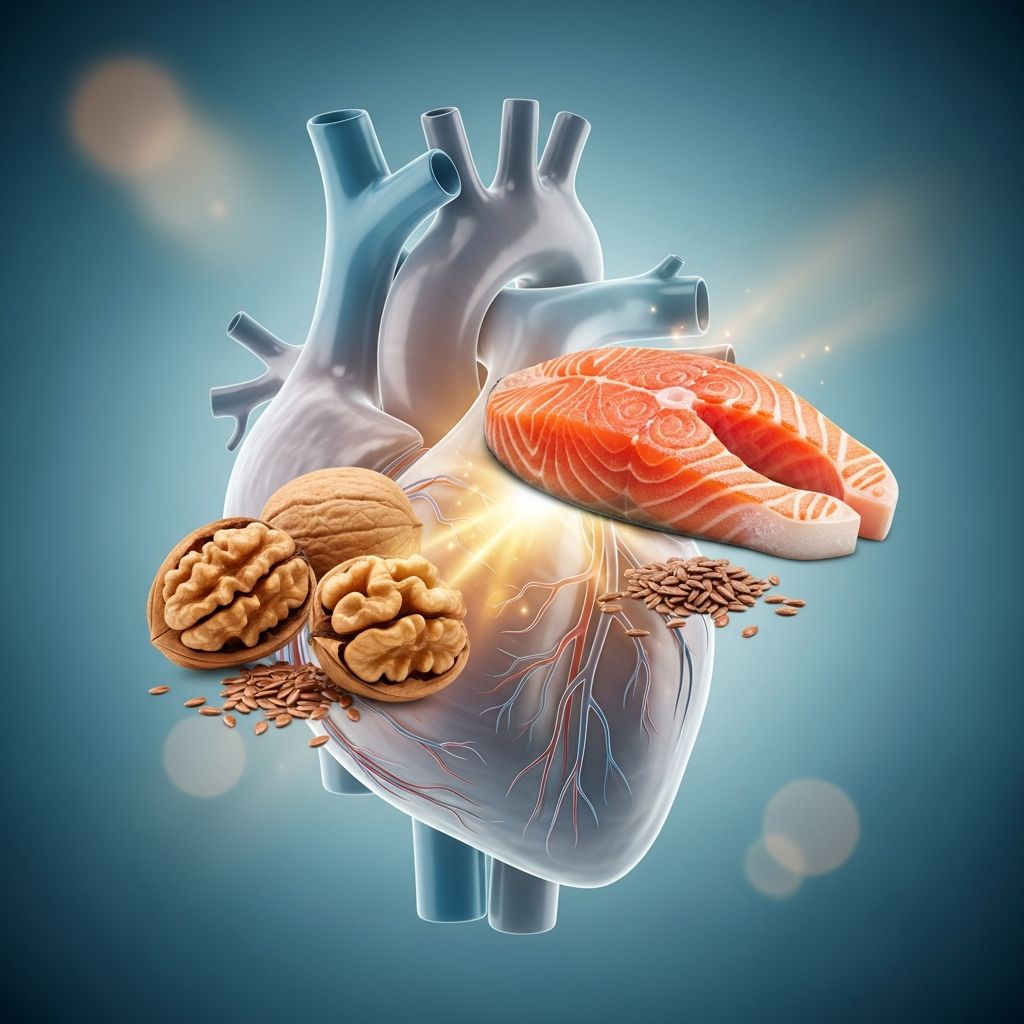
Omega-3 fatty acids are a type of polyunsaturated fat that plays important roles in the body. These essential fatty acids cannot be manufactured by your body, so they must be obtained through diet or supplements. The most well-studied omega-3 fatty acids for heart health are eicosapentaenoic acid (EPA) and docosahexaenoic acid (DHA), which are primarily found in marine sources like fatty fish and fish oil supplements. Another type of omega-3, alpha-linolenic acid (ALA), is found in plant sources such as flaxseed, walnuts, and canola oil.
The distinction between different types of omega-3 fatty acids is important because research shows that EPA and DHA from marine sources have been more extensively studied for cardiovascular benefits than ALA from plant sources. Marine omega-3 fatty acids have been the subject of numerous clinical trials examining their effects on heart disease risk factors and outcomes.
How Omega-3 Fatty Acids May Affect Heart Health
Researchers have identified several potential mechanisms through which omega-3 fatty acids might benefit cardiovascular health. These proposed mechanisms include the following:
- Reducing susceptibility of the heart to dangerous heart rhythms (ventricular arrhythmias)
- Decreasing blood clotting tendency (antithrombogenic effects)
- Lowering triglyceride levels in the blood
- Slowing the growth of atherosclerotic plaques in arteries
- Reducing inflammation in blood vessels
- Promoting blood vessel relaxation and improving blood flow
- Lowering blood pressure to a mild degree
These potential mechanisms suggest that omega-3 fatty acids could theoretically help prevent heart disease through multiple pathways. However, identifying how a substance might work is different from proving it actually produces these effects in people.
What Does the Research Evidence Show?
The scientific evidence regarding omega-3 fatty acids and heart disease is more complex than marketing claims might suggest. Numerous rigorous clinical trials and systematic reviews have examined whether omega-3 supplements actually prevent heart disease or improve heart health outcomes.
Effects on Cholesterol and Blood Pressure
Research has shown consistent effects of marine oil supplementation on certain lipid measurements. High-quality evidence demonstrates that omega-3 supplementation raises HDL cholesterol (the “good” cholesterol) by approximately 0.9 mg/dL and lowers triglyceride levels by about 24 mg/dL. Additionally, the ratio of total cholesterol to HDL cholesterol improves with supplementation.
However, the same evidence also shows that marine oil supplementation raises LDL cholesterol (the “bad” cholesterol) by approximately 2.0 mg/dL. Furthermore, there is high-quality evidence based on numerous trials that omega-3 supplements have no significant effects on either systolic or diastolic blood pressure.
Effects on Heart Disease Events and Outcomes
When researchers examined whether omega-3 supplementation actually reduces the risk of heart attacks, strokes, or other cardiovascular events, the findings were less encouraging than the effects on cholesterol levels. In people without known cardiovascular disease, evidence shows no clear association between omega-3 intake and reduced risk of major adverse cardiovascular events, cardiovascular death, heart attack, or stroke.
In people with known heart disease, randomized controlled trial evidence indicates no effect of omega-3 supplementation on major adverse cardiovascular events, heart-related death, all-cause mortality, heart attacks, the need for revascularization procedures, stroke, or heart failure. The evidence does suggest that omega-3 supplementation may provide some protective effects for HDL cholesterol and triglyceride concentrations in people with existing heart disease.
Differences Between Food Sources and Supplements
An important distinction in the research concerns whether omega-3 benefits come from eating fish or from taking fish oil supplements. Some studies have examined dietary intake of fish and omega-3 fatty acids from food sources, while others have specifically tested fish oil supplements.
Observational studies of total dietary omega-3 intake suggest that increased consumption may lower the risk of ischemic stroke to a modest degree. However, the evidence from randomized controlled trials of supplements shows less consistent cardiovascular benefits. This difference raises questions about whether consuming omega-3 fatty acids through whole foods might be preferable to taking supplements, though more research is needed to clarify this distinction.
Special Populations and Conditions
Omega-3 supplementation may have different effects in people with specific heart conditions. Research examining heart failure patients has shown some potential benefits. Studies indicate that omega-3 supplementation might help reduce patient readmissions and possibly reduce mortality in heart failure populations. The anti-inflammatory properties of omega-3 fatty acids may be particularly relevant for heart failure, since persistent inflammation contributes to the development and progression of this condition.
Additionally, omega-3 supplementation has been associated with increased heart rate variability in survivors of myocardial infarction (heart attack), which is considered a positive indicator for reducing the risk of arrhythmia-related deaths in post-MI patients.
Omega-3 Sources and Recommendations
Dietary Sources
If you want to increase your omega-3 fatty acid intake, several food sources are available:
- Fatty fish such as salmon, mackerel, herring, sardines, and trout
- Plant-based sources including flaxseed, chia seeds, walnuts, and canola oil
- Fortified foods such as certain eggs, dairy products, and beverages
- Seaweed and algae-based products
Major health organizations including the American Heart Association recommend eating fish at least twice per week to obtain omega-3 fatty acids from food sources. A 3-ounce serving of fatty fish provides approximately 1-2 grams of EPA and DHA combined.
Supplement Considerations
If you are considering omega-3 supplements, several factors warrant consideration. The quality and consistency of omega-3 supplements can vary considerably between products. Fish oil supplements may contain different ratios of EPA to DHA, and some supplements contain lower amounts of omega-3 fatty acids than the label indicates.
Common dosages for omega-3 supplements range from 1-3 grams per day, though some research studies have used higher doses. If you are considering supplementation, consult with your healthcare provider to determine an appropriate dose for your individual circumstances, especially if you take blood-thinning medications, since omega-3 fatty acids may have mild anticoagulant effects.
Potential Side Effects and Interactions
Omega-3 supplements are generally well-tolerated, though some people experience mild side effects. Common side effects may include:
- Fish-flavored aftertaste or “fishy” burps
- Gastrointestinal upset, including diarrhea or constipation
- Nausea or loss of appetite
- Mild bleeding or bruising (due to anticoagulant effects)
Taking fish oil supplements with food can reduce gastrointestinal side effects. Enteric-coated supplements are designed to minimize aftertaste. If you take blood-thinning medications like warfarin or aspirin, inform your healthcare provider before starting omega-3 supplements, as these may interact with your medications.
Omega-3 Supplements Versus Other Approaches
While omega-3 supplementation may offer modest cardiovascular benefits, it should not be viewed as a replacement for proven heart disease prevention strategies. Evidence-based approaches to reducing heart disease risk include:
- Maintaining a healthy diet rich in fruits, vegetables, and whole grains
- Engaging in regular physical activity
- Managing blood pressure and cholesterol through lifestyle changes and medications when needed
- Maintaining a healthy weight
- Not smoking
- Limiting alcohol consumption
- Managing stress effectively
- Taking medications as prescribed (such as statins and blood pressure medications)
In many cases, these fundamental lifestyle modifications and prescribed medications produce greater cardiovascular benefits than omega-3 supplementation alone. The most effective approach typically involves combining multiple strategies rather than relying on any single intervention.
Important Considerations for Decision-Making
When considering whether to take omega-3 supplements for heart health, keep these important points in mind:
- The evidence for omega-3 supplements reducing heart disease events is limited and mixed
- Even when omega-3 supplements show effects on risk factors like triglycerides, these changes are modest
- Eating fish as part of a healthy diet may provide benefits beyond omega-3 fatty acids alone
- Omega-3 supplements are not regulated with the same rigor as medications
- Your individual risk factors and medical history should guide your decision in consultation with your healthcare provider
- If you have heart disease or are at high risk, discuss omega-3 supplementation with your doctor before starting
Frequently Asked Questions About Omega-3 and Heart Health
Q: Should everyone take omega-3 supplements for heart health?
A: No. The evidence does not support universal supplementation with omega-3 for all individuals. People without heart disease show no clear reduction in cardiovascular events from omega-3 supplements. Eating fish twice per week as part of a healthy diet is a reasonable approach for most people. If you have heart disease or significant risk factors, discuss omega-3 supplements with your healthcare provider to determine if they are appropriate for your situation.
Q: Is fish oil the same as omega-3 supplements?
A: Fish oil is one type of omega-3 supplement, but not all omega-3 supplements are fish oil. Fish oil supplements contain EPA and DHA from marine sources. Other omega-3 supplements may contain ALA from plant sources or algae-based EPA and DHA. The cardiovascular research has primarily focused on marine-derived EPA and DHA from fish oil or prescription omega-3 medications.
Q: How much omega-3 is in a typical fish serving?
A: A 3-ounce serving of fatty fish like salmon contains approximately 1-2 grams of EPA and DHA combined. White fish contains less omega-3 (about 0.3 grams per 3-ounce serving). If you eat fish twice per week, you can obtain adequate omega-3 without supplementation for most people.
Q: Can omega-3 supplements interact with heart medications?
A: Yes, omega-3 supplements may have mild anticoagulant (blood-thinning) effects. If you take warfarin, clopidogrel, or other blood-thinning medications, inform your healthcare provider before taking omega-3 supplements. They can assess whether supplementation is appropriate and monitor for interactions. Omega-3 supplements appear to be compatible with most other heart medications.
Q: Are there any populations that should definitely avoid omega-3 supplements?
A: People with bleeding disorders or those taking blood-thinning medications should consult their healthcare provider before taking omega-3 supplements. Additionally, people with fish allergies should avoid fish oil supplements and consider algae-based alternatives only after consulting with their allergist. Pregnant women should discuss omega-3 supplementation with their healthcare provider, as some evidence suggests benefits but proper dosing is important.
Q: Do prescription omega-3 medications work better than over-the-counter supplements?
A: Prescription omega-3 medications like icosapent ethyl (Vascepa) have undergone rigorous testing in clinical trials and are standardized for purity and potency. Some studies suggest cardiovascular benefits from high-dose prescription formulations. Over-the-counter supplements have less rigorous quality control and lower doses. If your healthcare provider recommends omega-3 treatment, ask whether a prescription medication or supplement is most appropriate for your situation.
Conclusion
Omega-3 fatty acids, particularly EPA and DHA from marine sources, have been extensively studied for their potential to prevent and treat heart disease. While these fatty acids show consistent effects on certain cholesterol measures and triglyceride levels, the evidence for actually reducing heart disease events remains limited and mixed. The research suggests that omega-3 supplements might possibly confer cardiovascular benefits, but these benefits, if they exist, are likely to be minimal compared to other proven heart disease prevention strategies.
Eating fish as part of a balanced diet remains a reasonable dietary approach supported by observational evidence and nutritional guidelines. If you are considering omega-3 supplementation specifically for heart health, discuss this decision with your healthcare provider, who can evaluate your individual risk factors and medical history to make personalized recommendations. Remember that omega-3 supplementation should complement, not replace, other evidence-based approaches to heart disease prevention including healthy diet, regular exercise, stress management, and appropriate medications when indicated.
References
- Omega-3 Fatty Acids and Cardiovascular Disease — National Institutes of Health, National Center for Complementary and Integrative Health. 2017. https://pmc.ncbi.nlm.nih.gov/articles/PMC5579658/
- Fish Consumption, Fish Oil, Omega-3 Fatty Acids, and Cardiovascular Disease — American Heart Association. 2003. https://www.ahajournals.org/doi/10.1161/01.cir.0000038493.65177.94
- Omega-3 Supplementation and Outcomes of Heart Failure — National Institutes of Health, National Center for Biotechnology Information. 2023. https://pmc.ncbi.nlm.nih.gov/articles/PMC10798699/
- Omega-3 Supplements — National Center for Complementary and Integrative Health. 2015. https://files.nccih.nih.gov/s3fs-public/Omega-3_11-30-2015.pdf
- Omega-3 Fatty Acids and Heart Health — American Heart Association Circulation Journal. 2014. https://www.ahajournals.org/doi/10.1161/circulationaha.114.015176
- Omega-3 Supplements and Cardiovascular Diseases — National Center for Biotechnology Information. 2012. https://pmc.ncbi.nlm.nih.gov/articles/PMC4153275/
- Analysis of Omega-3 Fatty Acid Content in Fish Oil Products — SAGE Open Nursing. 2021. https://journals.sagepub.com/doi/abs/10.1177/08830738211015051
Similar Articles








Read full bio of medha deb