Omega-3 And Fish Oil: Evidence-Based Guide In 2025
Discover the science-backed benefits, risks, and practical advice for incorporating omega-3 fish oil supplements into your daily routine for optimal health.
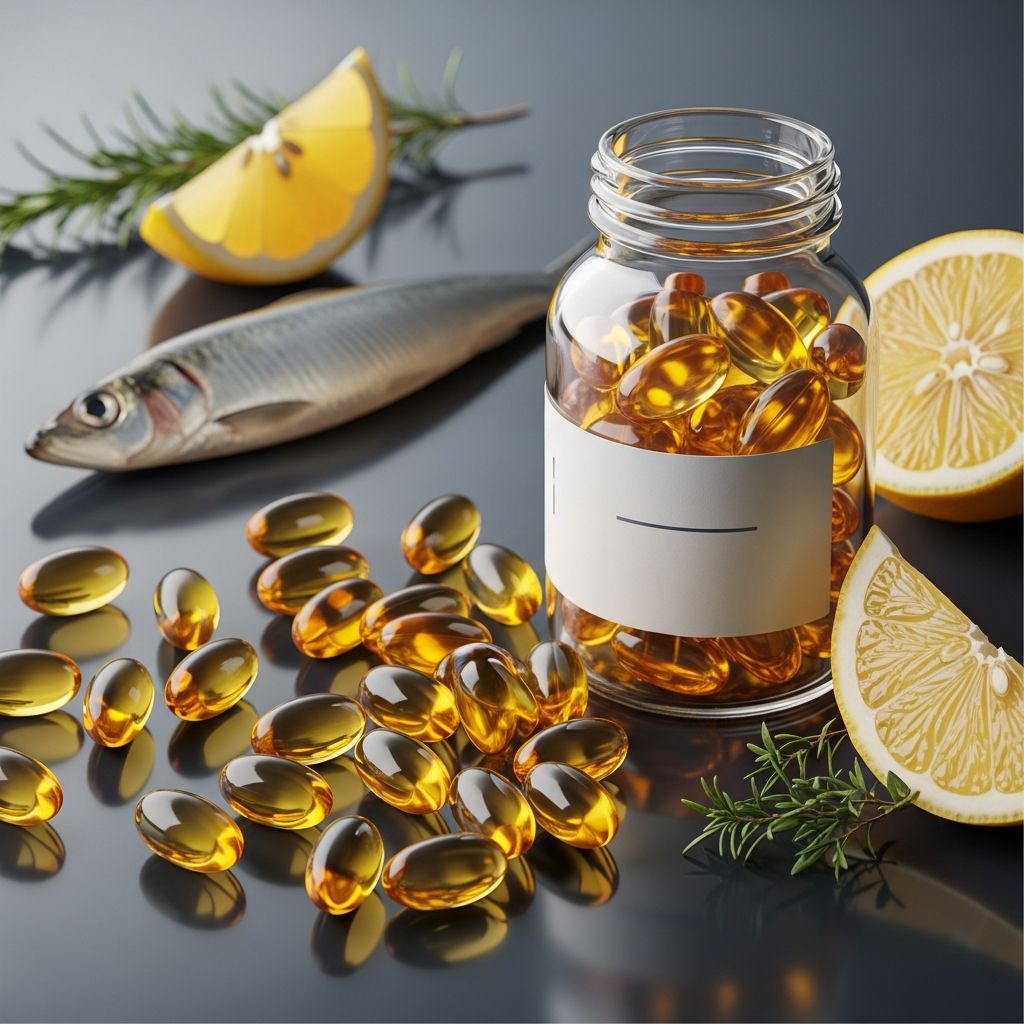
Omega-3 fatty acids, particularly those found in fish oil supplements, have gained widespread attention for their potential role in supporting cardiovascular wellness, reducing inflammation, and promoting overall vitality. Derived primarily from marine sources, these essential nutrients include eicosapentaenoic acid (**EPA**) and docosahexaenoic acid (**DHA**), which the body cannot produce on its own. This guide delves into the evidence-based advantages, optimal usage, safety considerations, and alternatives to help you make informed decisions about supplementation.
Understanding Omega-3 Fatty Acids and Their Sources
Omega-3s are polyunsaturated fats crucial for cell membrane function, particularly in the brain and eyes.
EPA
andDHA
from fish oil stand out for their bioavailability compared to plant-based alpha-linolenic acid (ALA), which converts inefficiently in the human body.Fish oil is extracted from fatty fish like salmon, mackerel, sardines, and anchovies. A typical supplement contains about 30% omega-3s, alongside vitamins A and D. Consuming two servings of oily fish weekly often meets needs, but supplements bridge gaps for those with limited intake.
- Marine sources: Superior for EPA and DHA delivery.
- Plant alternatives: Flaxseed, chia, and walnuts provide ALA but less direct benefits.
Key Health Benefits Supported by Research
Decades of studies highlight omega-3s’ impact across multiple systems. Here’s a breakdown of the strongest evidence.
Cardiovascular Protection
Fish oil excels at lowering
triglycerides
by 15-30%, a key risk factor for heart disease. The NIH notes that long-chain omega-3s from supplements reduce triglyceride levels and may lower risks of coronary events, especially in those with low fish intake. A 2020 Cochrane Review of 86 trials confirmed slight reductions in cardiovascular mortality and events with doses from 0.5-5g daily.The REDUCE-IT trial showed 4g/day of purified EPA cut major cardiovascular events by 25% in high-risk patients. However, trials like ORIGIN found no broad mortality benefits in diabetics. Observational data links higher fish consumption to lower heart failure rates.
| Study/Trial | Dose | Key Outcome |
|---|---|---|
| REDUCE-IT | 4g/day EPA | 25% reduction in CV events |
| Cochrane 2020 | 0.5-5g/day | 15% triglyceride drop; modest CV mortality decrease |
| ORIGIN | 1g/day | No effect on MI/stroke in high-risk diabetics |
Brain and Mental Health Support
The brain is 20% polyunsaturated fats by dry weight, making omega-3s vital. Low levels correlate with depression and cognitive decline. A 2023 meta-analysis of 48 studies found supplements reduced dementia risk by up to 20%. Fish eaters show slower age-related brain function decline.
For mental health, omega-3s may alleviate depressive symptoms, though more research is needed.
Inflammation and Joint Relief
Omega-3s’ anti-inflammatory effects help with rheumatoid arthritis, reducing pain, stiffness, and medication needs. Mayo Clinic reports modest relief sufficient for some to lower anti-inflammatory drug use. Benefits for other inflammatory conditions like IBD remain inconclusive.
Eye and Bone Health
Adequate DHA supports retinal health, potentially lowering age-related macular degeneration risk. Higher omega-3 intake correlates with better bone mineral density, though supplement effects vary.
Other Potential Benefits
- Cancer risk: Some studies link fish oil to 32% lower breast cancer risk in women and reduced colorectal risk in men.
- Asthma: May ease symptoms via anti-inflammatory action.
Related Stories



Recommended Dosages and Usage Tips
General health: 250-500mg combined EPA/DHA daily, per health authorities. For high triglycerides: 2-4g/day under medical supervision.
Take with meals to enhance absorption and minimize fishy aftertaste. Look for third-party tested products to ensure purity from contaminants like mercury.
| Goal | Daily EPA+DHA | Notes |
|---|---|---|
| Maintenance | 250-500mg | From diet or supplements |
| High triglycerides | 2-4g | Prescription strength; monitor with doctor |
| Heart event reduction | 1-4g | Based on risk profile |
Potential Side Effects and Safety Concerns
Common issues include fishy burps, nausea, or loose stools, often mitigated by enteric-coated capsules. High doses may increase bleeding risk, especially with anticoagulants.
Those with fish allergies should avoid; algal oil offers a vegan alternative. No strong evidence of harm in pregnancy at recommended doses, but consult professionals. A Stanford study found no inflammation reduction in metabolic syndrome patients, indicating variable responses.
- Interactions: Blood thinners, blood pressure meds.
- Contaminants: Choose purified, tested brands.
Who Might Benefit Most from Supplementation?
Ideal candidates: Those eating little fish, with elevated triglycerides, inflammatory conditions, or at cardiovascular risk. Vegetarians may prefer algal sources. Not a substitute for lifestyle changes like diet and exercise.
Fish Oil vs. Dietary Sources: A Comparison
| Aspect | Fish Oil Supplements | Whole Fish |
|---|---|---|
| Omega-3 Delivery | Concentrated EPA/DHA | Natural EPA/DHA + nutrients |
| Convenience | High; daily pill | Requires cooking/meal prep |
| Contaminants | Low if purified | Possible mercury in large fish |
| Cost | Affordable | Variable; fresh fish pricier |
Whole fish provides additional protein, selenium, and vitamins, making it preferable when possible.
Frequently Asked Questions (FAQs)
What is the best time to take fish oil?
With meals, split doses if high amount, to improve absorption and reduce GI upset.
Can omega-3 supplements lower cholesterol?
They primarily lower triglycerides and may slightly boost HDL, but can raise LDL in some.
Are fish oil supplements safe during pregnancy?
Generally yes at 200-300mg DHA daily, but check with a healthcare provider.
How do I choose a quality supplement?
Seek IFOS 5-star rated, with clear EPA/DHA mg per serving, and triglyceride form for better uptake.
Do vegans need omega-3 supplements?
Yes, algal oil provides EPA/DHA without fish.
Practical Advice for Getting Started
Assess your diet: Aim for fatty fish twice weekly. If supplementing, start low and monitor effects. Regular blood tests can track triglyceride levels. Combine with a heart-healthy diet rich in fruits, veggies, and whole grains for synergy.
While promising, benefits are most pronounced in deficient individuals. Large trials show mixed results for primary prevention, emphasizing personalized approaches.
References
- Omega-3 Fatty Acids – Health Professional Fact Sheet — Office of Dietary Supplements, NIH. 2023-07-27. https://ods.od.nih.gov/factsheets/Omega3FattyAcids-HealthProfessional/
- Fish oil – Mayo Clinic — Mayo Clinic. 2023-11-09. https://www.mayoclinic.org/drugs-supplements-fish-oil/art-20364810
- 11 Important Benefits of Fish Oil, Based on Science — Healthline. 2023-12-13. https://www.healthline.com/nutrition/benefits-of-fish-oil
- Potential Health Benefits of Plant vs. Marine Omega-3 Fatty Acids — Stanford Medicine. 2011. https://med.stanford.edu/nutrition/research/completed-studies/plant-vs-marine-omega-3s.html
- Fact or Fiction: Fish Oil for Heart Health — Minneapolis Heart Institute. 2023. https://mplsheart.org/news/fact-or-fiction-fish-oil-heart-health
- Fish oil supplementation: Evidence for health benefits — Cleveland Clinic Journal of Medicine. 2004-03-01. https://www.ccjm.org/content/ccjom/71/3/208.full.pdf
- Omega-3 foods and your heart — British Heart Foundation. 2023. https://www.bhf.org.uk/informationsupport/heart-matters-magazine/nutrition/omega-3s-and-your-heart
Similar Articles








Read full bio of Sneha Tete