Omega-3 Supplements: 9 Science-Backed Benefits For Health
Unlock the science-backed benefits of omega-3 supplements for heart, brain, eye health, and beyond with expert insights.
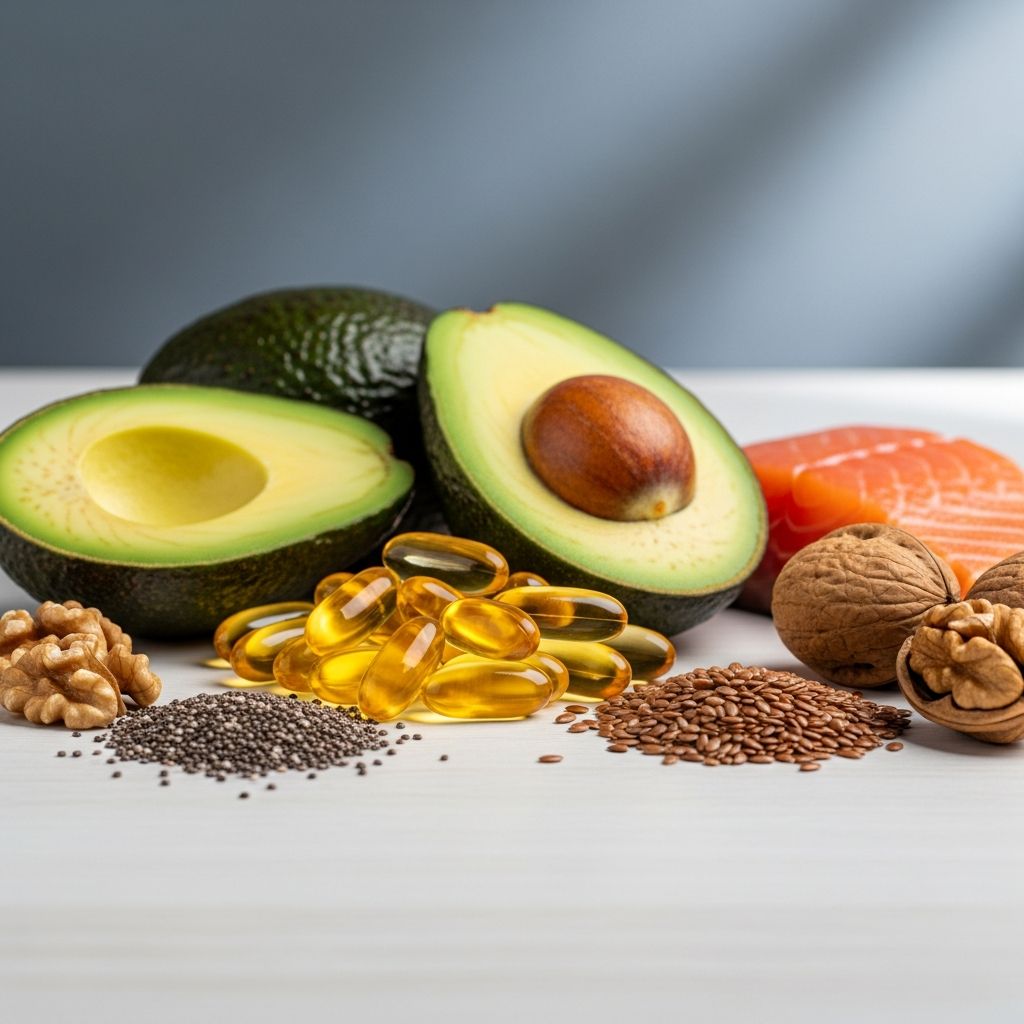
Omega-3 fatty acids are essential polyunsaturated fats crucial for optimal health, as the body cannot produce them and must obtain them from diet or supplements. Primarily EPA (eicosapentaenoic acid) and DHA (docosahexaenoic acid) from fish oil, along with ALA (alpha-linolenic acid) from plants, omega-3s support heart, brain, and eye function while combating inflammation.
What Are Omega-3 Supplements?
Omega-3 supplements, often derived from fish oil, krill oil, or algae, provide concentrated doses of EPA and DHA. These fats are vital for cell membrane structure, influencing everything from inflammation responses to neural signaling. Unlike ALA, which converts inefficiently to EPA/DHA (less than 5-10%), marine sources deliver bioavailable forms directly.
Forms include soft gels, liquids, and gummies, with triglyceride forms absorbing better than ethyl esters. High-quality options undergo third-party testing for purity, avoiding contaminants like mercury.
9 Benefits of Omega-3 Supplements
1. Incredible Brain & Mental Health Benefits
Omega-3s, especially DHA, comprise 30-60% of brain fatty acids, supporting cognitive function and mood regulation. Studies show regular intake reduces depression risk by modulating neurotransmitters like serotonin and dopamine. In those with major depressive disorder, 1-2g daily EPA/DHA improved symptoms comparably to antidepressants.
For anxiety, omega-3s lower cortisol and enhance brain-derived neurotrophic factor (BDNF), promoting neuron growth. A meta-analysis confirmed reduced anxiety scores with supplementation. Age-related cognitive decline also benefits, with DHA preserving memory in older adults.
2. May Help with Healthy Aging & Sleep
Omega-3s combat age-related issues by reducing oxidative stress and inflammation. They support telomere length, a marker of cellular aging, and improve skin elasticity via collagen preservation.
Sleep quality enhances as EPA/DHA regulate melatonin production and reduce nighttime awakenings. Children and adults supplementing 600mg DHA saw deeper sleep phases and fewer disturbances, aiding overall recovery.
3. Supports Eye Health
DHA forms 50% of retinal photoreceptor membranes, essential for vision. Higher omega-3 intake links to 30-60% lower risk of age-related macular degeneration (AMD), the top blindness cause in seniors. Observational data shows fatty fish consumers have significantly reduced advanced AMD odds.
Supplements may alleviate dry eye symptoms by stabilizing tear films, with trials reporting 50% symptom reduction after 3 months.
4. Reduces Risk Factors for Heart Disease
Omega-3s excel at lowering triglycerides by 15-30%, raising HDL cholesterol, and preventing platelet clumping to avert clots. They relax blood vessels, curb arrhythmias, and slow plaque buildup.
The VITAL trial found 1g daily reduced myocardial infarction by 28%, especially in low-fish eaters (77% drop in some groups). Blood pressure drops 2-5 mmHg in hypertensives.
5. May Reduce Inflammation
Chronic inflammation underlies heart disease, cancer, and arthritis. Omega-3s produce resolvins and protectins, actively resolving inflammation. Studies confirm lower C-reactive protein (CRP) and cytokine levels with 2-4g daily.
Related Stories



Anti-inflammatory effects peak at 8-12 weeks, improving post-exercise recovery and joint comfort.
6. May Support Healthy Bones & Joints
Omega-3s boost bone calcium density, potentially cutting osteoporosis risk, though results vary. For joints, they ease osteoarthritis pain; a review of trials showed significant relief with 1-3g daily, rivaling NSAIDs without side effects.
Rheumatoid arthritis patients report less morning stiffness and tender joints.
7. May Benefit Autoimmune Conditions
By balancing immune responses, omega-3s help lupus, rheumatoid arthritis, IBD (ulcerative colitis, Crohn’s), and psoriasis. Trials indicate fewer flares and lower medication needs.
8. Other Potential Benefits
- Liver Health: Reduces fat accumulation and inflammation in NAFLD.
- Metabolic Syndrome: Improves insulin sensitivity, blood sugar, and waist circumference.
- Skin Health: Enhances hydration, reduces acne, and UV protection.
- Cancer Risk: Up to 55% lower colorectal cancer odds in high-intake groups, though more RCTs needed.
How Much Omega-3 Do You Need?
The NIH recommends 1.1-1.6g ALA daily for adults; no firm EPA/DHA RDA exists, but 250-500mg combined suits general health. Heart patients or high triglycerides warrant 2-4g prescription doses under medical guidance.
| Group | Recommended EPA+DHA (mg/day) |
|---|---|
| General Adults | 250-500 |
| Pregnant/Lactating | 200-300 DHA |
| Heart Disease Risk | 1,000 |
| High Triglycerides | 2,000-4,000 |
Food Sources vs. Supplements
Best sources: fatty fish (salmon, mackerel, sardines) at 1-2 servings weekly for 250mg+ EPA/DHA. Plant ALA from flaxseeds, chia, walnuts converts poorly.
Supplements bridge gaps for vegans (algae oil), fish avoiders, or high needs. Fish provides co-nutrients like vitamin D; supplements offer purity.
Side Effects & Who Should Avoid
Generally safe up to 5g/day; mild GI upset, fishy aftertaste possible. High doses thin blood—increase bleeding risk with anticoagulants. Fish allergies contraindicate marine sources; opt for algae.
Pregnant individuals choose low-mercury options. Always consult doctors for interactions.
Bottom Line
Omega-3 supplements offer robust benefits for heart, brain, eyes, inflammation, and more, backed by extensive research. Prioritize diet, supplement strategically, and select purified products for maximum impact.
Frequently Asked Questions
What are the main benefits of omega-3 supplements?
They support heart health by lowering triglycerides, boost brain function, protect eyes from AMD, reduce inflammation, and aid joint comfort.
Can I take omega-3 every day?
Yes, daily intake is safe and effective for most at recommended doses. Consistency yields cumulative benefits over weeks.
Do omega-3 supplements work immediately?
No, benefits unfold over 4-12 weeks: early digestion/sleep improvements, then cardiovascular and cognitive gains.
Are fish oil supplements better than plant-based?
Fish/krill provide direct EPA/DHA; algae suits vegans. Both effective if dosed properly.
Who needs omega-3 supplements most?
Low-fish eaters, heart patients, pregnant people, elderly, and those with high inflammation.
References
- 17 Science-Based Benefits of Omega-3 Fatty Acids — Healthline. 2023. https://www.healthline.com/nutrition/17-health-benefits-of-omega-3
- What are the benefits of taking Omega 3? Can it be taken daily? — Vinmec. 2024. https://www.vinmec.com/eng/blog/what-are-the-benefits-of-taking-omega-3-can-i-use-it-every-day-en
- Omega-3 Health Benefits — Cooper Complete. 2024. https://coopercomplete.com/blog/omega-3-health-benefits/
- 7 Stages of Omega-3 Benefits: What to Expect — Wellbeing Nutrition. 2024. https://wellbeingnutrition.com/blogs/gut-detox-cleanse/7-stages-of-omega-3-benefits-what-to-expect
- Omega-3 Fatty Acids – Health Professional Fact Sheet — NIH Office of Dietary Supplements (.gov). 2023-05-30. https://ods.od.nih.gov/factsheets/Omega3FattyAcids-HealthProfessional/
- Omega 3 Fatty Acids: Food Sources and Benefits — GoodRx. 2024. https://www.goodrx.com/well-being/supplements-herbs/omega-3-fatty-acids
- Omega-3 Fatty Acids — Cleveland Clinic. 2023-04-26. https://my.clevelandclinic.org/health/articles/17290-omega-3-fatty-acids
Similar Articles








Read full bio of medha deb