Sardines vs. Omega-3 Supplements: New Review
A new review reveals why eating sardines may outperform omega-3 supplements for heart health and overall nutrition.
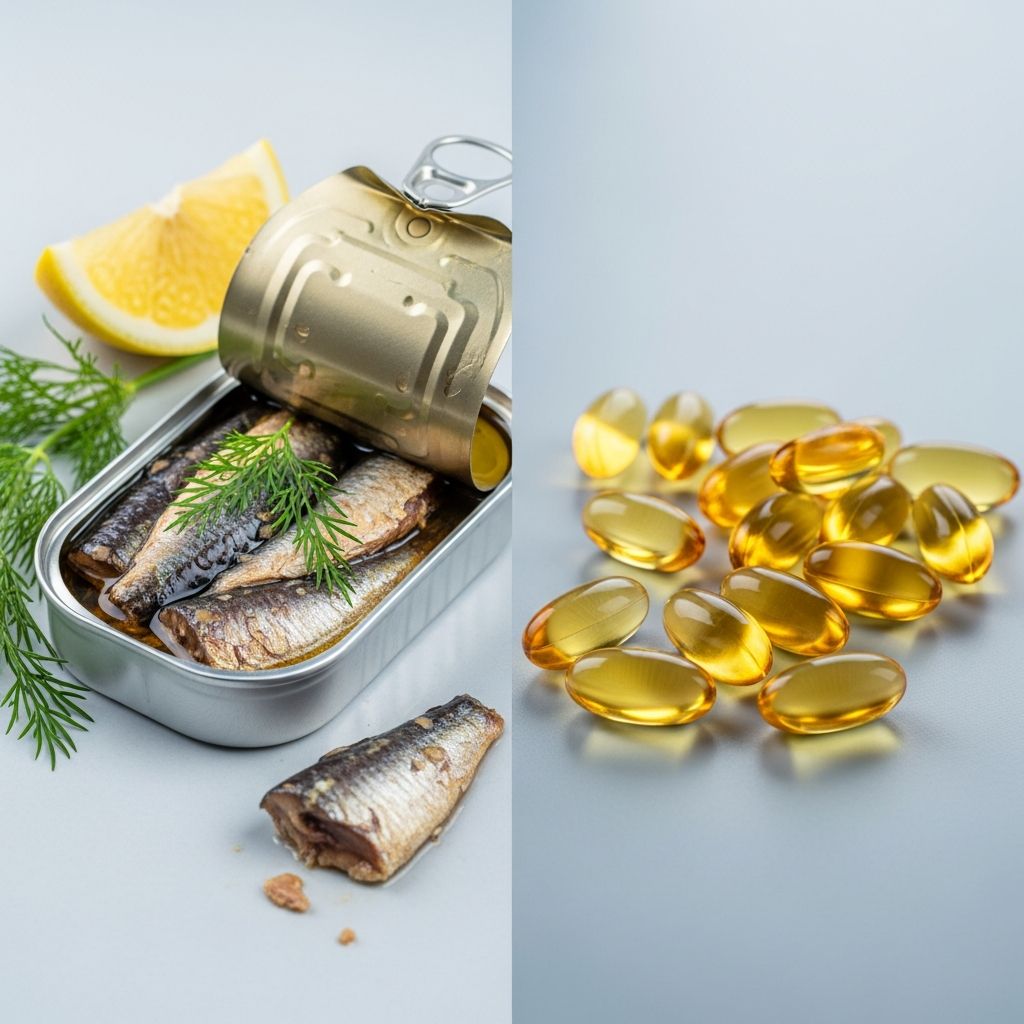
A groundbreaking review published in Frontiers in Nutrition challenges the reliance on omega-3 fish oil supplements, highlighting sardines as a superior, nutrient-dense alternative for supporting cardiometabolic health. Unlike isolated omega-3 capsules, sardines deliver a synergistic matrix of
n-3 polyunsaturated fatty acids (PUFAs)
, minerals, vitamins, and amino acids that collectively combat inflammation, oxidative stress, and cardiovascular risks.What the Review Found
The review synthesizes evidence from randomized controlled trials (RCTs) and nutritional analyses, demonstrating that sardines provide
EPA + DHA
levels comparable to supplements while offering additional bioactive compounds. Key findings include reduced triglycerides, improved endothelial function, and enhanced mineral intake from just a few servings weekly. For instance, 100g of sardines can supply over 2g of EPA + DHA, matching many supplement doses without the need for multiple capsules.Researchers emphasize that while fish oil targets hypertriglyceridemia effectively at 3-4g/day EPA + DHA, achieving this via sardines requires about 400g daily—an impractical amount for most. However, regular moderate consumption (e.g., 100-200g, 3-5 times weekly) yields multifaceted benefits unattainable from supplements alone.
Nutritional Powerhouse: Beyond Omega-3s
Sardines stand out for their comprehensive nutrient profile. A typical 100g serving (drained, canned in oil) provides:
- Omega-3s (EPA + DHA): 1.5-2.5g, rivaling high-potency supplements.
- Calcium: 300-400mg (from edible bones), supporting bone health and blood pressure regulation.
- Potassium and Magnesium: 300-400mg each, aiding hemodynamic balance and reducing cardiovascular strain.
- Taurine and Arginine: Amino acids that mitigate oxidative stress and inflammation.
- Zinc, Iron, B12: Trace elements boosting immunity and energy metabolism.
This nutrient synergy addresses root causes of cardiometabolic diseases, unlike supplements focused solely on lipids. For example, taurine from 100g sardines daily boosts intake by 118mg, contributing to anti-inflammatory effects, though not at therapeutic supplement levels.
Sardines vs. Fish Oil: A Head-to-Head Comparison
The review indirectly compares sardines to other n-3 sources via RCTs. Here’s a breakdown:
| Aspect | Sardines (100g serving) | Fish Oil Supplements (3g EPA+DHA) |
|---|---|---|
| Omega-3 Delivery | 1.5-2.5g EPA+DHA | 3g EPA+DHA (multiple capsules) |
| Additional Nutrients | Calcium, Mg, K, taurine, protein | None |
| Bioavailability | High; matrix protects from oxidation | Variable; prone to GI oxidation |
| Satiety & Compliance | High; meal-based | Low; capsules may increase appetite |
| Side Effects | Minimal | Fishy burps, nausea, reflux issues |
| Cost-Effectiveness | Inexpensive (~$1-2/can) | $20-50/month |
Sardines excel in holistic benefits, with RCTs showing superior triglyceride reduction and HDL improvements versus supplements in some populations.
Cardiometabolic Benefits Backed by Evidence
Triglyceride Reduction: Studies cited report 20-30% drops with 200g sardines weekly, akin to 2g supplemental DHA.
Blood Pressure & Endothelium: Potassium, magnesium, and taurine combinations lower systolic BP by 4-6 mmHg and enhance vascular function.
Anti-Inflammatory Effects: Arginine and zinc modulate mild inflammation in metabolic syndrome.
These outcomes stem from the “food matrix effect,” where nutrients interact synergistically, amplifying benefits beyond isolated EPA/DHA.
Challenges with Fish Oil Supplements
High-dose fish oil (≥3g/day) demands 4-6 capsules, leading to poor adherence, especially in elderly or reflux patients. Common issues include eructation (fishy taste), nausea, and increased gastric volume needs. Paradoxically, some trials note appetite stimulation from supplements, hindering weight management.
Oxidation during digestion further limits efficacy for both forms, but sardines’ protein-lipid matrix offers better protection.
Practical Recommendations for Sardine Consumption
The review advocates personalized plans over generic advice:
- General Population: 1-2 servings (100g) weekly for baseline omega-3s.
- High-Risk (e.g., Hypertriglyceridemia): 3-5 servings weekly, combined with lifestyle changes.
- AHA Guidance Alignment: Matches 4g EPA/DHA advisory when scaled appropriately.
Opt for canned sardines in water/olive oil (low-sodium), fresh grilled, or smoked. Cooking minimally impacts nutrients; avoid deep-frying.
Limitations and Future Research
While promising, evidence relies on indirect comparisons; direct head-to-head RCTs are needed. Dose-response for non-omega nutrients (e.g., taurine) requires validation. Gastrointestinal oxidation remains a bioavailability hurdle for all n-3 sources.
Individual factors like taste preference, allergies, and mercury concerns (negligible in sardines) should guide recommendations.
Frequently Asked Questions (FAQs)
Are sardines better than omega-3 supplements?
Yes, for most people. Sardines provide equivalent omega-3s plus minerals and proteins for broader heart health benefits, with better satiety and fewer side effects.
How many sardines equal a fish oil supplement?
About 100-150g sardines matches 1-2g EPA+DHA; 400g daily for 4g doses (impractical—use supplements for therapeutic needs).
Are canned sardines healthy?
Absolutely. They retain bones for calcium and are affordable, shelf-stable sources of nutrients. Choose low-sodium varieties.
Can sardines replace fish oil for high triglycerides?
Partially; combine 3-5 servings weekly with medical advice. Supplements may be needed for severe cases.
Do sardines cause mercury issues?
No, small fish like sardines have very low mercury levels, making them safer than larger species.
What about oxidation in sardines?
The food matrix reduces oxidation compared to capsules; benefits persist despite some GI losses.
In conclusion, shift toward whole-food sources like sardines for sustainable, comprehensive nutrition. Consult healthcare providers for personalized plans.
References
- Eating more sardines instead of fish oil supplementation — Frontiers in Nutrition. 2023-04-14. https://pmc.ncbi.nlm.nih.gov/articles/PMC10153001/
- Omega-3 Fatty Acids and Cardiovascular Disease — American Heart Association. 2017-08-01. https://www.ahajournals.org/doi/10.1161/CIR.0000000000000482
- Marine Omega-3 Supplementation and Cardiovascular Disease — New England Journal of Medicine. 2019-06-29. https://www.nejm.org/doi/full/10.1056/NEJMoa1811403
Similar Articles








Read full bio of Sneha Tete