Omega-3 Recipes: 5 Easy, Heart-Healthy Meals
Delicious recipes packed with omega-3 fatty acids to support heart health, reduce inflammation, and boost brain function naturally.
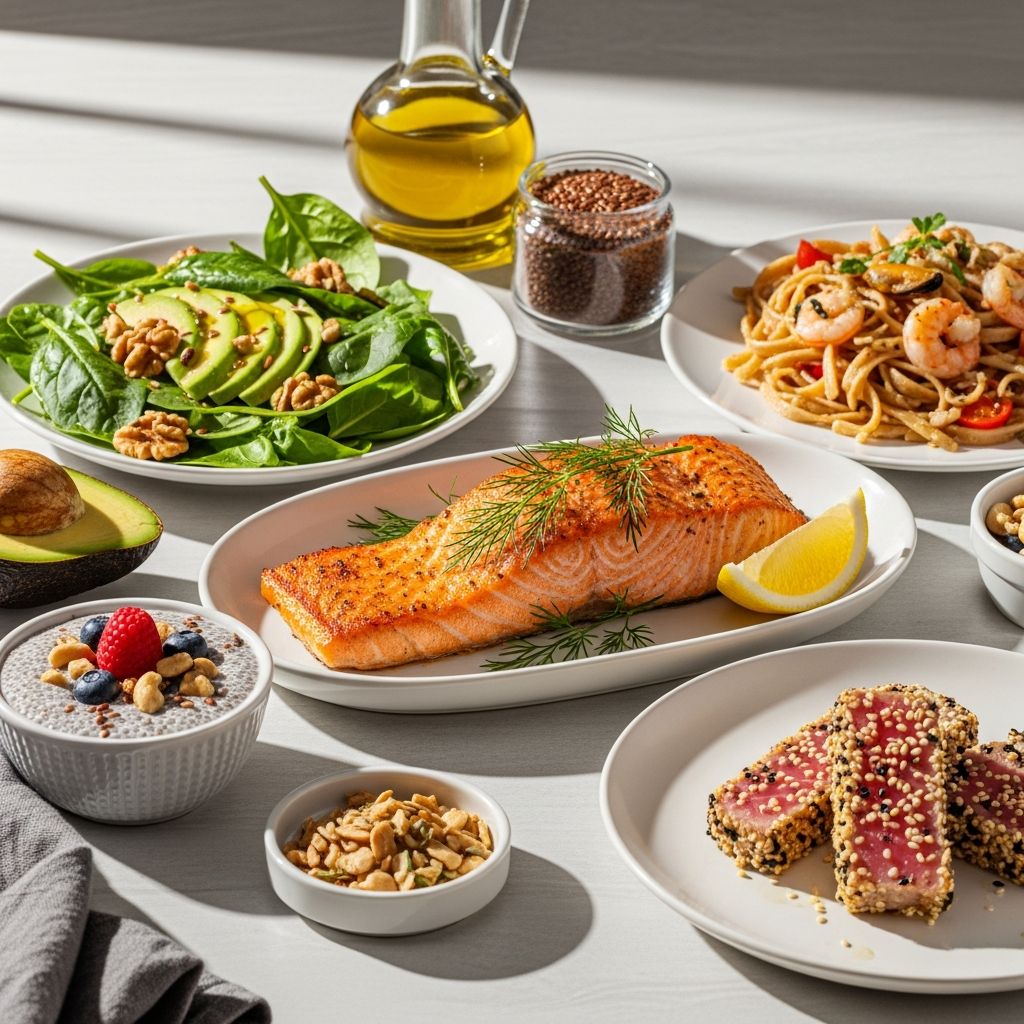
Omega-3 fatty acids are essential nutrients that play a crucial role in supporting heart health, reducing inflammation, and promoting brain function. Found primarily in fatty fish, seeds, and nuts, these polyunsaturated fats—particularly EPA, DHA, and ALA—cannot be produced by the body in sufficient amounts, making dietary intake vital. Incorporating omega-3-rich foods into your meals can lower the risk of cardiovascular disease, improve cognitive health, and alleviate symptoms of depression, as supported by extensive research from health authorities. This collection of recipes highlights the best sources of omega-3s, providing simple, flavorful ways to meet your daily needs through everyday cooking.
What Are Omega-3 Fatty Acids?
Omega-3 fatty acids are a family of essential fats including eicosapentaenoic acid (EPA), docosahexaenoic acid (DHA), and alpha-linolenic acid (ALA). EPA and DHA, predominantly found in fatty fish like salmon and mackerel, offer the most direct health benefits for heart and brain health. ALA, present in plant sources such as flaxseeds and chia seeds, can be partially converted to EPA and DHA, though the conversion rate is low (under 10%). According to the National Institutes of Health, adults should aim for 250-500 mg of combined EPA and DHA daily, achievable through two servings of fatty fish per week. These fats help reduce triglycerides, lower blood pressure, and prevent plaque buildup in arteries, significantly cutting cardiovascular risks.
Research from the Cleveland Clinic emphasizes omega-3s’ role in modulating inflammation, which is linked to chronic conditions like arthritis and dementia. Plant-based ALA sources provide additional fiber and antioxidants, making them ideal for vegetarians. However, for optimal EPA and DHA intake, prioritize seafood unless supplementing with algal oil, a vegan alternative yielding up to 500 mg per tablespoon.
Health Benefits of Omega-3s
The benefits of omega-3 fatty acids extend far beyond heart health. Regular consumption is associated with a 36% reduced risk of coronary heart disease, per American Heart Association guidelines. Omega-3s support brain health by maintaining cell membrane fluidity, potentially lowering dementia risk; studies show fatty fish eaters have slower cognitive decline. They also combat depression, with EPA showing antidepressant effects comparable to some medications.
- Heart Protection: Lowers triglycerides by 15-30% and reduces irregular heartbeat risks.
- Brain Boost: DHA comprises 40% of brain polyunsaturated fats, essential for memory and mood.
- Anti-Inflammatory: Balances omega-6 intake to ease joint pain and autoimmune issues.
- Eye Health: DHA in retinas prevents age-related macular degeneration.
- Pregnancy Support: Enhances fetal brain development; pregnant women need 200-300 mg DHA daily.
UVA Health notes that while fish provide bioavailable EPA/DHA, plant ALA requires larger quantities—e.g., 1.6g daily for men, 1.1g for women—to match benefits. Combining sources ensures comprehensive coverage.
Top Foods High in Omega-3
Fatty fish dominate as the richest sources, delivering 1,000-5,000 mg EPA/DHA per serving. Plant options like seeds offer ALA but in high volumes for equivalent effects. Here’s a breakdown:
| Food | Serving Size | Omega-3 Content (EPA+DHA or ALA) | % Daily Value (250mg EPA/DHA) |
|---|---|---|---|
| Mackerel | 3.5 oz (100g) | 4,580 mg EPA/DHA | 1,832% |
| Salmon | 3.5 oz (100g) | 2,150 mg EPA/DHA | 860% |
| Cod Liver Oil | 1 Tbsp | 2,438 mg EPA/DHA | 975% |
| Sardines | 3.5 oz (100g) | 1,463 mg EPA/DHA | 585% |
| Herring | 3 oz | 1,500 mg EPA/DHA | 600% |
| Flaxseeds | 1 Tbsp (10g) | 2,350 mg ALA | N/A (plant) |
| Chia Seeds | 1 oz (28g) | 5,000 mg ALA | N/A |
| Walnuts | 1 oz (28g) | 2,500 mg ALA | N/A |
Data compiled from Healthline and UVA Health analyses. Opt for wild-caught fish to minimize contaminants like mercury, which is low in salmon, sardines, and mackerel.
Omega-3 Rich Recipes
Baked Salmon with Lemon and Herbs
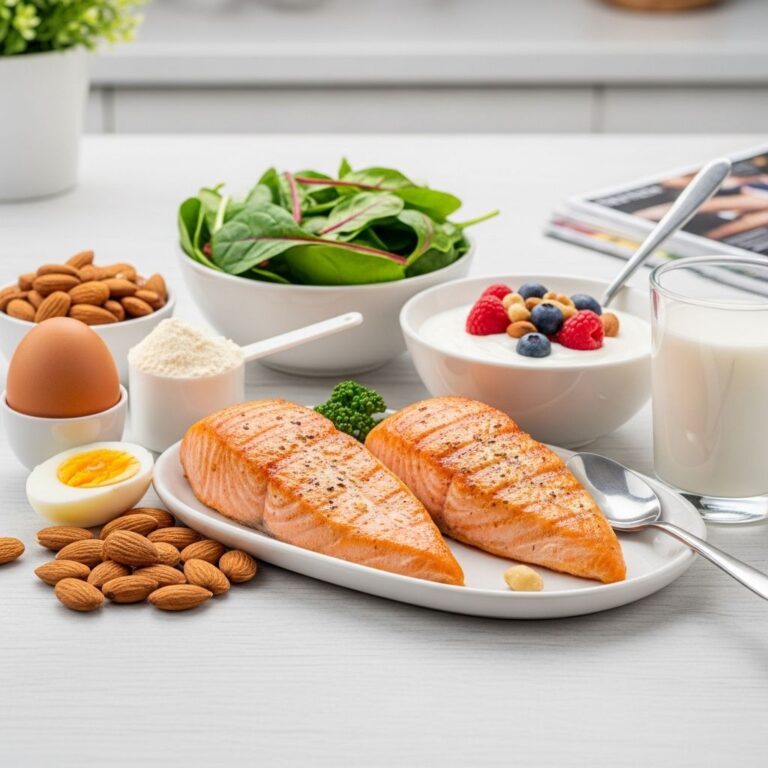
This simple dish delivers over 2,000 mg omega-3 per serving. Preheat oven to 400°F. Place 4 salmon fillets (6 oz each) on a parchment-lined sheet. Drizzle with 2 Tbsp olive oil, juice of 1 lemon, and sprinkle with 2 tsp dried dill, salt, and pepper. Bake 12-15 minutes until flaky. Serves 4; 530 calories, 40g protein. Pair with quinoa for added ALA.
Related Stories



Mackerel Patties
Using canned mackerel (4,580 mg omega-3/100g), mix 2 cans drained mackerel with 1 egg, 1/2 cup breadcrumbs, 1/4 cup chopped onion, and herbs. Form patties; pan-fry in 1 Tbsp oil 3-4 minutes per side. Yields 8 patties; rich in B12 and selenium.
Chia Seed Pudding
Plant-based delight: Mix 1/4 cup chia seeds (5g ALA/oz) with 1 cup almond milk, 1 Tbsp maple syrup, vanilla. Refrigerate overnight. Top with walnuts (2.5g ALA/oz). Serves 2; vegan, fiber-packed.
Sardine Salad Wraps
Mash 1 can sardines (1,463 mg omega-3) with lemon, mustard, celery. Wrap in lettuce leaves. Quick, portable lunch with 96% DV selenium.
Flaxseed Energy Balls
Blend 1 cup oats, 1/2 cup ground flax (2.35g ALA/Tbsp), 1/3 cup honey, 1/2 cup nut butter, chocolate chips. Roll into balls; chill. 10 balls, perfect snack.
These recipes emphasize variety: aim for fish twice weekly, seeds daily. Total word-expanding tips: Experiment with smoking herring or adding anchovies to pasta for 2g+ omega-3 boosts.
Tips for Increasing Omega-3 Intake
- Choose oily fish: Salmon, mackerel over lean tuna.
- Grind flax/chia for better absorption.
- Select grass-fed dairy/eggs for bonus ALA.
- Avoid high-heat cooking; bake, poach, or grill to preserve fats.
- Supplement wisely: Fish oil if diet lacks fish, algal for vegans.
BBC Good Food recommends 1-2 Tbsp flax oil in dressings for 25g ALA/100g equivalent. Balance with omega-6 sources to maintain 4:1 ratio.
Frequently Asked Questions
Which foods are highest in omega-3?
Fatty fish like mackerel (4.9g/100g), salmon (2.1g), sardines, and herring top the list, followed by flaxseeds and chia.
Can vegetarians get enough omega-3?
Yes, via chia, flax, walnuts, and algal oil, though EPA/DHA conversion is inefficient—supplements help.
How much omega-3 do I need daily?
250-500 mg EPA/DHA; 1.1-1.6g ALA. Two fish servings suffice.
Is cod liver oil better than fish oil?
It provides vitamins A/D plus 2.4g omega-3/Tbsp but watch vitamin A excess.
Does cooking destroy omega-3s?
Minimal loss with gentle methods; antioxidants in fish protect fats.
References
- 12 Foods That Are Very High in Omega-3 — Healthline. 2025-05-12. https://www.healthline.com/nutrition/12-omega-3-rich-foods
- Foods Rich in Omega 3 You’ll Actually Like — UVA Health. https://www.uvahealth.com/healthy-balance/foods-rich-in-omega-3-youll-actually-like/
- Top 10 sources of omega-3 — BBC Good Food. https://www.bbcgoodfood.com/health/nutrition/best-sources-omega-3
- 15 Foods High in Omega 3-6-9 Fatty Acids — AARP. https://www.aarp.org/health/healthy-living/foods-high-in-omega-fatty-acids/
- Omega-3 Fatty Acids – Consumer — NIH Office of Dietary Supplements. https://ods.od.nih.gov/factsheets/Omega3FattyAcids-Consumer/
- Omega-3 Fatty Acids — Cleveland Clinic. https://my.clevelandclinic.org/health/articles/17290-omega-3-fatty-acids
- Omega-3 foods and your heart — British Heart Foundation. https://www.bhf.org.uk/informationsupport/heart-matters-magazine/nutrition/omega-3s-and-your-heart
Similar Articles








Read full bio of Sneha Tete