One Anastomosis Gastric Bypass (OAGB): A Minimally Invasive Weight Loss Solution
Understanding OAGB surgery: procedure, benefits, risks, and recovery for effective weight loss.
One Anastomosis Gastric Bypass (OAGB): Understanding This Weight Loss Procedure
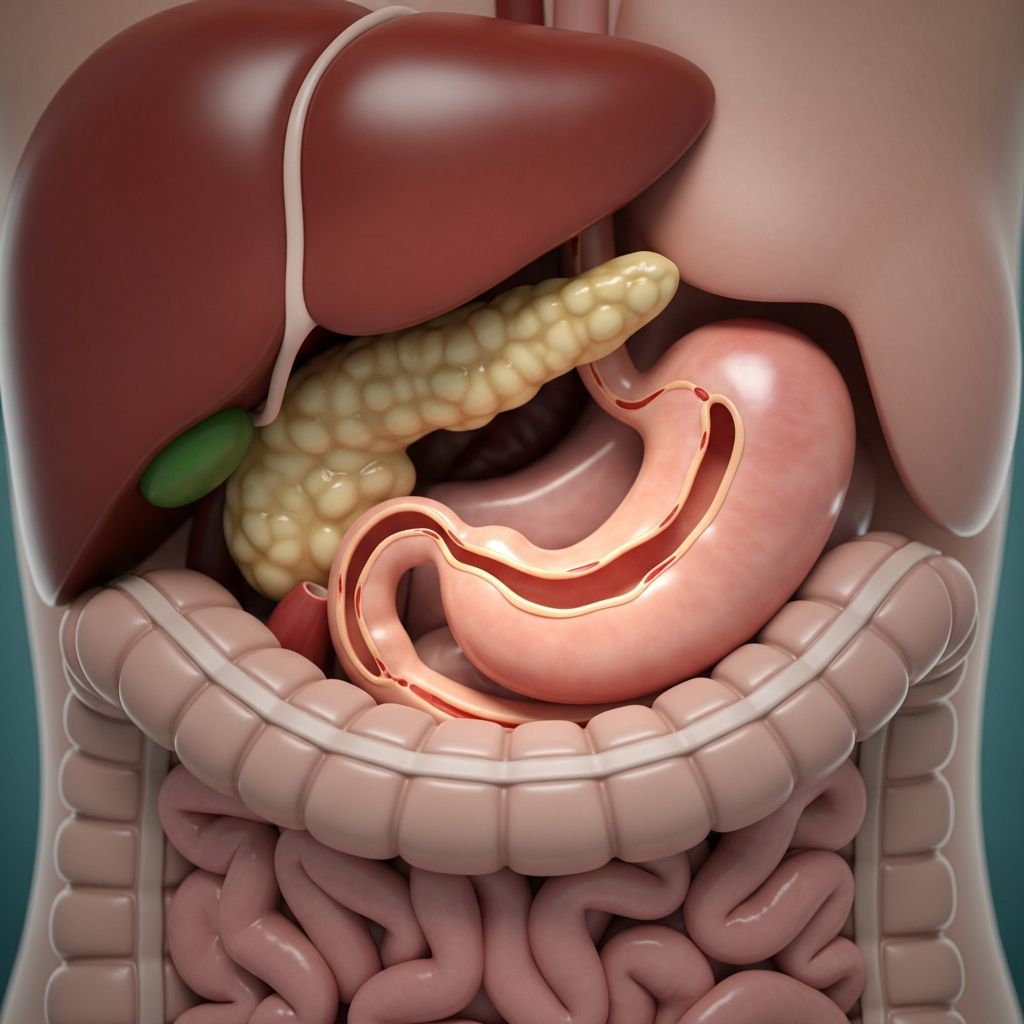
One Anastomosis Gastric Bypass, commonly referred to as OAGB or mini gastric bypass (MGB), represents an innovative approach to bariatric surgery designed to help individuals achieve significant and sustained weight loss. This minimally invasive procedure has gained considerable attention in recent years as an effective alternative to traditional gastric bypass surgery. Unlike conventional bypass procedures that involve multiple surgical connections, OAGB creates a single anastomosis (connection), which simplifies the surgical technique while maintaining effectiveness in treating obesity and its associated medical conditions.
Bariatric surgery, of which OAGB is a component, serves a critical purpose in modern medicine: to alleviate or eliminate obesity-related medical diseases such as type 2 diabetes, hypertension, sleep apnea, and cardiovascular conditions. It is important to note that bariatric surgery is not cosmetic in nature, and patients may remain overweight following their procedure. However, the substantial weight loss achieved through OAGB produces dramatic improvements in overall health and quality of life for most patients who undergo the procedure.
What Is One Anastomosis Gastric Bypass?
OAGB is a bariatric surgery procedure that works through two primary mechanisms to promote weight loss: restriction and malabsorption. During the procedure, the surgeon creates a small pouch from the upper portion of the stomach, significantly reducing its capacity. This restriction limits the amount of food a patient can consume at any given time, creating a feeling of fullness with smaller meal portions.
The second component involves creating a single connection between this newly created gastric pouch and a portion of the small intestine, bypassing a significant length of the digestive tract. This bypass reduces the number of calories and nutrients absorbed by the body, contributing to additional weight loss. The combination of these two mechanisms—restriction and malabsorption—makes OAGB an effective tool for weight loss management.
Why Choose OAGB?
OAGB offers several compelling advantages for patients struggling with obesity and related health conditions. The procedure has demonstrated superior long-term weight loss outcomes compared with nonoperative treatments in multiple clinical studies. Patients undergoing OAGB consistently achieve superior weight loss results compared to those pursuing medical therapy alone, even in the long-term management of conditions like type 2 diabetes.
Beyond weight loss, OAGB delivers substantial improvements in obesity-related comorbidities. Research shows remarkable remission rates for common obesity-associated conditions:
- Approximately 73% of patients experience resolution of high blood pressure within one year following gastric bypass procedures
- About 75% achieve resolution of type 2 diabetes
- Approximately 91% experience resolution of acid reflux or GERD
- Around 93% achieve resolution of sleep apnea
Additionally, metabolic and bariatric surgery produces significant improvements in cardiovascular health, with patients showing significantly lower risk of new-onset heart failure, myocardial infarction, and stroke compared with matched controls at four years after surgery. The long-term reduction in cardiovascular risk after OAGB is particularly pronounced in individuals with concurrent type 2 diabetes.
Eligibility and Patient Selection
Not all patients are candidates for OAGB. General eligibility criteria for bariatric surgery typically include individuals with a BMI of 40 kg/m² or higher, or those with a BMI of 35 kg/m² or higher who have significant obesity-related health conditions. Some patients with BMI between 30-35 kg/m² may be considered for surgery, particularly if they demonstrate superior outcomes compared with nonsurgical treatment options.
Related Stories



A multidisciplinary team evaluation is essential before surgery, as this comprehensive assessment helps identify and manage the patient’s modifiable risk factors with the goal of reducing the risk of perioperative complications and improving surgical outcomes. The evaluation process ensures that candidates are psychologically prepared, committed to lifestyle changes, and understand the long-term requirements of post-surgical life.
The OAGB Procedure: Technical Details
OAGB is typically performed using minimally invasive laparoscopic techniques, which utilize several small incisions rather than one large surgical opening. This approach results in reduced trauma to tissues, less postoperative pain, shorter hospital stays, and faster recovery compared to open surgery.
During the procedure, the surgeon first creates a small pouch from the upper portion of the stomach by dividing and stapling the stomach vertically. This pouch is typically much smaller than the original stomach, reducing its functional capacity. Next, the surgeon identifies a section of the small intestine approximately 150-200 centimeters distal to the ligament of Treitz and creates a connection between this intestinal segment and the newly created gastric pouch. This single anastomosis distinguishes OAGB from traditional Roux-en-Y gastric bypass, which requires two anastomoses.
The simplification of the surgical technique in OAGB compared to traditional bypass procedures offers potential advantages, including shorter operative time, reduced technical complexity, and potentially lower rates of certain complications. The procedure is designed to be effective while maintaining a favorable safety profile.
Expected Weight Loss Outcomes
Weight loss following OAGB typically occurs in stages. Most patients experience the most significant weight loss during the first 6-12 months after surgery. Research shows that over a five-year period following gastric bypass procedures, patients lose an average of substantial amounts of excess weight, with most of this loss occurring within the first year to 18 months.
The durability of weight loss is a key advantage of OAGB over other weight management approaches. Unlike medical therapies for obesity, which often result in weight regain when treatment is discontinued, the anatomical changes produced by OAGB provide long-lasting weight management. Medical weight loss approaches are generally considered to have greater durability in individuals with BMI less than 35 kg/m², but for those with higher BMI values, bariatric surgery demonstrates superior and more durable outcomes.
Benefits Beyond Weight Loss
The advantages of OAGB extend far beyond numerical weight loss. The procedure produces durable improvement in cardiovascular risk factors and type 2 diabetes management, with data suggesting that benefits are particularly pronounced in certain populations. Adolescents undergoing RYGB (and by extension, similar bypass procedures like OAGB) demonstrate durable weight loss and maintained comorbidity remission.
OAGB also offers benefits for patients with obesity-related joint disease. In patients with obesity and osteoarthritis, weight loss achieved through bariatric surgery can improve surgical outcomes for subsequent joint replacement procedures. Furthermore, metabolic and bariatric surgery is associated with an 88% risk reduction of progression of nonalcoholic fatty liver disease (NASH) to cirrhosis, providing substantial hepatic benefits.
For patients with obesity and heart failure, OAGB can serve as an adjunct to treatment before heart transplantation or placement of a left ventricular assist device (LVAD), performed with low morbidity and mortality rates. The consequent improvement in obesity and associated comorbidities improves overall health and patient outcomes significantly.
Potential Risks and Complications
While OAGB is generally considered safe when performed by experienced surgeons, all surgical procedures carry potential risks. Patients should be fully informed about possible complications before undergoing surgery:
- Leakage: Stomach fluid can leak from staple lines, potentially causing serious infection
- Stricture: Narrowing or blockage at the connection between the stomach and small intestine
- Ulcers: Development of gastric ulcers at the anastomosis site
- Bleeding: Internal bleeding may occur and occasionally require blood transfusion
- Nutritional deficiencies: The bypass component reduces nutrient absorption, requiring lifelong supplementation
- Gallstones: Rapid weight loss increases the risk of gallstone formation
Regarding cancer risk, expert consensus indicates that OAGB does not significantly increase the risk of gastric or esophageal cancers, with approximately 96% and 91% of experts respectively confirming this assessment. Additionally, patients with obesity and compensated cirrhosis can safely undergo OAGB, as the risk of perioperative mortality remains small (less than 1%) while the benefits are significant.
Post-Operative Recovery and Lifestyle
Recovery from laparoscopic OAGB is typically faster than from open surgery. Most patients can return to light activities within 2-3 weeks and resume normal activities within 6-8 weeks. However, the surgical recovery period represents just the beginning of a lifelong commitment to behavioral and dietary changes.
Following OAGB, patients must adhere to specific dietary guidelines, progressively advancing from clear liquids to pureed foods, soft foods, and eventually regular foods. Portion sizes remain substantially smaller than pre-surgery consumption, and patients must avoid foods and beverages that can cause discomfort or complications.
Nutritional supplementation is absolutely essential after OAGB. Patients are typically required to take a comprehensive multivitamin, calcium citrate with vitamin D, iron (particularly for menstruating women), and vitamin B12. Many patients require these supplements for life to prevent deficiencies that could lead to serious health complications. Additionally, patients with their gallbladder intact are often prescribed medication to decrease the risk of gallstone formation, a common complication after rapid weight loss.
Long-Term Outcomes and Mortality Reduction
One of the most significant benefits of bariatric surgery, including OAGB, is the substantial reduction in overall mortality. Multiple large-scale studies have demonstrated that patients undergoing bariatric surgery experience significantly lower all-cause mortality compared with nonsurgical controls. In large retrospective studies comparing over 9,900 individuals who underwent gastric bypass with nonsurgical controls, researchers found that mortality decreased by 40% in the bariatric surgery group.
Studies with follow-up periods averaging 7-10 years consistently show that adjusted overall mortality is significantly lower in patients who underwent metabolic and bariatric surgery compared with controls. Even in retrospective cohorts of mostly male patients followed for 5-10 years, all-cause mortality remained significantly lower in the surgical group. Meta-analyses encompassing over 170,000 patients corroborate these findings, establishing that OAGB and other bariatric procedures produce meaningful improvements in longevity.
Revisional Surgery Considerations
While OAGB is highly effective for most patients, some individuals may not achieve desired weight loss results or may experience weight regain over time. For these patients, revisional bariatric surgery may be considered as escalation therapy. The complexity of revisional surgery is higher than primary OAGB and is associated with increased hospital length of stay and higher rates of complications. However, revisional procedures remain effective at achieving additional weight loss and comorbidity reduction after the primary operation.
Frequently Asked Questions
Q: How much weight can I expect to lose with OAGB?
A: Weight loss varies among individuals, but most patients lose 50-70% of their excess body weight within the first 12-18 months following surgery. Long-term weight loss is typically sustained for many years with proper dietary adherence and lifestyle modifications.
Q: Will my diabetes improve after OAGB?
A: Yes, approximately 75% of patients with type 2 diabetes experience complete resolution of their condition within one year of gastric bypass surgery. Even those who don’t achieve complete remission typically experience significant improvement in blood sugar control and reduced medication requirements.
Q: What is the recovery time for OAGB?
A: Most patients can return to light activities within 2-3 weeks after laparoscopic surgery and resume normal activities within 6-8 weeks. However, complete internal healing takes several months.
Q: Will I need to take vitamins for life after OAGB?
A: Yes, lifelong vitamin supplementation is essential after OAGB. Most patients require a multivitamin, calcium with vitamin D, vitamin B12, and iron supplementation to prevent nutritional deficiencies.
Q: Are there any restrictions on foods after OAGB?
A: Yes, patients must avoid certain foods and beverages that can cause complications, including carbonated drinks, high-sugar foods, fatty foods, and very hot beverages. Additionally, patients must maintain small portion sizes throughout their lives.
Q: What is the difference between OAGB and traditional gastric bypass?
A: OAGB differs from traditional Roux-en-Y gastric bypass primarily in the number of surgical connections created. OAGB creates one anastomosis (connection), while traditional bypass requires two, potentially simplifying the surgery and recovery process.
Q: Will OAGB increase my cancer risk?
A: No, expert consensus indicates that OAGB does not increase the risk of gastric or esophageal cancers. Approximately 96% and 91% of experts respectively confirm that the procedure does not increase cancer risk.
Q: Is OAGB safe for patients with other health conditions?
A: A comprehensive multidisciplinary team evaluation is performed before surgery to assess and manage any existing health conditions. Patients with various comorbidities, including liver disease and heart conditions, can often safely undergo OAGB with appropriate perioperative management.
Q: How does OAGB improve conditions like sleep apnea and GERD?
A: Weight loss achieved through OAGB directly reduces the severity of weight-related conditions. Approximately 93% of patients experience resolution of sleep apnea and 91% experience resolution of acid reflux within one year after surgery, primarily due to the significant weight loss.
Q: What happens if I don’t lose enough weight after OAGB?
A: For patients deemed poor responders to the initial operation, revisional bariatric surgery can be considered as escalation therapy. While revisional surgery is more complex than primary surgery, it remains effective at achieving additional weight loss and comorbidity reduction.
References
- 2022 American Society of Metabolic and Bariatric Surgery (ASMBS) Standards and Guidelines — American Society of Metabolic and Bariatric Surgery. 2022. https://www.ifso.com/pdfs/metabolic-and-bariatric-surgery-2022.pdf
- The First Consensus Statement on One Anastomosis/Mini Gastric Bypass (OAGB/MGB) Using a Modified Delphi Approach — Consensus Panel of Bariatric Surgery Experts. 2019. https://www.academia.edu/83783953/The_First_Consensus_Statement_on_One_Anastomosis_Mini_Gastric_Bypass_OAGB_MGB
- Bariatric Embolization of Arteries for the Treatment of Obesity (BEAT Study) — National Center for Biotechnology Information (NCBI/PubMed). 2019. https://pubmed.ncbi.nlm.nih.gov/30938624/
- Johns Hopkins Center for Bariatric Surgery Information Session — Johns Hopkins Medicine. 2024. https://www.hopkinsmedicine.org/
Similar Articles








Read full bio of medha deb