One Dark Hair: Causes, Safe Removal, And When To See A Doctor
Discover why a single dark hair appears on your skin, its hormonal causes, and effective removal and prevention strategies.
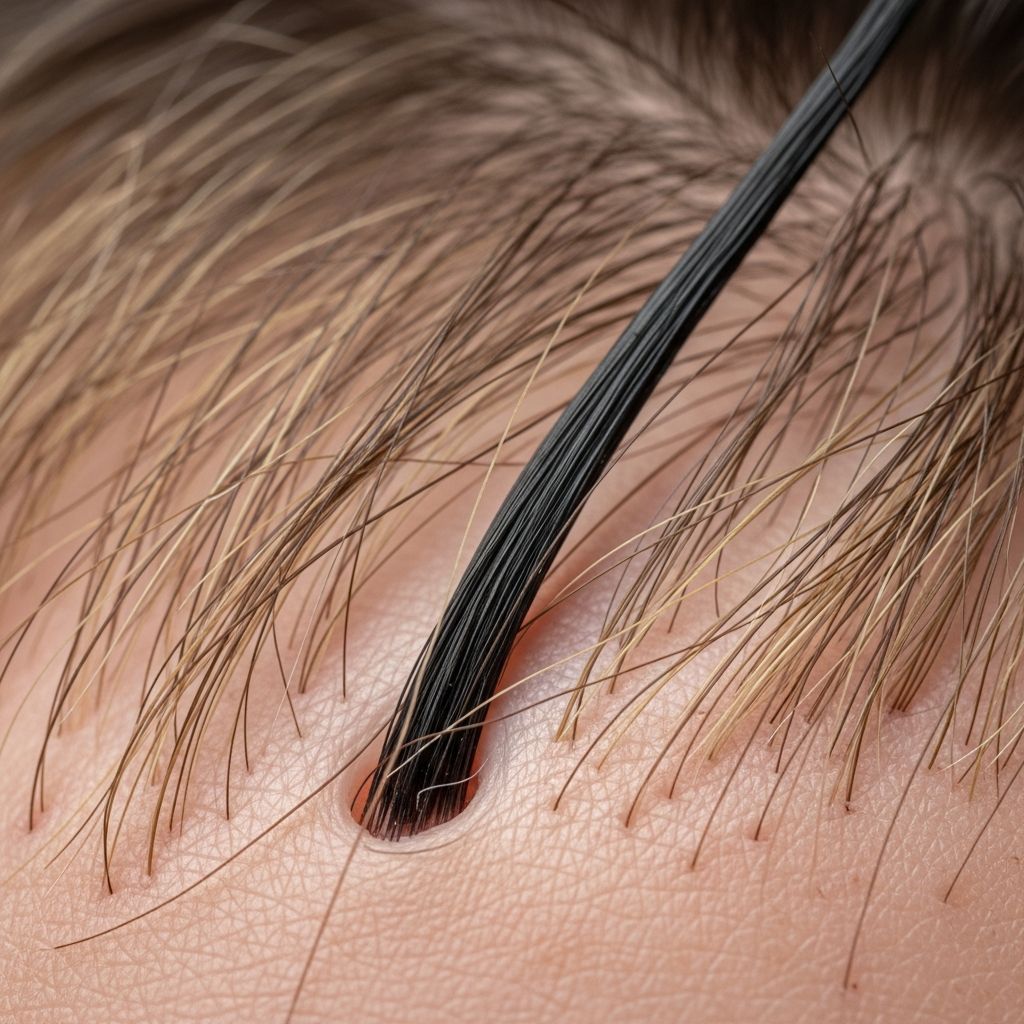
A single
dark coarse hair
emerging unexpectedly from your chin, cheek, or arm can be startling. This common phenomenon affects many women, especially after age 30, and signals a shift from fine vellus hair to thick terminal hair. While often benign, it may indicate underlying hormonal changes.What Causes One Dark Hair to Appear?
The transformation of
vellus hair
(soft, light, nearly invisible) toterminal hair
(dark, thick, visible) occurs when hair follicles become more sensitive to androgens—male hormones present in all bodies. Women produce small amounts of testosterone, which converts to dihydrotestosterone (DHT) via 5-alpha-reductase enzyme. Elevated DHT stimulates follicles, causing terminalization.This process accelerates with:
- Hormonal fluctuations: Perimenopause, pregnancy, or birth control changes boost androgens.
- Genetics: Mediterranean, Middle Eastern, South Asian, or Hispanic women often have more active 5-alpha-reductase.
- Aging: Post-30, declining estrogen allows relative androgen dominance.
- Medications: Certain steroids, anticonvulsants, or hormone therapies.
Random single hairs are usually isolated, but patterns suggest hirsutism (excessive male-pattern hair growth).
Hirsutism vs. Hypertrichosis: Key Differences
| Condition | Description | Pattern | Common Causes |
|---|---|---|---|
| Hirsutism | Excess terminal hair in male pattern (face, chest, back) | Androgen-dependent areas | PCOS, adrenal issues |
| Hypertrichosis | Increased hair anywhere, including non-androgenic areas | Generalized or localized | Genetics, drugs, malnutrition |
Hirsutism affects 5-10% of women, with
polycystic ovary syndrome (PCOS)
as the top cause (70-80% of cases). PCOS features elevated androgens, insulin resistance, irregular periods, acne, and central weight gain.Underlying Medical Conditions Linked to Excess Hair
Beyond PCOS, other disorders drive androgen excess:
- Congenital Adrenal Hyperplasia (CAH): Genetic enzyme defects cause adrenal androgen overproduction (1-2% of hirsutism cases).
- Cushing’s Syndrome: High cortisol elevates androgens.
- Thyroid Disorders: Hypo/hyperthyroidism disrupts sex hormone-binding globulin (SHBG), freeing testosterone.
- Hyperprolactinemia: Pituitary issues suppress ovulation, raising androgens.
- Androgen-Secreting Tumors: Rare ovarian/adrenal tumors (0.5% cases); cause rapid onset.
Key tests include total/free testosterone, DHEA-S, SHBG, LH/FSH ratio, cortisol, prolactin, and pelvic ultrasound for PCOS.
Safe Ways to Remove That One Dark Hair
Plucking is popular for isolated hairs but follow these rules:
- Use clean tweezers; pull in growth direction to avoid breakage.
- Avoid if skin is irritated or post-sun exposure.
- Don’t pluck large areas—risks scarring or ingrown hairs.
Alternatives:
- Shaving: Quick, painless; no thicker regrowth myth.
- Waxing/Threading: Lasts 2-4 weeks; professional best.
- Depilatory Creams: Dissolve hair; patch test for irritation.
- Laser/IPL: Targets melanin; 6-8 sessions for permanent reduction (best on dark hair/light skin).
- Electrolysis: FDA-approved permanent destruction; ideal for light hair.
Combine with hormonal treatments for lasting results.
Medical Treatments for Hormonal Hair Growth
Address root causes:
Related Stories



- Oral Contraceptives: Suppress androgens, raise SHBG (first-line for PCOS).
- Anti-Androgens: Spironolactone (100-200mg daily) blocks DHT; 6-12 months for results.
- Topical Eflornithine (Vaniqa): Slows facial hair growth.
- Metformin: Improves insulin sensitivity in PCOS.
Lifestyle: Weight loss (5-10%) reduces androgens by 20-30% in overweight women. Low-glycemic diet, exercise help.
When to See a Doctor for Facial Hair
Consult if:
- Sudden/rapid hair increase.
- Accompanied by deepening voice, clitoromegaly, balding.
- Irregular/absent periods, infertility.
- Dark neck creases (acanthosis nigricans), skin tags.
- Unexplained weight gain/acne.
These signal treatable conditions preventing diabetes, heart disease.
Prevention and Long-Term Management
Minimize risks:
- Hormone Balance: Annual checkups if family history/PCOS.
- Skin Care: Exfoliate to prevent ingrowns; sunscreen post-removal.
- Diet: Anti-inflammatory foods (spearmint tea may lower androgens).
- Stress Reduction: Cortisol elevates androgens.
Embrace: Many women view it as normal aging; counseling aids body image.
Frequently Asked Questions (FAQs)
Why do I suddenly have dark hairs on my chin?
Hormonal shifts make follicles androgen-sensitive, converting vellus to terminal hair. Common in perimenopause.
Does plucking one dark hair make more grow?
No—myth. It may cause temporary inflammation, but doesn’t multiply follicles.
Can laser remove a single dark hair permanently?
Yes, but multiple sessions needed; electrolysis for guaranteed permanence.
Is one dark hair a sign of high testosterone?
Possibly; test if multiple hairs or symptoms present.
How long until spironolactone reduces facial hair?
3-6 months; full effect 12 months.
Understanding
one dark hair
empowers management. It’s often harmless but worth monitoring for health insights.References
- Why do I have dark coarse hair on my chin? — SiPhox Health. 2023. https://siphoxhealth.com/articles/why-do-i-have-dark-coarse-hair-on-my-chin
- The Person Beneath the Hair: Hair Discrimination, Health, and Well-Being — National Library of Medicine (PMC). 2023-08-23. https://pmc.ncbi.nlm.nih.gov/articles/PMC10457631/
- Why we know so little about women’s health — Association of American Medical Colleges (AAMC). 2024. https://www.aamc.org/news/why-we-know-so-little-about-women-s-health
Similar Articles








Read full bio of Sneha Tete